Cat Blood Types: Why knowing your pets group can save their life.
Introduction:
Cat blood types are an absolutely vital part of modern feline health management that many pet owners completely overlook. Most people assume that animal blood types operate exactly like human systems, but felines have completely unique biological rules. A sudden household accident or a severe internal medical emergency can leave your beloved companion requiring immediate veterinary medicine support. Therefore, knowing your pet’s specific cat blood group ahead of time can save precious minutes during a crisis.
Veterinarians must establish perfect blood compatibility in cats before they can safely administer any lifesaving fluids. Giving the wrong type can trigger a massive, fatal immune system attack inside your pet’s blood vessels within minutes. Consequently, routine cat healthcare blood tests should always include a definitive screening for your kitty’s specific profile. This comprehensive guide will explain feline blood types step by step so you can make informed decisions for your pet.
Understanding the Feline Blood Groups System
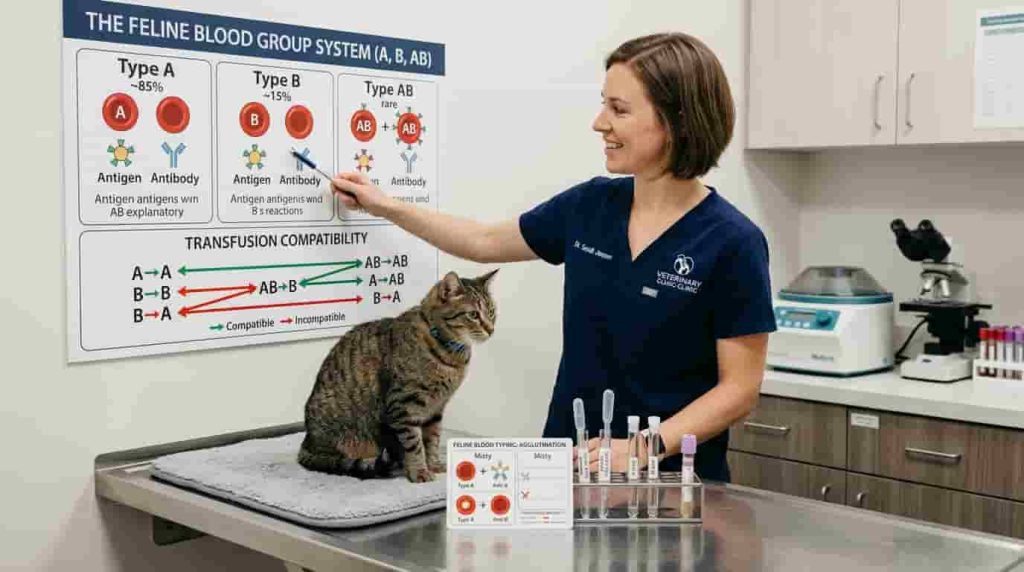
The scientific breakdown of blood types in cats relies on a very simple classification system containing three main categories. These groups include type A, type B, and the extremely rare type AB blood types in cats. Unlike human systems, there is no universal type O option that can safely go into any random animal patient.
- Type A is the most common variety found in domestic shorthair cats globally.
- Type B occurs frequently in specific purebred groups like British Shorthairs or Persians.
- Type AB functions as a rare genetic variant where the cat possesses both markers.
According to a comprehensive genetic study by the Cornell University College of Veterinary Medicine, geographic location greatly influences the distribution of these groups. For example, almost all domestic cats in certain regions carry type A, while other areas show higher type B numbers. Therefore, a local veterinarian must never guess a patient’s status based purely on their physical appearance or breed characteristics.
The Critical Importance of Blood Compatibility in Cats
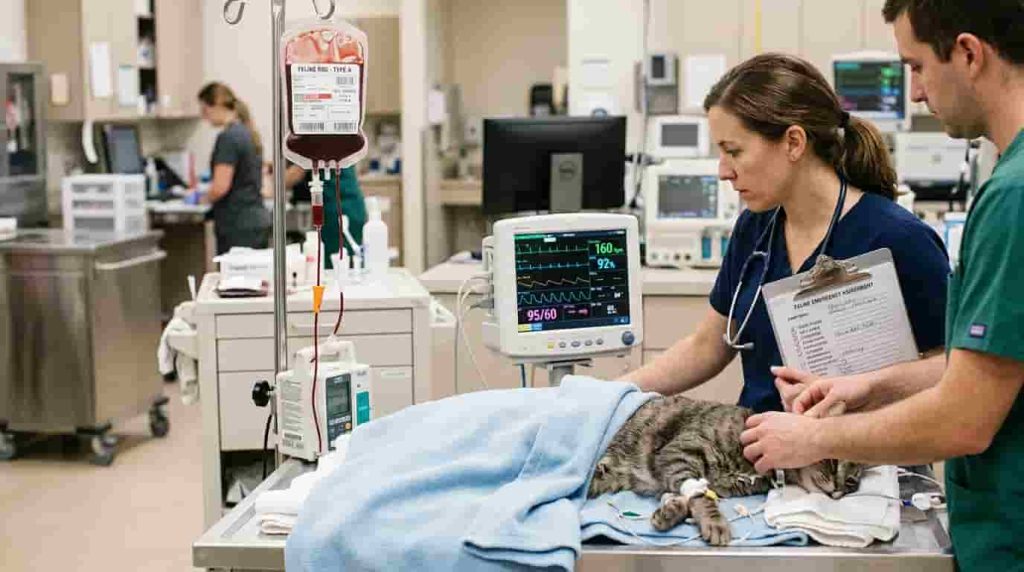
Achieving total blood type compatibility is a matter of life or death whenever a sick feline requires emergency blood transfusions for cats. Felines naturally possess strong, built in antibodies against the alternative groups they do not personally carry. For instance, a type B patient has incredibly powerful anti A antibodies circulating through their plasma at all times.
If that type B kitty receives even a tiny drop of type A blood, their body reacts violently. The immune system destroys the new red cells instantly, which releases massive amounts of dangerous toxins into the kidneys. This life threatening reaction can cause immediate collapse, sudden shock, or rapid respiratory failure right on the treatment table.
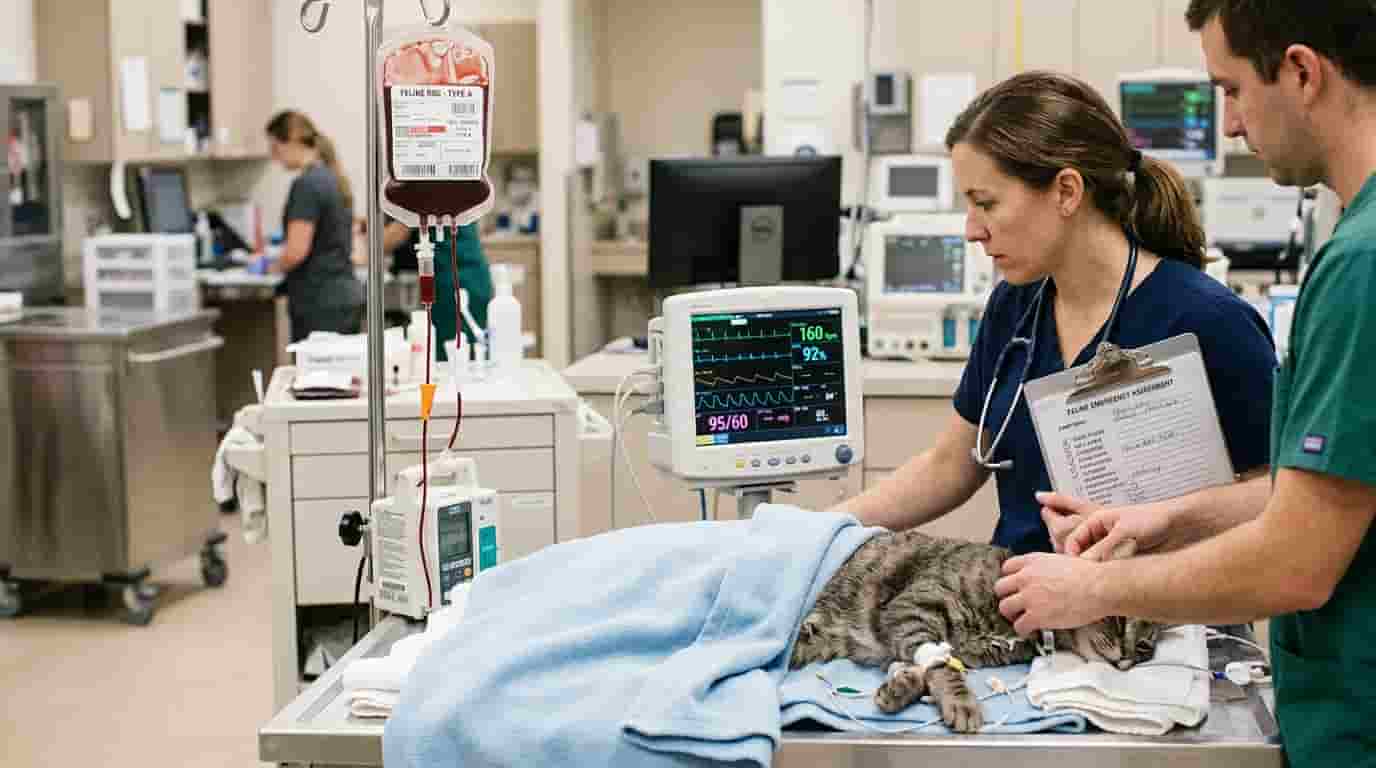
As a result, professional emergency clinics perform strict cross matching procedures right alongside standard blood typing for cats. This double layer of protection ensures that the donor cells will mix peacefully inside the sick patient’s body. Through these meticulous safety steps, veterinary teams can safely perform complex cat transfusions to treat severe trauma or sudden anemia.
Signs Your Pet Needs Urgent Cat Transfusions
You must learn to spot the physical warnings that indicate your pet’s internal cell counts are dropping dangerously low. Severe internal bleeding, toxic reactions, or immune diseases can cause a rapid destruction of precious oxygen carrying red cells.
- Gums look pale white or muddy grey instead of a healthy bright pink.
- The animal experiences extreme weakness and cannot stand up to walk.
- Breathing becomes very rapid or the cat gasps with an open mouth.
These terrifying symptoms can reflect severe underlying organ strain, such as advanced feline hepatic disease or sudden systemic failures. If you notice your pet’s skin turning an unusual shade, read about cat liver failure: recognizing jaundice and yellow skin early. Catching these overlapping physical symptoms early allows your veterinarian to stabilize your companion before their vital systems shut down completely.
How Veterinarians Perform Fast Cat Blood Typing
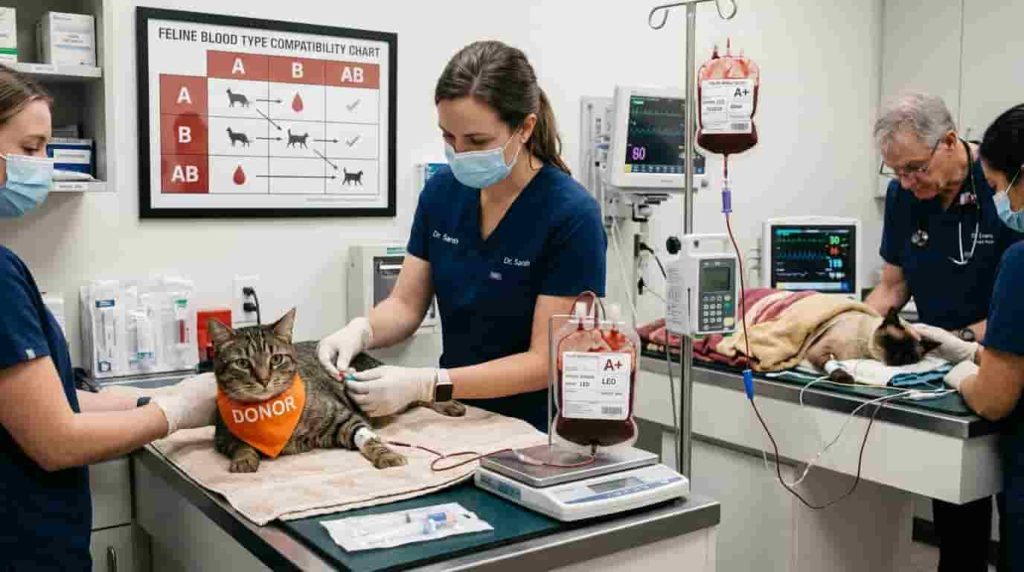
The actual process of cat health blood typing is exceptionally quick, completely painless, and highly accurate in a clinic. Your veterinarian will draw a very small sample of blood from the jugular vein in the neck area. Next, they place a few drops onto a specialized plastic card that contains targeted testing antibodies.
- The blood clots visibly if it reacts with the type A testing agent.
- Smooth mixing indicates the absence of that specific red cell surface marker.
- The entire testing process takes less than ten minutes from start to finish.
This fast cat blood examination allows the medical team to select the perfect donor match from their storage facility. For example, my client Sarah brought her outdoor cat Oliver to the emergency clinic after a major car accident. Because the vet performed an immediate test, they identified Oliver’s rare profile and sourced the correct fluid within minutes. This rapid action successfully stabilized Oliver’s critical vitals and allowed his damaged tissues to heal completely over the next week.
Monitoring Vital Signs After an Emergency Procedure
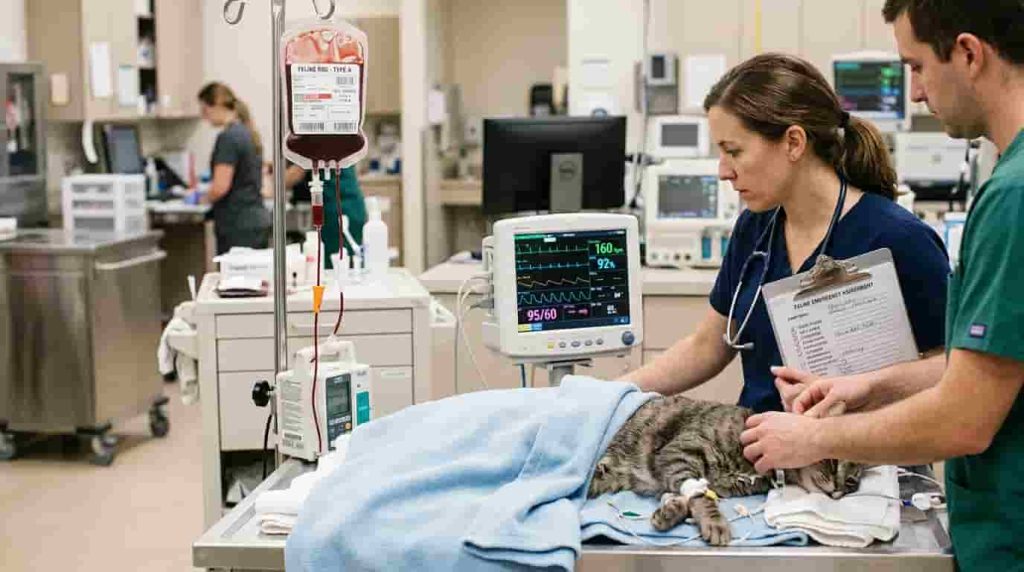
Your pet will require intense, continuous monitoring in the hospital recovery ward for several days following any major transfusion. The veterinary staff must track the feline pulse and respiratory rhythm every fifteen minutes to catch early rejection signs.
To understand these tracking methods, you can read our guide on cat heart rate: how to measure beats per minute during rest. A sudden, dramatic spike in heart rate during the fluid delivery process can signal an early immune reaction.
Furthermore, you must watch for secondary neurological shifts that can occur when the body experiences high physical stress. If you notice your pet’s eyes changing shape during recovery, check out cat pupil dilation: what it means when eyes go completely black. Keeping a close watch on these delicate optical responses ensures that your veterinary team can adjust medication levels instantly.
The Vital Role of Cat Blood Donation Programs
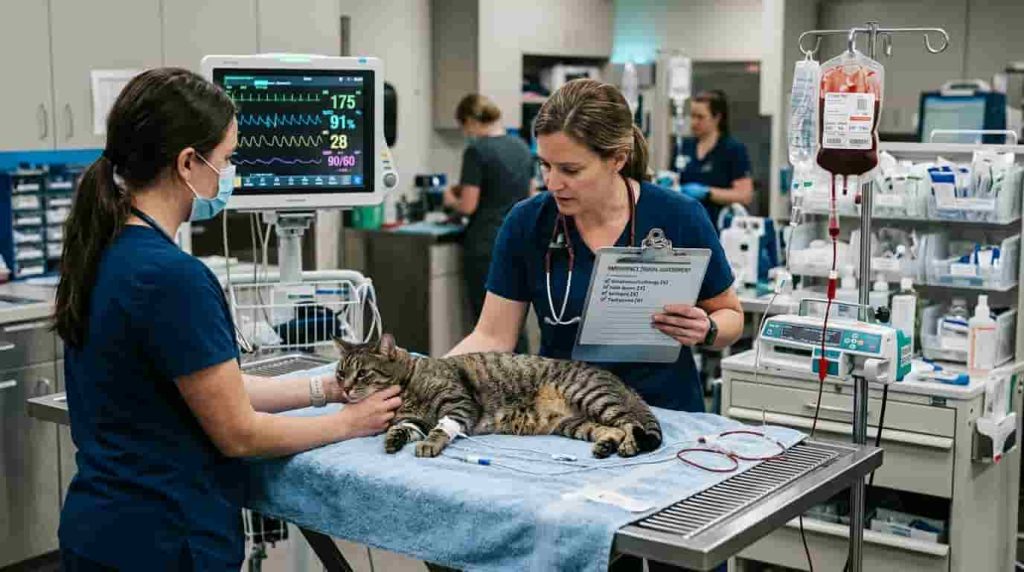
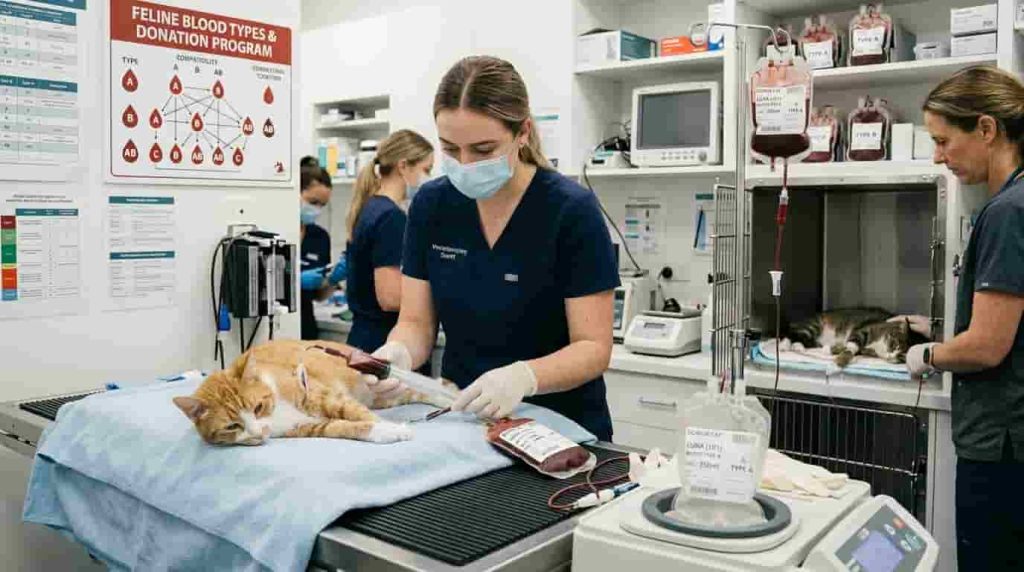
Maintaining a reliable supply of fresh, typed blood products remains a constant challenge for most modern veterinary hospitals. Because animal blood products have a very short shelf life, clinics rely heavily on local pet heroes for donations. A healthy adult cat blood donation can save up to three separate feline lives during a single medical crisis.
- Donors must weigh over nine pounds and maintain a lean, healthy body condition.
- Felines must live completely indoors and stay current on all standard annual vaccinations.
- The clinic performs free comprehensive health screenings for every active donor animal.
Participating in these volunteer programs helps build a robust local network that protects all cats within your community. Your own pet might benefit from this community resource if they ever face a sudden, unexpected health emergency later. Therefore, asking your local veterinary clinic about their active donor requirements is an excellent way to support feline health.
Long Term Care Planning for Your Cat’s Safety
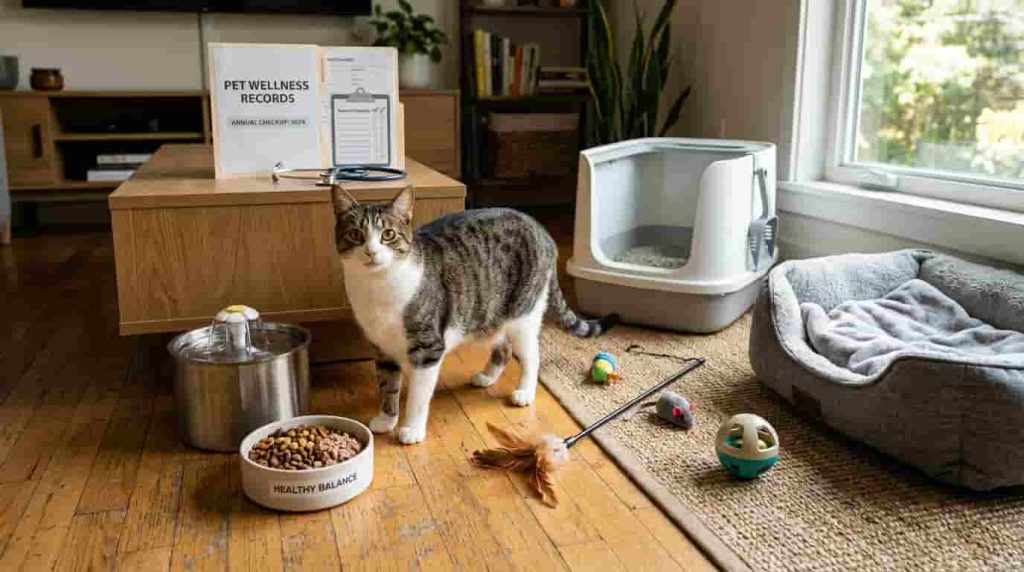
You can take several proactive steps right now to ensure your pet stays completely safe during any future emergency. First, request a formal blood typing test during your kitty’s next routine annual wellness check and dental cleaning.
Next, ask your veterinarian to print out a clear copy of the final laboratory results for your files. Place a bright, easily visible sticker containing your pet’s specific group directly onto their plastic travel carrier. Finally, save this critical information inside your smartphone’s digital pet health app for immediate access on the road.
These simple, organized preparations eliminate stressful guesswork if you ever have to rush to an unfamiliar emergency clinic at night. You can confidently provide the intake staff with accurate medical data the exact second you walk through the door. Consequently, your pet will receive faster, safer care that maximizes their chances of a full, beautiful recovery.
Conclusion: Honoring the Value of Cat Blood Types
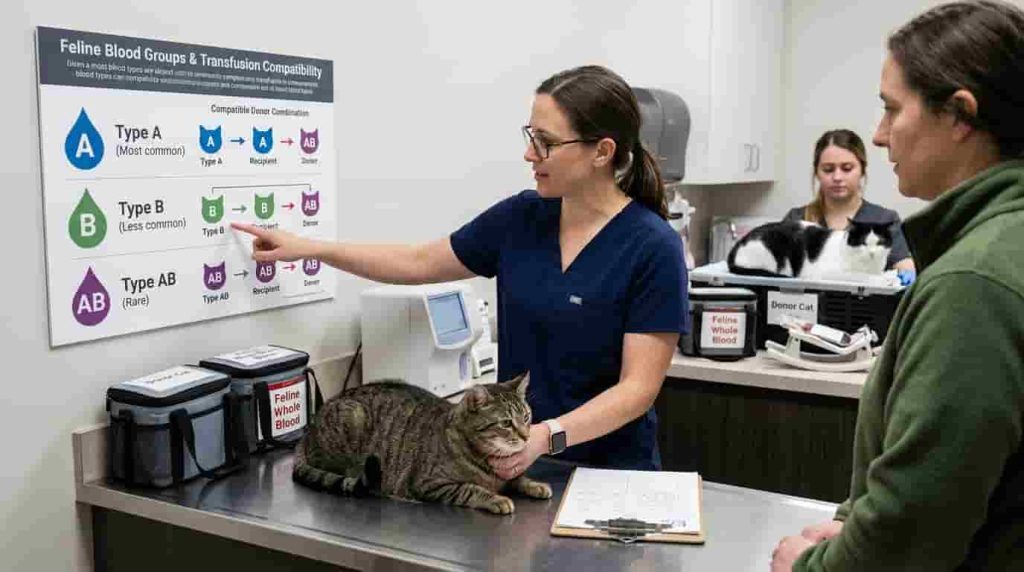
In conclusion, understanding the true importance of cat blood types is a fundamental duty for every truly dedicated pet parent. Feline blood groups follow strict rules of compatibility, meaning that any random matching can cause catastrophic internal injuries. Always take the time to test your pet early and record their group information in a secure place.
Have you ever had your feline companion’s blood group officially tested during a routine veterinary clinic visit? Did your veterinarian ever discuss the unique differences between type A and type B felines with you before? Please share your personal pet care experiences and write your questions in the comments section below this post!
Frequently Asked Questions
Dogs can actually donate blood to a cat only once as a desperate, last resort measure called xenotransfusion. The feline immune system does not recognize the canine red cells, so it will destroy them completely within a few days. However, this extreme procedure can buy a dying cat a few extra days of life to find a proper feline match.
No, there is absolutely no universal donor type within the entire feline blood group system. A type A cat must receive type A blood, and a type B cat must strictly receive type B fluid. Giving the wrong variety can trigger an immediate, fatal allergic reaction that shuts down their internal organs.
A standard blood typing test usually costs between fifty and one hundred dollars when performed at a local clinic. Many veterinarians can run the test right in their office using a rapid, ten minute diagnostic kit card. This minor investment provides permanent, lifesaving data that stays valid for your pet’s entire life.
Yes, a serious medical condition called neonatal isoerythrolysis occurs when a type B mother nurses type A kittens. The mother’s milk contains powerful anti A antibodies that enter the kittens’ bodies and destroy their red blood cells. Breeders must type both parents carefully to prevent this tragic fading kitten syndrome from occurring.
A healthy, large indoor cat can safely donate blood once every two months without experiencing any negative health impacts. The veterinary team provides special treats, extra fluids, and a quiet recovery space to ensure the donor stays happy. This generous contribution helps replenish critical local hospital blood banks for future emergencies.