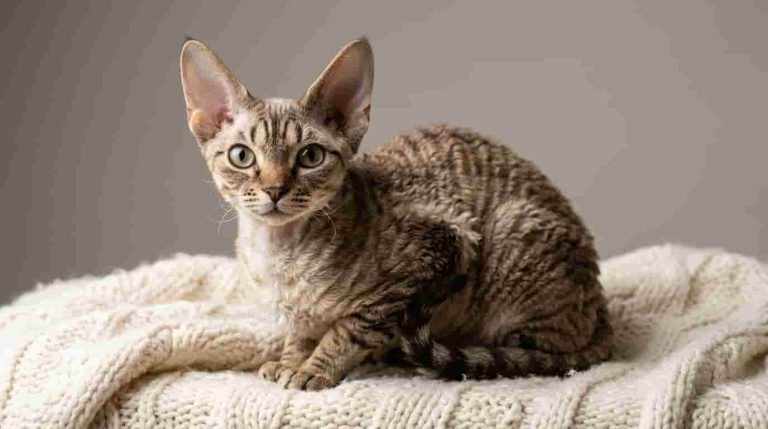

Cats Dream Like Humans — Here are the 6 facts you need to know
Introduction:
Cats dream every single night, just as you do. Have you ever watched your sleeping pet twitch their whiskers or move their paws? This movement often signals that the cat subconscious is active and busy. While they rest, they cycle through various sleep stages that mirror our own. Because understanding these feline sleep patterns helps us appreciate our pets, let us dive into the science behind their rest.
You might wonder what your feline friend experiences while they snooze. Since Cats’ Brains Are More Like Human Brains Than You Think, their mental activity during rest is surprisingly complex. Researchers believe that kittens and adult cats use this time to process their daily experiences. This article reveals 6 key facts about the hidden world of feline dreaming.
6 Facts About How Cats Dream

Understanding feline dreaming requires a look at their biology. They spend a significant portion of their day asleep to recharge for their next adventure. Here are 6 facts that will change how you view your sleeping companion.
- They enter REM sleep: Just like humans, cats experience Rapid Eye Movement, which is when they dream.
- They relive their day: Scientists believe they process hunting, playing, and social interactions during their rest.
- Physical signs give them away: Twitching paws, moving eyes, and soft vocalizations indicate active dream states.
- Age influences dreams: Kittens dream more frequently than adults because they constantly learn new survival skills.
- They prioritize safety: Cats only enter deep rest when they feel completely secure in their environment.
- Dreams support memory: Resting helps them store what they learned during their waking hours.
Exploring Cat Sleep Patterns and REM
To know if cats dream, we must look at their sleep cycles. They alternate between light dozing and deep, restorative slumber. During the deep phase, their brain waves resemble our own during our dream cycles. Experts at VCA Animal Hospitals note that this deep rest is crucial for their overall health.
When they reach this stage, you might notice their eyes moving beneath closed lids. This feline dreaming behavior is a classic sign of active brain processing. It is fascinating to realize that our pets have a rich inner life while they nap. They are not just resting; they are busy organizing their memories.
The Mystery of the Cat Subconscious

Do you ever wonder if your cat knows you are there while they sleep? They remain highly aware of their surroundings even in a light sleep. However, they fully disengage when they trust their home completely. This level of comfort shows they see you as a safe protector.
You may also want to explore Cats see humans as giant: 6 facts about how your cat see you to understand this bond further. Because they feel safe, they can dive into their cat fantasy world without fear. They trust that you will guard them while they drift away. This deep trust forms the basis of a happy human feline relationship.
Interpreting Cat Dreaming Behavior
Many owners ask if cats dream about hunting or chasing toys. While we cannot ask them directly, their movements suggest they are acting out these scenarios. Perhaps your cat wiggles their tail as if they spot a bird. This dreaming behavior is a wonderful window into their wild instincts.
Furthermore, they might also dream about their favorite humans. Because Cats vocal change : Why Some Cats Sound Like Human Babies shows they communicate specifically with us, it is likely they dream about our voices. They clearly value our presence even in their slumber. Everything they do reinforces the strong connection between us.
Decoding the Cat Dream World

You might try to analyze your cat sleep stages by observing their position. A curled up ball suggests they feel cozy and warm. However, a relaxed belly up posture means they feel entirely secure. Each position offers a clue about their current sleep cycle.
Additionally, pay attention to any sounds they make. A soft meow or a chirp might be a response to something in their dream. Although we cannot perform true cat dream analysis, observing these moments brings us closer to them. It is a simple way to participate in their quiet life.
Supporting Healthy Feline Sleep Patterns
Every cat needs a quiet place to retreat for their naps. Provide soft bedding in a low traffic area of your home. This helps them transition smoothly into their dream state without interruptions. When they rest well, they feel more confident during their waking hours.
Also, try to keep their environment predictable and calm. Because they are sensitive to stress, sudden noises can disrupt their cycle. As a result, they may not get enough restorative rest. A happy, well rested cat is always a more playful and loving companion.
The Connection Between Dreams and Memory
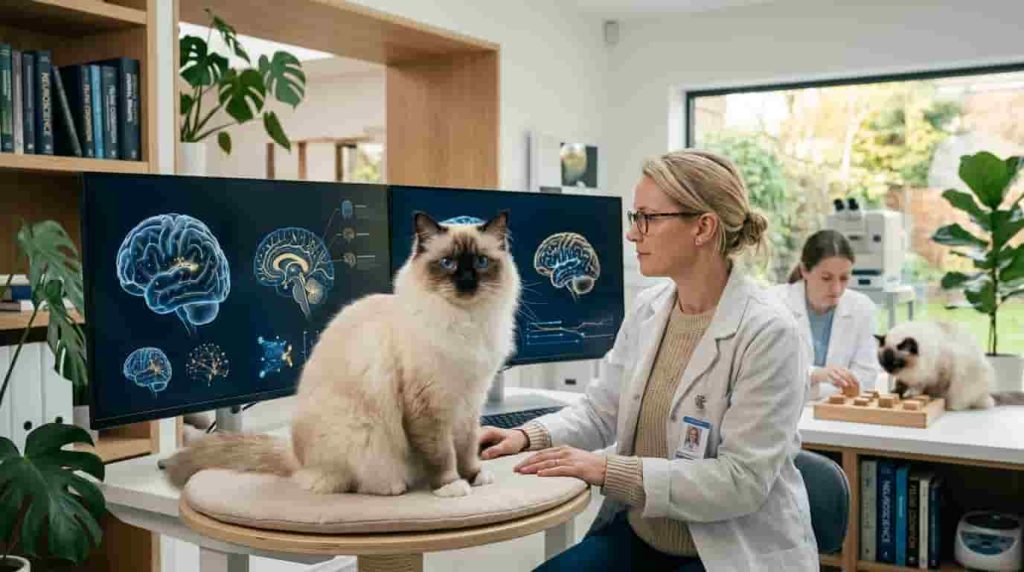
Researchers believe that dreaming helps cats consolidate what they learn. If you taught your cat a new trick today, they might practice it in their mind tonight. This process of memory storage is essential for their growth. They are truly brilliant creatures with active, intelligent minds.
Moreover, their dreams likely help them refine their survival skills. Even house cats retain a strong link to their predatory ancestors. Their nighttime activities are a way to maintain those sharp instincts. We should respect this natural, ancient process that occurs every night.
Why Your Cat Needs You

Even though cats are independent, they rely on our care for a healthy sleep life. We provide the safety that allows them to drift off peacefully. When you provide a calm home, you contribute to their well being. It is a simple but vital part of being a great pet parent.
In conclusion, knowing that cats dream adds a new layer of wonder to our lives. We share our homes with intelligent, emotional animals who process their world just like we do. Take a moment to watch your cat snooze today and appreciate their complex, beautiful mind. How does your cat behave when they are deep in a dream? We would love to hear your stories in the comments!
Frequently Asked Questions
Yes, cats cycle through REM sleep phases just like humans, which is when they dream. Their brain activity during these phases shows remarkable similarities to our own.
While we cannot know for sure, they likely dream about hunting, playing, and their daily interactions with us. They seem to process their waking experiences during their rest.
Watch for whiskers twitching, paws moving, or soft sounds while they sleep. These physical signs often indicate that your cat is in an active dream state.
Yes, kittens spend more time dreaming because they are learning constantly. This dream time is essential for developing their brains and survival skills.
It is best to let them sleep peacefully. Waking them suddenly can startle them and disrupt their important restorative sleep cycle.