Cats vocal change : Why Some Cats Sound Like Human Babies
Introduction:
Cats vocal change behaviors often leave owners feeling confused or even startled. Have you ever heard your pet let out a cry that sounds exactly like a human baby? This strange sound is a classic example of cats vocal change in action. Many owners wonder if their cat is sick or simply being dramatic. Feline vocalization often evolves to get our attention because cats know we respond best to baby like sounds.
Your cat likely treats you as a parent figure in their life. You might enjoy reading about how Cats see humans as giant: 6 facts about how your cat see you to understand this dynamic. This relationship influences how they use meowing variations to request food or affection. Because cats want us to listen, they adapt their vocal pitch to mimic human infants.
Why Your Cat Mimics Human Sounds
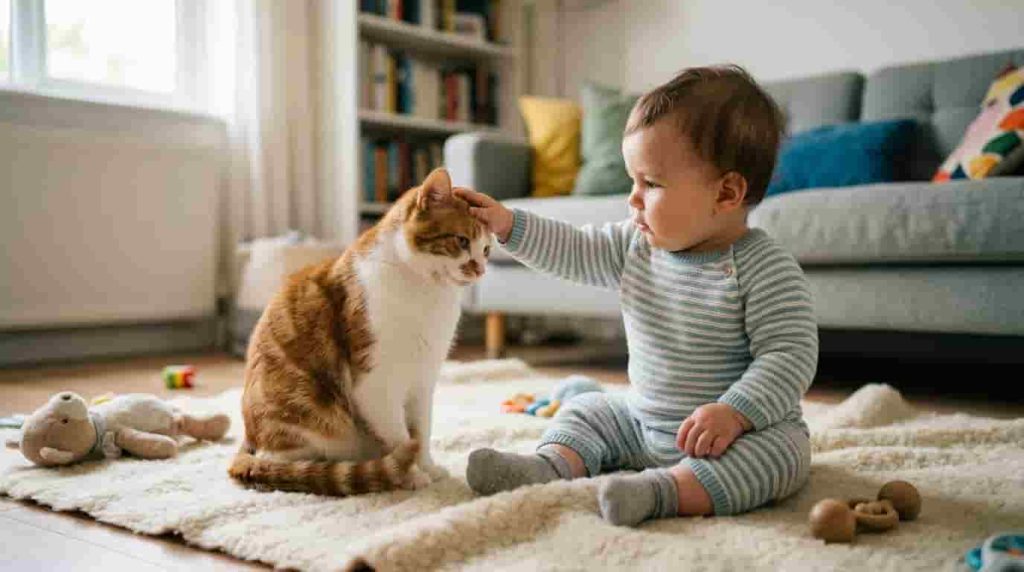
When you observe a sudden cats vocal change, you are witnessing high level communication. Cats use their meows primarily to talk to people rather than other cats. Through evolution, these smart animals learned that humans react quickly to high pitched, urgent cries. This cat meow language serves as a clever tool to secure your focus.
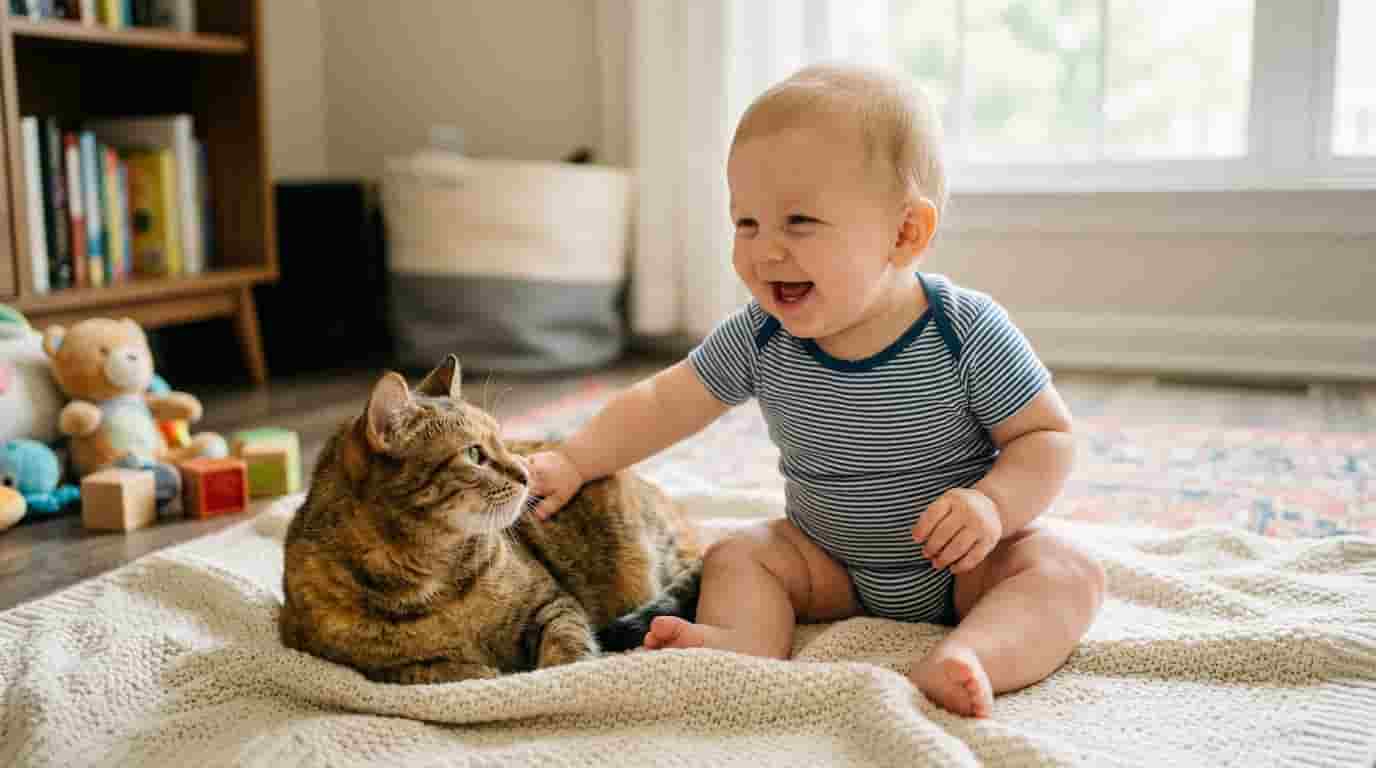
Think about how you react when a baby cries. You probably feel an immediate urge to check on them or offer comfort. Cats know this instinct exists in us. Consequently, they adjust their cat vocal pattern adjustment to mirror those specific frequencies.
Decoding Feline Vocalization Types

Not all cats sound the same when they communicate. You might notice your pet shifts their cat sound transformation depending on the time of day. For example, a morning cry often sounds more demanding than an evening chirp. Experts at PetMD suggest that paying attention to context helps you understand these meows better.
If your cat makes a sound like a human baby, they usually want something specific. Perhaps they need an extra scoop of dinner or a clean litter box. This feline vocalization is just one way they manage their environment. Understanding cat sounds requires patience and observation over time.
- Listen for the intensity of the cry.
- Check if their body language shows tension.
- Observe if they lead you toward their food bowl.
When to Worry About Vocal Patterns
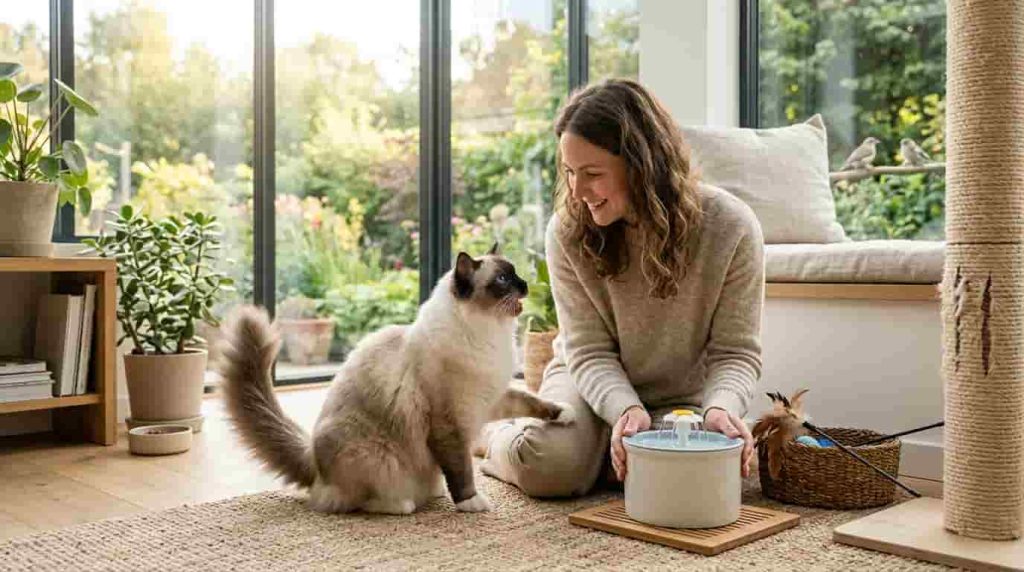
Sometimes a cats vocal change indicates an underlying health issue rather than just a request for treats. If your cat usually stays quiet but suddenly starts crying, please consult your veterinarian. Sudden vocalization in cats can signal pain, stress, or thyroid issues. You should rule out physical problems before assuming it is just a behavioral quirk.
It is important to remember that Cats’ Brains Are More Like Human Brains Than You Think and they feel emotions deeply. If your cat feels anxious, their cat meowing behavior might become more frequent or intense. They also experience complex mental states, much like we do. Interestingly, research shows Cats Dream Like Humans — Here are the 6 facts you need to know and their nightly activity might affect their daytime mood.
Examining Cat Meow Modification
Every pet owner has a unique experience with their cat meow modification. Imagine you are working from home and your cat suddenly cries like a baby to demand playtime. This is a common scene for many of us. You stop your work because the sound is too urgent to ignore.
The cat successfully manipulated the environment to get what they wanted. This shows how skilled they are at feline vocalization variation. They continuously learn which sounds get the best results from their favorite humans. Furthermore, they store these memories to use later.
How Cats Communicate Their Needs
The way cats communicate relies heavily on vocal signals. While they use scent and touch, their voice remains the most direct way to get an answer. A cats vocal change is a dynamic process that grows as the cat ages. Younger cats might experiment with more sounds than older, more established pets.
If you want to decode cat vocalizations, keep a log of when your cat makes specific sounds. Does a specific meow always happen before you open a can of food? Does a different cry occur when they want to go outside? This helps you learn their personal dictionary of noises.
Practical Tips for Cat Owners
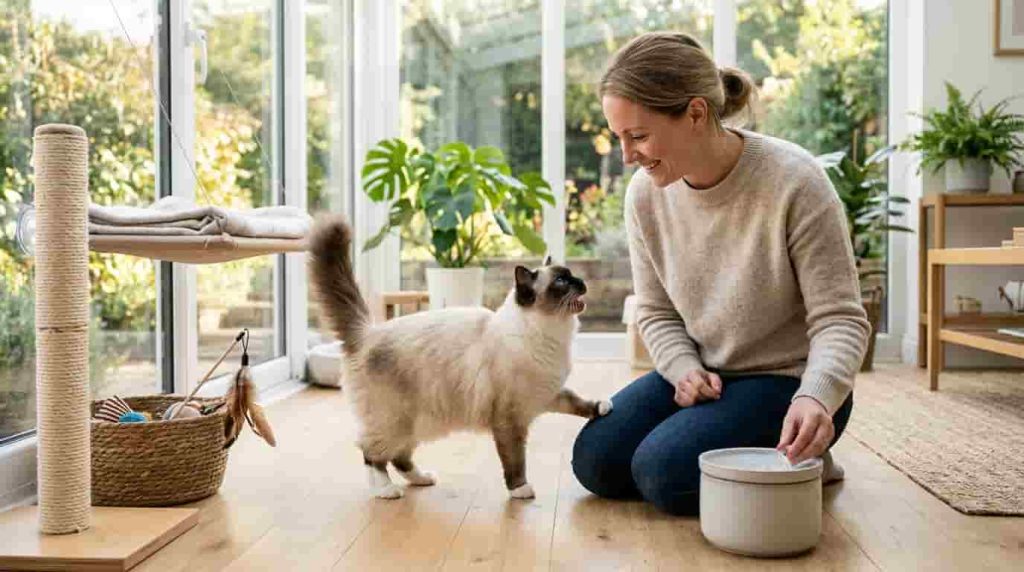
First, maintain a calm environment to reduce unnecessary stress. Second, provide consistent enrichment so your cat does not feel bored. If you keep their routine stable, you will notice fewer erratic sounds. Finally, reward them for using quieter signals instead of loud, baby like cries.
- Provide puzzle toys to keep their minds active.
- Use positive reinforcement when they interact quietly.
- Monitor their weight and energy levels regularly.
Cornell University College of Veterinary Medicine notes that social interaction is vital for indoor cats. Because they spend so much time with us, they naturally mirror our domestic routines. This adaptation explains why their vocal behavior becomes so human centric over time.
The Evolution of Feline Sound

We often think of meowing as a static behavior, but it is actually quite fluid. A cats vocal change reflects their desire to maintain a strong bond with you. When they sound like a baby, they are effectively bridging the gap between two species. This shows how deeply they have integrated into our homes.
Their vocalization evolution is a testament to their intelligence. They are not just making noise; they are performing a calculated social maneuver. We should appreciate the effort they put into talking to us. Every meow is a bridge to better understanding between you and your companion.
Conclusion
Cats vocal change behavior is a fascinating look into how our pets see us. When your cat sounds like a human baby, they are simply trying to communicate in a way they know you will understand. By observing their needs and providing proper care, you can build a deeper connection with them. Always monitor for sudden shifts in health, but otherwise, enjoy the unique language you share. Have you noticed your cat making these specific baby like sounds? Please share your experiences and stories in the comments below!
Frequently Asked Questions
Cats often mimic the high pitched frequency of a human baby to get our attention. They learned that humans respond quickly and effectively to these urgent, infant like sounds.
Not always, but sudden and extreme changes can indicate pain or stress. If your cat starts crying unexpectedly, it is wise to schedule a vet visit.
Pay attention to the situation and your cat’s body language when they meow. Over time, you will learn to associate specific sounds with their needs like food or play.
Adult cats mostly use meows to communicate with humans rather than other felines. They primarily use scent, body posture, and hissing to talk to other cats.
Yes, you can encourage quieter behavior by ignoring loud demands and rewarding calm interactions. Consistent routine also helps reduce their need to cry for attention.