Cat Plane Travel: Rules for flying with a cat in the cabin.
Introduction:
Cat Plane Travel presents a unique set of challenges for any pet parent. You probably wonder how your feline friend will handle the journey. Will they stay calm during takeoff? Can they handle the sights and sounds of a busy airport?
These questions often keep owners up at night before a big trip. You want your pet to stay safe and comfortable by your side. Fortunately, flying with a cat in the cabin is entirely possible with the right preparation.
Understanding Cat Plane Travel Regulations
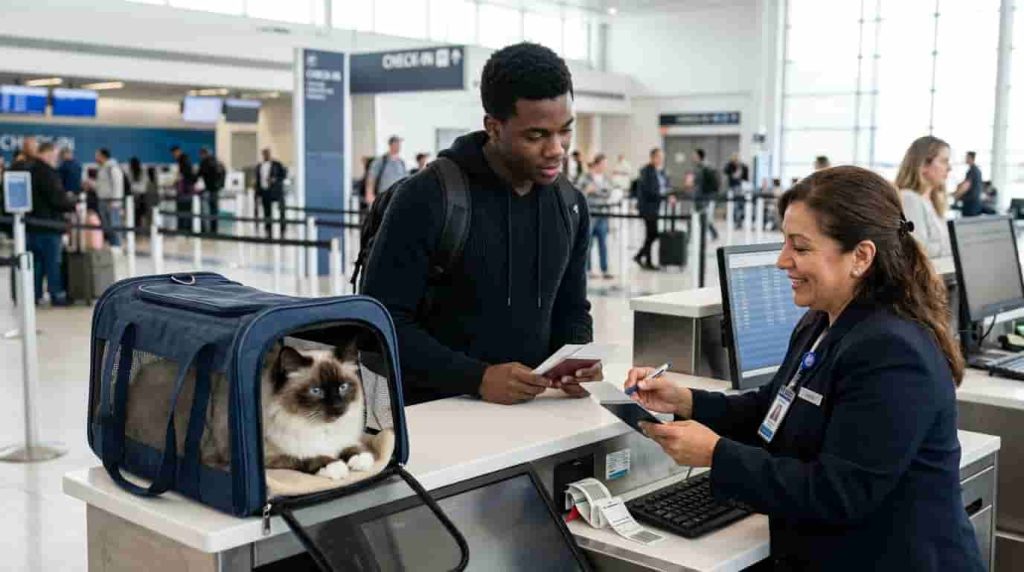
Cat Plane Travel requires strict adherence to specific rules set by carriers. Most pet-friendly airlines allow small cats to travel inside the cabin. However, you must book their spot well in advance.
Airlines limit the total number of animals allowed on each flight. Therefore, you should call the airline immediately after booking your own ticket. This step secures your pet’s place on the plane.
Furthermore, you must understand the exact requirements for your chosen airline. Each company maintains different rules regarding weight and size limits. You can find detailed guidance on ASPCA regarding safe transit protocols.
Essential Documentation for Flying With Cats
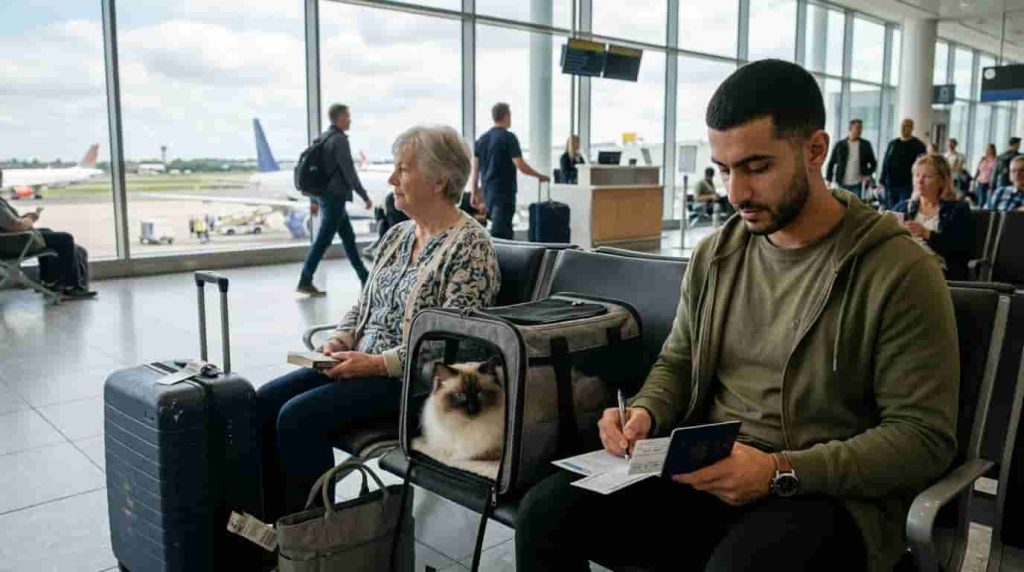
You cannot simply walk onto a plane with your cat. You need proper paperwork to ensure smooth processing at the gate. First, obtain a health certificate from your veterinarian.
This document must state that your cat is healthy enough to fly. Additionally, bring proof of up to date rabies vaccinations. Some states or countries require specific permits for entry.
Always keep these documents in a dedicated folder or a digital file on your phone. You will likely present them at the check in counter. Being organized prevents unnecessary stress during your departure.
Choosing the Best Carriers for Cats
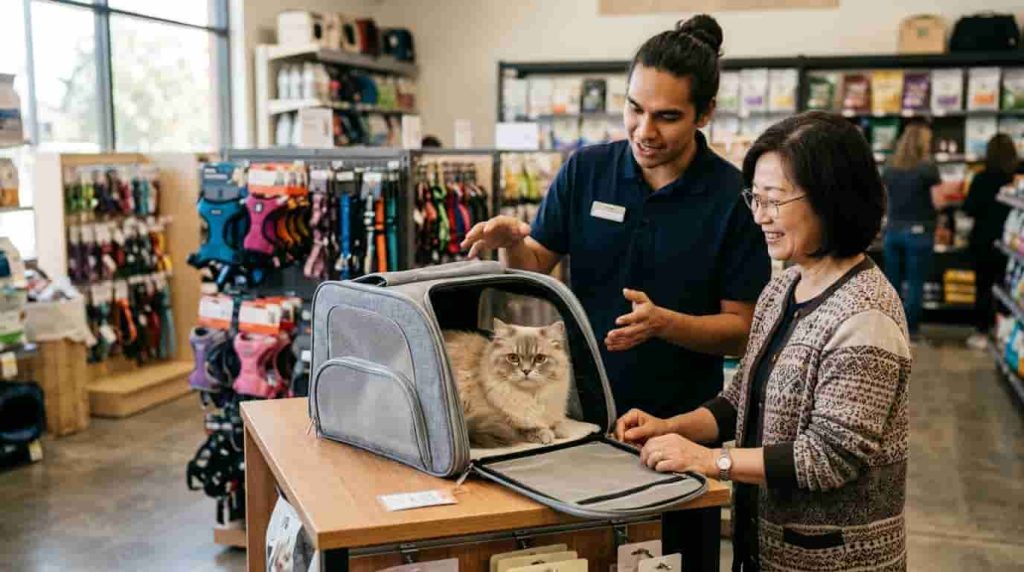
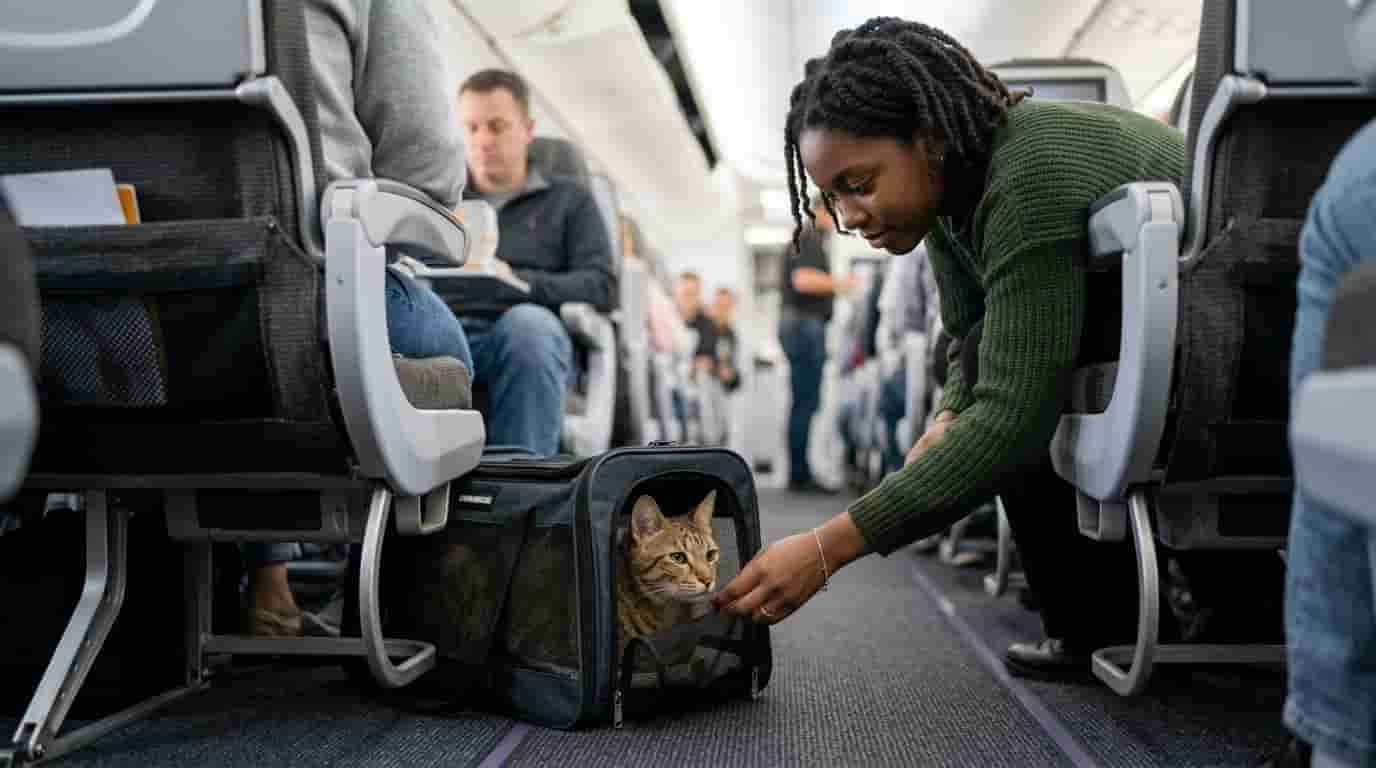
The right carrier makes all the difference during your trip. You need an approved in-cabin pet carrier that fits under the seat in front of you. Hard-sided carriers offer durability, but soft-sided ones often fit better.
Make sure the carrier allows your cat to stand up and turn around easily. Proper ventilation is also a strict requirement for airline approval. Your cat should feel secure rather than cramped inside the space.
Get your cat used to the carrier weeks before the flight. Let them sleep in it or place treats inside to build positive associations. This early training makes the actual travel day much easier.
In-Cabin Pet Travel Comfort Tips
You should prioritize comfort to keep your cat calm. Line the bottom of the carrier with a familiar blanket or an absorbent pad. This provides a soft surface and handles any accidents cleanly.
Avoid feeding your cat a heavy meal right before the flight. A light snack a few hours before departure is much better. This prevents motion sickness or nausea in the air.
Talk to your vet about calming aids if your cat gets anxious. Some cats benefit from natural pheromone sprays inside the carrier. These scents help lower stress levels during loud moments.
Navigating Airport Security With Your Cat
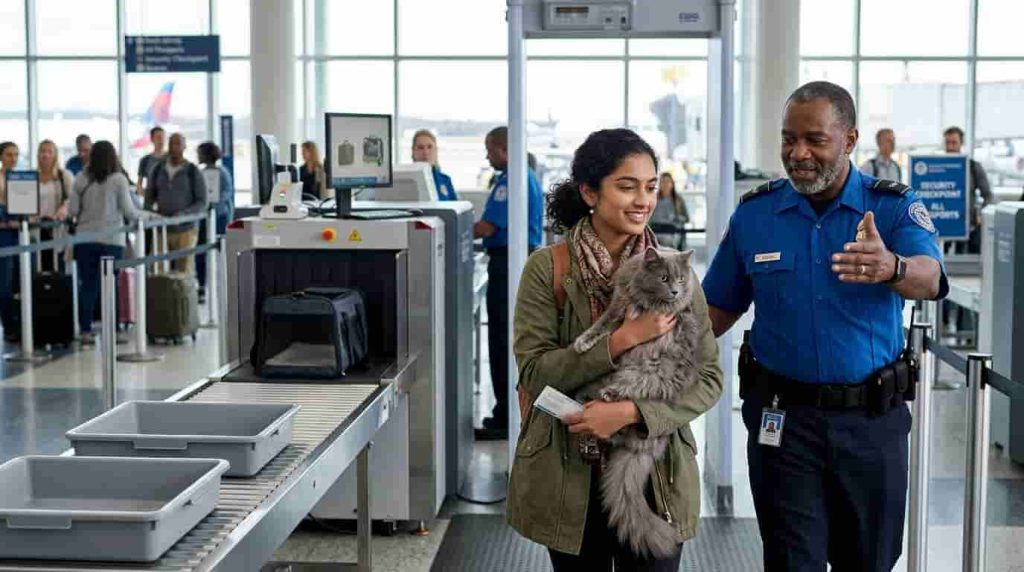
Airport security represents the most chaotic part of your journey. You must take your cat out of the carrier while it passes through the X-ray machine. This moment requires your full attention and care.
Hold your cat securely or use a harness to prevent escapes. Never try to rush this process if your cat seems terrified. You can ask a security officer for a private screening room if needed.
Once you clear security, find a quiet corner away from crowds. Let your cat settle down before you head to the gate. Maintaining a calm energy helps your cat stay relaxed as well.
Managing Layovers and Long Flights
Long travel days demand extra planning for your feline companion. If you have a layover, look for an airport pet relief area. These spaces allow your cat to stretch and use a litter box.
Always carry a portable, collapsible litter pan for emergencies. You can find small disposable options that fit inside a backpack. Taking care of these basic needs prevents discomfort for your pet.
Monitor the temperature inside the cabin closely. Planes sometimes get chilly, so keep a small blanket handy. Your cat relies on you to notice when they feel stressed.
Avoiding Common Cat Plane Travel Pitfalls
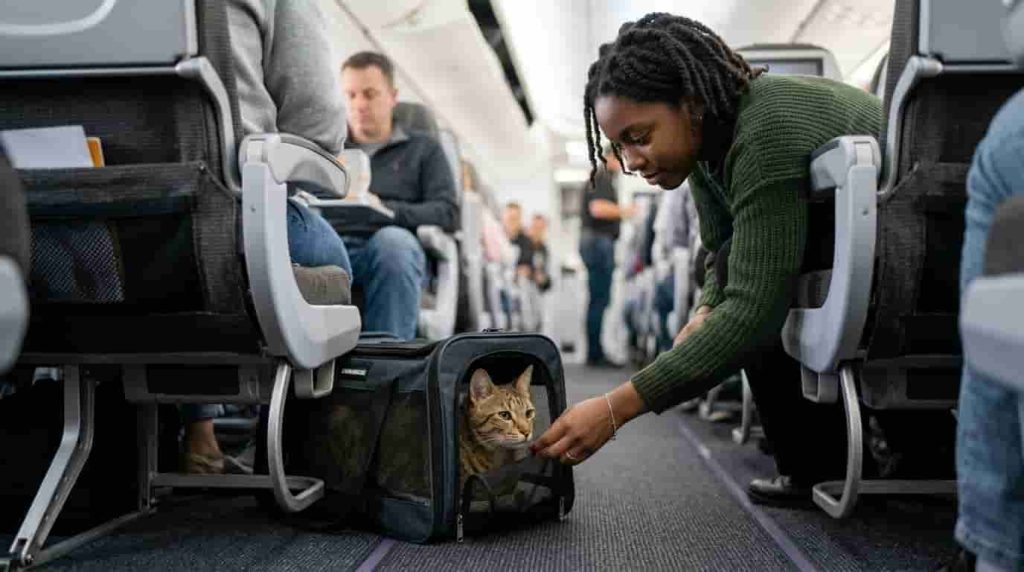
Many owners make the mistake of waiting until the last minute. You must research the specific airline pet policies thoroughly. Some airlines do not allow pets on certain aircraft types.
Additionally, avoid sedating your cat without explicit veterinary approval. Sedation can cause dangerous respiratory issues at high altitudes. Stick to natural methods like familiar scents and gentle handling.
If you enjoy traveling, you might want to look into other activities. Read Cat Boat Safety: Do cats need life jackets on the water if you enjoy aquatic adventures. You should also check out Cat Camera Monitoring: Best ways to watch your pet while at work for monitoring them when you return home.
Final Preparations for Success
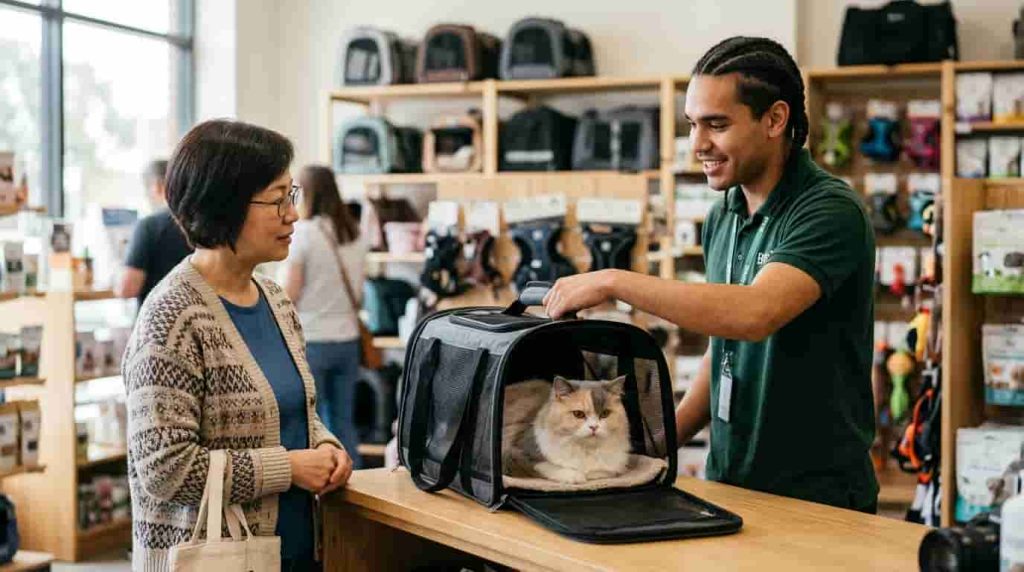
Create a checklist of your cat travel essentials. Include items like a collapsible water bowl, small treats, and a favorite toy. Having these items accessible in your carry on bag saves time.
Confirm your seat assignment matches the airline’s pet rules. Some rows do not allow under-seat storage due to emergency equipment. Double checking these details guarantees a smooth boarding experience.
Finally, stay patient with your cat throughout the entire trip. They do not understand what is happening, so your reassurance matters. Speak in a low, soothing tone whenever they seem worried.
Conclusion
Cat Plane Travel requires patience, planning, and attention to detail. You can successfully navigate the skies with your feline friend by following these steps. Focus on proper carrier training and airline compliance to ensure safety.
Remember that your preparation directly impacts your pet’s experience. By prioritizing their comfort, you make the journey enjoyable for everyone involved. Safe travels await you and your companion.
Do you have a story about flying with your cat? Please share your experience or ask questions in the comments below.
Frequently Asked Questions
Yes, most major airlines allow small cats to fly in the cabin. You must book their spot in advance and use an airline-approved carrier.
You typically need a recent health certificate from your veterinarian. You should also carry proof of up-to-date vaccinations, especially rabies.
Veterinarians generally advise against sedating cats for flights. Sedation can cause severe health risks due to changes in air pressure.
Bring a small, collapsible litter box for long layovers. You can also use absorbent puppy pads inside the carrier for the flight duration.
Some airlines restrict certain flat-faced breeds due to breathing concerns. Always check the specific animal policies of your chosen airline.