
Cat Hiding Behavior: When to Worry if Your Cat Staying out of Sight
Introduction:
Cat hiding behavior is a common issue that many pet parents face unexpectedly at some point in their lives. Are you currently searching your house because your favorite furry companion has vanished into thin air without a trace? It can be incredibly stressful when you cannot find your kitty during dinner time or regular play hours. However, cats often seek out secluded areas to rest, observe their surroundings safely, or cope with temporary household stress. Understanding this instinctual activity is essential because a sudden change in their normal routine can point to deeper problems. Let us explore the world of feline hiding habits so you can ensure your beloved companion feels perfectly secure.
Many people think felines only vanish when they feel deeply anti social or grumpy toward their human family. However, domestic felines possess strong natural instincts that cause them to seek enclosed spaces for personal security and warmth. If you want to read their emotional signals before they vanish, look closely at their physical posture. For example, you can learn to interpret their mood by reading about Cat Tail Positions: A visual guide to cats moods. By observing these physical clues early, you can easily prevent common cat behavior problems from developing in your home.
The Common Reasons for Cat Hiding in the House

You must first understand the specific reasons cats hide before you try to change their daily patterns. Felines often seek isolated areas because they feel overwhelmed by loud noises, strange guests, or sudden environmental changes. For example, vacuum cleaners and thunder storms are major cat stressors that cause instant panic in small animals. Therefore, your pet will naturally run toward dark closet floors or spaces behind heavy couches to feel safe. Additionally, introducing a new puppy or an energetic toddler can trigger an immediate bout of severe cat anxiety.
Here are the most common indoor cat hiding places:
- Dark spaces beneath master beds
- Empty cardboard delivery boxes
- Remote corners inside bedroom closets
- Tight gaps behind living room couches
- Low kitchen cabinets left slightly open
Another major factor involves cats hiding from fear when unfamiliar people enter their personal living territory. When repair workers or distant relatives visit, your timid kitty might immediately dash away to protect itself from danger. This response is completely normal cat behavior for a pet that values predictability and quiet surroundings above all else. Also, your housecat might simply seek out warm cat hiding spots to enjoy a peaceful afternoon nap undisturbed. However, you must pay attention if your pet remains completely isolated for more than twenty four hours straight.
Uncovering Secret Cat Hiding Spots
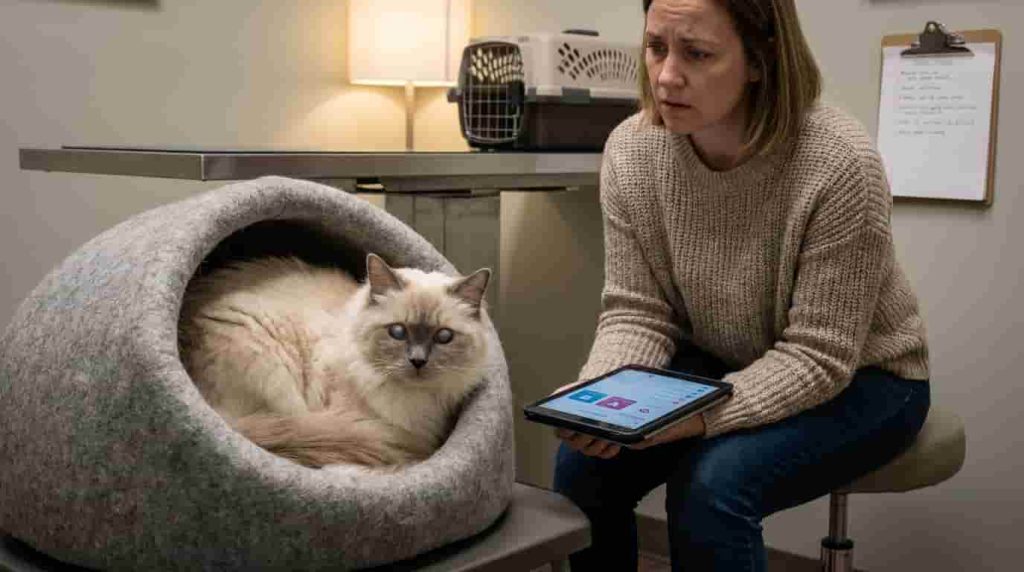
Pet owners often feel amazed by the incredibly tiny areas their animals choose for relaxation and sleep. Your furry friend might find unusual cat hiding places that you never even knew existed inside your house. For instance, they might crawl into the small space behind your clothes dryer to enjoy the comforting warmth. They also love to climb onto high kitchen shelves where they can survey their territory like wild leopards.
Furthermore, empty cardboard boxes provide an excellent sanctuary for a pet that feels slightly overwhelmed by daily household activity. These tight spaces allow your pet to conserve body heat while feeling protected on all four sides simultaneously. Understanding cat behavior means realizing that these spots provide immense comfort to an anxious or tired animal. Therefore, you should avoid pulling your pet out of these sanctuaries unless an urgent medical emergency exists.
Evaluating Signs of Cat Hiding Related to Stress
You must learn to differentiate between normal resting periods and clear signs of cat hiding caused by emotional distress. When a feline experiences chronic anxiety in cats, their physical health and daily mood suffer significantly. For example, a stressed pet might exhibit severe changes in their regular eating habits and litter box usage. They might refuse to come out for their favorite treats or leave their food bowl completely untouched all day.
Look closely for these major cat stress signs to monitor:
- Total avoidance of human family members
- Extreme flat ear positioning
- Intense dilated pupils in bright rooms
- Frequent trembling or low growling
- Complete refusal to eat or drink
Additionally, look closely at their eyes and ears when you finally locate them in their sanctuary. An anxious animal will show clear cat stress signs like wide dilated pupils and tightly flattened ears. They might also hiss softly if you try to pet them or offer a favorite toy or treat. If these symptoms continue, your companion might be developing deeper emotional problems that require targeted behavioral intervention. To understand how long term stress affects your pet, check our guide on Cat Depression Symptoms: How to tell if your pet is feeling sad.
A Real Life Example of Feline Behavioral Shifts
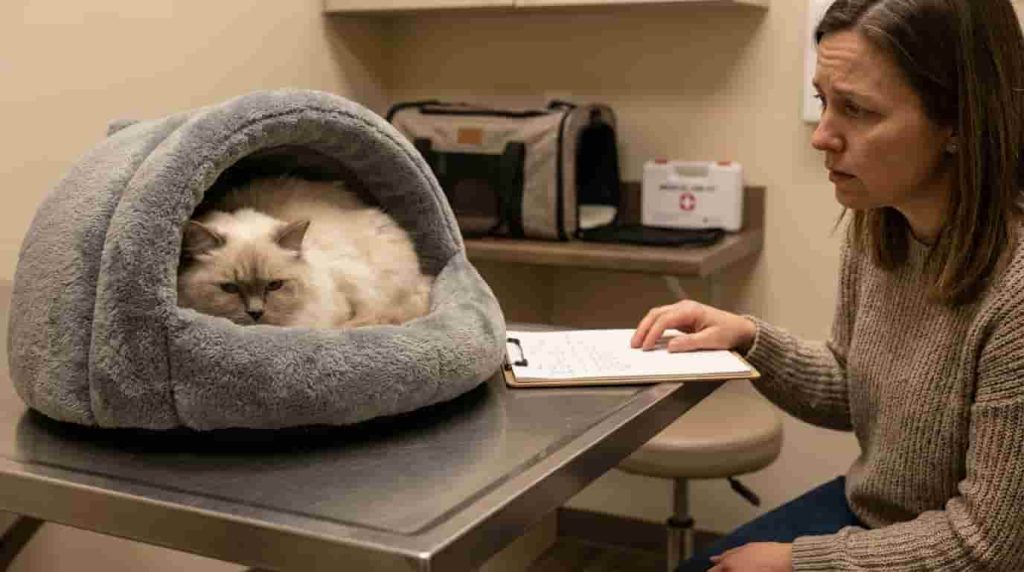
Let us look at a real life situation that many busy pet parents can easily relate to today. A dedicated owner named Mark recently moved into a large two story apartment with his older cat, Buster. Immediately after the move, Buster exhibited intense cat hiding behavior by staying in the guest bathroom closet for days. He refused to explore the new living room and growled quietly whenever Mark tried to coax him out. Mark grew deeply worried because Buster was normally a very social animal that loved sitting on laps.
Instead of forcing Buster to come out, Mark decided to place his familiar bedding and food bowls nearby. He also sat quietly near the closet door every evening while speaking in a soft, soothing, and reassuring voice. Slowly, Buster realized that the new apartment was a safe environment free from unpredictable dangers and threats. Within a single week, Buster began exploring the rooms and eventually used Cat Slow Blinking: The secret way cats say I love you to show he felt safe again.
Medical Explanations for Sudden Hiding Tendencies
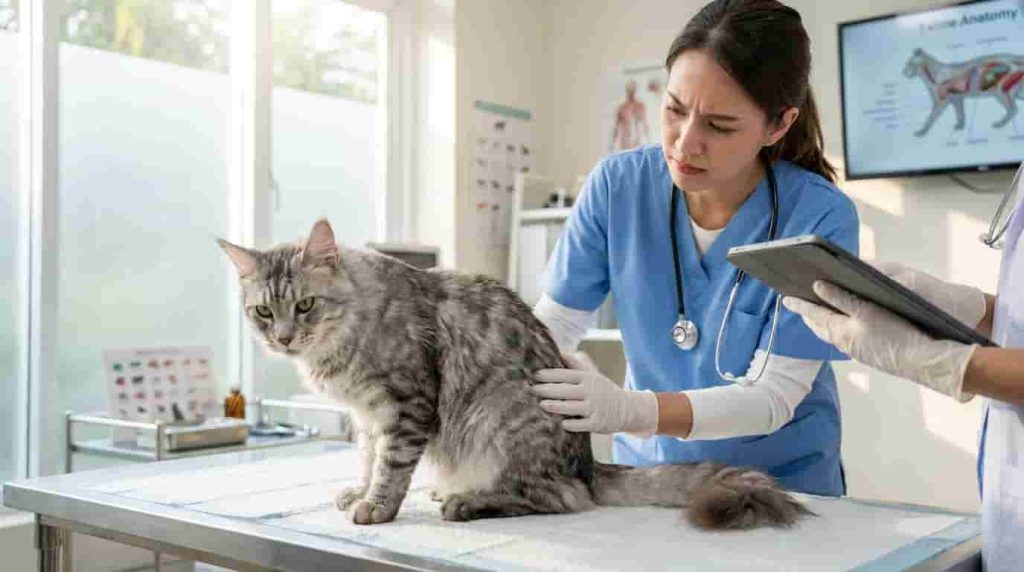
If your pet suddenly starts hiding without any environmental trigger, you must consider their physical health. According to the medical experts at PetMD, felines naturally conceal themselves when they feel sick or experience physical pain. In the wild, an injured animal must hide from larger predators to survive because vulnerability attracts immediate danger. Therefore, your domestic housecat retains this survival instinct even when living safely inside a cozy modern home.
Common medical issues like dental disease, arthritis, and urinary tract infections can cause sudden behavioral changes. If an older pet experiences joint pain, they might hide downstairs to avoid climbing difficult steps to see you. Thus, a sudden increase in isolation requires a prompt visit to your local veterinary clinic for evaluation. A veterinarian can perform a thorough physical exam to identify any hidden injuries or chronic medical conditions quickly.
How to Help a Hiding Cat Feel Secure Again
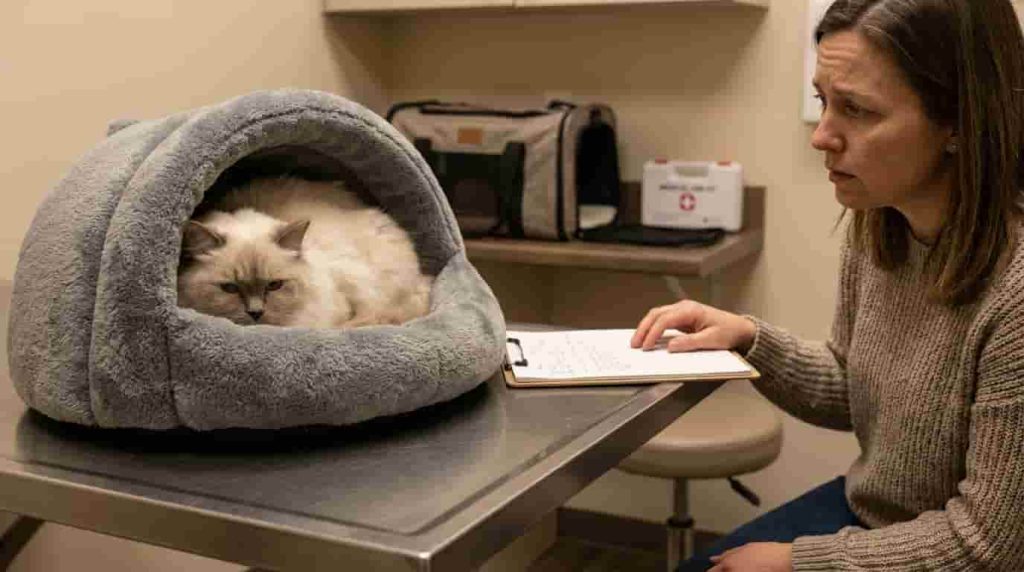
Fortunately, you can use several effective cat hiding solutions to restore peace and happiness to your home. First, you should create a dedicated safe zone equipped with soft blankets, fresh water, and a clean litter box. This area should reside in a quiet corner where foot traffic is extremely low throughout the day. Next, you can use synthetic calming pheromone diffusers to reduce environmental tension and lower general anxiety levels significantly.
Use these effective step by step solutions:
- Create a quiet and dedicated safe room
- Install synthetic pheromone plugin diffusers
- Maintain a highly consistent daily routine
- Offer high value treats near their spot
- Avoid making loud noises or sudden moves
Additionally, always let your feline companion initiate social contact with you at their own comfortable pace. Never force them out of their sanctuary because pulling them away will only increase their fear and distrust. Instead, sit quietly on the floor nearby and offer tasty treats to reward them for stepping outside safely. This gentle method builds immense confidence and teaches your pet that exploring the house brings wonderful rewards. With time, your furry friend will feel brave enough to abandon their dark sanctuaries and rejoin the family.
Conclusion
In summary, cat hiding behavior is a complex issue that requires careful observation, deep patience, and unconditional love. By identifying the primary reasons cats hide, you can easily determine if your pet needs veterinary assistance or emotional support. Remember to respect their secret spots while working diligently to remove major stressors from their daily environment. Providing a quiet sanctuary and a predictable routine will help your pet feel incredibly safe, loved, and confident again. Your consistent care will eventually encourage your favorite feline companion to spend more time relaxing openly by your side.
Has your favorite feline companion ever vanished into a secret spot inside your house for a long time? What helpful methods did you use to make your pet feel secure enough to come out safely? Please share your wonderful experiences, clever tips, and stories in the comments section below!
Frequently Asked Questions
Your pet might hide suddenly due to sudden environmental stress, loud noises, or an underlying medical condition. Because felines hide physical pain instinctively, you should monitor them closely for any other signs of illness. If the behavior continues without a clear reason, schedule a veterinary visit to ensure they are healthy.
Scared cats typically look for dark, cramped, and quiet places where they feel completely protected from potential dangers. Common indoor sanctuaries include spaces beneath low beds, inside master bedroom closets, and behind large living room couches. They may also climb onto high shelves or hide inside empty cardboard delivery boxes.
You can let a frightened pet hide for a few hours to calm down after a stressful event. However, you must intervene if your companion remains isolated for more than twenty four hours without eating or drinking. Prolonged fasting can lead to serious feline health complications like fatty liver disease.
No, you should never forcefully drag your pet out of its chosen sanctuary because doing so increases fear. Forcing the animal can damage your personal bond and cause them to find even more remote spots to avoid you. Instead, use tasty treats and a soft voice to entice them out naturally when they feel ready.
You can make your home welcoming by maintaining a strict, predictable daily schedule for feeding and active playtime. Provide plenty of elevated perches, cozy cardboard boxes, and quiet safe zones where your pet can relax undisturbed. Additionally, minimize loud noises and use calming pheromone diffusers to lower overall stress levels in the house.