
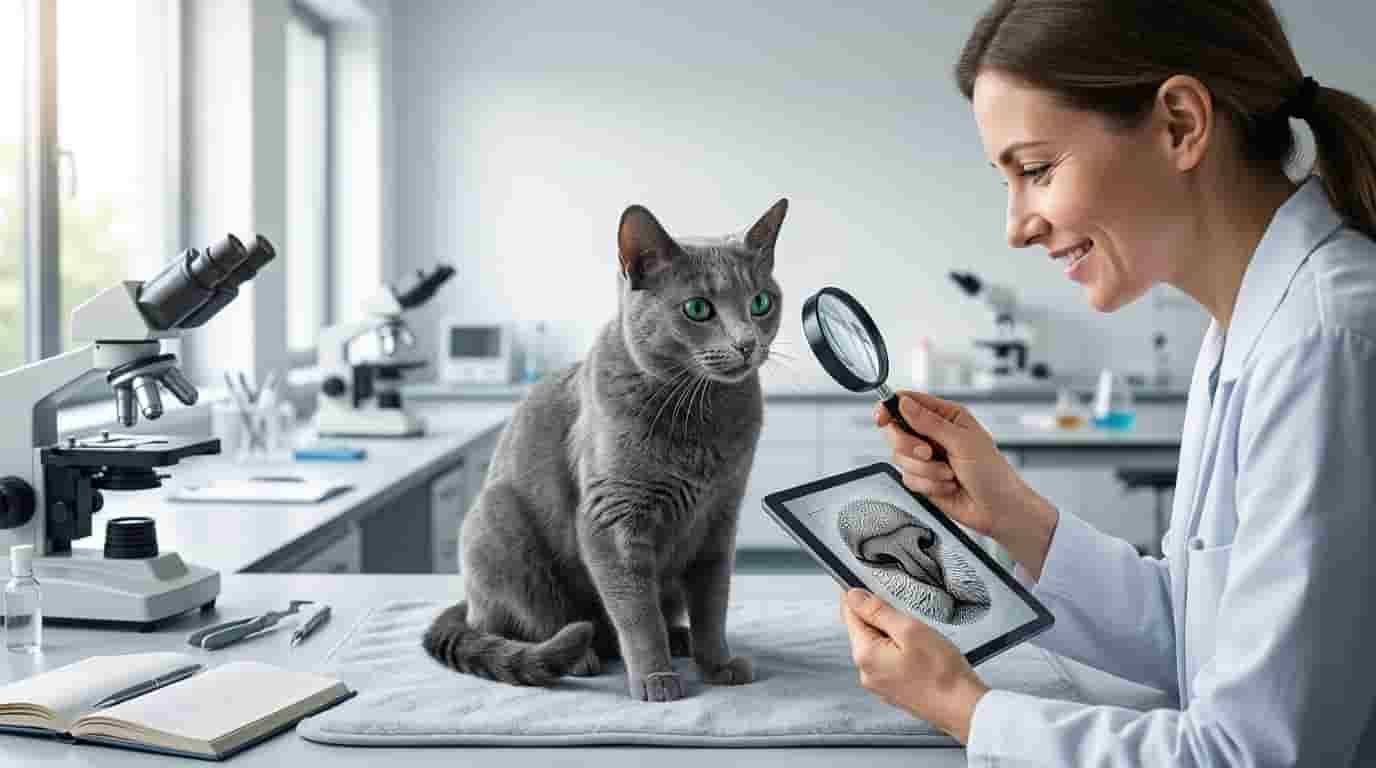
Cats Can See in Six Times Less Light Than Humans, Study Explains
Cat night vision allows your pet to see in six times less light than humans. Researchers recently confirmed this staggering visual advantage. Cats possess a specialized layer behind their retinas that reflects light. This anatomical feature improves their ability to hunt during twilight. Scientists mapped how this system functions to explain why your cat navigates dark rooms with such ease.
Understanding How Cat Night Vision Works

The secret lies in a reflective layer called the tapetum lucidum. It acts like a mirror behind the retina. Light passes through the photoreceptors once and hits the mirror. Then, the light bounces back through the eyes a second time. This process effectively doubles the chances of capturing dim light. Therefore, cats see clearly when humans struggle to perceive basic shapes.
According to VCA Animal Hospitals, feline dark vision remains superior because of this structure. Their eyes also contain a higher number of rod cells. Rods detect motion and light intensity rather than fine detail. As a result, cats excel at identifying moving prey in shadows. Many owners notice their cat staring at nothing. In reality, the pet likely sees tiny movements that remain invisible to us.
Why Feline Night Vision Matters for Pet Owners
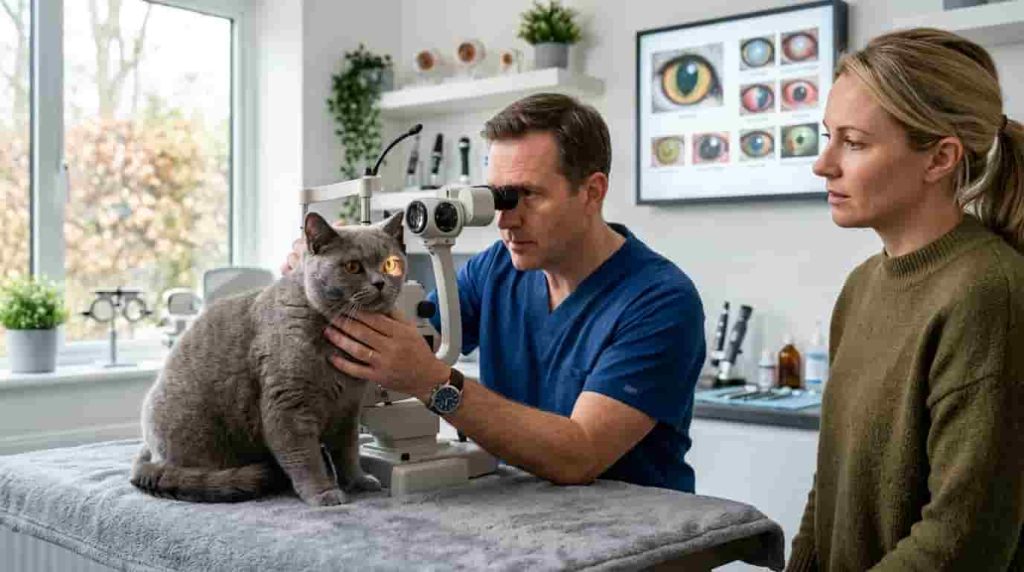
Your cat uses this power to explore your home at midnight. Understanding how do cats see in the dark helps you provide better care. You must respect their biological need to stalk and pounce. Perhaps your cat sprints through the hallway at 3:00 AM. This behavior reflects their natural desire to utilize their hunting tools.
Furthermore, you might consider using a cat night vision camera to watch them. These devices help you monitor their late night activities. However, you do not need special supplements or tools to improve their sight. Their eyes already perform at peak efficiency. If you notice your cat bumping into furniture, seek a vet’s opinion. They might have a medical issue affecting their vision.
Sometimes, physical changes reveal health problems. For example, New Research Reveals Why Some Cats’ Eye Color Changes suggests we must watch for subtle shifts. Staying alert keeps your feline friend safe and happy.
Context on Feline Dark Vision Evolution
Domestic cats evolved from desert hunters who relied on low light. Their ancestors needed excellent skills to catch small rodents. Scientists often study the skeletal system to understand their agility. For instance, Scientists Explain Why Cats Have More Bones Than Humans to support their predatory lifestyle.
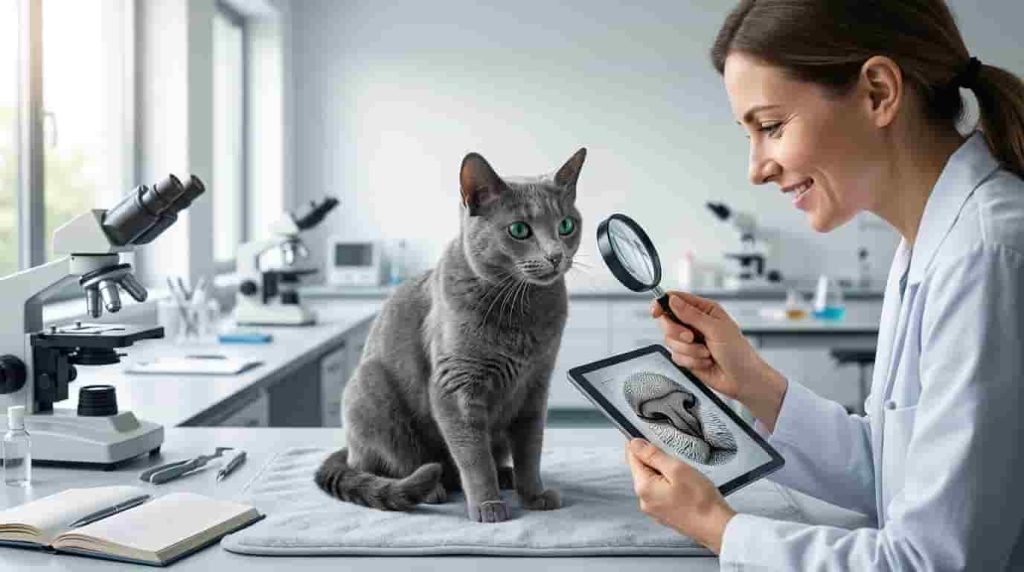
Everything about their anatomy serves a specific purpose. Cats also have unique identifiers on their faces. Surprisingly, Scientists Say Every Cat Has a Unique Nose Print for identification. These studies show how complex your house cat really is. Their vision stands out as their most impressive sensory asset.
Caring for Your Cat at Home

You should keep your home environment consistent for your pet. Since they see so well in low light, they do not need bright lights at night. Consider providing soft night lights if your cat is elderly. This helps them navigate if their vision starts to fade.
Additionally, provide plenty of enrichment toys. Use items that mimic small prey to stimulate their natural instincts. Finally, schedule yearly exams with your vet. A healthy cat maintains excellent cat night vision for many years. Please share this report with your fellow pet lovers! Follow our channel for more updates on animal behavior.
Frequently Asked Questions
Cats require six times less light than humans to see because of their reflective eye structure.
No, they do not need infrared light because their eyes naturally amplify available light in dark spaces.
No, cats cannot see in complete darkness, but they function perfectly in very low light conditions.