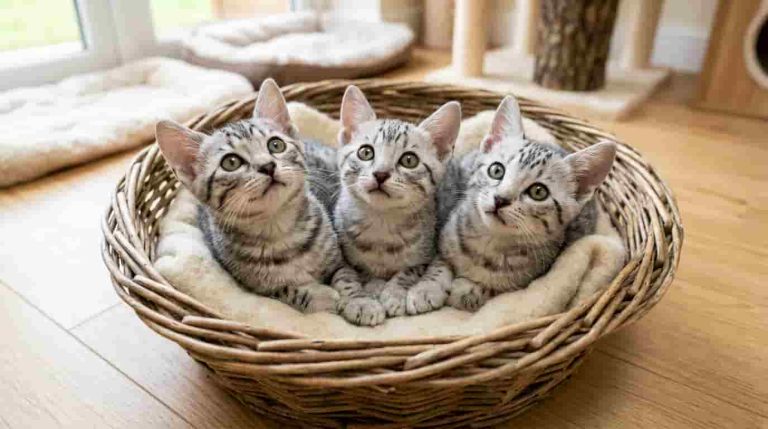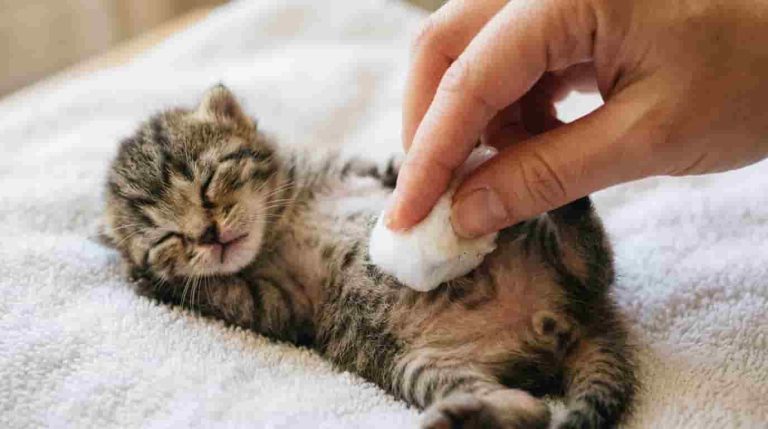
Cat Milk Myth: Why cows milk is actually bad for felines.
Introduction:
The Cat Milk Myth remains one of the most stubborn and widespread misconceptions in the history of domestic pet ownership. Have you ever poured a fresh saucer of grocery store dairy for a stray kitten outside your kitchen door? Many well meaning owners share this rich treat because classic children books always show felines happily lapping up cream. However, acting on this classic Cat Milk Myth can cause severe digestive distress and painful stomach cramps for your pet.
This professional guide will examine how standard commercial dairy treats interact with the delicate biology of adult companion animals. First, we will show you the exact physical science behind widespread feline lactose intolerance issues across different breeds. Next, you will discover the hidden metabolic dangers of feeding fatty dairy products for cats as regular food supplements. Finally, we will share safe cat milk alternatives to satisfy your companion’s natural curiosity without triggering any illness.
Protecting your pet requires moving past outdated traditions to embrace accurate modern feline health facts based on veterinary science. Let us dive deep into the specific mechanics of the Cat Milk Myth to optimize your daily care routines.
Debunking the Cat Milk Myth: The Science of Feline Lactose Intolerance
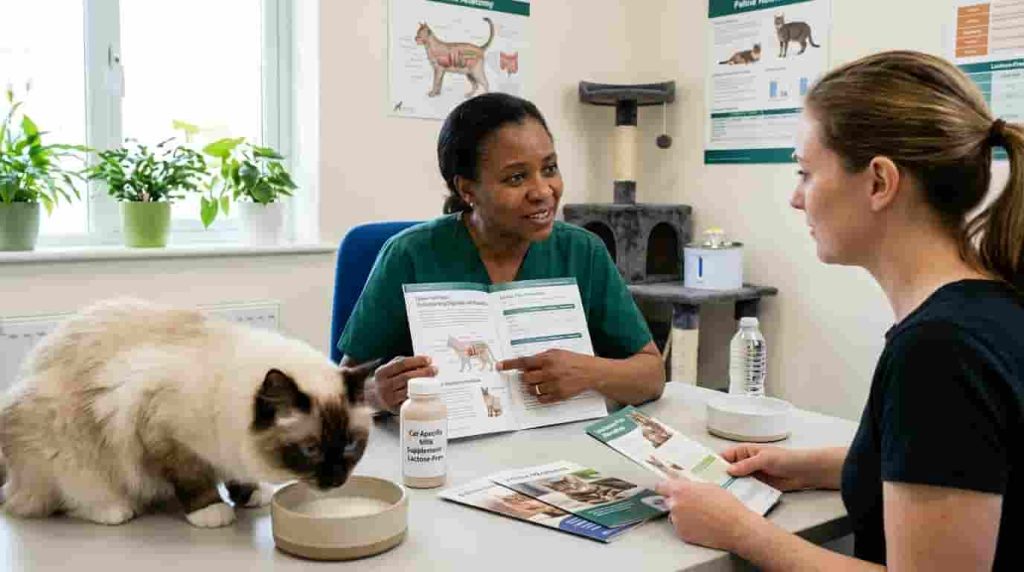
Debunking the cat milk myth requires looking closely at how an animal’s digestive tract changes after weaning from mother milk. Young kittens produce high amounts of an essential digestive enzyme called lactase during their first few weeks of life. This natural enzyme breaks down the complex lactose in cat milk so their tiny bodies can absorb the nutrients. Therefore, nursing infants rely entirely on their mother customized milk to survive and grow strong skeletal systems during infancy.
Additionally, as felines mature into adulthood, their internal production of the vital lactase enzyme drops off very sharply. As a result, older companion animals completely lose the physical ability to digest complex sugars found in standard cow milk. This biological change means that dairy and cats form an incredibly poor combination for long term wellness across all breeds. Many people assume their pets are perfectly fine just because they display high enthusiasm while drinking a creamy treat.
However, the undigested sugars pass into the large intestine where they ferment and attract massive amounts of excess water. This internal chemical reaction triggers painful bloating, severe gas, and explosive diarrhea within twelve hours of drinking the fluid. This clear biological breakdown proves why the common myth about cats drinking milk remains dangerous for household pets. Let us examine how the chemical layout of different milk types compares to help you protect your pet.
| Nutrient Component | Natural Queen Cat Milk | Standard Commercial Cow Milk | Feline Metabolic Suitability |
| Protein Content | Very high density for rapid growth | Moderate levels tailored for large calves | Felines require unique meat proteins to thrive |
| Lactose Percentage | Low levels easily processed by kittens | High concentrations that trigger stomach distress | Causes severe digestive upset in adult animals |
| Fat Molecule Size | Small droplets optimized for fast absorption | Large complex globs that strain the pancreas | Excess fats lead to obesity and liver issues |
The Compounding Dangers of Hidden Calories and Pancreatic Inflammation
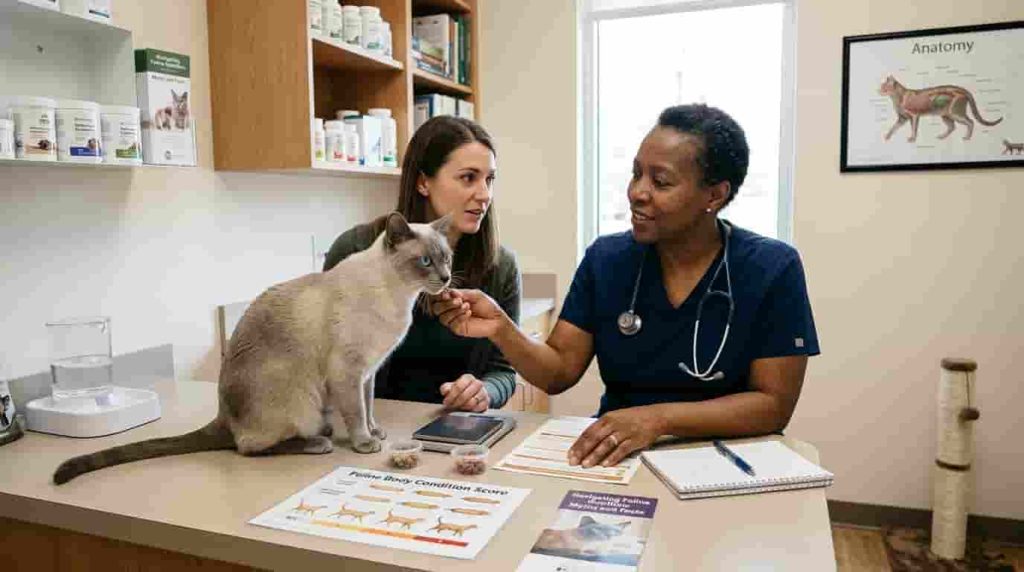
Failing to understand the full scope of the Cat Milk Myth can lead to serious metabolic issues for indoor animals. Dairy products contain massive amounts of hidden calories that can quickly destroy a carefully structured healthy pet lifestyle plan. To learn how to structure proper meal sizes, read our guide on Cat Feeding Schedules: Should you free feed or use set times right now. Managing their daily food intake prevents your pet from experiencing rapid weight gain and dangerous lethargy issues.
Furthermore, a local pet owner named Chinedu noticed his adult tabby cat throwing up frequently every Saturday afternoon. He realized that his younger sister was giving the animal a small bowl of whole milk during weekend breakfasts. He quickly checked our detailed article on Cat Picky Eaters: How to get a stubborn cat to try new food to fix this bad habit. Providing a steady diet of balanced carnivore treats stopped the painful vomiting cycles completely within a few days.
Consequently, his happy pet regained its normal daily energy because its stomach was no longer processing toxic dairy fats. This real life household transformation shows how eliminating popular cat myths can protect your pet’s long term health directly. Let us look at how reading packaging labels can further assist you in avoiding dangerous dietary mistakes.
Analyzing Commercial Ingredient Panels to Protect Sensitive Digestive Tracts

Selecting the safest food options requires looking past clever marketing designs to read the actual nutrient data provided. Many cheap store treats hide dairy bi products under confusing names that can easily trigger lactose sensitivity in cats. To protect your friend, check our advice on Cat Food Labels: How to spot the best ingredients for health today. Learning to find real meat sources ensures your companion avoids the filler ingredients that cause chronic gut inflammation.
Safe Milk for Cats: Discovering Lactose-Free Cat Milk Alternatives
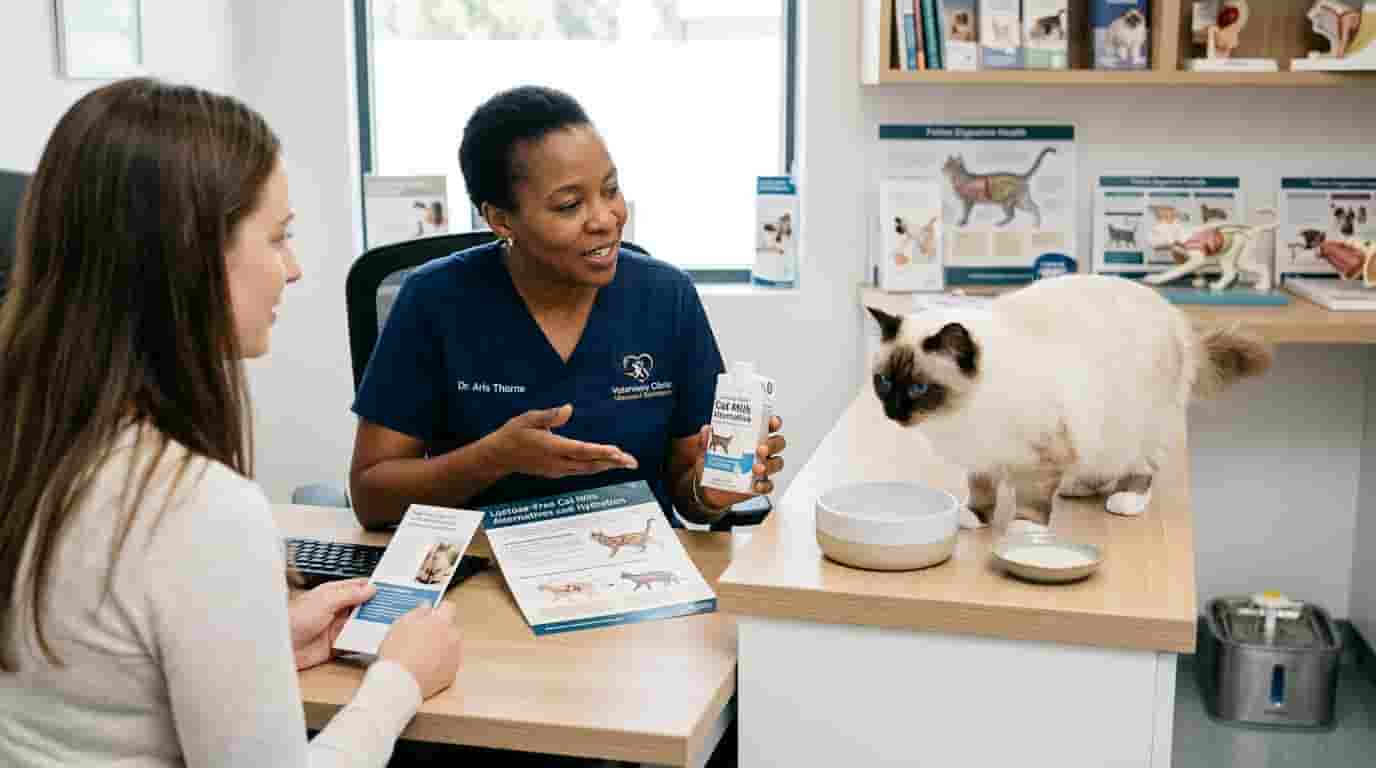
Providing a fun drink for your pet does not mean you have to expose them to the Cat Milk Myth dangers. You can purchase specially formulated lactose-free cat milk at your neighborhood pet supply store or local veterinary clinic. These commercial products consist of real cow milk that undergoes pre treatment with synthetic lactase enzymes to remove sugars. Therefore, this specialized beverage supplies the rich taste felines love without causing any painful diarrhea or flatulence later on.
Additionally, you can offer small amounts of organic goat milk as a rare treat during weekend play sessions. Goat milk possesses smaller fat molecules than cow milk, making it slightly easier for the feline stomach to digest. However, you should still limit these dairy treats to avoid unbalancing your pet’s regular daily nutrient intake goals. According to official cat nutrition facts published by the ASPCA, clean water must always remain their primary source of daily hydration.
Using fresh water fountains encourages drinking, which protects your friend’s delicate kidneys from developing painful stones or infections. This safe hydration method supports general wellness without exposing your domestic companion to the heavy fats found in cream. Let us look at how you can build a perfect snack routine that keeps your pet completely comfortable.
Establishing Safe Snack Habits Free From Cat Health Myths
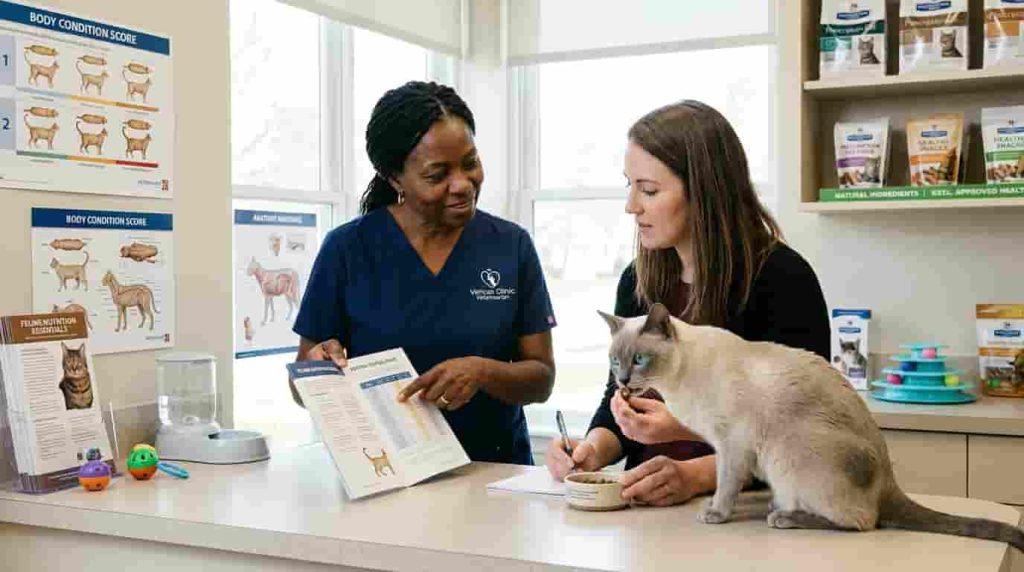
Defeating the classic Cat Milk Myth requires shifting your pet’s interest toward species appropriate treats that support their muscles. You can offer a small piece of plain cooked chicken breast instead of reaching for the dairy carton. This high protein alternative supplies essential taurine nutrients that protect your companion’s heart and vision systems over time.
Furthermore, always make sure that is cat milk safe for cats questions are answered using modern veterinary research guidelines. Many popular cat food companies now manufacture liquid treats packed with healthy vitamins rather than inflammatory dairy sugars.
Adding these safe options into their lifestyle allows you to bond with your pet without causing physical harm. Your careful choices will help transform your pet care habits and keep your domestic environment completely peaceful. Let us review the primary checklist for keeping your companion animal healthy and properly hydrated at home.
- Provide multiple clean ceramic water dishes across different rooms to encourage drinking.
- Avoid sharing ice cream or cheese snacks because these items contain concentrated dairy sugars.
- Offer specialized liquid meat broths to add safe moisture to their dry kibble food.
- Consult a professional vet before introducing any novel plant milks to your pet.
When to Consult a Vet for Serious Dairy Digestion Issues

Differentiating a mild case of gas from a major toxic food reaction requires tracking your pet’s bathroom visits. If your animal companion displays continuous watery stool for more than twenty four hours, contact a veterinary clinic immediately. Severe diarrhea can cause rapid dehydration, which represents a massive medical emergency for smaller senior felines and kittens.
Therefore, you should reach out to the experts at the Cornell University College of Veterinary Medicine for advice. A professional doctor will perform a complete physical exam to check for dehydration and dangerous electrolyte imbalances.
If necessary, they will inject intravenous fluids to restore hydration and stabilize the irritated intestinal lining quickly. Acting fast prevents further metabolic decline and ensures your favorite domestic friend makes a rapid and complete recovery. Your constant vigilance guarantees that your pet stays safe from the hidden dangers of unverified internet feeding fads.
Conclusion
In conclusion, moving past the common Cat Milk Myth is a vital step toward protecting your companion’s digestive wellness. By understanding how feline lactose intolerance functions, you can select healthy treats that support their natural obligate carnivore lifestyle. These smart choices eliminate the risk of painful stomach cramps while keeping their daily calorie counts perfectly balanced.
Always utilize specialized lactose-free cat milk alternatives and provide fresh running water fountains to satisfy their hydration needs. Your consistent care will defend your domestic friend from experiencing the uncomfortable consequences of toxic household dairy products. With the right facts in hand, you can easily conquer the Cat Milk Myth and enjoy a healthy pet.
Has your beautiful animal companion ever accidentally sampled dairy products only to experience severe stomach upset afterward? Please share your personal dietary success stories and drop your unique nutrition questions in the comment section down below!
Frequently Asked Questions
No, cow milk lacks the high protein and fat density that young kittens need to grow their bones. Feeding them grocery store dairy can cause severe diarrhea, which leads to fatal dehydration for an infant animal.
No, organic and skimmed milks still contain the exact same concentration of lactose sugars that adult felines cannot digest. Skimmed varieties also contain high amounts of carbohydrates that can cause your pet to gain weight rapidly.
The most common signs include loud stomach gurgling, painful abdominal bloating, flatulence, and loose watery stools within twelve hours. Your companion may also become lethargic and refuse to eat their normal morning meals due to nausea.
Almond and soy milks are not toxic, but they supply zero nutritional value for an obligate carnivore. These plant based liquids often contain added cane sugars and chemical preservatives that can easily irritate a feline’s stomach.
Felines are naturally drawn to the high fat content and rich aroma found in fresh whole milk or cream. They do not possess the ability to connect the tasty flavor with the painful stomach aches that happen later.