

Cats Can Tell The Difference Between Happy And Angry Voices
Introduction:
Cats recognise happy and angry voices, and this realization changes how we interact with our pets. Have you ever wondered why your cat hides when you raise your voice during an argument? You might think they simply dislike the loud noise. However, new research suggests they actually understand the emotion behind your tone.
Many owners assume pets only respond to volume. In reality, your cat listens to your pitch, speed, and rhythm. These subtle cues tell them if you feel joyful or upset. Understanding this dynamic helps you build a stronger, more trusting bond with your feline friend.
How Your Tone Influences Feline Emotions

Cats recognise happy and angry voices because they constantly study our behavior. Your cat observes you even when you think they are napping. For instance, you might notice your cat waits at the door the moment you start your daily routine. Because Cats Secretly Study Human Daily Routines, they know your patterns perfectly.
Furthermore, feline emotions are more complex than many people realize. Experts at the Cornell University College of Veterinary Medicine note that cats form deep social bonds with humans. These bonds require them to read our signals effectively. When you speak in a harsh tone, your cat perceives a threat. Conversely, a soft and happy voice signals safety and comfort to them.
Feline Auditory Perception and Vocal Recognition

Your pet uses advanced hearing to navigate the world. They detect frequency shifts that humans often miss. Because they prioritize survival, cats recognise happy and angry voices as a way to assess their environment. If you speak with anger, your cat may interpret this as danger. Therefore, they choose to leave the room to avoid stress.
Additionally, cats recognise happy and angry voices by focusing on vocal cues in cat communication. They do not just hear words. Instead, they process the emotional intent behind the sound. This process is part of their natural feline vocal recognition. By paying attention to these signals, you learn to manage your own mood around your cat.
Building Trust Through Positive Communication
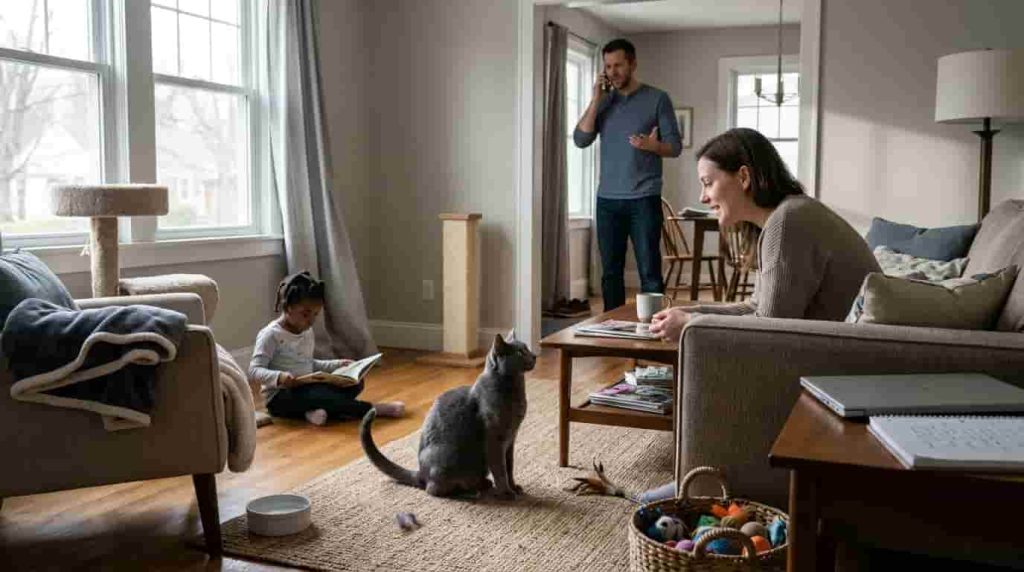
You might find it interesting that Cats Remember Kindness For Years After Meeting Someone. If you consistently use a happy voice, your cat associates you with positive feelings. This builds immense trust over time. Most owners notice that their cat seeks them out more often after periods of gentle interaction.
However, cats recognise happy and angry voices, so they also remember when you lose your temper. Negative outbursts can cause lasting anxiety. Always try to maintain a calm demeanor during playtime or grooming. As a result, your cat will feel secure in your presence. When your cat feels safe, their behavioral health improves significantly.
Interpreting Feline Behavior Cues
Interpreting cat sounds is a skill every owner should practice. Your cat may blink slowly or purr when they hear your happy voice. These are classic feline behavior cues that indicate contentment. On the other hand, a flicking tail or flattened ears suggest fear or irritation.
Because cats recognise happy and angry voices, they react to your emotional state instantly. If you are frustrated, your cat likely picks up on it through your voice. They may hide under the bed or become withdrawn. Moreover, Cats Can Recognize Their Own Names Yet Pretend Not To Hear You. They understand you well enough to know when to engage and when to ignore you.
Understanding Cat Vocalization Patterns

Effective pet care requires patience and empathy. When you speak, consider the impact on your cat. Since cats recognise happy and angry voices, your voice serves as a tool for connection. Use this tool wisely to foster a peaceful home. If your cat acts skittish, check your own vocal tone first.
Many experts suggest speaking to your cat during quiet moments. This practice helps them learn your emotional range. Additionally, it strengthens your bond through consistent interaction. Cats recognise happy and angry voices, so they definitely appreciate a calm and soothing tone. You will likely see their personality bloom as you prioritize positive vocal communication.
Tips for Better Feline Emotion Detection
- Speak in a high, melodic pitch when praising your cat.
- Avoid shouting, even if you are frustrated with something else.
- Observe how your cat moves when you change your vocal volume.
- Use slow, rhythmic speech to soothe an anxious cat.
- Create a quiet space for your cat during loud house activities.
These simple steps make a big difference in how your pet perceives you. Because cats recognise happy and angry voices, your daily speech choices matter. Keep your tone light and encouraging to maintain a happy home environment.
Conclusion
Your cat is a brilliant observer of human behavior. Since cats recognise happy and angry voices, your tone becomes a vital part of your daily interaction. By choosing kindness and patience, you create a safe space for your pet to thrive. Remember that they listen to your intent, not just your words. If you feel stressed, take a moment to breathe before calling your cat. Share your experience in the comments below, and let us know how your cat reacts to your voice!
Frequently Asked Questions
Yes, cats process emotional information through our tone and body language. They use these signals to determine if they are safe or in danger.
Cats recognise happy and angry voices as indicators of their environment. Your cat likely perceives your angry tone as a stressful or threatening situation.
Cats often notice changes in your emotional state through vocal cues. They may offer comfort or proximity when they detect your sadness.
Use a soft, steady, and high pitched voice to communicate. This tone mimics the sounds of security and friendship to most felines.
Your cat certainly recognizes the vocal patterns associated with your happiness. They often respond with purring, kneading, or relaxed body posture.