
Cat Pesticide Risks: Symptoms, Treatment, and Prevention Tips
Introduction:
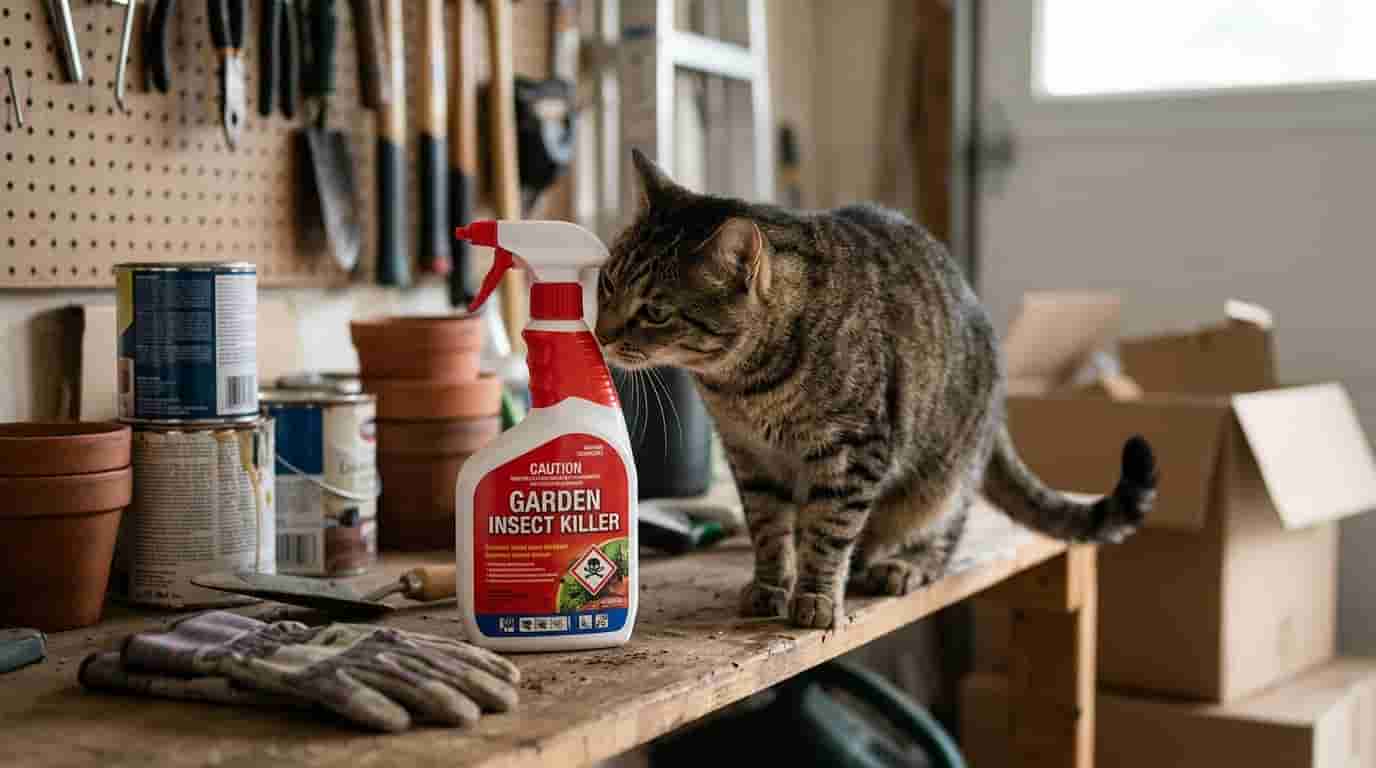
Cat Pesticide Risks often hide in plain sight around your home. You spray a common bug repellent on your kitchen floor. Then, your cat walks through the area and grooms their paws.
Does this simple action endanger your beloved pet? Many owners overlook how easily chemicals enter a cat’s system. Understanding these dangers helps you keep your home a safe sanctuary.
Recognizing Cat Pesticide Risks in Your Home
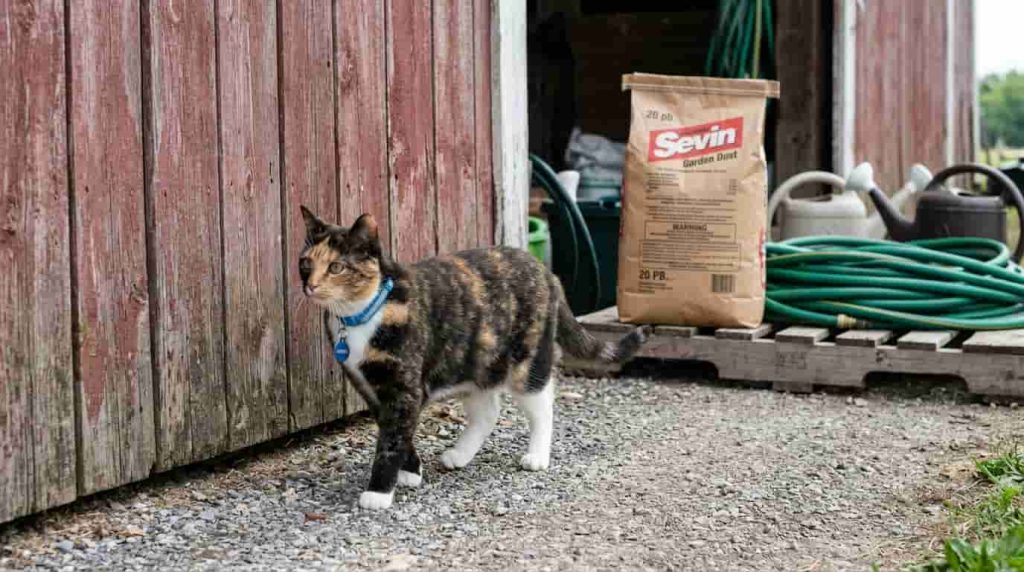
Cat pesticide risks arise because felines have very sensitive livers. They cannot process many chemicals that humans and dogs handle easily. A tiny amount of residue causes big trouble for them.
You might notice sudden drooling or muscle tremors after they visit a treated area. Furthermore, some cats experience vomiting or unusual lethargy very quickly. These feline pesticide exposure signs demand your full attention.
The ASPCA warns that certain common insecticides cause severe health issues for cats. You must read every label carefully before using any product. Always prioritize their safety over temporary convenience.
Identifying the Dangers of Pesticides for Cats

The dangers of pesticides for cats include damage to their nervous system. You see symptoms like walking in circles or losing balance. Additionally, seizures indicate a severe medical emergency that needs immediate care.
Always check if your lawn care products contain harsh chemicals. Your cat walks outside and brings these toxins back into your living space. Therefore, you must use cat safe pest control options everywhere.
You should also look for natural flea prevention for cats if you have pests. Chemical treatments often carry hidden hazards that outweigh the benefits. Swap these for safer, vet-approved alternatives that protect your pet.
Managing Feline Pesticide Exposure and Care
You need a clear plan to handle accidental contact with chemicals. First, move your cat away from the source immediately. Then, call your veterinarian to describe the product you used.
They might suggest rinsing your cat’s paws with mild soap. However, never apply any medicine without professional guidance. Minimizing pesticide risks for cats starts with quick, calm action.
If your cat ingested the poison, they require urgent care. You might need to check other health needs while you wait. For example, knowing Cat Choking Rescue: Essential First Aid Every Cat Owner Should Know helps you stay ready for any crisis.
Minimizing Cat Exposure to Pesticides Daily
You control cat health and pest control by choosing prevention first. Seal up gaps where bugs enter your home. Also, keep trash cans tightly covered to discourage unwanted visitors.
Consider using traps instead of sprays for common household pests. These options stop the insects without leaving toxic mist in the air. Consequently, you lower the risks of pesticides to cats significantly.
Always wash floors after using any cleaning or pest products. Diluting the chemicals reduces the chance of harm to your cat’s paws. Clean surfaces lead to a much safer environment for everyone.
Exploring Cat Safe Pest Control Solutions
You can find many types of cat-friendly pest management online. Look for companies that list all their active ingredients clearly. If a product seems vague, search for better, transparent alternatives.
Many natural sprays use essential oils that remain safe for felines. However, always verify which oils cause harm, as some pose threats. Your due diligence protects your cat from painful reactions.
Check Cat Heartworm Tests: Why prevention is better than the cure. to see how parasite control fits into your plan. Effective care requires a balanced approach to all chemical treatments. Prevention remains your strongest tool.
Preventing Cat Poisonings With Careful Choices
You prevent cat poisonings by keeping all chemicals inside locked cabinets. Cats often jump into high storage areas, so use secure locks. Never leave bait stations where they play or sleep.
If you travel with your cat, check your hotel room for chemicals. Read Cat Travel Sickness: Causes, Symptoms, and Easy Remedies for travel advice. You want their temporary home to be just as safe as their permanent one.
Always ask neighbors to inform you before they spray their yards. You might need to keep your cat indoors during those times. Communication keeps your pet secure and healthy.
Understanding Hazards of Pest Treatment for Cats
You must evaluate the hazards of pest treatment for cats before applying anything. Sprays, dusts, and pellets all carry specific risks. Some products linger for weeks on carpets and furniture.
Feline pest control requires constant vigilance from you. You act as their advocate in a world filled with modern chemicals. Always choose the safest path for their small, sensitive body.
If you suspect your cat touched something dangerous, act fast. Delaying care makes treatment much harder for the vet. Your quick reaction saves them from long-term health issues.
Expert Advice on Pet-Friendly Insecticides
Vets emphasize that pet-friendly insecticides still require caution. Read the fine print to see if the product dries safely. If it remains wet, your cat remains at risk.
Use fans to clear the air after using any cleaning supplies. Good ventilation prevents residue from settling on their favorite toys. Your thoughtful actions create a secure home for your cat.
Focus on long-term safety by updating your cleaning routines. Every change makes a difference in their overall well-being. They depend on your care to stay safe every day.
Final Thoughts on Cat Pesticide Risks
Cat pesticide risks appear in many daily items, but you can manage them. You keep your cat safe by choosing thoughtful products. Always put their needs first when you tidy your home.
Your diligence creates a healthy environment for your feline friend. They offer you so much love and deserve your protection. Keep learning and stay alert to new safety information.
Do you have a favorite safe way to keep pests away? Please share your tips or questions in the comments below!
Frequently Asked Questions
No, some products labeled for dogs contain chemicals that are deadly for cats. Always verify that the package specifically mentions cat safety.
Gently wash their paws with mild, unscented soap and warm water. Watch them closely for drooling or shaking and contact your vet if symptoms appear.
Watch for vomiting, drooling, tremors, or dilated pupils. These signs often show up quickly and require immediate veterinary attention.
Often, yes, but you must check which natural ingredients are safe. Some essential oils are toxic to cats even if they seem natural.
Focus on sealing entry points and cleaning up crumbs. Physical barriers and traps work well without needing toxic sprays.