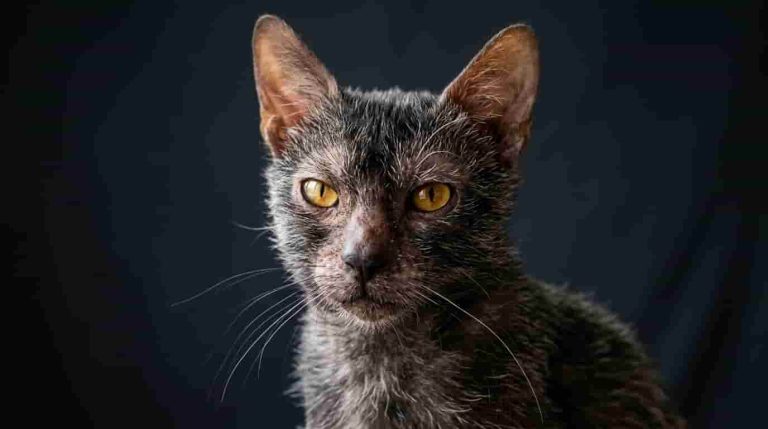

Cat Ear Odor: When a smell means a yeast infection is present.
Introduction:
Cat ear odor often catches owners by surprise during a routine cuddle. Have you ever leaned in to kiss your pet and noticed a funky smell? This scent is not normal and usually points to an underlying issue. Because cats hide discomfort well, you must pay attention to these subtle clues.
When you notice a cat ear odor, you should act quickly to prevent further pain. Many owners wonder if they should just clean the ears themselves. However, a persistent foul ear scent in cats often signals an infection that requires professional care. This guide explains how to identify, manage, and prevent these smelly situations effectively.
Identifying Cat Ear Odor Causes

A healthy cat should not have any distinct smell coming from their ears. If you detect a funky smell in cat’s ears, it likely stems from yeast or bacteria. These organisms thrive in the warm, dark environment of the ear canal. Therefore, any moisture or debris creates the perfect breeding ground for them.
Additionally, allergies or ear mites often cause a cat ear infection odor. You might notice your cat scratching their head or shaking their ears frequently. Experts at the Cornell University College of Veterinary Medicine emphasize that these signs require a quick visit to the clinic. An accurate diagnosis ensures you use the right treatment for your pet.
How to Remove Cat Ear Odor Safely

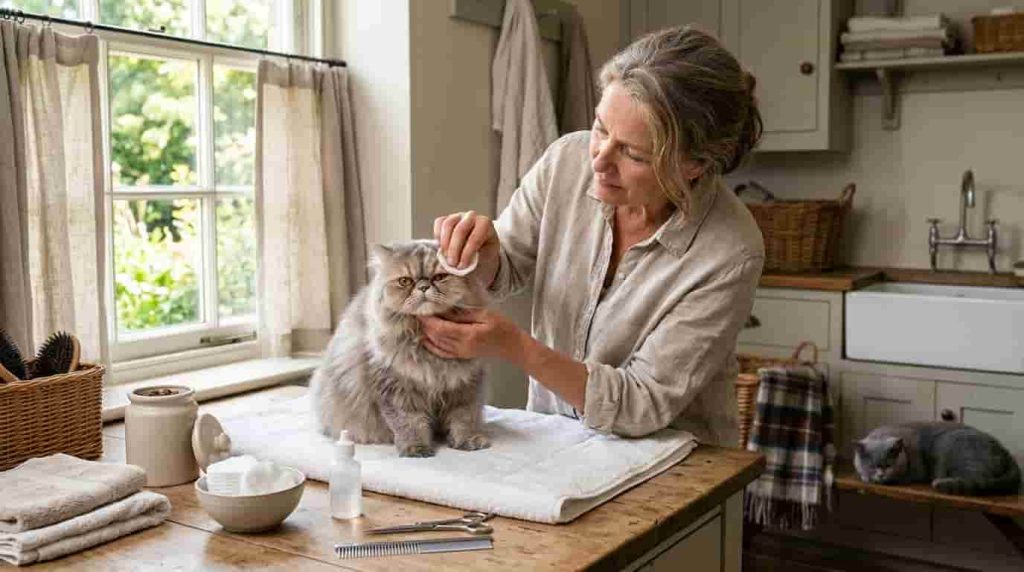
First, stop trying to use harsh household cleaners inside the ear canal. These products can cause severe irritation or even damage your cat’s delicate hearing. Instead, use vet approved cat ear cleaning products designed for sensitive tissue. You can find these at most local pet supply stores.
Next, follow basic cat ear cleaning tips to protect your pet. Use a cotton ball or a soft cloth to wipe the outer ear gently. Never push tools deep into the canal, as this can pack debris inward. Furthermore, ask your vet about the best ear drops for cat odor control.
Understanding Feline Ear Care Routines
Consistent grooming prevents most buildup that leads to a nasty cat ear smell. You should check your cat’s ears weekly as part of your overall cat grooming tips. If you find a small amount of dirt, gently clean the visible areas. However, stop immediately if you notice redness or discharge.
Additionally, maintain high standards for your cat’s total body hygiene. You might also want to check other areas if you notice grooming issues. For example, Cat Paw Pad Peeling: Identifying dry skin vs a fungal infection is another common issue owners face. When your cat feels clean, they act much happier and more comfortable.
The Role of Professional Cat Ear Infection Treatment
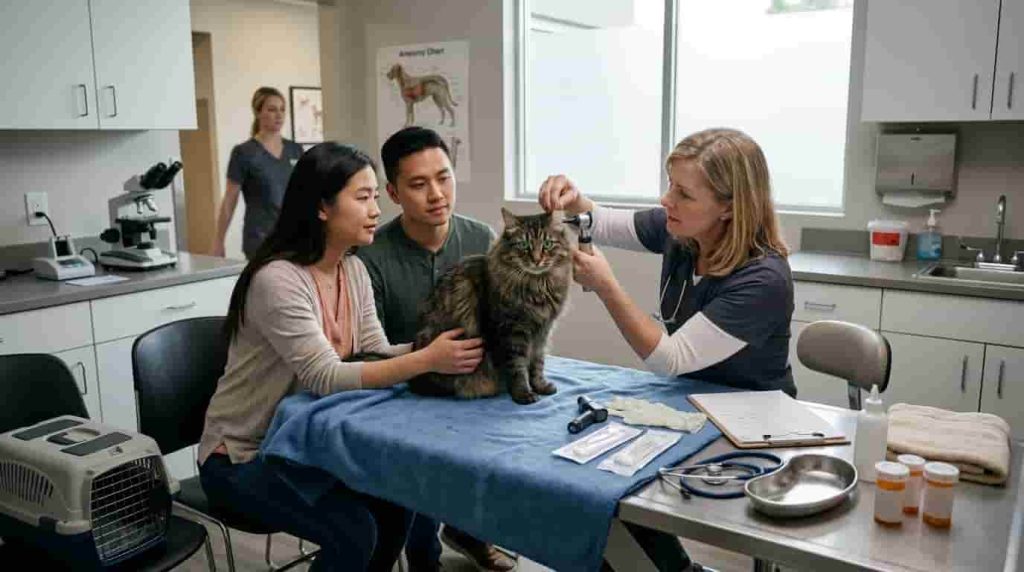
Some owners look for natural remedies for cat ear odor online. While these can work for minor wax buildup, they do not cure a true infection. Only a veterinarian can prescribe the specific medicine needed to stop a fungal bloom. Therefore, do not delay if you see dark, crumbly discharge.
Furthermore, ignoring these symptoms leads to long term feline ear care struggles. Chronic infections eventually cause thickened skin and permanent hearing damage. As a result, early detection saves you money and spares your cat from pain. Also, keep the face clean because Cat Tear Stains: Cleaning the fur under the eyes of flat faced breeds can sometimes complicate facial hygiene.
Preventing Future Feline Ear Odor Issues

After your vet treats the initial infection, you must keep the ears dry. Moisture is the number one cause of recurring yeast problems in pets. Therefore, use caution when bathing your cat to avoid water entering the ears. You might also want to monitor their breath.
If you notice their mouth smells bad, Cat Breath Mints: Safe ways to freshen up a stinky mouth provide a quick way to help. Comprehensive grooming ensures your pet stays fresh from head to toe. Additionally, provide a balanced diet to boost their natural immune response. A strong system effectively resists common infections.
Monitoring Your Cat’s Ear Health
Always watch for changes in behavior or body posture. A cat with an infection often holds one ear lower than the other. They might also tilt their head toward the painful side. If you spot these signs, do not wait for the smell to worsen.
Early intervention remains the golden rule for feline wellness. Furthermore, make sure you use the correct cat ear cleaning products as directed by your vet. Proper application makes a world of difference for your cat’s recovery. You play a vital role in their healing process through daily observation.
Conclusion
Cat ear odor is a warning sign you should never ignore. Whether it is simple wax or a painful infection, your prompt attention matters. Always prioritize professional vet advice before starting any strong remedy. Keep your cat’s ears dry, clean, and healthy to avoid future complications. We hope these tips help your cat feel better soon! Please share your experience with feline ear care in the comments below.
Frequently Asked Questions
While a bad smell often indicates yeast or bacteria, it can also be wax buildup. However, you should always have a vet confirm the exact cause.
Use a vet recommended ear cleaner on a soft cotton ball. Gently wipe the outer ear flaps and avoid inserting anything into the canal.
Recurring infections often stem from underlying allergies or constant moisture in the canal. A vet can help you identify and manage these root causes.
Never use household ingredients like vinegar or alcohol. These can sting and cause significant damage to the sensitive skin inside the ear.
Watch for persistent head shaking, loss of balance, or redness inside the ear. These signs require immediate medical attention to prevent serious damage.