Cat Tear Stains: Cleaning the fur under the eyes of flat faced breeds.
Introduction:
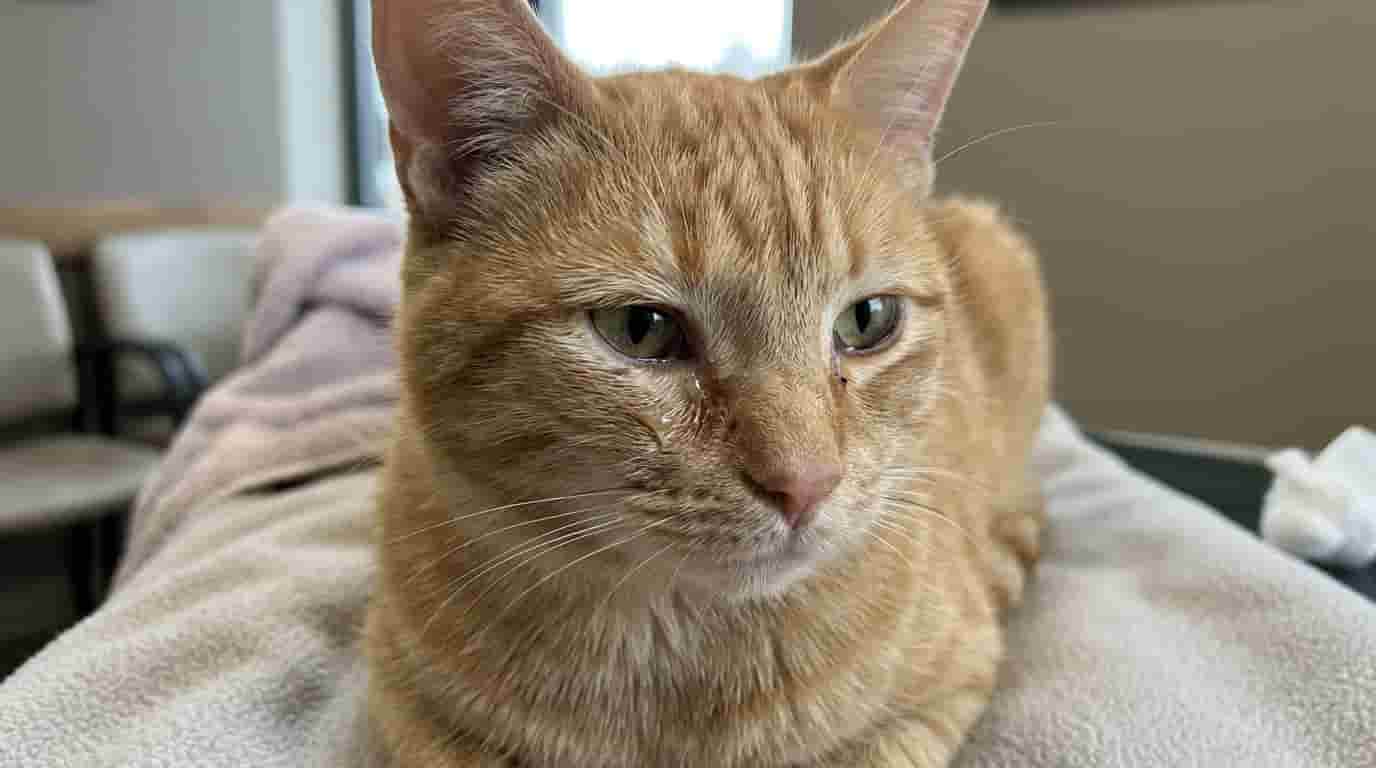
Cat tear stains often worry owners of Persian or Exotic Shorthair cats. You might notice dark streaks forming under your pet’s eyes. These marks happen when tears overflow and sit on the fur. Because these breeds have flat faces, their tear ducts often function poorly. Therefore, moisture collects rather than draining into the nose.
If you ignore cat tear stains, they can lead to skin irritation or infection. However, regular cleaning helps maintain your cat’s hygiene and comfort. This guide explains why these marks occur and how you can safely manage them. Furthermore, we will explore the best cat eye care routines for your furry friend.
Understanding the Causes of Cat Tear Stains
The primary cause involves the unique anatomy of brachycephalic, or flat faced, cat breeds. Their skull shape puts pressure on the tear ducts. Consequently, tears have nowhere to go but down the face. Understanding causes of cat tear stains helps you monitor your cat’s health better.
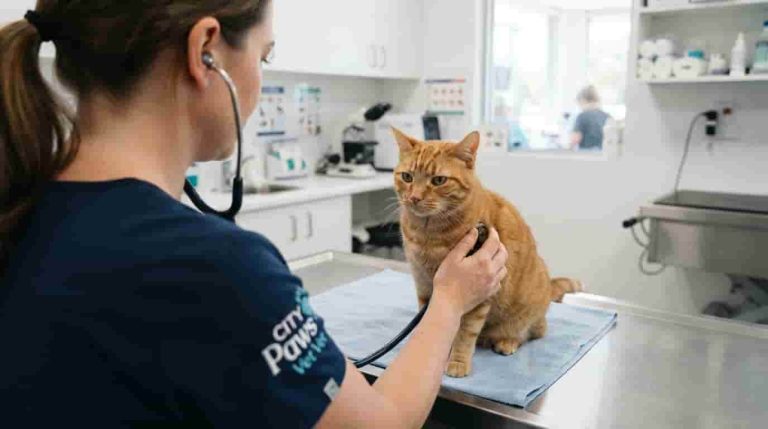
Sometimes, excessive tearing signals an underlying medical issue. Allergies, blocked ducts, or eye irritants also create discharge. Therefore, you should consult a vet if you notice sudden changes. Experts at VCA Animal Hospitals note that persistent discharge requires a professional examination. Always prioritize your pet’s vision and comfort above simple aesthetics.
How to Remove Cat Tear Stains Safely
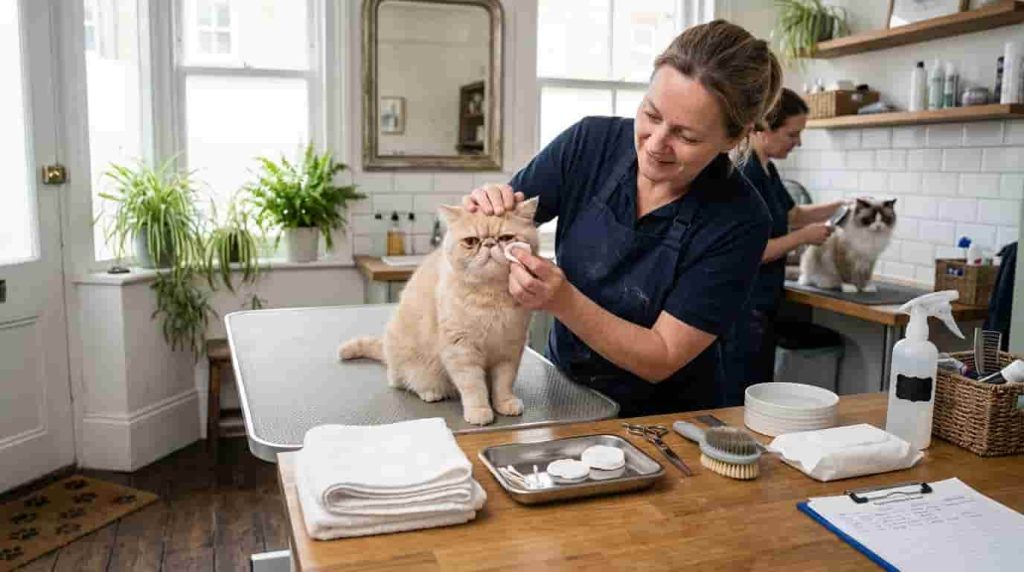
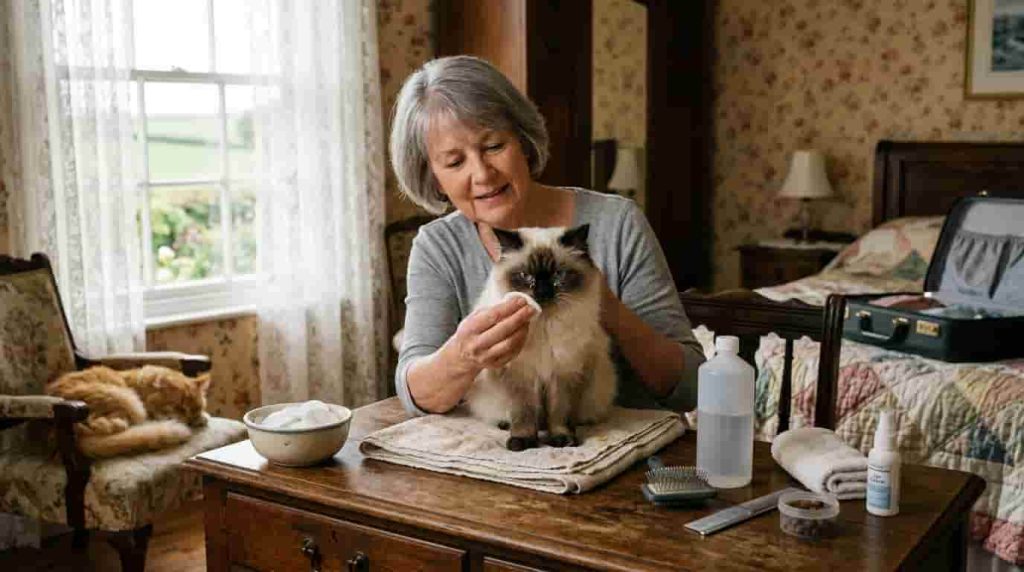
You should approach cat tear stains cleaning tips with great care. Never use harsh chemicals or human products near the eyes. First, use a soft, damp cloth with warm water to loosen debris. Gently wipe the area moving away from the eye.
Additionally, you can use specialized cat tear stain wipes designed for sensitive skin. These products help remove buildup without causing stinging. If you choose natural remedies for cat tear stains, ensure they remain completely non toxic. As a result, you keep the delicate skin around the eyes irritation free.
Best Practices for Treating Cat Tear Stains
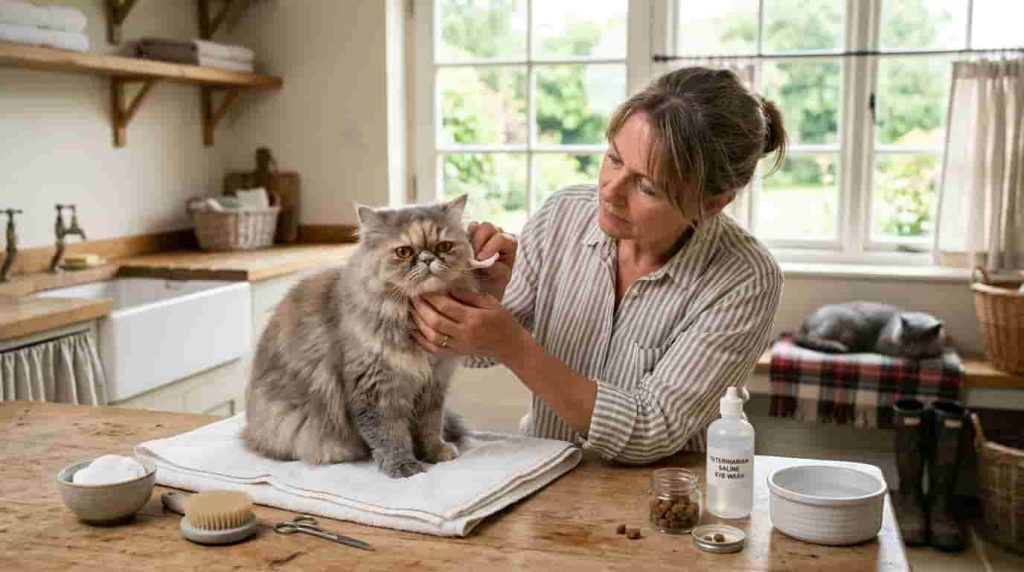
Consistent maintenance prevents buildup and keeps your cat comfortable. When you learn how to clean cat tear stains, do it daily. This prevents the moisture from hardening into stubborn crusts. Furthermore, keeping the hair trimmed short near the eyes reduces trapped debris.
You might also consider cat tear stain remedies that focus on internal health. High quality food can sometimes reduce the staining intensity. However, always speak with your vet before changing your cat’s diet. Effective cat tear stain treatment combines daily external cleaning with overall wellness support.
When to Seek Help for Eye Discharge
Sometimes, you need more than just cat tear stain removal at home. Watch for signs of infection like redness, swelling, or thick, colored discharge. These symptoms indicate more than just simple overflow. If your cat paws at their eyes, they are likely in pain.
Never assume all eye issues are just cosmetic. Just like you would check for Cat Paw Pad Peeling: Identifying dry skin vs a fungal infection, you must monitor eyes closely. Additionally, if you notice a bad smell, investigate it just as you would Cat Ear Odor: When a smell means a yeast infection is present. Catching issues early saves your cat from long term discomfort.
Maintaining Your Cat’s Daily Eye Health
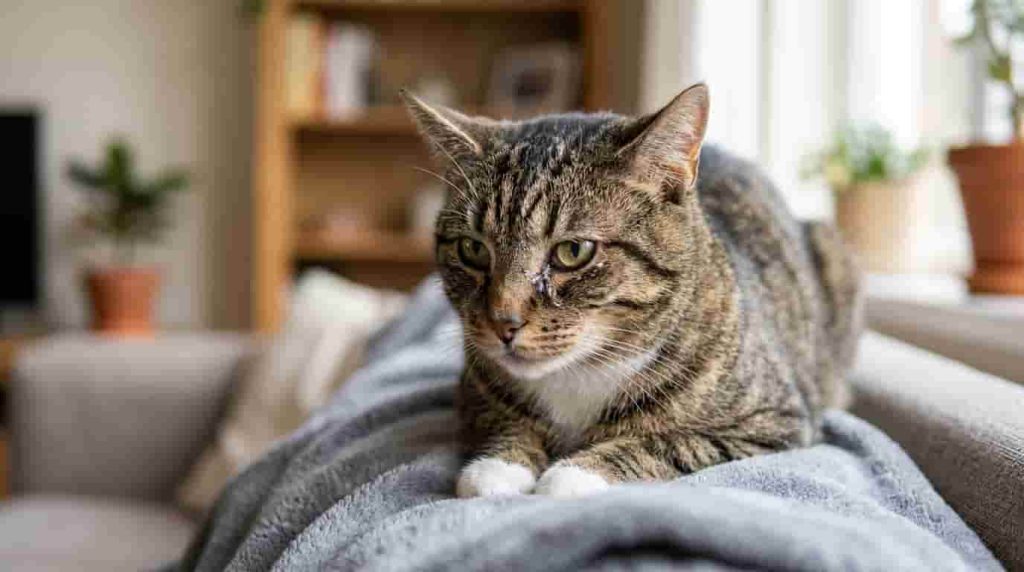
Good cat eye care involves more than just washing the face. Keep your cat’s environment clean to minimize dust and dander. These particles often irritate the eyes and trigger more tearing. Furthermore, keep your cat’s nails trimmed so they cannot scratch their face while grooming.
If you struggle with stinky breath while cleaning, look into Cat Breath Mints: Safe ways to freshen up a stinky mouth. Health management works best when you address multiple areas at once. Finally, reward your cat with treats after every cleaning session. This makes the process much more pleasant for both of you.
Exploring Cat Tear Stain Prevention Methods
Preventing cat tear stains starts with moisture control. Use a dry, soft cloth to blot the area throughout the day. This keeps the fur dry and limits the oxidation that causes staining. Additionally, some owners find success with specialized stainless steel bowls.
Plastic bowls often harbor bacteria that cause facial irritation. Therefore, switching to glass or metal can improve your cat’s skin health. Always look for cat tear stain wipes that are alcohol free. Your goal is to keep the skin dry, clean, and happy. Simple changes often yield the best results for your pet.
Conclusion
Managing cat tear stains requires patience and a gentle, consistent routine. You now understand why these marks occur and how to manage them safely. Remember to prioritize veterinary advice if you notice persistent changes or discharge. By staying proactive, you ensure your flat faced cat stays comfortable and beautiful. We love hearing from our community of dedicated cat parents. Share your own favorite cleaning routine or experiences in the comments below!
Frequently Asked Questions
They are often just a result of anatomy in flat faced breeds. However, they can signal infections, so monitor for redness or swelling.
You should clean the area at least once daily. Frequent cleaning prevents crusting and keeps the skin around the eyes healthy.
Use a warm, damp cloth to soften the crust first. Then, gently wipe it away using a soft, clean, and lint free cloth.
Never use human products on your cat. They contain chemicals that are toxic and irritating to a cat’s sensitive eyes.
In many flat faced breeds, they are a chronic issue due to anatomy. Consistent daily cleaning will keep them minimized and controlled.