
Cat Garlic Dangers: Why onions and leeks cause anemia.
Introduction:
Cat Garlic Dangers often go unnoticed until a pet falls ill. You might cook a savory meal and drop a small scrap. Does that tiny piece of garlic really harm your cat?
Most owners assume natural ingredients stay safe for pets. However, your kitchen hides silent threats that damage their red blood cells. You must understand why these common vegetables cause such serious trouble.
Recognizing Cat Garlic Dangers and Allium Toxicity

Cat Garlic Dangers stem from a group of plants called alliums. This family includes onions, leeks, and chives alongside garlic. Each one contains compounds that trigger specific health issues.
When a cat eats these, their body struggles to process the toxins. These substances damage the membranes of red blood cells. Consequently, your cat develops anemia, a condition that leaves them weak and tired.
According to VCA Animal Hospitals, ingestion causes significant harm even in small amounts. You should always prioritize your cat’s safety by keeping these ingredients away. Prevention remains the simplest way to avoid a medical crisis.
Why Garlic Toxicity in Cats Occurs

You might ask how garlic toxicity in cats happens so fast. Their bodies lack the enzymes needed to digest these compounds safely. Even concentrated forms like powders or extracts cause severe damage.
Garlic is actually much more potent than onions for most cats. You must avoid garlic for cats in every form, including pre-made spice mixes. Many sauces and human foods contain hidden traces of these dangerous plants.
Therefore, you should always check labels before sharing any leftover meals. A quick glance prevents a potential emergency. Your diligence creates a safer environment for your curious feline friend.
Identifying Symptoms of Garlic Poisoning in Cats

You should look for subtle changes in your cat’s behavior. Common signs of garlic poisoning in cats include extreme lethargy and pale gums. Furthermore, your pet might show a loss of appetite or refusal to eat.
They may also display signs of gastrointestinal distress like vomiting. Because anemia lowers oxygen levels, your cat might pant or breathe rapidly. These symptoms of garlic ingestion in cats often appear days after the initial event.
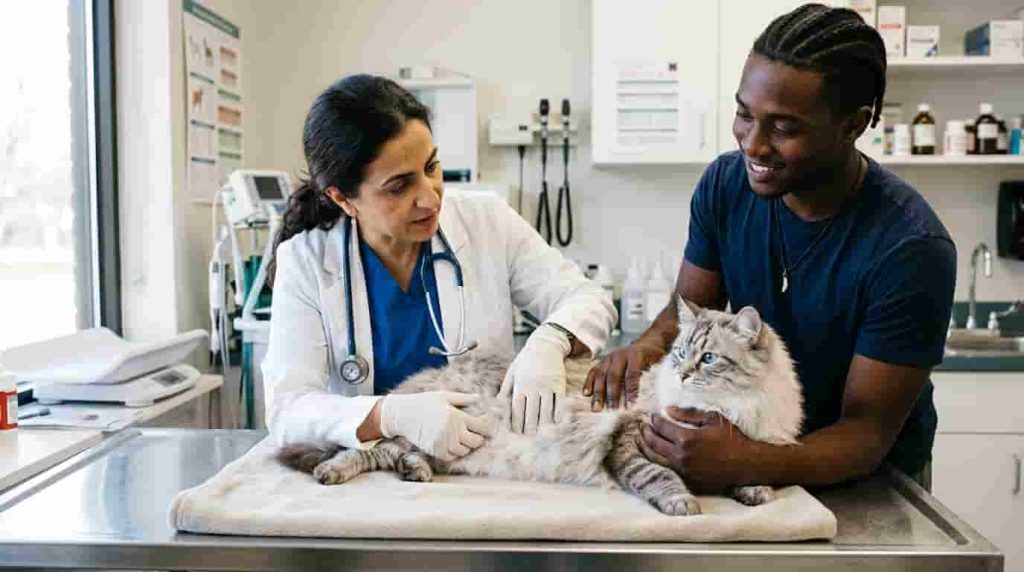
If you suspect your cat ate a dangerous item, call your vet immediately. Do not wait for more obvious signs to develop. Early medical intervention changes the outcome significantly.
Managing the Pet Health Risks of Garlic Ingestion
You reduce pet health risks of garlic ingestion by securing your storage. Store all onions and garlic in high, inaccessible cabinets. Also, teach guests not to feed your cat scraps from the table.
Many owners mistakenly think cooked garlic loses its toxicity. However, heat does not remove the harmful effects of garlic on cats. The compounds remain active and dangerous regardless of how you prepare the food.
Furthermore, recognize that garlic and onion toxicity in felines presents a cumulative danger. Your cat might eat tiny amounts over time with no initial reaction. Eventually, the damage builds up into a serious health crisis.
Understanding Dangerous Foods for Cats

You must realize that dangerous foods for cats include more than just vegetables. You should also study Cat Caffeine Risks: Why tea and coffee are bad for the heart to ensure full protection. Every hidden toxin creates a unique danger for your feline companion.
Additionally, remember that Cat Chocolate Dangers: Why chocolate is toxic for cat health remains a top concern. You keep your home safe by removing every potential hazard. Never underestimate the curiosity of a hungry cat.
Also, read about Cat Alcohol Poisoning: The truth about cats and beer or wine to cover all common household risks. Being informed makes you a much better protector for your pet. Your knowledge serves as their primary defense against harm.
How Garlic Affects Cats and Their Blood
You might wonder exactly how garlic affects cats internally. The toxin causes the red blood cells to burst prematurely. This leaves the cat with fewer cells to carry oxygen throughout their body.
Because of this, the dangers of garlic for felines become clear. The cat struggles to maintain energy and suffers from organ stress. You see a vibrant, active pet become dull and exhausted.
Always prioritize the dangers of garlic for cats during your meal prep. Keep your counters clear and your trash cans sealed tightly. Simple habits ensure that your kitchen remains a safe zone.
Avoiding Garlic and Onion Toxicity in Felines

You must understand the garlic and onion toxicity in felines to prevent accidents. Most owners feel surprised by how many products contain these ingredients. Even some baby foods use onion powder as a flavoring.
Therefore, you should read every single label carefully. If you see the word garlic, onion, or leek, keep it far away. You simply avoid garlic for cats to be completely safe.
Furthermore, share this information with friends and family members. Many people mean well but do not know the risks. Your guidance protects your cat from unintentional harm.
Final Thoughts on Cat Garlic Dangers
Cat Garlic Dangers are preventable with a little extra care. You protect your pet by keeping these toxic plants out of reach. Their health relies on your attention to every small detail.
Remember that a healthy diet consists of safe, vet-approved ingredients. You never need to experiment with risky human foods. Your cat enjoys a long life because you choose safety first.
Do you have a story about keeping your kitchen safe for your pet? Please share your experience or any questions in the comments below!
Frequently Asked Questions
Yes, all forms, including raw, cooked, powdered, and extract, cause toxicity. You should avoid feeding any amount to your cat.
Contact your veterinarian or a poison control center immediately. Do not induce vomiting without professional guidance, as timing is critical.
Even small amounts cause damage, and concentrated powders are especially harmful. Never risk feeding these ingredients to your feline friend.
Watch for pale gums, lethargy, loss of appetite, and vomiting. If your cat seems unusually tired, seek veterinary help right away.
Yes, many cats recover with prompt veterinary care and support. Early intervention is essential to manage the anemia and restore their health.