Cat Travel Sickness: Causes, Symptoms, and Easy Remedies
Introduction:
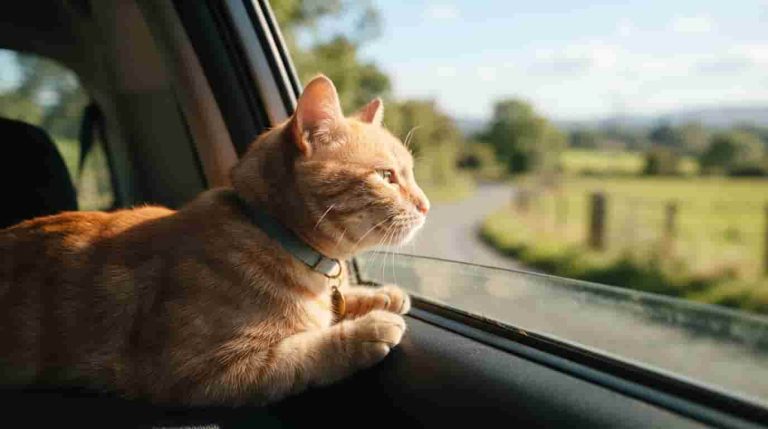
Cat Travel Sickness happens more often than most owners realize. You prepare for a vet visit or a move, feeling ready for the road. Then, your cat starts pacing, meowing, or drooling uncontrollably in the back seat.
Why does this sudden change occur? The answer lies in their inner ear and sense of balance. Many cats struggle when they move in a way they cannot control.
Recognizing Symptoms of Cat Travel Sickness
Cat Travel Sickness displays very specific behaviors during car rides. You might notice your cat panting or shaking before they start vomiting. Furthermore, constant meowing often signals that they feel distressed by the motion.
Because motion sickness in cats affects their equilibrium, they feel dizzy. This confusion makes them hide in their carrier or try to escape. If you ignore these early signs, the situation worsens quickly.
VCA Animal Hospitals notes that stress also triggers stomach issues in felines. You must determine if your cat feels anxious or truly ill. Calm cats typically handle car rides with much less trouble.
Why You Need Better Tips for Traveling with Cats
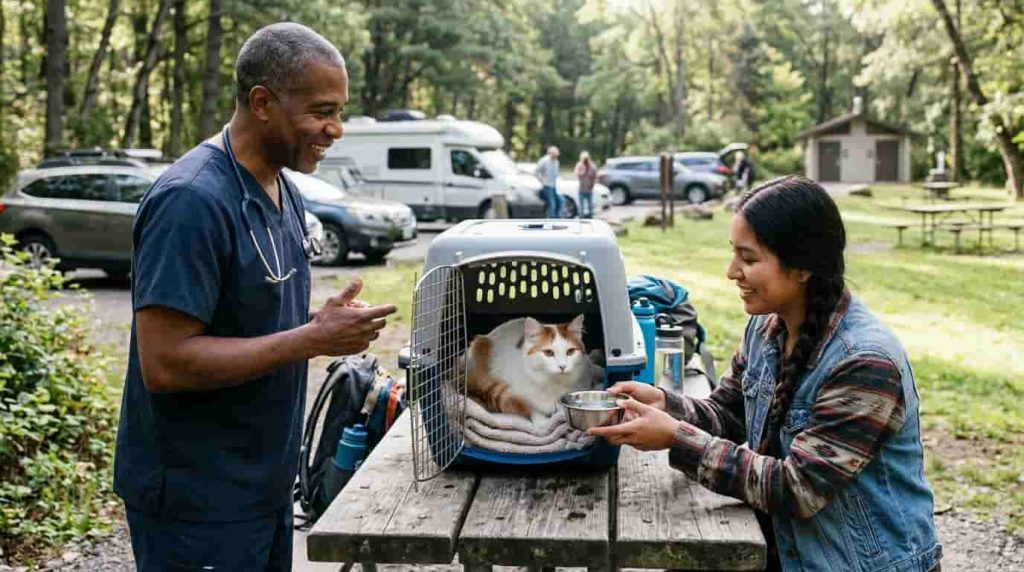
You should learn how to prevent cat motion sickness well before departure day. Start by getting them used to the car while it sits parked. Let them explore the carrier with treats inside to build comfort.
Selecting the best cat carriers for travel matters significantly for success. A sturdy carrier provides a sense of security and reduces movement. Therefore, you minimize the physical jolt they feel on bumpy roads.
Always secure the carrier with a seatbelt to prevent sliding. Excessive sliding increases the risk of nausea for your pet. A stable environment helps keep their stomach settled during the trip.
How to Prevent Cat Travel Sickness with Comfort
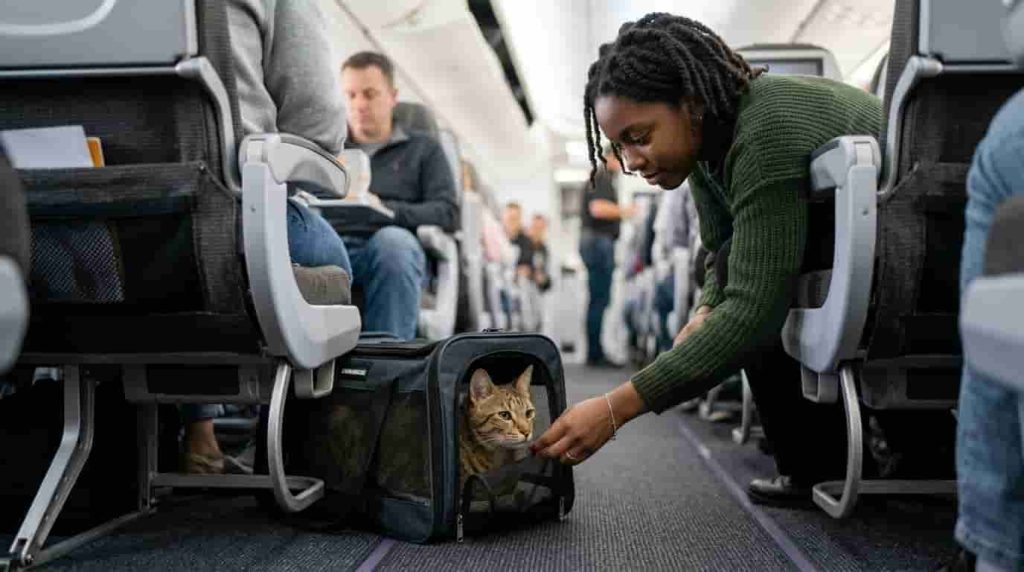
You can manage feline travel anxiety by keeping the environment dark. Cover the carrier with a light, breathable blanket to block out flashing lights. Additionally, play soft music to drown out loud road noises.
Some owners find that cat calming products for travel work wonders. Speak with your veterinarian about pheromone sprays or mild supplements. These options help relax the nervous system naturally.
Practice short, frequent trips around the block to build tolerance. Gradual exposure remains one of the best cat travel anxiety solutions. You slowly teach your cat that the car leads to safety.
Using Remedies for Cat Motion Sickness
If you plan long trips, ask your vet about prescription remedies for cat motion sickness. Sometimes, a light sedative changes the entire experience. It allows them to sleep instead of suffering from dizziness.
Never feed your cat a heavy meal right before you leave. Withholding food for a few hours helps with cat travel vomiting prevention. A light stomach makes them much less prone to nausea.
Also, keep the air inside the car cool and fresh. Stale or hot air quickly triggers an upset stomach for felines. Proper ventilation makes a massive difference during long journeys.
Advanced Cat Calming Techniques for Travel
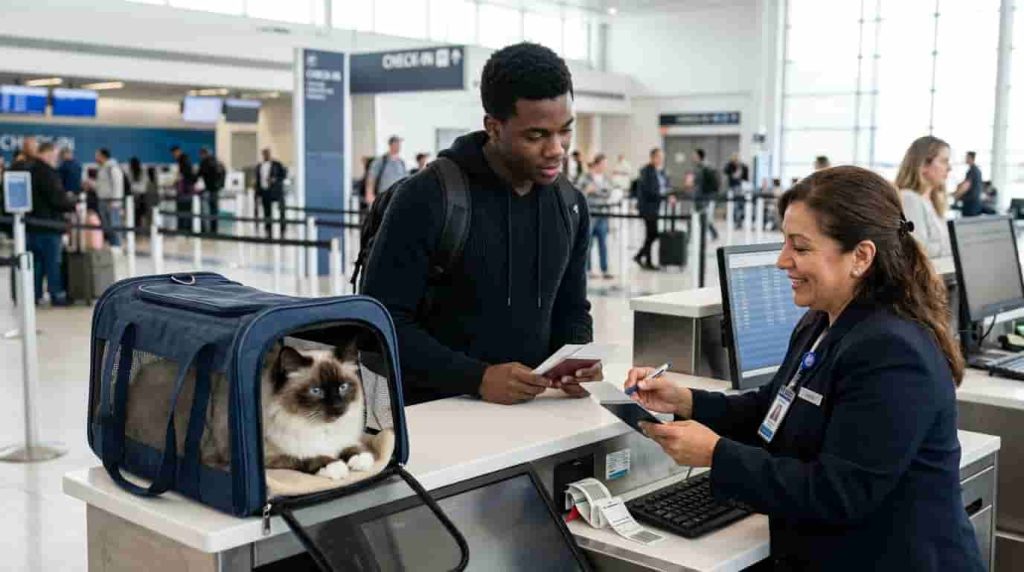
You must maintain a calm demeanor while driving with your pet. Cats mirror your energy, so stay relaxed and quiet. Talking in a soothing voice keeps them grounded and less afraid.
If your cat shows distress, pull over safely to offer comfort. You might discover that Cat Pesticide Risks: Symptoms, Treatment, and Prevention Tips play a role in overall sensitivity. Ensure your cat stays away from household toxins that cause internal weakness.
Always maintain high standards for safety during your travels. A scared cat might try to bolt if they get loose. Practice safe habits to prevent any accidental escapes or injury.
Choosing the Best Carrier for Motion Sickness
A solid, well-ventilated cat carrier for motion sickness offers the most stability. Avoid soft-sided bags that sag or deform under pressure. You need a rigid shell that holds its shape.
Add familiar bedding inside so it smells like home. A scent of their own blanket helps calm their nerves instantly. Familiarity combats the fear of the unknown for your pet.
Moreover, check the carrier size to ensure they can stand up. They need enough room to shift their weight for balance. Comfort inside the box directly impacts how they feel outside.
Vet-Approved Travel Tips for Cats
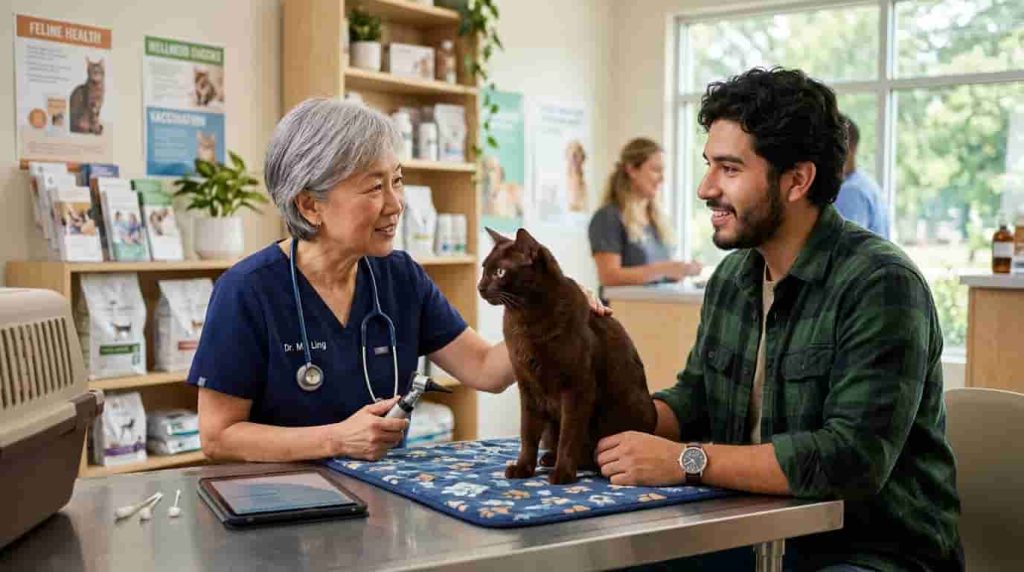
You should schedule a checkup to discuss your travel plans. Your vet provides vet-approved travel tips for cats based on their health. They might suggest specific routines for your unique feline friend.
If your cat has ever struggled with breathing, review Cat Choking Rescue: Essential First Aid Every Cat Owner Should Know before you go. You want to feel confident in your ability to handle emergencies. Being prepared prevents panic when things do not go as planned.
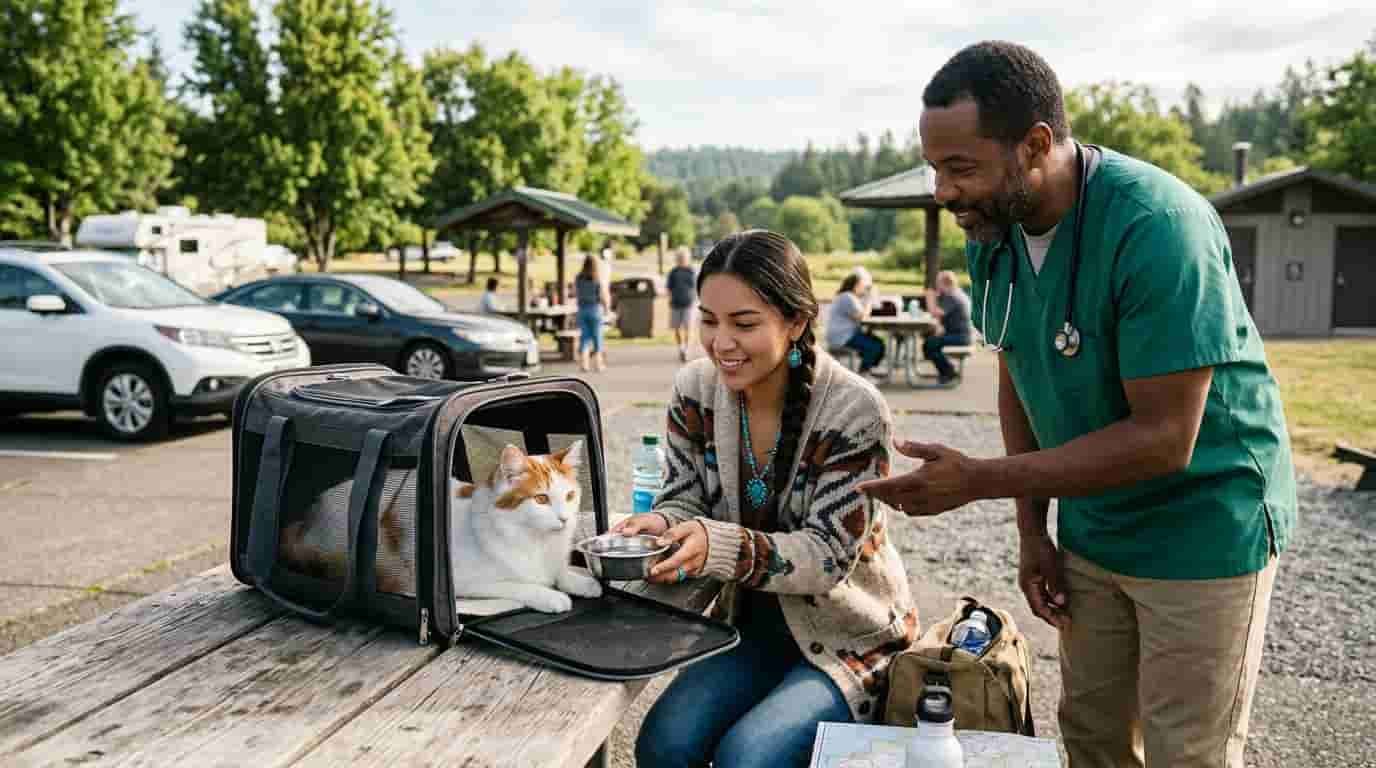
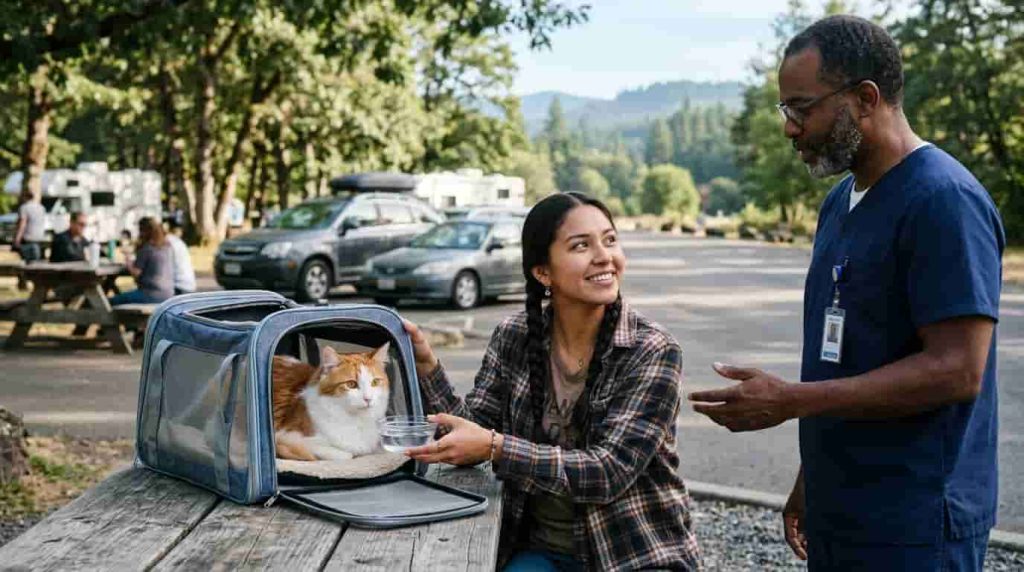
Furthermore, always bring fresh water and a collapsible bowl. Frequent water breaks keep them hydrated and feeling better. Hydration supports their body’s ability to cope with stress.
Final Thoughts on Preventing Cat Travel Sickness
Cat Travel Sickness feels scary, but you have the power to stop it. By using these simple habits, you transform car rides into manageable trips. Focus on steady, slow, and calm preparation every single time.
Your cat counts on you to keep them safe and settled. With enough patience, even a nervous cat eventually learns to tolerate travel. You deserve a stress-free adventure with your companion.
Do you have a favorite trick for helping your cat stay calm? Please share your experience or any questions in the comments section below!
Frequently Asked Questions
Withhold food for about 4 to 6 hours before you leave. An empty stomach greatly reduces the chance of vomiting during car rides.
Never give your cat human medication without a vet’s approval. Many human drugs are toxic to cats and cause severe health complications.
Use a secure carrier, keep the interior cool, and cover the carrier with a blanket. Pheromone sprays also help by making the space smell familiar.
Drooling is often the first sign of nausea and distress. If you see drool, pull over and let your cat settle before continuing.
Yes, short trips to a park or a friend’s house build confidence. Gradually increase the time as your cat shows they feel more comfortable.