Cat Feeding Schedules: Should you free feed or use set times.
Introduction:
Cat Feeding Schedules play a massive role in managing the daily energy levels and long term health of your domestic pet. Are you tired of your vocal animal waking you up at dawn by scratching loudly at the cupboard door? Many frustrated pet parents simply fill up a giant bowl with dry kibble so their animal can graze all day. However, relying on lazy grazing habits instead of structured Cat Feeding Schedules often leads to rapid weight gain and severe boredom.
This expert guide will examine how specific meal timing systems interact with the natural hunting instincts of your indoor companion. First, we will compare the pros and cons of free feeding against a structured daily feeding schedule for cats. Next, you will discover the ideal cat meal times based on standard biological digestion patterns across common domestic breeds. Finally, we will share practical tips for creating a cat feeding routine that fits into your busy work day smoothly.
Protecting your pet requires moving past random grazing habits to establish healthy cat feeding habits that support their metabolism cleanly. Let us explore the specific mechanics of dynamic Cat Feeding Schedules to upgrade your senior or adult pet care routines right now.
Cat Feeding Schedules: Comparing Free Feeding Against Set Meal Intervals

Evaluating different Cat Feeding Schedules requires looking closely at how wild felines manage their daily energy intake in nature. Felines are natural hunters that thrive on eating multiple small meals spaced out across the day and night. Therefore, leaving a single massive bowl of dry food out permanently contradicts their biological drive to work for nutrition. This continuous availability causes many indoor animals to overeat simply because they feel bored with their quiet environment.
Additionally, implementing a recommended cat feeding schedule allows you to monitor exactly how much food your companion consumes daily. If your domestic animal suddenly loses its appetite, you will notice the leftover food within a few hours. Many owners who free feed completely miss these early warning signs of internal illness until the pet becomes weak.
Furthermore, set meals help stabilize the pH levels inside the urinary tract to prevent painful bladder stones from forming. This health benefit proves why shifting away from endless grazing toward scheduled cat feeding guidelines protects your pet’s life. Let us examine how the two primary management styles compare across various household lifestyle factors.
| Feeding System | Daily Portion Control | Behavioral Impact on Felines | Suitability for Multi-Cat Homes |
| Continuous Free Feeding | Very difficult to track | Promotes lazy grazing habits and constant boredom | Often allows dominant animals to steal all the food |
| Scheduled Meal Times | Highly precise and accurate | Stimulates natural hunting play behaviors before eating | Ensures each companion receives their own correct portion |
The Biological Importance of Finding the Best Cat Feeding Times

Establishing the best cat feeding times requires a solid understanding of how fast a carnivore digests its food. A healthy adult feline stomach empties completely within roughly six to eight hours after consuming a rich meat meal. Therefore, leaving your animal companion without food for over twelve hours can cause painful stomach acid buildup. This excess acid often triggers morning vomiting episodes that leave yellow froth on your clean living room rugs.
To prevent this discomfort, most veterinary experts recommend a baseline cat feeding frequency of two to three meals per day. For example, a local pet owner named Emeka noticed his young adult cat began begging aggressively every single afternoon. He realized that spacing his ideal meal times for cats too far apart caused his pet massive anxiety. He read our helpful guide on Cat Picky Eaters: How to get a stubborn cat to try new food to reset their routine.
Consequently, the satisfied animal stopped crying at the kitchen counter because it received predictable food rewards during the day. This real life household transformation shows how a proper feeding frequency for cats can reduce behavioral stress. Let us look at how reading food packaging correctly can further assist your health goals.
Selecting Premium Ingredients to Match Your Daily Routine

Maintaining excellent health requires looking past clever package designs to examine the true nutrient percentages listed on the back. Low quality kibble packed with cheap carbohydrate fillers will leave your domestic companion feeling hungry an hour after eating. To protect your friend, check our advice on Cat Food Labels: How to spot the best ingredients for health today. Choosing real meat proteins ensures your companion stays full and happy between your scheduled Cat Feeding Schedules.
Sidestepping Dangerous Dietary Traditions Across the Household
Many well meaning pet parents try to supplement their animal’s morning meals with a small saucer of cow cream. However, doing this can trigger severe stomach cramps because adult felines lack the enzymes needed to digest dairy. To keep your pet safe, view our article on Cat Milk Myth: Why cows milk is actually bad for felines right away. Sticking to fresh water alongside your Cat Feeding Schedules protects your pet from experiencing painful diarrhea.
Tailoring a Specific Feeding Schedule for Kittens and Active Adults

Creating an effective feeding schedule for kittens requires a much more frequent approach than managing an older adult cat. Growing infants possess tiny stomachs but experience massive energy explosions as they develop their muscles and bone structures. Therefore, you should adjust your daily routine to determine how often to feed a cat during this early stage. Young kittens need four to five small meals spread evenly across the day to prevent dangerous drops in blood sugar.
As your companion reaches one year of age, you can slowly transition them toward mature Cat Feeding Schedules. According to official feline dietary guidelines published by VCA Animal Hospitals, consistency reduces baseline stress levels. Felines love predictability, so feeding them at the exact same times every day keeps their emotions perfectly balanced. Let us look at how modern technology can help you maintain these healthy cat feeding habits when you leave the house.
Utilizing Automatic Cat Feeder Options for Busy Modern Lifestyles
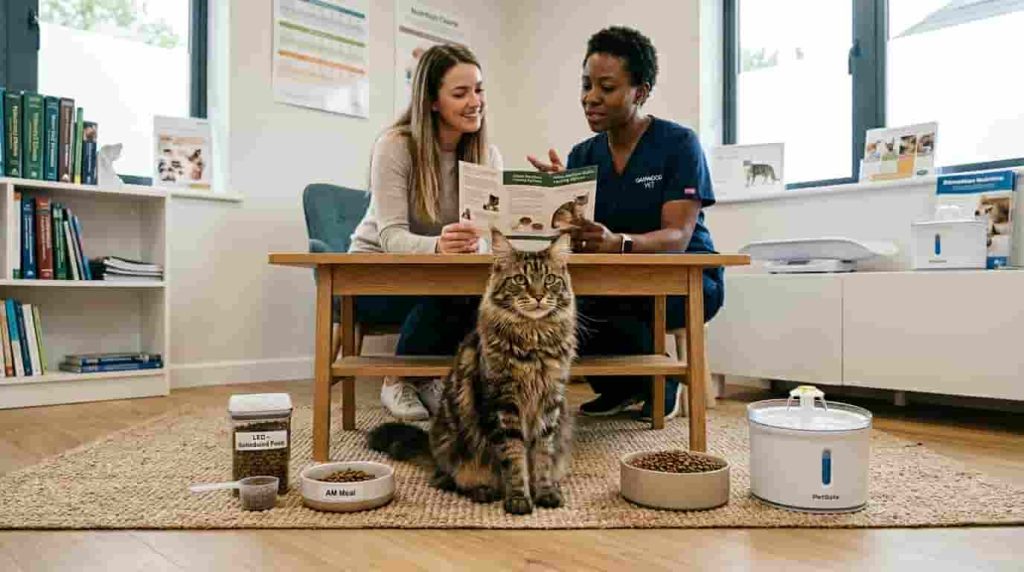
Investing in modern automatic cat feeder options is an excellent way to maintain perfect Cat Feeding Schedules while working. These programmable electronic devices allow you to set exact best times to feed cats using an internal digital clock. You can divide their total daily caloric allotment into four micro meals to keep their metabolism burning fat efficiently. This automated approach is incredibly helpful for managing the weight of heavy pets that tend to eat far too fast.
Additionally, look into advanced microchip activated feeders if you share your home with multiple companion animals of different sizes. These specialized devices only open their plastic lids when they detect the unique embedded microchip of a specific animal. This technology prevents greedy felines from bullying their more timid siblings to steal their prescribed weight loss food portions.
Following these scheduled cat feeding guidelines ensures that every pet in your household stays healthy, trim, and completely safe. Your careful use of technology will help you eliminate begging behaviors while creating a peaceful, organized indoor environment. Let us review the primary checklist for establishing a successful new routine for your animal companion at home.
- Measure out every single food portion using a digital kitchen scale instead of a random plastic cup.
- Clean your pet’s ceramic dishes daily to prevent harmful bacteria from multiplying on their surface.
- Place food bowls away from the noisy washing machine to prevent your pet from feeling scared while eating.
- Consult a professional veterinarian to calculate the exact daily calorie budget your companion requires.
When to Seek Veterinary Advice for Drastic Changes in Appetite

Differentiating a simple preference for new flavors from a major medical issue requires tracking your pet’s weekly weight trends. If your animal companion suddenly refuses to eat their scheduled food for over twenty four hours, contact a clinic immediately. Going without food for even a few days can trigger a fatal liver condition called hepatic lipidosis in felines.
Therefore, you should reach out to the experts at the Cornell University College of Veterinary Medicine for guidance. A professional doctor will perform comprehensive blood tests to check for underlying kidney issues or dental pain.
Treating the true root cause of their lack of appetite ensures your favorite pet can return to their normal routine. Your fast response protects your beloved companion from experiencing severe dehydration or dangerous muscle wasting conditions down the line. Keep a close eye on their daily bathroom habits to ensure their internal digestive system functions perfectly.
Conclusion
In conclusion, mastering your daily Cat Feeding Schedules is one of the most effective ways to guarantee long term feline wellness. By moving away from continuous free feeding toward set meal intervals, you protect your pet from painful obesity related illnesses. These structured habits satisfy their natural instincts while giving you full control over their daily calorie consumption.
Always utilize high quality meat proteins and consider using automatic cat feeder options to keep your busy schedule perfectly organized. Your steady devotion will ensure your favorite animal companion stays energetic, flexible, and deeply bonded to you for years. With the right Cat Feeding Schedules in place, you can confidently give your pet the best care possible.
Has your beautiful domestic friend ever successfully transitioned from continuous free feeding to a structured daily meal schedule? Please share your personal success stories and drop your unique training questions in the comment section down below!
Frequently Asked Questions
The best times are early in the morning when you wake up and later in the evening around dinner. Spacing these two meals roughly ten to twelve hours apart fits perfectly into the natural feline digestive cycle.
You should feed an acid prone pet three to four small meals a day to keep their stomach filled. This frequent schedule prevents excess gastric juices from building up and causing your companion to vomit yellow bile.
Yes, automatic feeders are excellent tools because they deliver precise portions at the exact same times every single day. Using microchip activated models ensures that your pets cannot steal food from each other’s bowls during the afternoon.
Felines often beg out of pure boredom or because they have trained their owners to deliver food on demand. You can stop this behavior by ignoring the cries and offering an exciting feather toy instead of a snack.
A combination of both food types works beautifully, but wet food is ideal for scheduled meal times because of moisture. Wet canned food helps hydrate your companion’s kidneys while keeping them feeling full for a longer duration.