Cat Kidney Health: Early Warning Signs of Renal Failure
Introduction :
Cat kidney health is something every cat owner needs to understand, yet most people never think about it until a crisis arrives. Kidney disease is one of the leading causes of death in cats over ten years old. By the time most owners notice something is wrong, a significant amount of kidney function has already been lost permanently.
That is the brutal reality of feline renal disease. It develops slowly and silently over months or even years. Cats do not show obvious signs of pain or discomfort until their kidneys are functioning at a fraction of their normal capacity.
However, there are real and specific warning signs that appear long before a cat reaches a critical stage. Knowing what to watch for gives you the power to catch problems early and extend your cat’s life in a meaningful way. Furthermore, small daily habits you start today can genuinely slow kidney disease progression in cats already showing early signs.
This guide covers everything you need to protect your cat’s kidneys from the inside out. You will learn the warning signs most owners miss, the dietary changes that make a real difference, and exactly when to take urgent action with your vet.
Cat Kidney Health: Understanding How Feline Kidneys Actually Work
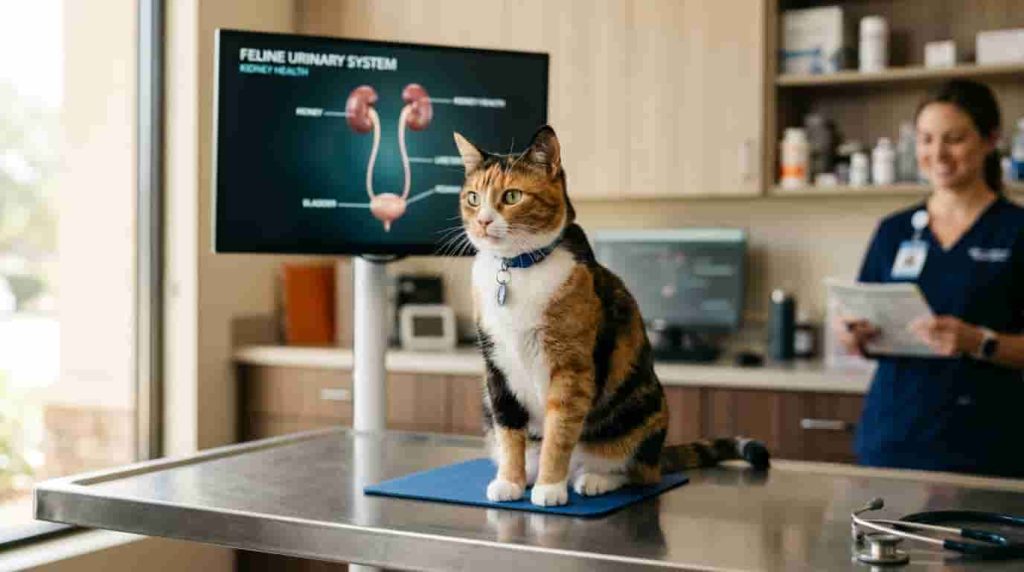
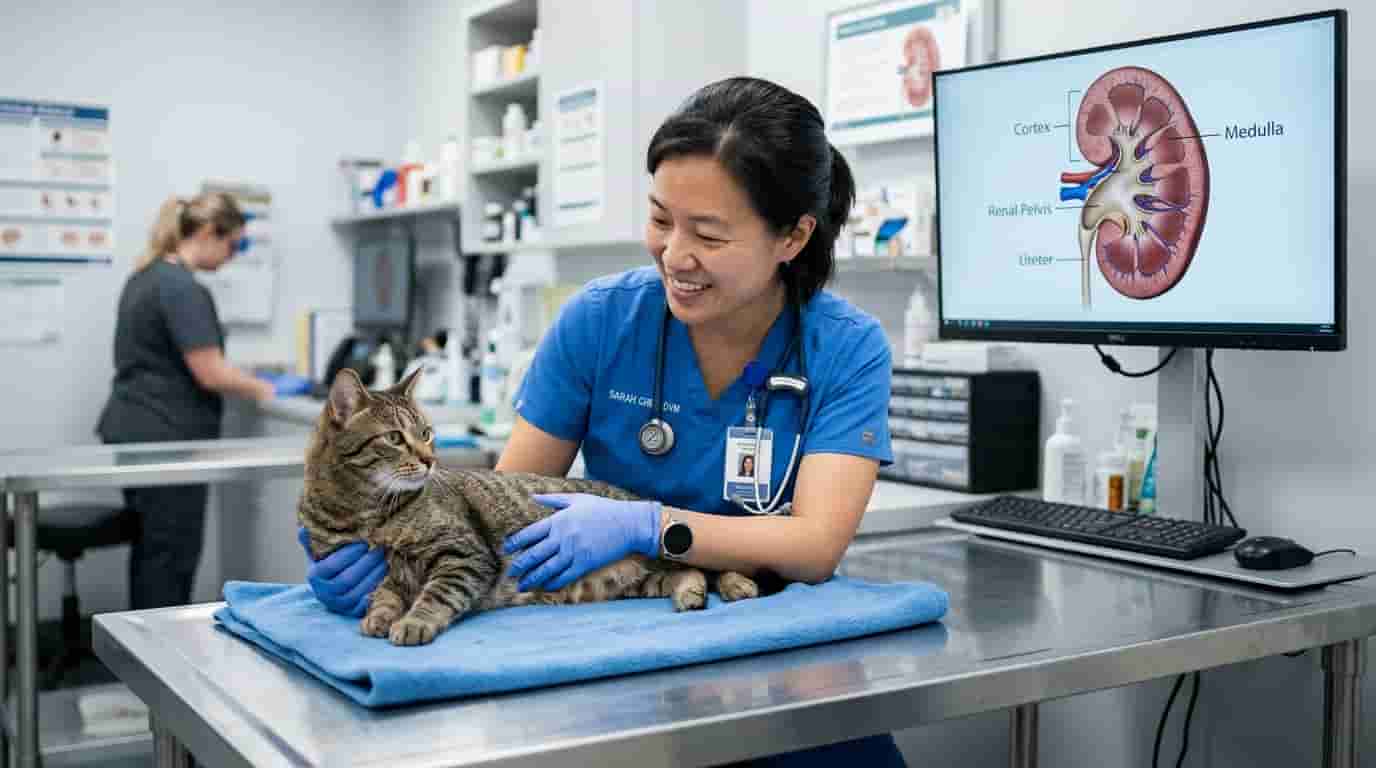
Before diving into warning signs, it helps to understand what healthy kidneys actually do for your cat every single day. Cats rely on their kidneys for several critical functions that keep the rest of their body working properly.
Healthy kidneys perform these vital jobs continuously:
- Filter waste products and toxins out of the bloodstream
- Regulate fluid balance and prevent dangerous dehydration
- Control blood pressure by managing blood volume carefully
- Produce hormones that stimulate red blood cell production
- Regulate electrolyte levels including potassium, sodium, and phosphorus
When kidney function declines, all of these processes begin to fail at once. Toxins build up in the bloodstream. Blood pressure rises. Red blood cell production drops, leading to anemia. As a result, your cat feels increasingly sick in ways that affect their entire body simultaneously.
According to VCA Animal Hospitals, chronic kidney disease affects approximately 1 in 3 senior cats and is one of the most frequently diagnosed conditions in feline medicine today. This statistic makes understanding cat kidney health one of the most important things any cat owner can prioritize.
The Difference Between Acute and Chronic Kidney Disease in Cats
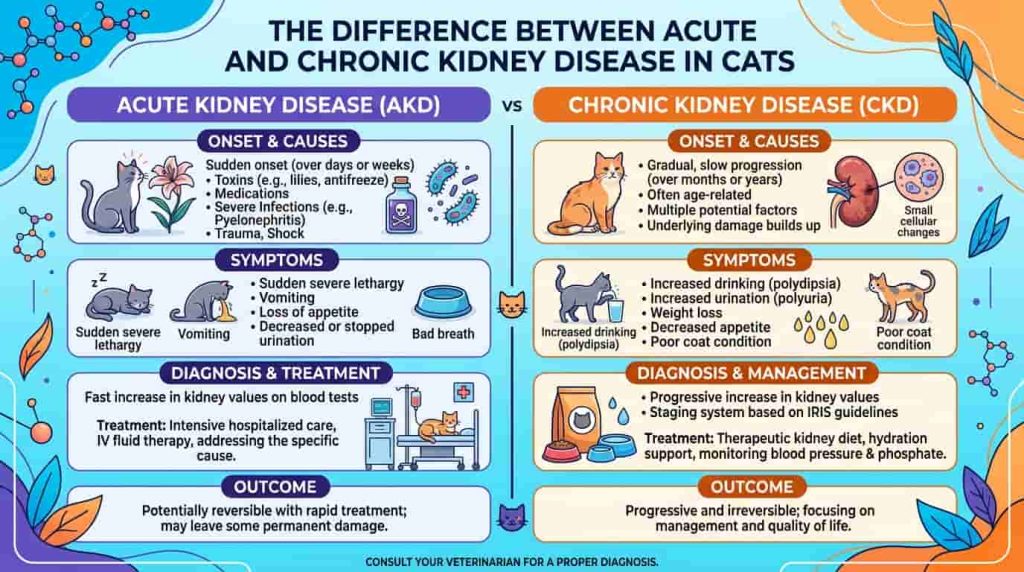
Two distinct forms of kidney disease affect cats, and they behave very differently from one another. Understanding which type you are dealing with shapes every decision you make about treatment and management going forward.
Acute kidney injury develops suddenly over hours or days. It often results from toxin ingestion, severe dehydration, urinary blockage, or a serious infection. This form is a genuine emergency requiring immediate veterinary hospitalization. However, acute kidney injury can sometimes be reversed if caught and treated quickly enough.
Chronic kidney disease develops gradually over months and years as kidney tissue slowly deteriorates and loses function. This form cannot be reversed, but it absolutely can be managed effectively with the right diet, hydration support, and veterinary monitoring. Many cats with chronic kidney disease live comfortably for years after their initial diagnosis.
Lily, a twelve-year-old tortoiseshell cat in Seattle, was diagnosed with early-stage chronic kidney disease during a routine annual checkup. Her owner, James, had noticed Lily drinking more water than usual but assumed it was simply the warm weather. That single bloodwork result changed their entire routine. With dietary adjustments and twice-yearly vet checkups, Lily remained stable and comfortable for three more healthy years following her diagnosis.
Early Warning Signs of Kidney Disease You Should Never Ignore
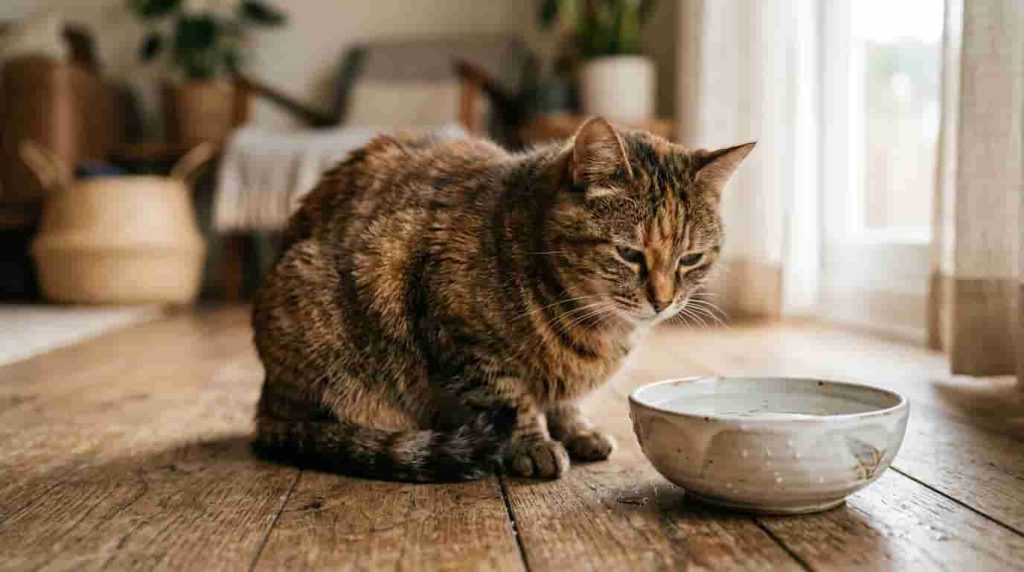
Cats are masters at hiding discomfort, which makes spotting kidney problems genuinely challenging for even attentive owners. Therefore, knowing the specific physical and behavioral changes associated with declining kidney function gives you a critical advantage in catching problems early.
Watch carefully for these cat kidney failure symptoms:
- Increased thirst and water intake that feels noticeably different from their normal habits
- More frequent urination or urinating outside the litter box without any previous litter box issues
- Decreased appetite or complete refusal to eat favorite foods that previously excited them
- Unexplained weight loss over several weeks even when food intake appears normal
- Vomiting or nausea that happens consistently rather than occasionally after eating too fast
- Lethargy and reduced activity where a previously curious cat stops exploring or playing
- Poor coat quality with dull, unkempt fur the cat no longer grooms carefully
- Bad breath with a distinctive ammonia or metallic smell that differs from normal cat breath
That last point is particularly important. A uremic or ammonia-like smell on your cat’s breath signals that waste products are building up in the bloodstream because the kidneys can no longer filter them properly. This symptom specifically indicates more advanced disease and requires immediate veterinary attention.
It is also worth noting that cat dental disease can mimic some of these symptoms and simultaneously worsen kidney stress through chronic bacterial infection. Keeping your cat’s mouth healthy therefore supports their kidney health in a direct and meaningful way.
How Diet Directly Impacts Feline Renal Function
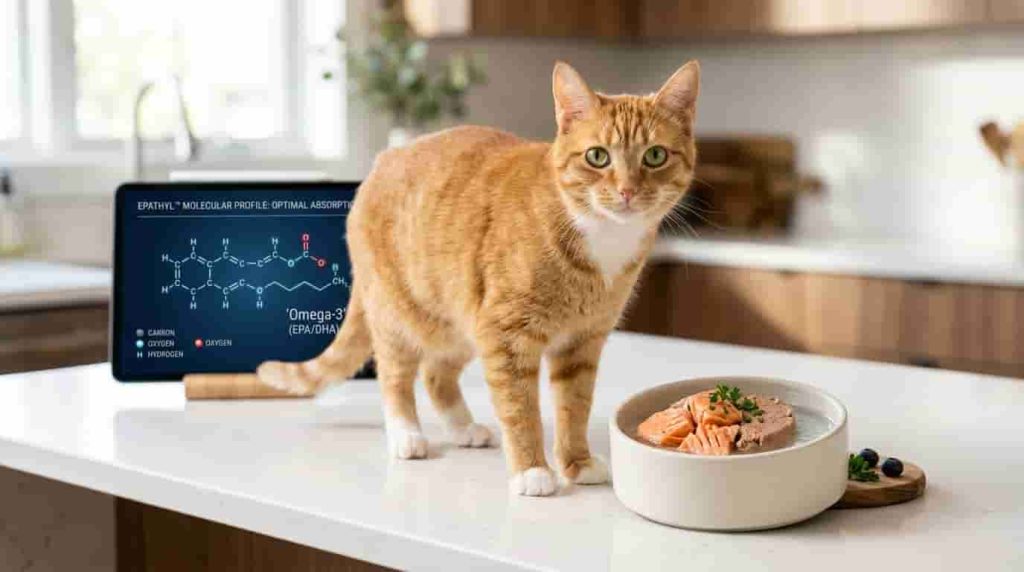
Food is one of the most powerful tools available for protecting and supporting your cat’s kidneys over the long term. The right cat kidney diet reduces the workload placed on damaged kidney tissue and slows the progression of disease significantly.
Here are the key dietary principles every cat owner should understand:
Reduce phosphorus intake carefully. High phosphorus levels accelerate kidney tissue damage in cats with existing kidney disease. Prescription kidney diets specifically formulate phosphorus at carefully controlled levels. Your vet will recommend when a prescription diet becomes appropriate based on your cat’s bloodwork results.
Prioritize high quality protein over high quantities. Contrary to older advice, current research supports keeping protein at moderate levels of high biological quality rather than severely restricting it. Low-quality protein generates more waste for the kidneys to filter. Therefore, quality matters far more than the raw amount of protein in the bowl.
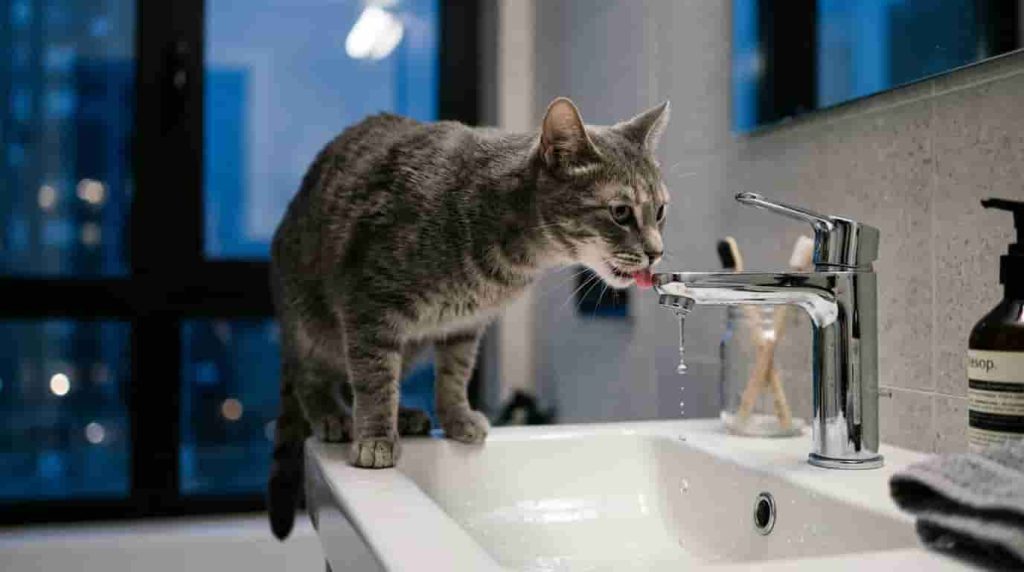
Push hydration aggressively every day. Kidneys function better when the body stays consistently well hydrated. Wet food dramatically increases your cat’s daily water intake compared to dry kibble alone. Adding a cat water fountain also encourages cats to drink more throughout the day because the flowing water appeals to their instincts naturally.
Discuss potassium and omega-3 supplements with your vet. Many cats with kidney disease develop low potassium levels over time, which causes muscle weakness. Omega-3 fatty acids from fish oil also show genuine benefit for renal support for cats in multiple veterinary studies. Never add supplements without veterinary guidance, as some can cause harm in cats with compromised kidney function.
Managing kidney disease also requires watching your cat’s overall health picture closely. Cats dealing with cat diabetes symptoms face an added layer of kidney stress because high blood sugar compounds renal damage over time. Similarly, heavy flea infestations create chronic immune stress that burdens already compromised kidneys, making effective cat flea prevention a genuinely relevant part of whole-body kidney care.
Protecting Your Cat’s Kidneys Before Disease Develops
Prevention always delivers better outcomes than treatment. Many cat owners wait until a diagnosis arrives before thinking about kidney protection. However, the habits you build during your cat’s healthy years directly influence how their kidneys function in later life.
Follow these proactive cat kidney health tips starting today:
1. Schedule annual bloodwork after age seven. Kidney disease rarely shows up in physical exams alone. Blood and urine tests detect early functional decline long before symptoms appear. Many vets recommend twice-yearly screening for cats over ten because kidney disease can progress quickly at that age.
2. Keep fresh water available at multiple locations. Cats naturally have a low thirst drive compared to dogs. Placing multiple water sources around the home and using a circulating water fountain actively encourages your cat to drink more throughout the day.
3. Feed wet food as a major part of the daily diet. Dry food alone contributes to chronic low-grade dehydration in cats over many years. Wet food keeps the kidneys consistently flushed and functioning at a higher capacity. Even replacing one dry meal per day with wet food makes a measurable long-term difference.
4. Eliminate toxic household exposures immediately. Common household items cause acute kidney injury in cats with terrifying speed. Lilies are the most dangerous, as even small amounts cause rapid and severe kidney failure. Also remove antifreeze, certain pain medications, grapes, and raisins from any area your cat can access.
5. Maintain a healthy body weight throughout your cat’s life. Obesity places persistent extra strain on the kidneys and accelerates age-related kidney function decline. Additionally, overweight cats face higher risks of developing diabetes, which compounds kidney disease significantly over time.
Conclusion
Cat kidney health is not a senior cat concern alone. The habits and exposures from your cat’s earliest years shape how their kidneys hold up over an entire lifetime. Catching the warning signs early, feeding a kidney-supportive diet, and scheduling regular bloodwork represent your three most powerful protective strategies.
If your cat already shows any of the symptoms described in this article, do not delay booking a veterinary appointment. Early diagnosis of kidney issues gives you real treatment options and genuinely more time with your cat. Protecting cat kidney health is one of the most impactful things you will ever do as a responsible owner.
Has your cat ever been diagnosed with kidney disease? Share your experience in the comments below and tell others what signs you first noticed and what made the biggest difference in managing their health.
Frequently Asked Questions
The earliest and most common signs include drinking noticeably more water, urinating more frequently, and gradual unexplained weight loss. Many cats also show reduced appetite and occasional vomiting as kidney function declines. A simple blood and urine test from your vet confirms whether these signs point to kidney disease.
Veterinarians typically recommend a prescription kidney diet that controls phosphorus levels and provides high quality protein in moderate amounts. Wet food forms the foundation of this diet because high hydration is critical for kidney support. Always consult your vet before switching your cat to a kidney diet, as the timing depends on the stage of disease.
Chronic kidney disease cannot be reversed because the damaged kidney tissue does not regenerate. However, it can absolutely be managed with diet, hydration support, medications, and regular monitoring to slow its progression. Many cats live comfortably for two to four years or longer after an early chronic kidney disease diagnosis.
Life expectancy depends entirely on the stage at diagnosis and how well the disease responds to management. Cats diagnosed at early stages with prompt dietary intervention and monitoring often live several comfortable years beyond diagnosis. Advanced-stage kidney disease typically carries a shorter prognosis, which is why early detection makes such a critical difference.
Kidney disease itself does not typically cause direct sharp pain, but it causes significant nausea, weakness, and general malaise that reduces quality of life considerably. The buildup of toxins in the bloodstream makes cats feel persistently unwell and fatigued. Proper management dramatically reduces these symptoms and helps your cat feel and function much better day to day.