
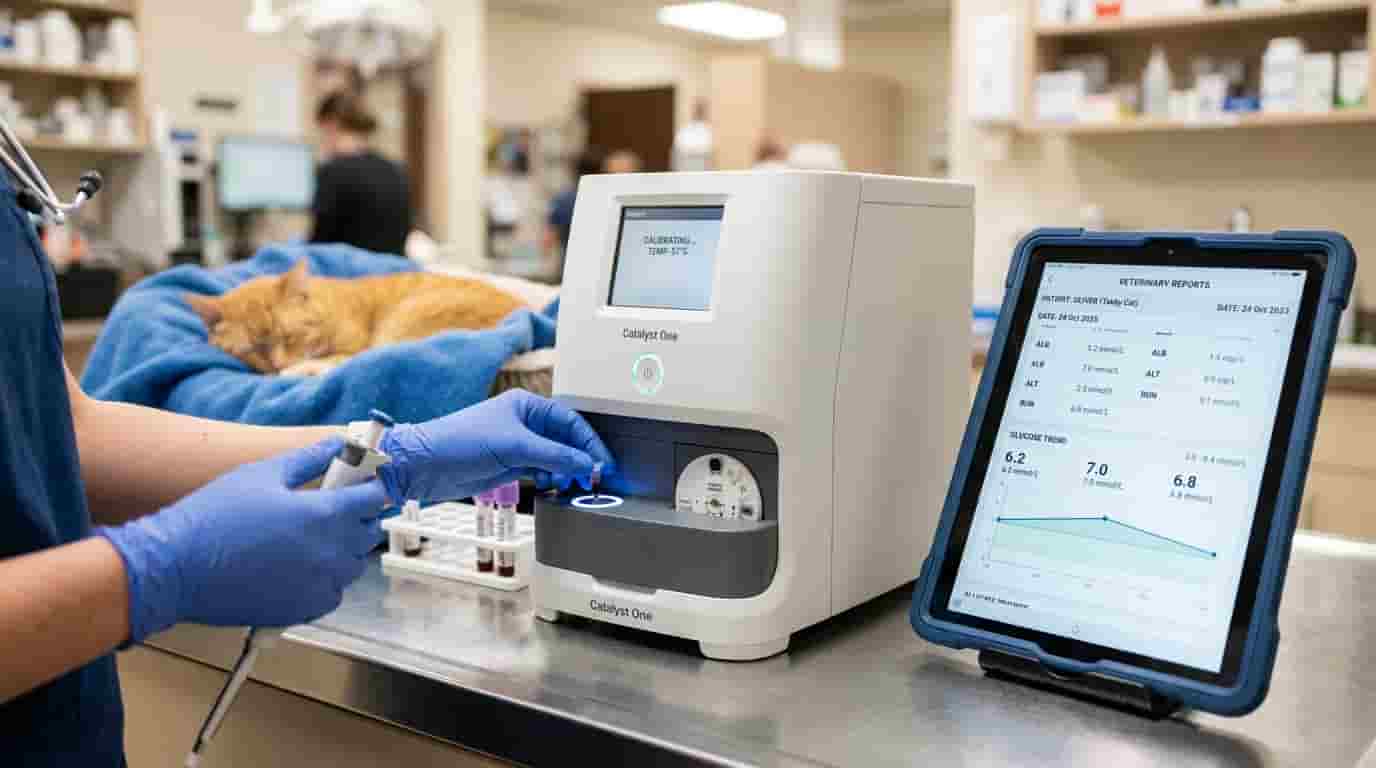
Cat Diabetes Symptoms: How to Manage a Sugar Baby Feline
Introduction:
Cat diabetes symptoms often go unnoticed for months before an owner realizes something is genuinely wrong. Your cat seems a little thirstier than usual. They visit the litter box more often. They slowly start losing weight despite eating the same amount of food they always have.
These signs feel easy to explain away. However, each one of them is a classic early signal of feline diabetes mellitus, a condition that is far more common in cats than most owners realize. Furthermore, the longer diabetes goes unmanaged, the more serious and harder to reverse the damage becomes.
The encouraging reality is that diabetes in cats is very manageable with the right approach. Many diabetic cats live completely normal, comfortable, and active lives with proper care, consistent monitoring, and dietary changes. Some cats even achieve diabetic remission entirely with early and aggressive treatment.
This guide gives you a clear picture of what cat diabetes symptoms look like in the real world, what happens inside your cat’s body during a diabetic episode, and exactly how daily management works once a diagnosis arrives.
Cat Diabetes Symptoms: What Your Cat’s Body Is Actually Telling You

Understanding cat diabetes symptoms starts with understanding what diabetes actually does inside your cat’s body. Cats develop Type 2 diabetes most commonly, which means their cells stop responding properly to insulin. As a result, glucose builds up in the bloodstream instead of entering cells to produce energy.
Your cat essentially starves at the cellular level even while eating normally. Their body starts breaking down fat and muscle tissue to find the fuel their cells cannot access from glucose. This internal process drives many of the visible signs of diabetes in cats that owners eventually notice from the outside.
The four most recognized early warning signs are known collectively as the “Four P’s” in veterinary medicine:
- Polyuria which means urinating far more frequently than normal
- Polydipsia which means drinking dramatically more water than usual
- Polyphagia which means increased hunger and food seeking behavior
- Weight loss despite normal or even increased food consumption
According to PetMD, these four signs together represent the hallmark presentation of feline diabetes and should prompt an immediate veterinary visit for blood glucose testing.
Additionally, diabetic cat symptoms extend beyond these four classic signs as the disease progresses. Therefore, knowing the full picture gives you a much earlier opportunity to catch and address the problem before it advances.
The Full Feline Diabetes Symptoms Checklist

Many cat owners only recognize diabetes after the most obvious signs become impossible to ignore. However, subtler early signs appear long before then in most cats. Training yourself to notice these changes puts you months ahead of where most owners catch the diagnosis.
Here is a comprehensive feline diabetes symptoms checklist to watch for:
Early signs:
- Noticeably increased water intake at the bowl or from unexpected sources
- More frequent litter box visits or larger urine clumps in the litter
- Gradual but consistent weight loss over several weeks
- Increased appetite with more persistent food-seeking behavior
- Reduced energy and less interest in play or exploration
Progressive signs:
- A distinctive sweet or fruity smell on the breath from ketones building in the bloodstream
- Weakness in the hind legs causing a flat-footed or plantigrade stance
- Cloudy eyes in some cases, particularly in cats with poorly controlled blood sugar
- Vomiting or nausea that happens repeatedly rather than occasionally
- Visible muscle wasting along the spine and hindquarters despite regular feeding
That hind leg weakness is a particularly distinctive sign that sets feline diabetes apart from many other conditions. Cats with this symptom walk flat on their hocks rather than on their toes as healthy cats normally do. Noticing this change in your cat’s gait should send you straight to your veterinarian without delay.
Which Cats Face the Highest Risk of Developing Diabetes

Not every cat carries an equal risk of developing diabetes. Knowing your cat’s specific risk profile helps you monitor them more proactively and potentially catch cat diabetes symptoms before they fully develop.
These factors significantly increase a cat’s risk:
- Obesity is the single largest controllable risk factor by a significant margin
- Age over seven years because middle-aged and senior cats develop insulin resistance more easily
- Male cats develop diabetes at roughly twice the rate of female cats
- Neutered cats face higher risk compared to intact cats in most studies
- Sedentary indoor-only lifestyle with minimal daily physical activity
- Long-term steroid medication use which directly disrupts insulin function
- Chronic pancreatitis which damages the insulin-producing cells in the pancreas over time
Consider what happened to David in Manchester, England. His large, twelve-year-old neutered male tabby named Chester gradually started drinking from the bathroom tap every morning. David assumed Chester simply developed a quirky new preference for running water. Several months later, Chester’s vet discovered severe diabetes with early hind leg weakness already present. David wished he had recognized those drinking changes as a cat diabetes warning sign far sooner.
Chester responded well to insulin therapy and a high-protein low-carbohydrate diet. Within six months he regained full strength in his hind legs and his blood sugar stabilized to consistently healthy levels.
How Diagnosing Diabetes in Cats Actually Works

Recognizing signs of diabetes in cats at home is only the first step. Confirming a diagnosis requires specific veterinary testing because several other conditions share similar symptoms and need to be ruled out first.
Your vet will typically run these tests:
1. Blood glucose test. A high fasting blood glucose level above 300 mg per deciliter strongly suggests diabetes. However, cats experience stress hyperglycemia very easily, meaning a single high reading during a stressful vet visit can be misleading on its own.
2. Fructosamine test. This test measures average blood glucose levels over the previous two to three weeks rather than a single moment in time. It gives a far more accurate picture of whether consistently high blood sugar reflects true diabetes rather than temporary stress response.
3. Urinalysis. Glucose spilling into the urine confirms that blood glucose levels have been consistently exceeding the kidneys’ filtering capacity. This finding alongside a high fructosamine result confirms a diabetes diagnosis with confidence.
4. Full bloodwork panel. This identifies any concurrent conditions affecting management decisions. Cats with diabetes frequently develop secondary kidney stress over time. Understanding your cat’s full health picture from the start shapes better treatment planning. The connection between blood sugar regulation and organ health makes reading about cat kidney health particularly valuable for diabetic cat owners managing multiple health concerns together.
Managing a Diabetic Cat Day to Day: What Life Actually Looks Like

A diabetes diagnosis feels overwhelming at first for most cat owners. However, thousands of owners successfully manage diabetic cats at home every single day with routines that become second nature very quickly.
Here is what daily management typically involves:
Insulin injections. Most diabetic cats require insulin injections once or twice daily given beneath the skin. The needles are very small and most cats tolerate injections far better than owners expect. Your vet teaches you exactly how to draw the correct dose and administer it safely at home.
Consistent meal timing. Diabetic cats need to eat at set times that align with their insulin schedule. Free feeding dry food throughout the day disrupts blood sugar regulation significantly. Scheduled meals create the predictable glucose patterns that insulin dosing depends on.
Dietary changes. A high-protein low-carbohydrate diet forms the foundation of diabetic cat management. Wet food naturally provides lower carbohydrate content than dry kibble and also improves hydration simultaneously. Many diabetic cats show significant blood sugar improvement from diet alone within the first few weeks of switching.
Home glucose monitoring. Many vets now teach owners to check blood glucose at home using a pet glucometer. Home monitoring reduces vet visits and helps owners catch dangerous highs and lows before they become emergencies.
Regular veterinary rechecks. Blood glucose curves performed at your vet clinic track how well the current insulin dose controls your cat’s diabetes over time. Dose adjustments happen frequently during the first few months as your cat’s body responds to treatment.
It is also important to stay current with routine preventive care during diabetic management. Chronic immune stress from conditions like heavy flea infestations worsens insulin resistance. Effective cat flea prevention therefore supports better diabetic stability in ways that many owners do not initially expect. Furthermore, cat dental disease causes chronic bacterial stress that directly destabilizes blood sugar levels, making dental care a genuinely important part of diabetic management as well.
Conclusion
Cat diabetes symptoms often hide in plain sight for months before owners connect the dots. Increased thirst, weight loss, more frequent urination, and hind leg weakness all point toward the same underlying problem when they appear together in your cat.
The good news is that recognizing cat diabetes symptoms early gives you real treatment options and a genuinely strong chance at remission or long-term stable management. Diet changes, insulin therapy, and consistent monitoring give diabetic cats excellent quality of life for many years after diagnosis.
Do not wait to act if your cat shows any of the signs described in this guide. Early diagnosis always leads to better outcomes. Have you managed a diabetic cat before? Share your experience in the comments and let other owners know what helped you most during those first weeks after diagnosis.
Frequently Asked Questions
The earliest signs most owners notice are increased thirst, more frequent litter box visits, and gradual unexplained weight loss despite normal eating. Some cats also become more vocal around mealtimes and seek food more persistently than usual. A vet visit with blood and urine testing confirms whether these signs point to diabetes.
Yes, some cats achieve full diabetic remission where they no longer require insulin injections to maintain normal blood sugar. Remission is most likely when diabetes is caught early and treated aggressively with a high-protein low-carbohydrate diet and appropriate insulin therapy. Not all cats achieve remission, but many that do not still live comfortably with ongoing daily management.
Ongoing costs typically include insulin, syringes, testing supplies, and regular veterinary rechecks, which vary significantly by location and the specific insulin type prescribed. Initial diagnosis and stabilization involves higher costs during the first one to three months as the correct dose gets established. Many owners find the routine costs become quite predictable and manageable once the cat stabilizes.
High-protein low-carbohydrate wet food forms the ideal diet for diabetic cats because it keeps blood sugar far more stable than dry kibble does. Many vets recommend a diet that gets less than ten percent of its calories from carbohydrates. Always confirm specific dietary recommendations with your vet before making major food changes in a diabetic cat.
Uncontrolled diabetes causes significant discomfort through nausea, weakness, and the burning sensation associated with nerve damage in the legs known as diabetic neuropathy. Well-managed diabetes with stable blood sugar causes minimal ongoing discomfort in most cats. Early diagnosis and consistent management dramatically reduce the risk of these painful complications developing.