Can Cats Eat Rice? Is Cooked Rice Safe for Cats?
Introduction:
Can Cats Eat Rice? Is Cooked Rice Safe for Cats? Yes, plain, fully cooked rice can generally be offered to cats in small amounts, but it is not a necessary part of their diet. As obligate carnivores, cats thrive on nutrient-dense, meat-based diets. While cooked rice is not inherently toxic to felines, it serves purely as an occasional carbohydrate supplement rather than a dietary requirement.
Many pet owners wonder if sharing a spoonful of rice from their plate is safe. The key distinction lies in how the food is prepared: plain, unseasoned rice is vastly different from human rice dishes packed with salt, oils, and toxic additives like onions or garlic. Feline digestion operates differently from ours, and human seasonings can turn a harmless grain into a veterinary emergency.
Understanding whether cats can eat rice involves examining safe preparation methods, appropriate portion sizes, different grain varieties, and rice-based human foods to avoid. Whether you are curious about offering a small treat, considering a chicken-and-rice mixture for mild tummy upset, or checking whether kittens can safely eat grains, this comprehensive guide covers everything you need to know about rice in a healthy cat diet.
Can Cats Eat Rice?
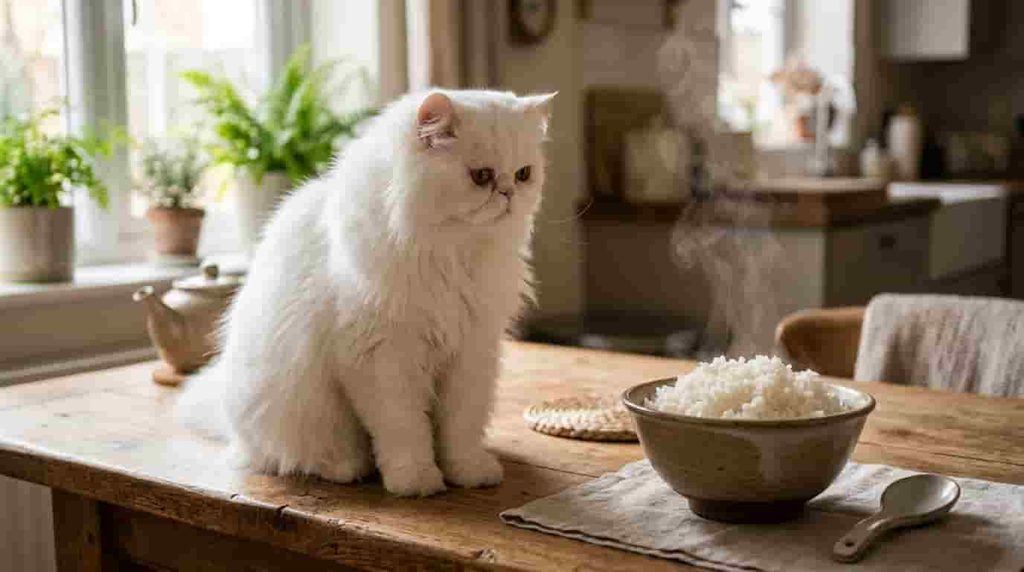
Plain, cooked rice can be safe for many healthy cats when offered as an occasional treat in strictly controlled portions. However, it should never form the foundation of a feline diet. Feline physiology is built specifically to process animal protein and fats, meaning carbohydrates like rice provide minimal nutritional value to an otherwise healthy cat.
Cats are obligate carnivores. Unlike omnivorous dogs or humans, cats require specific amino acids like taurine and arginine, as well as preformed vitamins that are natively found only in animal tissue. Rice lacks these vital nutrients. While a small amount of digestible carbohydrate can offer a quick source of energy, it cannot replace the complex balance of a complete feline diet.
The inherent safety of rice depends entirely on its preparation. Plain white or brown rice cooked strictly in water poses very little direct harm to a cat’s gastrointestinal tract. Conversely, seasoned rice, fried rice, rice pudding, or dishes prepared with sauces present significant health risks.
Safety Framework:
Plain + Fully Cooked + Completely Unseasoned + Very Small Portion = The safest approach for feeding rice to a cat.
When considering rice for feline consumption, remember that “safe in small quantities” is not the same as “nutritiously required.” Offering a bite of plain rice will not harm most adult cats, but it should remain a rare extra rather than a daily staple.
Is Cooked Rice Safe for Cats?
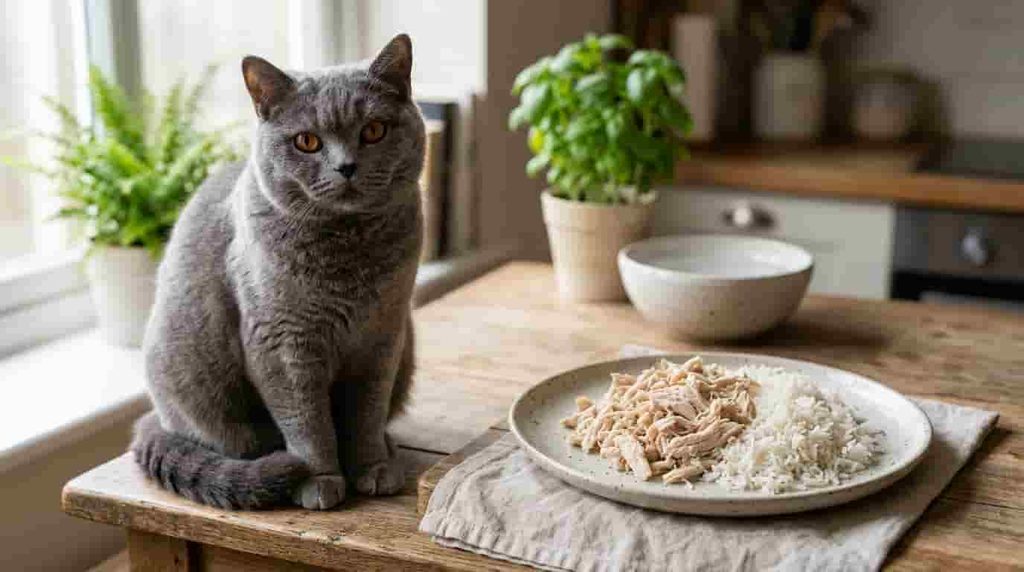
Why Plain Cooked Rice Is Different From Rice Dishes
Raw rice is completely indigestible for cats and can cause severe gastrointestinal distress, intestinal blockage, or abdominal discomfort. Thorough cooking breaks down the starches within the grain, making it soft, digestible, and safe for a cat’s digestive tract to process in small quantities.
Plain cooked rice avoids the hazardous additives typically found in human cooking. When you prepare rice for human consumption, it is usually combined with butter, oils, salt, stock, or aromatic seasonings. Strip those extra ingredients away, and you are left with a simple, neutral starch that is far gentler on a cat’s stomach.
What Makes Rice Unsafe?
The danger associated with rice rarely stems from the grain itself; rather, it comes from common culinary additions. Human rice dishes frequently contain ingredients that are toxic or irritating to felines:
- Onions and Garlic: Members of the Allium family destroy feline red blood cells, leading to a dangerous condition known as Heinz body hemolytic anemia. Even trace amounts of onion or garlic powder in seasoned rice can be dangerous.
- Excessive Salt: A cat’s kidneys are compact and sensitive. High sodium intake can lead to electrolyte imbalances, increased thirst, and potential sodium ion poisoning.
- Fats and Oils: Butter, lard, sesame oil, and cooking oils add unnecessary calories and can trigger acute pancreatitis or severe diarrhea.
- Spices and Seasonings: Chili powder, black pepper, and artificial flavor enhancers can irritate the delicate lining of a cat’s stomach and intestines.
The distinction is clear: plain, water-cooked rice is a benign starch, whereas seasoned human rice dishes pose immediate health risks to your pet.
How Much Rice Can Cats Eat?
Even when rice is prepared safely, portion control remains critical. Treats, toppers, and non-essential human foods should never exceed 10% of a cat’s total daily caloric intake, with 5% or less being an even safer benchmark for non-protein treats like carbohydrates.
Because rice is carbohydrate-dense, a cat only needs a tiny amount to experience any potential dietary effect. Giving a cat a whole bowl of rice is equivalent to a human eating several large loaves of bread in one sitting—it overburdens the digestive system and displaces essential nutrients.
A cat’s daily diet should consist of:
- 90–95% Complete & Balanced Cat Food: Animal proteins and essential fats.
- 5–10% Maximum Safe Treats: Rare extras like plain cooked rice.
When introducing rice to your cat for the first time, follow this conservative step-by-step framework:
- Start Microscopic: Offer no more than half a teaspoon of plain, cooked rice to test individual tolerance.
- Serve Unseasoned: Ensure the rice is thoroughly boiled in plain water with zero added salt, oil, or spices.
- Observe Reactions: Watch your cat over the next 24 to 48 hours for any subtle changes in stool quality, vomiting, or lethargy.
- Keep It Spontaneous: Limit rice to a sporadic treat—never a daily addition—unless explicitly instructed by your veterinarian during a recovery period.
- Discontinue Immediately: If your cat exhibits gas, loose stool, or vomiting, stop feeding rice entirely and return to their baseline diet.
Every cat possesses a unique digestive profile. An adult cat with a sensitive stomach may react poorly to even a teaspoon of plain rice, while another might tolerate it without issue.
Can Cats Eat Rice Every Day?
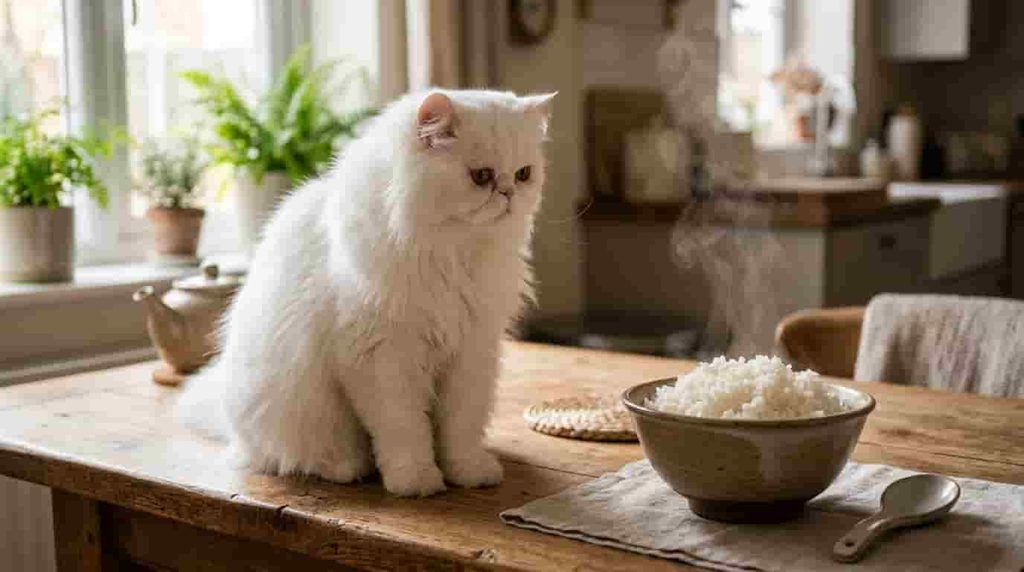
Feeding rice to your cat every day is strongly discouraged. A regular daily feeding of rice, even in small amounts, introduces unnecessary carbohydrates into a physiological system designed to process proteins and fats.
Over time, daily rice consumption can lead to several long-term health concerns:
- Nutritional Displacement: Every spoonful of rice a cat eats reduces their appetite for their complete and balanced cat food. Over weeks or months, this can lead to subtle deficiencies in essential vitamins, minerals, and amino acids like taurine.
- Weight Gain and Obesity: Excess carbohydrates that are not burned off as immediate energy are converted into fat. Feline obesity severely increases the risk of joint issues, hepatic lipidosis, and feline diabetes.
- Digestive Sluggishness: While small amounts of fiber can sometimes assist digestion, chronic carbohydrate intake can alter the gut microbiome, leading to flatulence, bloating, or irregular bowel movements.
Occasional rice—such as a single teaspoon once every few weeks—is unlikely to cause harm. However, using rice as a daily fixture or meal filler disrupts proper feline nutrition.
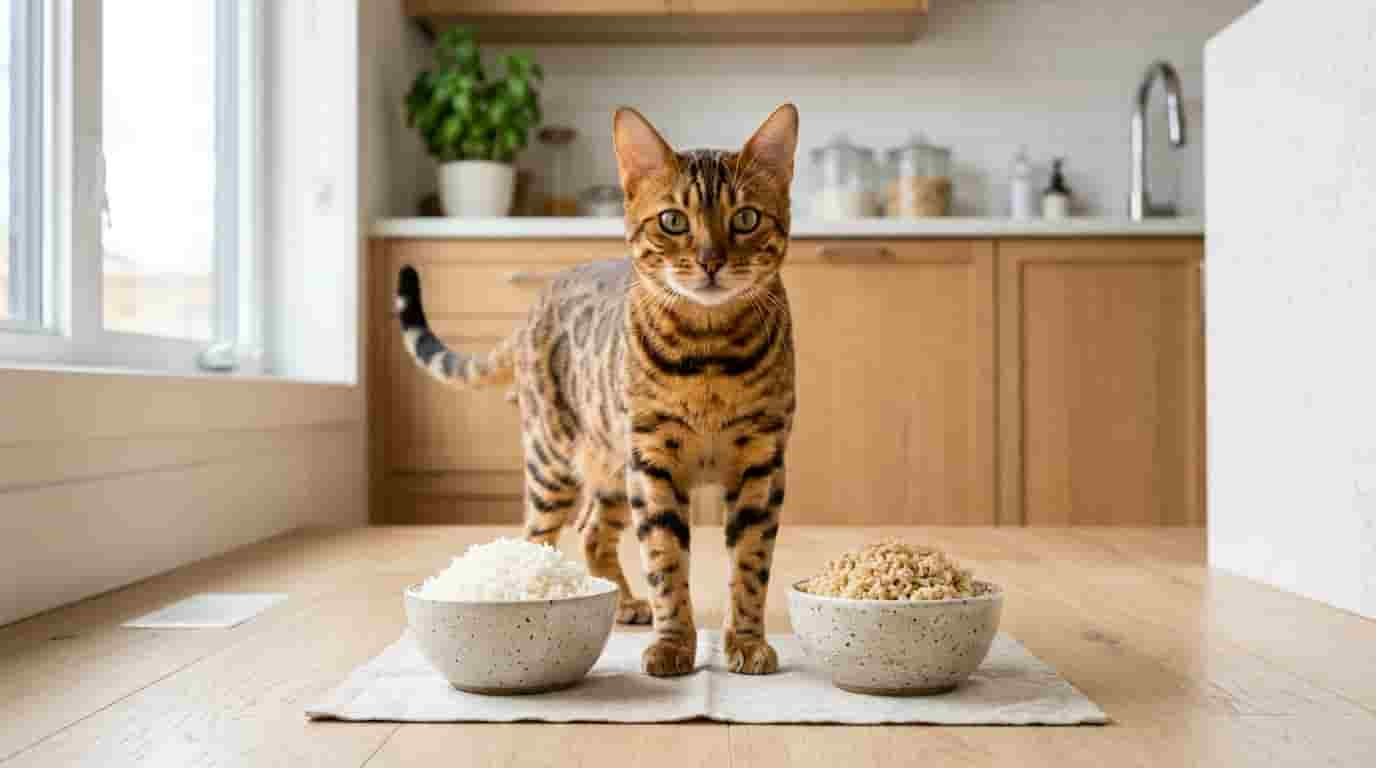
White Rice vs. Brown Rice for Cats
When deciding between white and brown rice for cats, both varieties have specific characteristics, but neither should serve as a primary dietary component.
| Feature | Cooked White Rice | Cooked Brown Rice |
| Processing Level | High (husk, bran, and germ removed) | Low (whole grain with bran intact) |
| Digestibility | Very high; gentle on the stomach | Moderate; harder for cats to break down |
| Fiber Content | Low fiber | Higher fiber |
| Primary Use Case | Short-term mild digestive upset | Occasional bulk fiber addition |
| Preparation Needs | Must be thoroughly boiled | Requires longer cooking to soften bran |
White Rice for Cats
White rice has its outer bran layer and germ removed during processing. This makes it significantly lower in dietary fiber, but exceptionally easy for a cat’s short digestive tract to process. Because it is simple to digest, plain white rice is the preferred option when a veterinarian recommends a temporary bland diet to help bind loose stool during mild digestive episodes.
Brown Rice for Cats
Brown rice retains its nutrient-dense outer bran layer and germ, offering higher natural fiber, vitamins, and minerals. While these attributes make brown rice a healthy choice for omnivorous humans, they are less advantageous for obligate carnivores. The extra fiber content in brown rice makes it harder for a cat to digest, which can potentially trigger mild cramping or gas in sensitive felines.
For occasional, safe feeding, the method of preparation matters far more than the color of the grain. Both white and brown rice must be served thoroughly cooked, completely plain, and in strict moderation.
Can Kittens Have Rice?

Kittens should not be fed rice unless under the direct instruction and supervision of a licensed veterinarian.
Growing kittens undergo rapid bone, muscle, and organ development during their first year of life. To support this intense growth, they require precise ratios of animal-based protein, fats, calcium, phosphorus, and energy density. A kitten’s stomach capacity is extremely small, meaning every bite of food they consume must count toward their strict nutritional requirements.
Filling a kitten’s limited stomach space with rice offers “empty” calories that lack the vital building blocks needed for healthy growth. High-protein and high-fat foods support optimal growth, whereas carbohydrates like rice merely fill the stomach without contributing to essential physiological development.
Furthermore, a kitten’s digestive system is immature and sensitive; introducing complex carbohydrates can quickly trigger diarrhea, leading to dangerous dehydration in small bodies.
If a young kitten exhibits digestive distress, loose stools, or a lack of appetite, do not attempt to treat them at home with human grains. Kittens can deteriorate rapidly from fluid loss, making prompt veterinary evaluation essential.
Can Cats Eat Rice and Chicken?
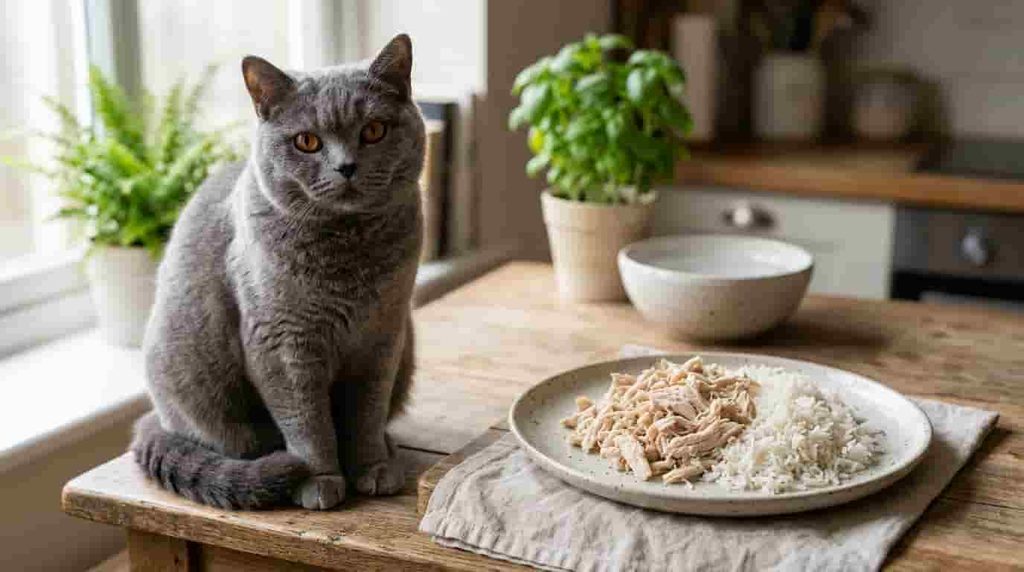
Plain Chicken and Rice
A classic combination of plain, boiled chicken breast and plain white rice is a well-known temporary home remedy for mild gastrointestinal upset in pets. When a cat suffers from minor, uncomplicated diarrhea or vomiting, a veterinarian may suggest a short-term bland diet to allow the intestinal tract to rest.
In this combination, the boiled chicken provides lean, highly digestible animal protein to maintain muscle mass, while the plain white rice contributes a soft, simple starch that helps absorb excess fluid and bind the stool.
When preparing this combination:
- Use boneless, skinless chicken breast.
- Boil both the chicken and rice in plain water.
- Do not use oils, salt, butter, chicken broth with additives, or seasonings.
- Shred or dice the chicken into small, bite-sized pieces to prevent choking.
Chicken-and-Rice Meals and Nutritional Completeness
While chicken and rice can serve as an effective short-term bland diet, it is completely unbalanced for long-term feeding. Plain chicken breast and rice lack essential feline micronutrients, including taurine, calcium, essential fatty acids, and key vitamins. Feeding a homemade chicken-and-rice diet for more than a few days without veterinary-guided supplementation can result in severe nutritional deficiencies.
If you are interested in exploring appropriate protein options beyond chicken, read our detailed guide on Can Cats Eat Chicken? What Parts Are Safe and What to Avoid to understand proper preparation and safety rules.
Can Cats Eat Rice and Beans?
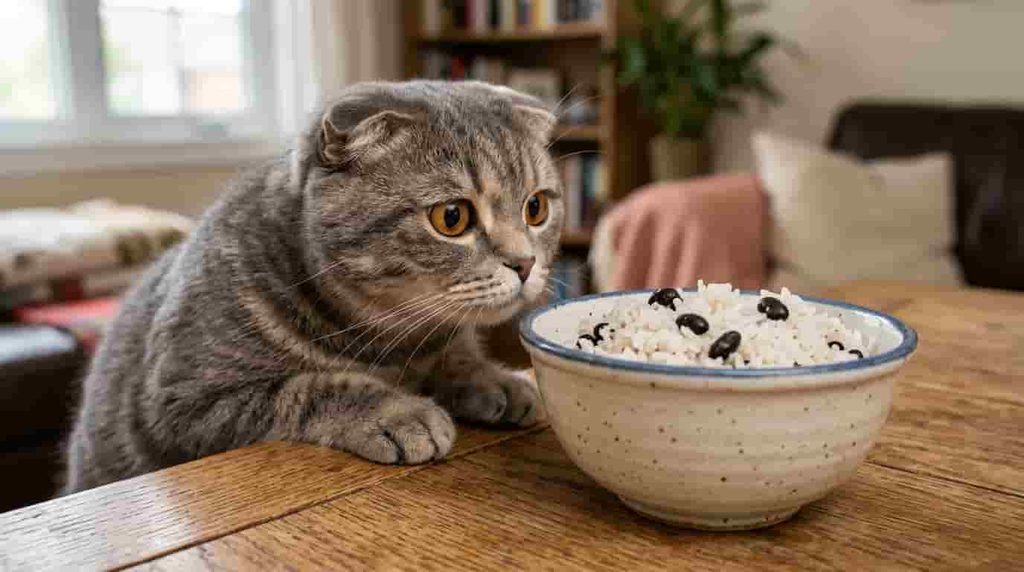
Cats should avoid eating rice and beans. While this combination forms a complete protein source for human vegetarian diets, it is unsuitable for feline physiology.
Beans—such as black beans, kidney beans, or pinto beans—are rich in complex carbohydrates, plant proteins, and heavy fibers. A cat’s short gastrointestinal tract is not designed to break down these dense plant structures efficiently. Feeding beans to a cat frequently results in:
- Excessive gas and painful abdominal bloating
- Indigestion and stomach cramps
- Loose stools or sudden diarrhea
Additionally, commercial or home-cooked rice and beans are almost always heavily seasoned with salt, garlic, onions, lard, or chili spices. Even if offered plain, the combination delivers an overwhelming amount of plant matter that offers little biological value to a carnivorous cat.
Can Cats Eat Rice Cakes?
Cats should not be fed commercial rice cakes. Although rice cakes may seem like a simple, low-calorie snack, they are processed foods designed exclusively for human consumption.
- Plain Cooked Rice: Soft and hydrated, easy to swallow, zero added sodium, and highly digestible.
- Commercial Rice Cakes: Very dry and crisp, high risk of choking or impaction, frequently high in salt, and made from ultra-processed starch.
Commercial rice cakes present several distinct hazards for felines:
- Choking Hazard: The dry, crisp texture of a rice cake breaks down into sharp, gummy fragments that can stick to the roof of a cat’s mouth or get caught in their throat.
- High Sodium Content: Even plain human rice cakes often contain added salt to enhance flavor, contributing unnecessary sodium to your cat’s diet.
- Unsafe Flavorings: Flavored varieties (such as white cheddar, caramel, or ranch) contain dairy powders, spices, onion extracts, and artificial additives that can make a cat sick.
While an accidental crumb dropped on the floor is unlikely to be toxic, rice cakes should never be intentionally offered as a treat.
Can Cats Eat Rice Pudding?
Cats should never eat rice pudding. While plain cooked rice itself is benign, rice pudding is a rich dessert packed with ingredients that are harmful to felines.
Rice pudding recipes typically rely on whole milk, heavy cream, condensed milk, refined sugar, butter, and spices like cinnamon or nutmeg. This combination creates multiple health hazards for cats:
- Lactose Intolerance: Contrary to popular media depictions, most adult cats are lactose intolerant. They lack sufficient lactase enzymes to digest dairy products, leading to severe stomach cramps, gas, and explosive diarrhea.
- High Sugar Content: Cats lack sweet taste receptors and derive zero enjoyment from sugar. Added sugar contributes to obesity, dental decay, and metabolic distress.
- Potential Toxicity: Many traditional rice pudding recipes include raisins or sultanas, which are highly toxic to cats and can cause acute kidney failure. Spices like nutmeg can also be toxic in relatively small amounts.
Always keep sweet human desserts like rice pudding well out of reach of your pet.
Can Cats Eat Rice and Milk?
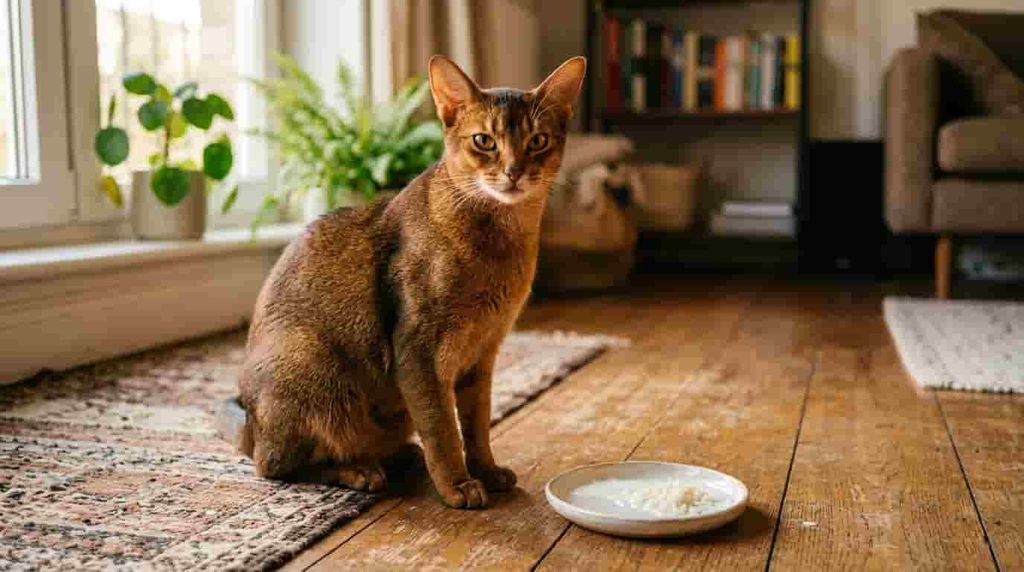
Cats should not be fed rice mixed with milk. Combining a carbohydrate-dense grain with a high-lactose dairy liquid creates a mix that is very likely to cause digestive trouble for an adult cat.
When a cat consumes milk, the undigested lactose travels to the large intestine, where native bacteria ferment it. This process creates excess gas, fluid retention, and severe abdominal discomfort. Adding rice to the mix increases the digestive burden, resulting in:
- Pronounced abdominal bloat and audible stomach gurgling
- Painful intestinal cramping
- Diarrhea and messy litter box cleanup
- Lethargy resulting from digestive distress
If you want to offer your cat a liquid treat or hydrate their food, plain water or a specially formulated, lactose-free feline milk supplement is a far safer choice.
What Are the Risks of Feeding Rice to Cats?
Understanding the potential risks of feeding rice to cats allows pet owners to make informed decisions before sharing human foods.
Digestive Upset
Introducing any unfamiliar human food into a cat’s diet can upset the delicate balance of their gastrointestinal system. Because a cat’s gut microbiome is optimized for animal tissue, processing plant starches requires extra digestive effort. Excessive or sudden rice consumption can result in loose stool, diarrhea, acute vomiting, or painful gas.
Nutrient Displacement
The most significant long-term danger of feeding carbohydrates to obligate carnivores is nutritional displacement. A cat’s stomach has a fixed volume. If a portion of their daily food intake consists of non-essential starches like rice, they consume less of their complete feline diet. Over time, this deprives them of essential nutrients like taurine—an amino acid whose deficiency can lead to blindness and dilated cardiomyopathy (a fatal heart condition).
Unsafe Ingredients in Prepared Rice
When cats gain access to human meal leftovers, the danger is rarely the rice grain itself, but rather the seasonings cooked into it. Ingredients to watch out for include:
- Garlic and Onions: Highly toxic Allium species that cause red blood cell destruction.
- Excess Salt: Contributes to renal stress and potential sodium toxicity.
- Cooking Oils and Fats: High fat content can trigger acute pancreatitis, a painful and dangerous inflammatory condition.
- Spices: Pepper, chili, and curry blends irritate the esophageal and stomach linings.
Individual Dietary Needs
Cats with pre-existing medical conditions—such as feline diabetes, inflammatory bowel disease (IBD), chronic kidney disease (CKD), or severe food allergies—should never be fed rice without explicit veterinary approval. High-carbohydrate foods can cause dangerous blood glucose spikes in diabetic cats and complicate dietary management in cats with gut inflammation.
How to Prepare Rice for a Cat Safely
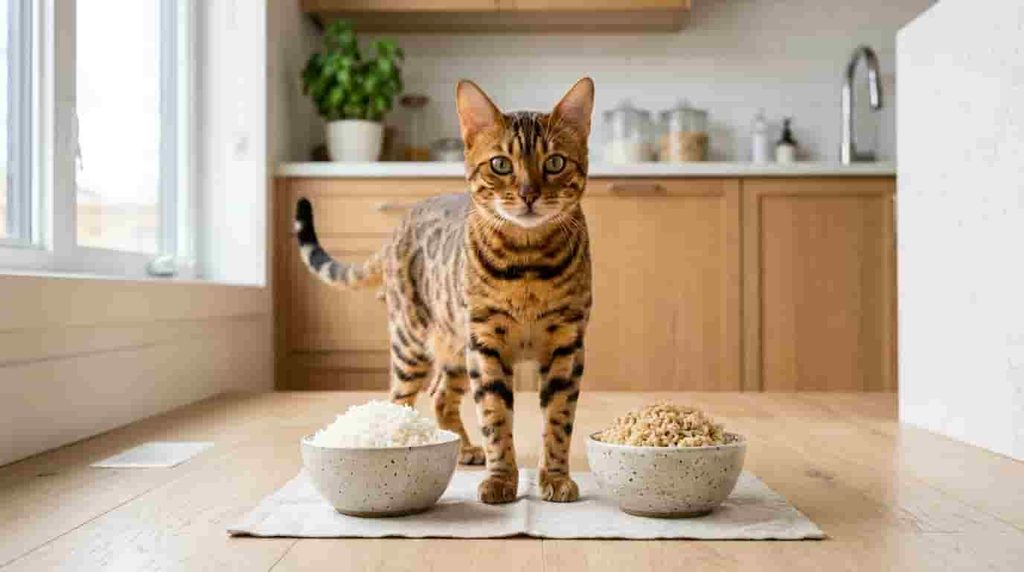
If your veterinarian has recommended a short-term bland diet using rice, or if you choose to give your healthy adult cat an occasional taste, strict preparation rules must be followed.
Step-by-Step Preparation Guide
- Choose Plain Rice: Select standard white or brown grain rice. Avoid pre-packaged rice mixes, instant flavored cups, or pilaf blends that contain added salt or herbs.
- Boil Thoroughly in Water: Cook the rice using plain water only. Do not use garlic broth, onion-infused stocks, butter, lard, or cooking oils. Extend the cooking time slightly to make the grains extra soft and easily digestible.
- Keep It 100% Unseasoned: Add zero salt, herbs, spices, or sauces. What tastes completely bland to a human is perfect for a cat’s sensitive digestive tract.
- Cool Completely: Allow the cooked rice to cool down to room temperature before serving. Offering warm or hot food can burn a cat’s sensitive tongue and mouth tissue.
- Offer a Controlled Amount: Limit the serving size to half a teaspoon or one full teaspoon maximum. You can offer it plain or mix it directly into their regular wet cat food.
- Monitor Your Cat: Observe your pet closely for 24 to 48 hours following consumption to ensure they digest the grain without issue.
Safe Household Scenario
Consider a situation where an owner is preparing a healthy meal at home and wishes to share a tiny treat with their adult cat. Instead of spooning seasoned rice directly from their dinner plate, the owner scoops out half a teaspoon of plain rice from the cooking pot before adding any salt, butter, or spices for the family. They let the small portion cool completely before placing it in the cat’s dish. This simple step eliminates exposure to toxic ingredients while keeping the portion strictly controlled.
Rice in Cat Food: Is It a Problem?
Reading the ingredient label on commercial cat food can sometimes confuse pet owners. Rice is frequently listed as an ingredient in high-quality commercial kibble and wet formulas, raising the question: If cats are obligate carnivores, why is there rice in their cat food?
- Commercial Cat Food Rice: Formulated in precise percentages, balanced with meat proteins, supplemented with taurine, and thoroughly cooked for easy digestion.
- A Bowl of Plain Human Rice: Unbalanced starch overload, lacks essential amino acids, displaces complete cat food, and provides no long-term balance.
Seeing rice in a commercial cat food label is generally not a cause for concern, provided the product is certified as complete and balanced. In commercial pet food manufacturing, rice serves specific functional purposes:
- Structural Binder: Carbohydrates are essential in the extrusion process used to manufacture dry kibble, giving the biscuit its shape, crunch, and structure.
- Digestible Energy Source: Highly refined rice starches provide an easily processed energy source that complements animal proteins.
- Fiber Balance: Controlled amounts of dietary fiber help support healthy stool consistency and hairball management.
The critical distinction is balance. In a reputable commercial cat food, rice is cooked, processed, and balanced alongside essential meat proteins, taurine, vitamins, and minerals. Feeding a bowl of plain rice at home lacks this nutritional architecture.
What Is the Best Diet for Cats?
Understanding how rice fits into feline nutrition requires looking at what constitutes an optimal overall cat diet. As obligate carnivores, cats evolved to derive their energy and structural building blocks primarily from animal tissue.
A healthy feline diet relies on a few fundamental pillars:
- High-Quality Animal Protein: The cornerstone of feline nutrition. Meat, poultry, and fish supply critical amino acids like taurine, arginine, cysteine, and methionine.
- Essential Animal Fats: Fats provide concentrated energy, support cellular health, and aid in the absorption of fat-soluble vitamins (A, D, E, and K). Fatty acids like omega-3 and omega-6 support skin and coat health.
- Proper Hydration: Cats naturally have a low thirst drive because their wild ancestors derived most of their moisture directly from prey. Wet canned food or fresh water sources help preserve kidney and urinary tract health.
- Minimal Carbohydrates: While cats can process small amounts of digested starches, complex carbohydrates should remain a minimal part of their daily energy intake.
When evaluating human food additions, remember that treats should supplement—never replace—a nutritionally complete diet. For example, if you want to explore protein treats that better match a cat’s physiological design, learn more about safe options in our article on Can Cats Eat Eggs? Are Cooked, Raw and Scrambled Eggs Safe?
What Human Foods Are Safe for Cats?
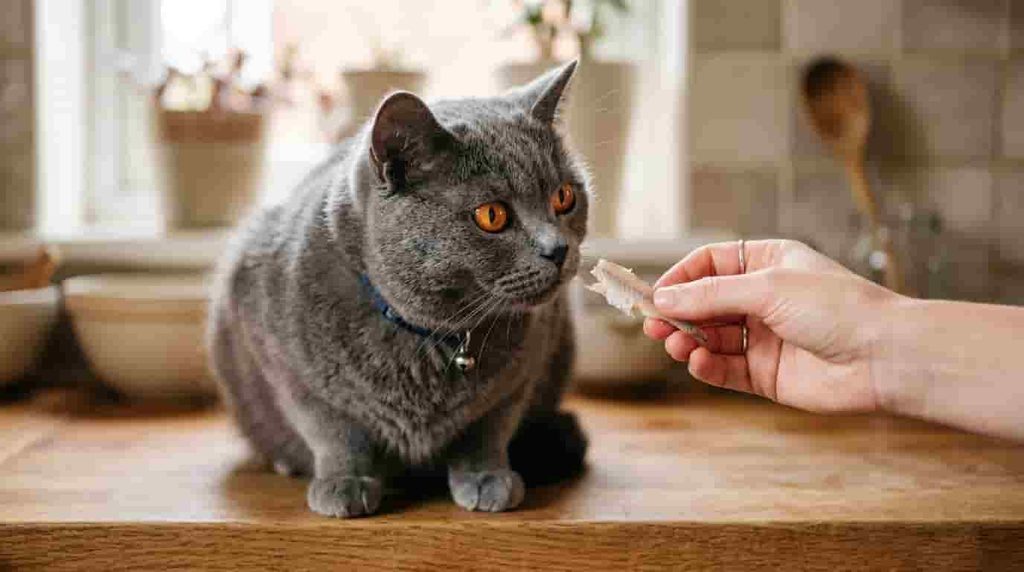
While a complete commercial cat food should form the foundation of your pet’s intake, many cat owners enjoy offering small, safe human food treats. Human foods offered to cats should always be unseasoned, thoroughly cooked, and given in small amounts.
Safe human foods fall into two main categories:
Safe Meat and Protein Treats (Preferred):
- Plain, thoroughly cooked chicken, turkey, or beef
- Plain, cooked fish served without bones
- Fully cooked eggs (scrambled or boiled without oil or salt)
Safe Carbohydrate / Fiber Treats (Strict Moderation):
- Plain, thoroughly cooked white or brown rice
- Plain, cooked pumpkin puree (excellent for digestive fiber)
- Plain, cooked oatmeal boiled in water
When offering seafood, it is vital to know which species are safe and how frequently they can be offered. You can explore complete guidelines in our companion guides on Can Cats Eat Tuna? How Much Is Safe and How Often? and Can Cats Eat Fish? Safe Types, Bones, Raw Fish and Feeding Tips
When Should You Contact a Veterinarian?

While plain rice is non-toxic, unexpected reactions can occur anytime a cat eats new or non-standard food. Knowing when to stop home observation and seek professional guidance is essential for protecting your pet’s health.
Contact your veterinarian immediately if you observe any of the following warning signs:
- Persistent Vomiting or Severe Diarrhea: If your cat exhibits repeated gastrointestinal upset lasting longer than 24 hours after eating rice, professional medical care is necessary to prevent severe dehydration.
- Known Ingestion of Toxic Seasonings: If your cat eats rice cooked with garlic, onions, heavy spices, or high amounts of salt, contact your veterinarian or a pet poison helpline right away, even before symptoms appear.
- Signs of Abdominal Pain or Distress: Vocalizing, hunching over, swelling in the abdomen, or extreme sensitivity to touch around the stomach indicate severe digestive discomfort or potential blockage.
- Lethargy and Refusal to Eat: A cat that becomes weak, unresponsive, or refuses their normal food for more than 24 hours requires prompt veterinary care.
- Vulnerable Pets: Kittens, elderly cats, or cats with pre-existing conditions like kidney disease or diabetes should be evaluated by a veterinarian at the first sign of gastrointestinal distress.
Disclaimer: This article is intended solely for educational purposes and should not replace professional veterinary advice, diagnosis, or treatment. Always consult your veterinarian before making significant changes to your pet’s diet.
Frequently Asked Questions About Cats and Rice
Is cooked rice okay for cats?
Plain, fully cooked rice is safe for most healthy adult cats when offered occasionally and in very small quantities. However, it must be completely free of salt, butter, oils, garlic, onions, and seasonings, which can cause severe digestive distress or toxicity.
Can cats eat rice every day?
Cats should not eat rice every day. Because cats are obligate carnivores, filling their small stomach capacity with daily carbohydrates can displace vital animal-based nutrients, eventually leading to weight gain, digestive issues, and nutritional imbalances.
Can cats eat brown rice?
Cats can eat plain, fully cooked brown rice in small amounts, but it offers no major nutritional advantages over white rice. The higher fiber content in brown rice makes it somewhat harder for a cat’s short digestive tract to process, which can sometimes cause gas or mild cramping.
Can cats eat rice with chicken?
Plain, skinless boiled chicken mixed with plain white rice is a safe short-term home remedy for cats recovering from mild gastrointestinal upset. However, this combination lacks complete essential micronutrients and should not replace a balanced feline diet long-term without veterinary oversight.
What aren’t cats allowed to eat?
Cats must avoid human foods containing garlic, onions, toxic spices, high amounts of salt, heavy oils, chocolate, alcohol, caffeine, grapes, raisins, and dairy products. Rice dishes that incorporate these ingredients can cause severe toxicity, kidney damage, or acute digestive distress.
Conclusion — Can Cats Eat Rice?
Can Cats Eat Rice safely? The answer comes down to careful preparation and strict moderation. Plain, fully cooked rice is a non-toxic carbohydrate that can be safely offered to healthy adult cats as an occasional treat or as part of a temporary, veterinarian-guided bland diet for mild digestive upset.
However, rice should never become a daily staple or replace a nutritionally complete feline diet. Cats are obligate carnivores that rely on animal proteins and fats for long-term health. When sharing rice, always keep it completely unseasoned—free of toxic garlic, onions, salt, butter, and sauces—and limit the serving size to a single teaspoon. By prioritizing complete feline nutrition and treating human foods as rare additions, you can keep your pet happy and healthy.
Does your cat enjoy an occasional taste of plain rice, or do they prefer traditional meat treats? Share your experiences and feeding tips in the comments below!