
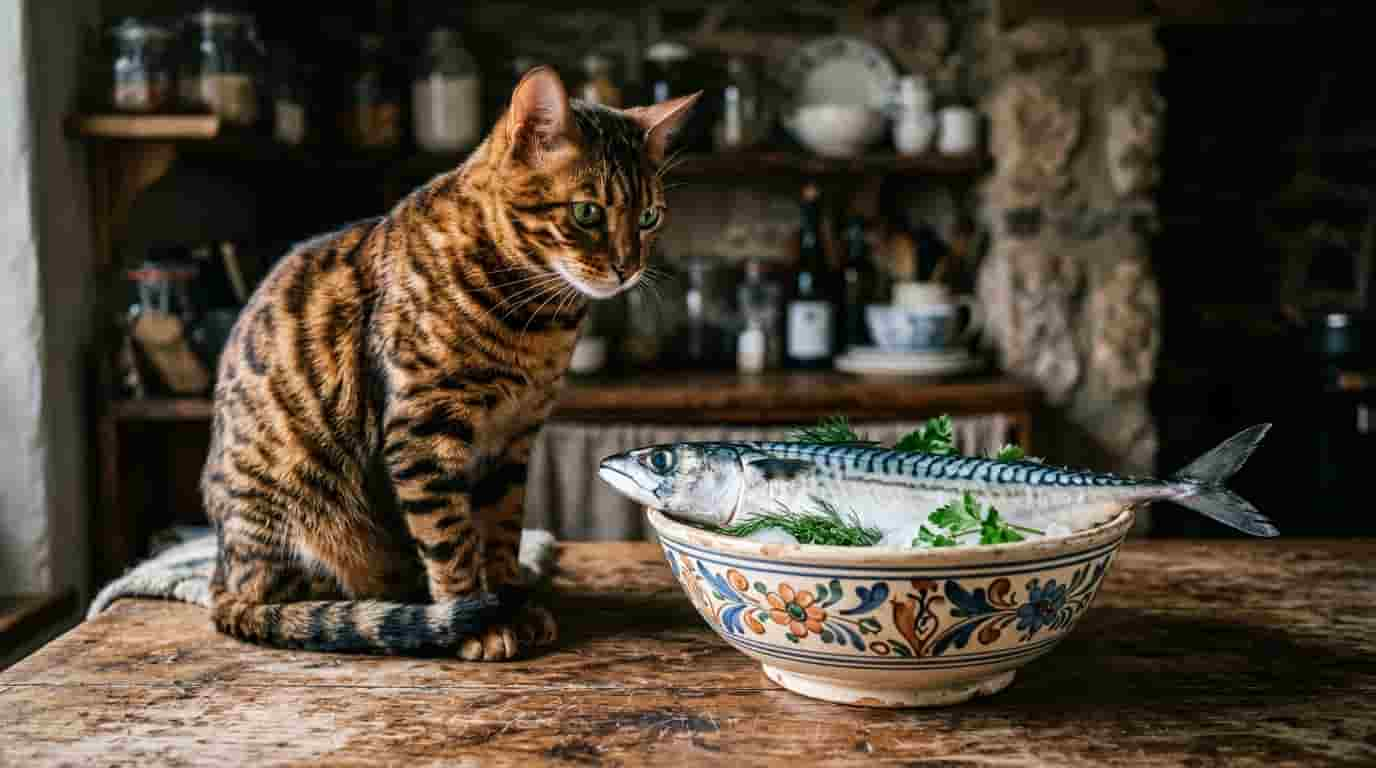
Can Cats Eat Fish? Safe Types, Bones, Raw Fish and Feeding Tips
Introduction:
Can Cats Eat Fish? Yes, cats can generally eat certain types of fish when it is properly prepared and offered in strict moderation as an occasional treat. While pop culture often depicts felines purring over a fresh bowl of seafood, fish should never serve as the primary foundation of a complete and balanced feline diet. Understanding how to prepare fish correctly is crucial to keeping your pet healthy and preventing digestive distress or serious injury.
When evaluating fish for your cat, preparation is everything. The differences between cooked and raw fish, the hidden dangers of brittle fish bones, and the inclusion of human seasonings, oils, or sauces can mean the difference between a safe snack and an emergency visit to the vet. Additionally, factors like the specific fish species, portion size, and feeding frequency play massive roles in safety. Feeding inappropriate fish or offering it too often can lead to nutritional deficiencies, foodborne illnesses, or toxicity from heavy metals.
This guide explores everything you need to know about serving fish safely. You will learn about safe fish choices, which species to avoid, the risks associated with raw fish and fish bones, optimal feeding frequencies, and practical step-by-step prep tips.
Can Cats Eat Fish Safely?

While cats can digest certain types of fish, safety depends entirely on how the food is sourced, prepared, and integrated into their overall diet.
Is Fish Healthy for Cats?
Fish serves as a dense source of animal-based protein, which aligns with a cat’s biological status as an obligate carnivore. Many fish species are rich in essential amino acids, omega-3 fatty acids, and key vitamins. However, the nutritional value varies widely depending on the species. Deep-sea oily fish like salmon provide healthy fats, while lean white fish offer lower-calorie protein.
Despite these beneficial nutrients, fish should remain an occasional addition rather than the bedrock of a cat’s diet. Relying too heavily on plain fish can disrupt the precise balance of minerals, vitamins, and fatty acids your cat needs to thrive.
Fish in Cat Food vs. Human Fish
There is a profound structural difference between commercial fish-based cat food and a piece of fish cooked for human consumption:
- Commercial Cat Foods: Formulated to meet strict dietary profiles set by animal nutrition authorities. Manufacturers supplement fish recipes with essential minerals, vitamins, and taurine to create a complete and balanced diet.
- Human-Grade Fish: Lacks these balanced additives. Feeding your cat plain human-grade fish on a daily basis—without proper supplementation—will eventually lead to severe nutritional deficiencies.
What Does a Safe Serving Look Like?
A safe serving of fish for a cat consists of a very small portion of plain, fully cooked flesh with zero bones, skin, scales, or added seasonings. When introducing any new food to your feline’s routine, offer a bite-sized piece first to monitor for potential allergic reactions or digestive upset.
What Kind of Fish Can a Cat Eat?

Not all fish species offer the same safety profile or nutritional composition. Selecting the right species minimizes exposure to toxins and excessive fat.
Safe Fish for Cats
The following varieties represent the safest options when cooked thoroughly and served plain:
- Salmon: High in beneficial omega-3 fatty acids, supporting joint health and coat shine. It must be fully cooked and served boneless.
- Sardines: Excellent source of healthy nutrients. If using canned sardines, opt exclusively for those packed in water with no added salt, oils, or flavorings.
- White Fish (Cod, Haddock, Flounder): Highly digestible, lean protein sources that are gentle on sensitive stomachs.
What Makes a Fish Choice Safer?
Before offering any fish to your pet, verify it meets these essential safety criteria:
- Plain: Free from oils, butter, spices, garlic, or onion.
- Fully Cooked: Heated to an internal temperature that destroys harmful pathogens.
- Boneless: Thoroughly checked and deboned by hand.
- Portion-Controlled: Sized appropriately for a small carnivore (a single small bite or topper).
Best Fish for Cats: Is There One Clear Winner?
There is no single “best” fish for all cats. The optimal choice depends on your pet’s individual health profile, weight, digestive sensitivities, and current dietary needs. A senior cat with joint issues might benefit slightly more from the fatty acids in cooked salmon, whereas a cat prone to weight gain might do better with a tiny bit of plain white fish. Always consult your veterinarian if your cat has pre-existing health conditions or strict dietary restrictions.
Can Cats Eat Cooked Fish?

Properly cooking fish is the single most effective way to eliminate microbiological risks, making it the preferred method of preparation for pet owners.
How to Prepare Cooked Fish for a Cat
Follow these practical steps to prepare a safe fish treat:
- Select a fresh, safe fish fillet (such as salmon or cod).
- Inspect the meat thoroughly and manually remove all visible bones.
- Cook the fish thoroughly until it flakes easily with a fork.
- Keep the preparation completely plain—do not add salt, pepper, oils, butter, garlic, or onions.
- Allow the fish to cool completely to room temperature to prevent mouth burns.
- Cut the fish into small, bite-sized pieces appropriate for your cat’s mouth.
- Serve a small portion as an occasional treat.
Cooking Methods to Consider
- Steaming: The healthiest method; retains moisture without needing added fats.
- Baking: Simple and effective; ensure you cook the fish on non-stick parchment paper without oil.
- Poaching: Boiling gently in plain water ensures complete cooking without introducing extra calories.
Avoid pan-frying or deep-frying, as the added fats, oils, and high temperatures can cause acute pancreatitis or gastrointestinal distress in cats.
Human Fish Dishes Are Different
Never share human meals like fish sticks, beer-battered fillets, smoked salmon, or fish cooked in garlic butter. Human preparations contain elevated salt levels, heavy oils, and ingredients like onion and garlic that are directly toxic to felines.
When managing your cat’s overall diet and introducing plain human foods safely, it is helpful to look at how other proteins compare. For instance, reading about Can Cats Eat Chicken? What Parts Are Safe and What to Avoid
can provide useful context on how human cooking methods alter the safety of plain meat for pets.
Can Cats Eat Fish Raw?
While raw fish is a standard staple in human sushi or wild animal diets, feeding raw fish to domestic cats introduces significant health hazards.
Why Raw Fish Can Be Riskier
Raw fish presents two primary dangers to domestic felines:
- Foodborne Pathogens: Raw seafood frequently harbors bacteria like Salmonella, Listeria, and E. coli, as well as internal parasites. These pathogens can cause severe gastrointestinal illness, vomiting, diarrhea, and systemic infection.
- Thiaminase Activity: Many species of raw fish contain thiaminase, an enzyme that destroys thiamine (Vitamin B1). A prolonged diet containing raw fish can lead to a critical thiamine deficiency, resulting in severe neurological problems, seizures, and even death. Cooking fish neutralizes this enzyme completely.
Is Raw Fish Ever Appropriate?

Veterinarians generally advise against casually feeding raw fish to home pets due to pathogen contamination and nutrient degradation. If you are determined to feed a raw food diet, it must be carefully formulated under the strict supervision of a board-certified veterinary nutritionist who can address microbial safety and thiamine supplementation.
What Should You Do If Your Cat Eats Raw Fish?
If your cat accidentally consumes a small piece of raw fish, monitor them closely over the next 24 to 48 hours. Look for signs of gastrointestinal distress, such as lethargy, vomiting, or diarrhea. If symptoms appear, or if you suspect the raw fish was spoiled or contained bones, contact your veterinarian immediately for guidance.
Can Cats Eat Fish Bones?
Fish bones represent one of the most immediate physical dangers to a cat’s digestive system.
| Physical Risk | Internal Complication |
| Sharp or brittle edges | Lacerations to the mouth, throat, or tongue |
| Small diameter | Choking hazard or upper airway blockage |
| Rigid structure | Esophageal, stomach, or intestinal punctures |
| Intestinal trapping | Severe gastrointestinal impaction or blockage |
Why Fish Bones Are Dangerous
Unlike mammalian bones, fish bones are thin, highly flexible, and splinter easily—especially after cooking. When a cat swallows a fish bone, it can puncture the delicate tissues of the mouth, lodge in the throat, tear the esophageal lining, or cause dangerous intestinal perforations and blockages.
What About Tiny or Soft Bones?
Never assume small or seemingly soft fish bones are safe. Even tiny bones can act like microscopic needles, causing painful impactions or internal lacerations along the gastrointestinal tract.
What to Do Before Serving Fish
Always execute a thorough safety check:
- Run your clean fingers through the cooked fish flesh to feel for hidden pin-bones.
- Flake the fish into tiny pieces to expose hidden structural bones.
- Discard all bones in a secure trash bin where your cat cannot scavenge them.
What If a Cat Swallows a Fish Bone?
Watch for immediate signs of respiratory or digestive distress, including:
- Excessive drooling or pawing at the mouth
- Gagging, coughing, or retching
- Difficulty swallowing
- Repeated vomiting
- Sudden lethargy or refusal to eat
If you notice any of these warning signs, seek immediate emergency veterinary attention. Do not attempt to reach down your cat’s throat to pull out a visible bone, as this can cause further lacerations.
What Fish Is Not Good for Cats?
Certain fish preparations and species present elevated health risks and should be systematically excluded from your cat’s diet.
Raw or Undercooked Fish
Carries elevated bacterial loads and thiaminase enzymes that destroy Vitamin B1.
Fish With Bones
Presents high risks of choking, internal organ puncture, and intestinal blockages.
Salted, Smoked, or Heavily Processed Fish
Products like smoked salmon, canned anchovies, or salted cod contain dangerous sodium levels that can disrupt electrolyte balances and damage feline kidneys.
Fried or Heavily Seasoned Fish
High oil and fat content can trigger acute pancreatitis, while common seasonings like garlic powder and onion powder damage feline red blood cells, causing severe anemia.
Fish Products With Unknown Ingredients
Avoid canned fish soups, commercial seafood pastes meant for humans, or complex fish dishes containing sauces, preservatives, artificial flavorings, or toxic aromatics.
Can Cats Eat Fish Gills?
Fish gills should never be fed to cats. Gills act as the natural filtration system for a fish, trapping marine debris, bacteria, microplastics, and environmental contaminants. Furthermore, their tough, fibrous, and cartilage-heavy texture makes them difficult to digest and presents a potential choking hazard. Always remove and discard the head, gills, internal organs, and scales before preparing fish for your pet.
Can Cats Eat Fish Every Day?

Even if your cat adores seafood, offering fish on a daily basis is detrimental to their long-term health.
How Often Can Cats Eat Fish?
Fish should strictly be treated as an occasional luxury—offered no more than once or twice a week in very small portions. It should never make up more than 10% of your cat’s total daily caloric intake.
Why Too Much Fish May Be a Problem
- Nutritional Imbalances: Plain fish lacks crucial nutrients like calcium, iron, and sodium in proper ratios, leading to systemic deficiencies if fed daily.
- Heavy Metal Accumulation: Apex predator fish (like tuna or swordfish) accumulate trace amounts of mercury and toxins over time. Frequent feeding can lead to dangerous bioaccumulation.
- Addictive Feeding Behavior: Cats can easily become “fish addicts,” refusing their normal, nutritionally complete cat food in favor of strong-smelling seafood.
- Vitamin E Depletion: Diets overly rich in unsaturated fatty acids (found in oily fish) can deplete Vitamin E, potentially triggering a painful inflammatory condition called steatitis (yellow fat disease).
How Much Fish Is Enough?
For an average 10-pound adult cat, a safe treat portion equals roughly a single tablespoon of plain, cooked fish once a week. If your cat suffers from kidney disease, food allergies, or urinary tract issues, consult your veterinarian before introducing any human fish products, as high phosphorus levels in fish can aggravate kidney disorders.
For detailed guidelines on specific popular fish species, refer to Can Cats Eat Tuna? How Much Is Safe and How Often? to understand portion controls and heavy-metal risks associated with canned varieties.
Fish and Cats Health: Benefits vs. Risks

Evaluating the balance between potential health benefits and inherent risks helps owners make informed feeding decisions.
| Potential Benefit | Potential Concern |
| High Animal Protein: Supports muscle maintenance. | Bone Hazards: Can cause punctures, choking, or blockages. |
| Omega-3 Fatty Acids: Promotes skin and coat health. | Raw Food Risks: Foodborne pathogens and thiaminase deficiency. |
| High Palatability: Encourages sick or older cats to eat. | Nutritional Imbalance: Lacks calcium and essential trace minerals. |
| Dietary Variety: Serves as a great reward tool. | Contaminants & Salt: Heavy metals and sodium overload. |
Potential Benefits of Fish
When offered correctly, plain cooked fish delivers high-quality animal protein and omega-3 fatty acids (EPA and DHA) that reduce inflammation, support joint motility, and maintain healthy skin. Its strong aroma also makes it an excellent appetite stimulant for ill or elderly cats.
Potential Risks
The primary risks involve dangerous physical bones, pathogen exposure from raw options, heavy metal accumulation, high sodium content, and the development of picky eating habits that cause malnutrition over time.
Fish Toxicity in Cats
Fish itself is not inherently poisonous to cats. However, “toxicity” often arises from external factors: added toxic ingredients (garlic, onions, heavy salt), environmental heavy metals (mercury bioaccumulation in large predatory fish), or bacterial toxins in spoiled seafood. Always source fresh, low-mercury fish and cook it completely plain.
How to Feed Fish to Cats Safely
Establishing a clear routine prevents accidental injuries and keeps treat times safe and fun.
A Simple Fish-Feeding Checklist
Before serving fish to your pet, confirm each step:
- [ ] The fish species is safe (e.g., salmon, cod, plain water-packed sardines).
- [ ] The fish is completely plain with no salt, spices, oils, or butter.
- [ ] The fish is thoroughly cooked to a safe internal temperature.
- [ ] All bones, skin, scales, and gills have been completely removed.
- [ ] The fish has cooled down to room temperature.
- [ ] The portion size is limited to a single bite or about one tablespoon.
- [ ] The serving counts as a treat, keeping regular balanced food as the core diet.
Introducing Fish for the First Time
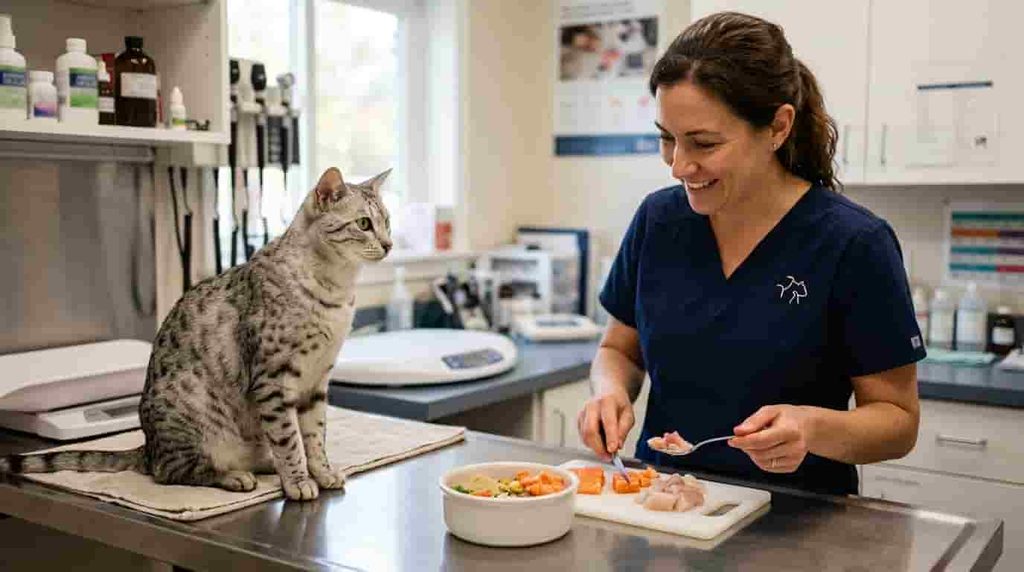
When offering fish to a cat that has never eaten it before, start with a piece the size of a fingernail. Watch your cat over the next 24 hours for any indications of an adverse reaction, such as vomiting, soft stools, intense itching, or facial swelling. Avoid introducing multiple new foods simultaneously so you can isolate the cause if a negative reaction occurs.
Common Mistakes Cat Owners Make
- Feeding seasoned human leftovers right off the dinner plate.
- Assuming small fish bones are soft enough for cats to digest.
- Serving raw fish under the assumption that it mimics a “wild” diet.
- Allowing fish to replace regular, nutritionally complete commercial cat food.
- Using canned fish packed in oil or high-sodium broths.
What Human Food Can Cats Eat From the Fridge?
While fish is a famous treat, cat owners often look for other safe human food options in their refrigerators to offer variety.
Plain, cooked human foods can occasionally serve as safe treats when prepared without seasonings, oils, or toxic ingredients. However, like fish, these items should only complement a balanced feline diet.
- Chicken: Plain, boiled breast meat is one of the safest lean proteins available for cats.
- Eggs: Fully cooked eggs offer fantastic protein and amino acids.
- Rice: Plain cooked white or brown rice can assist in binding a cat’s stool during mild digestive upset.
If you are expanding your cat’s snack menu beyond seafood, explore our guides on Can Cats Eat Eggs? Are Cooked, Raw and Scrambled Eggs Safe? and Can Cats Eat Rice? Is Cooked Rice Safe for Cats? to learn how to prepare these staples safely.
Do Cats Eat Fish in the Wild?

The common belief that cats are naturally evolved to eat fish is largely a historical myth.
| Context | Evolutionary Background |
| Ancestral Habitat | Arid desert environments (African wildcat Felis lybica) |
| Natural Prey Diet | Small desert rodents, birds, reptiles, and insects |
| Water Interaction | Extremely low water contact; rarely fished in open bodies of water |
| Domestic Shift | Introduced to fish scraps by humans near coastal settlements |
The domestic cat’s wild ancestor, the African wildcat (Felis lybica), lived in arid desert environments where water was scarce. Their natural diet consisted almost entirely of small desert rodents, birds, reptiles, and insects—not fish. Ancient cats rarely encountered body-of-water environments where fishing was possible.
Cats were only introduced to fish on a large scale when humans domesticated them near coastal fishing communities and grain stores, where fish scraps were plentiful. Cats enjoy fish primarily because of its powerful protein odor and rich fat content, not because it is their evolutionary staple.
Why Domestic Cats Have Different Feeding Needs
Domestic cats rely on their human caregivers to provide balanced nutrition. While wild felids eat entire prey animals (including organ meats and soft bones) to acquire balanced nutrients, domestic cats given plain fish fillets miss out on essential vitamins and minerals. Providing balanced commercial food ensures your cat receives tailored nutrition without the hazards of wild scavenging.
When Should You Ask a Veterinarian About Feeding Fish?

Always consult your veterinarian before modifying your cat’s diet under the following conditions:
- Your cat suffers from kidney disease, pancreatitis, or urinary tract issues.
- Your cat is currently on a therapeutic or prescription diet.
- You observe symptoms like repeated vomiting, diarrhea, or lethargy after fish consumption.
- You suspect your cat has swallowed a fish bone or heavily seasoned food.
- You notice signs of an allergic reaction (excessive scratching, hair loss, skin redness).
- You want to transition your pet to a home-cooked or raw seafood diet.
Disclaimer: This article provides general educational information only and should not replace professional veterinary diagnosis, advice, or treatment.
Practical Decision Guide: Should You Give Your Cat Fish?
Use this step-by-step guideline to decide whether serving fish today is a safe choice:
- Is the fish plain and fully cooked?
- Yes: Proceed to Step 2.
- No: Skip it (do not serve raw, fried, or seasoned fish).
- Are ALL bones, skin, and gills completely removed?
- Yes: Proceed to Step 3.
- No: Skip it (remove all bones before serving).
- Does your cat have kidney issues, allergies, or a prescription diet?
- Yes: Ask your veterinarian first before feeding.
- No: Proceed to Step 4.
- Recommendation:
- Serve a small portion (1 tablespoon maximum) as an occasional treat once a week.
Conclusion — Can Cats Eat Fish?
To wrap things up: Can Cats Eat Fish? Yes, cats can safely enjoy fish as an occasional treat, provided it is plain, fully cooked, and entirely boneless. While seafood offers appealing flavors and high-quality protein, it must never substitute for a complete and balanced feline diet. Raw fish, sharp bones, fried options, and heavily seasoned dishes pose significant health risks and must be strictly avoided. By offering small, properly prepared portions once in a while, you can pamper your pet safely while protecting their overall digestive and metabolic health.
What type of fish does your cat love most, and how do you prepare it? Share your safe feeding experiences and tips in the comments below!
FAQ
Can cats eat fish every day?
No, cats should not eat fish every day. Daily fish consumption can lead to severe nutritional imbalances, thiamine deficiencies, excessive salt intake, and potential heavy metal exposure. Keep fish as an occasional treat limited to once or twice a week.
Can cats eat fish bones?
No, cats should never eat fish bones. Fish bones splinter easily, presenting dangerous choking hazards, mouth lacerations, throat obstructions, and gastrointestinal perforations. Always remove all bones before offering fish to your cat.
Can cats eat raw fish?
No, feeding raw fish to cats is not recommended. Raw fish frequently harbors dangerous foodborne bacteria like Salmonella and contains thiaminase, an enzyme that destroys Vitamin B1 and can lead to severe neurological issues. Always serve fish fully cooked.
What kind of fish can a cat eat?
Cats can safely consume plain, fully cooked, boneless white fish (like cod or flounder), salmon, and water-packed sardines. Ensure all fish choices are prepared without oils, butter, salt, or seasonings.