
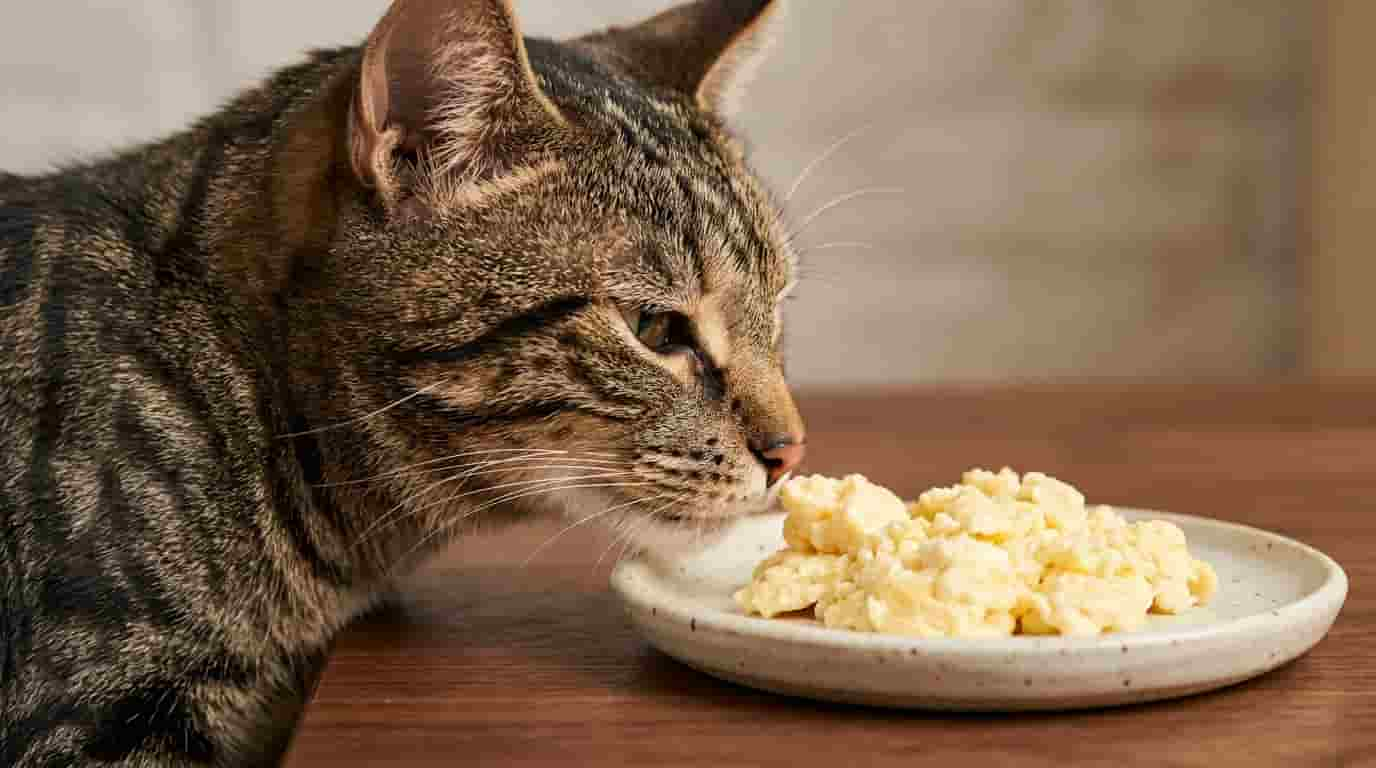
Can Cats Eat Eggs? Are Cooked, Raw and Scrambled Eggs Safe?
Introduction:
Can Cats Eat Eggs? Yes, plain, fully cooked eggs can be a safe and nutritious occasional treat for many cats. As obligate carnivores, felines naturally thrive on animal-derived proteins, and eggs offer an easily digestible source of high-quality amino acids. However, while the core nutrients inside an egg are beneficial, the way an egg is prepared ultimately determines whether it is a healthy snack or a potential hazard to your cat’s health.
Imagine sitting down to a hot breakfast of scrambled eggs, only to find your cat staring up at you with wide, begging eyes. It is tempting to offer a forkful straight from your plate, but human breakfast foods often contain hidden ingredients that are unsafe for pets. Rich butter, cooking oils, milk, heavy salt, black pepper, cheese, and toxic additions like onions or garlic can turn a simple protein source into a cause for severe digestive upset.
Understanding how to safely serve eggs requires looking closely at different preparation methods. From fully cooked hard-boiled eggs and plain scrambled eggs to the serious risks of raw eggs, eggshells, and fatty yolks, this guide covers everything you need to know. Whether you are wondering about proper portion sizes, feeding kittens, or avoiding dangerous seasonings, here is how to navigate feeding eggs to your cat safely.
Can Cats Eat Eggs?

Plain, cooked eggs can make a wonderful supplementary snack for healthy adult cats when offered in strict moderation. Eggs are naturally packed with essential nutrients, including high-biological-value protein, healthy fats, and vital vitamins that support a cat’s energetic and physiological needs.
Cats are obligate carnivores, meaning their biological systems are designed to process animal tissues rather than plant matter. The amino acid profile of an egg is exceptionally rich, containing essential building blocks like taurine, leucine, and lysine. These compounds support lean muscle mass, cardiac function, immune health, and coat maintenance.
However, offering eggs to your pet requires a clear understanding of feline dietary boundaries. An egg should always be served plain, completely cooked, and free from any added fats or seasonings.
Safety Rule:
Plain + Fully Cooked + Unseasoned + Small Portion = Safe Feline Treat.
While plain eggs are biologically appropriate, they should complement—rather than replace—a complete and balanced commercial cat diet. A bite of cooked egg works brilliantly as a high-value reward or meal topper, but it must never form the foundation of your cat’s daily nutrition.
Why Eggs Can Be Useful for Cats
The primary appeal of eggs lies in their extraordinary protein density and high digestibility. For senior cats needing an extra boost of easy-to-digest protein, active cats requiring healthy snacks, or picky eaters that need an enticing meal topper, plain cooked egg offers a clean, single-ingredient option.
Because eggs are naturally low in carbohydrates and rich in moisture when boiled or poached, they align smoothly with a cat’s natural metabolic requirements. Unlike many commercial treats that rely on artificial fillers, preservatives, or grain-based binders, plain cooked egg provides pure animal protein without unnecessary chemical additives.
Why an Egg Is Not a Complete Cat Meal
A common misconception among pet owners is that because eggs are rich in protein, a meal consisting primarily of eggs can replace commercial cat food. In reality, feeding a cat an egg-centric diet will quickly lead to severe nutritional imbalances.
While eggs contain impressive levels of protein and micronutrients, they lack the precise ratios of essential minerals—such as calcium and phosphorus—and key vitamins that cats require every day. Commercial cat foods are scientifically formulated to meet these complex nutritional profiles.
Eggs deliver fantastic supplemental protein, but safe does not mean nutritionally complete on its own.
Can Cats Eat Eggs Cooked?
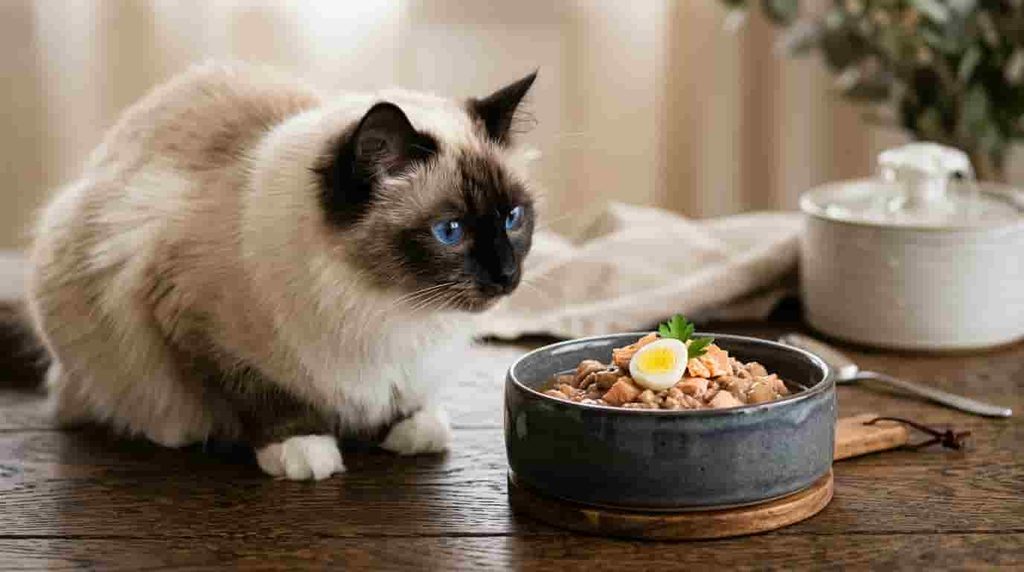
Yes, plain, thoroughly cooked eggs are the absolute safest and most recommended way to feed eggs to your cat. Applying heat to an egg neutralizes harmful foodborne pathogens while breaking down complex proteins into a form that is exceptionally easy for a cat’s digestive system to process.
How to Prepare Cooked Eggs for Cats
When cooking eggs for your feline companion, simplicity is critical. Follow these basic steps to ensure total safety:
- Cook Thoroughly: Ensure both the white and the yolk are firm and completely set.
- Keep It Plain: Do not add butter, margarine, cooking sprays, or vegetable oils.
- Skip All Seasonings: Avoid salt, black pepper, garlic powder, onion powder, and herbs.
- Avoid Dairy: Do not mix in milk, cream, or cheese during or after cooking.
- Cool Completely: Allow the cooked egg to reach room temperature before serving.
- Serve Small Pieces: Chop or mash the egg into small, manageable bites to prevent choking.
What Makes a Cooked Egg Cat-Friendly?
A cat-friendly cooked egg is defined entirely by what is not added to it. While humans prefer eggs whipped with cream, fried in butter, and seasoned with salt and herbs, feline digestive tracts cannot process rich fats and sodium.
The simpler the preparation, the safer the egg is for your cat. If an egg dish was cooked as part of a human breakfast, you should assume it is unsuitable for your cat unless a small portion was set aside completely plain before cooking.
Can Cats Eat Scrambled Eggs?
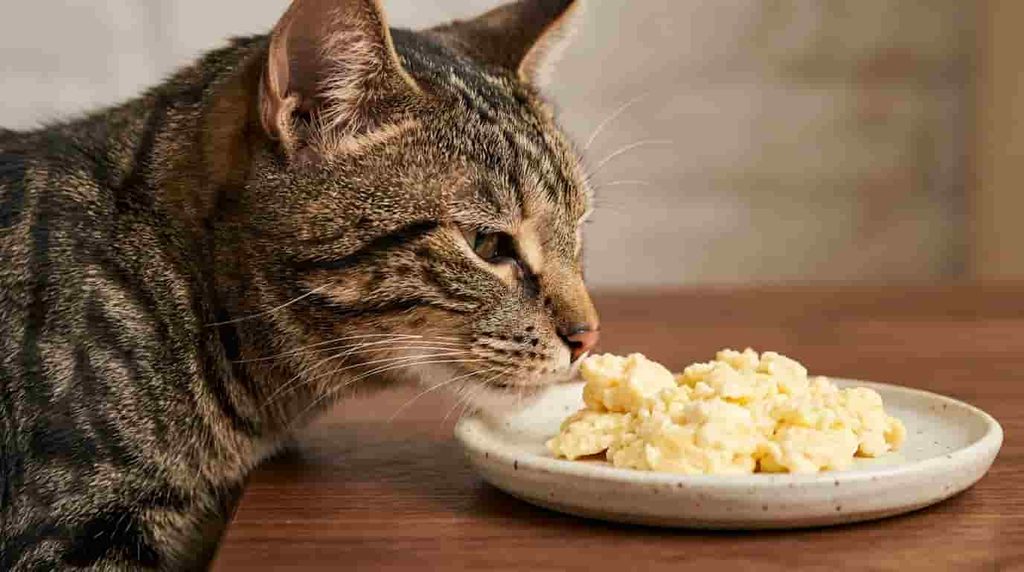
Cats can safely enjoy a small portion of scrambled eggs, provided they are cooked dry and kept completely plain. Scrambled eggs are soft, highly palatable, and easy for cats of all ages to chew.
Can I Give My Cat Scrambled Eggs?
Yes, you can give your cat scrambled eggs, but only if they are prepared specifically for pet consumption. The scrambled eggs on your breakfast plate almost certainly contain butter, milk, oil, or salt, making them inappropriate for your cat.
To prepare cat-friendly scrambled eggs, whisk a fresh egg in a bowl without adding milk or water. Pour the mixture into a non-stick skillet over medium heat without adding butter or oil. Scramble the egg until it is completely firm and dry, let it cool completely, and serve a small teaspoonful to your cat.
Can Cats Eat Eggs Cooked with Butter?
No, cats should not eat eggs cooked with butter. Butter is concentrated milk fat, and while cats are naturally attracted to rich, fatty smells, their digestive systems are not built to process high amounts of dairy fat.
Ingesting butter can trigger acute gastrointestinal upset in cats, leading to vomiting, greasy diarrhea, and abdominal discomfort. In severe cases, high-fat foods can contribute to pancreatitis—a painful inflammation of the pancreas. Always cook eggs dry or use a non-stick pan without fat.
Can Cats Eat Eggs with Salt and Pepper?
Cats should never eat eggs seasoned with salt or black pepper:
- Salt: Feline kidneys are sensitive to sodium levels. While small trace amounts of salt are necessary in balanced cat foods, human levels of added table salt can lead to excessive thirst, fluid retention, or even sodium ion toxicosis in small bodies.
- Black Pepper: Pepper contains chemical compounds that irritate a cat’s mouth, throat, and stomach lining, frequently causing coughing, sneezing, and gastrointestinal distress.
Can Cats Eat Eggs Raw?
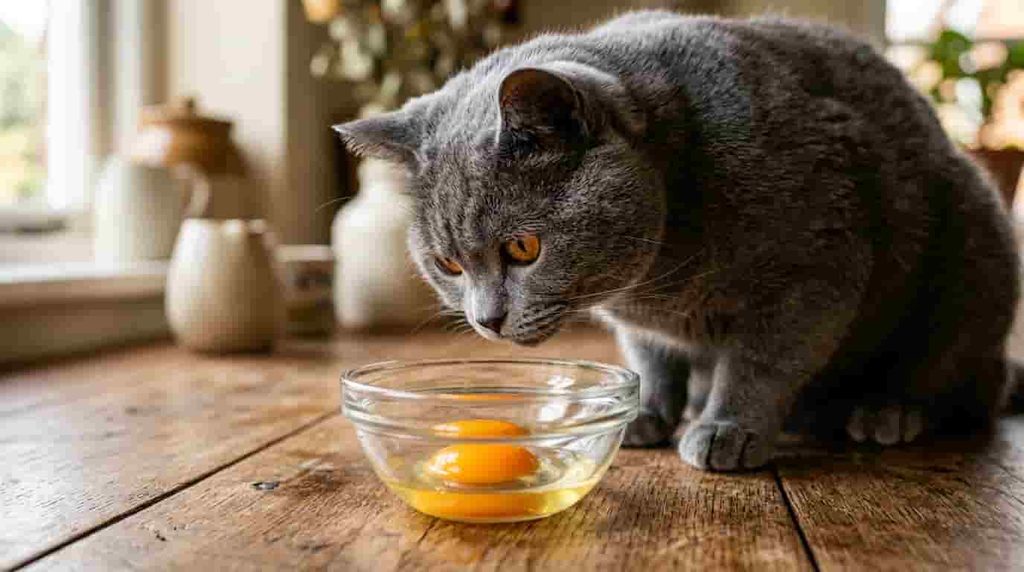
No, raw eggs are not a safe or recommended food choice for domestic cats. Major veterinary organizations—including the American Veterinary Medical Association (AVMA)—strongly advise against feeding raw animal proteins to pets due to significant biological hazards.
Why Raw Eggs Can Be Risky
Feeding raw eggs to cats presents two major health hazards:
- Bacterial Infections (Salmonella): Raw eggs frequently harbor pathogenic bacteria like Salmonella and E. coli. Ingesting these bacteria can cause severe gastroenteritis, characterized by fever, vomiting, bloody diarrhea, and extreme lethargy. Furthermore, infected cats can shed bacteria in their feces, posing serious cross-contamination risks to human family members.
- Avidin and Biotin Deficiency: Raw egg whites contain a specific protein called avidin. Avidin binds tightly to biotin (Vitamin B7), preventing its absorption in the gut. Over time, consuming raw egg whites can cause a biotin deficiency, resulting in severe skin lesions, hair loss, poor coat condition, and neuromuscular issues. Cooking the egg completely denatures avidin, eliminating this risk entirely.
Raw Eggs for Cats vs. Cooked Eggs
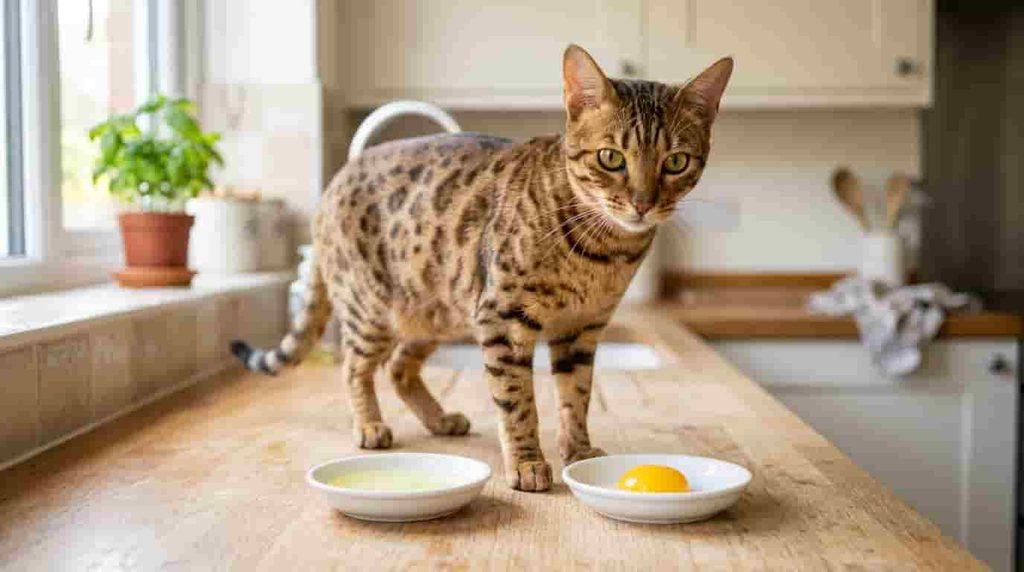
| Feature | Plain Cooked Egg | Raw Egg |
| Pathogen Risk | Minimal (destroyed by heat) | High (Salmonella, E. coli) |
| Biotin Binding (Avidin) | Neutralized by cooking | Active (blocks Vitamin B7 absorption) |
| Digestibility | Very high | Lower digestibility |
| Handling Safety | Safe for human handling | High cross-contamination hazard |
| Veterinary Status | Approved as a treat | Strongly discouraged |
Can Cats Eat Raw Egg Yolk?
While raw egg yolk contains negligible amounts of avidin compared to the white, feeding raw yolk does not eliminate the serious risk of bacterial contamination from Salmonella.
If you wish to offer the nutrient-dense benefits of egg yolk to your cat, always cook the yolk thoroughly first.
Can Cats Eat Eggshells?
Eggshells should not be casually added to a cat’s daily food. While eggshells are composed almost entirely of calcium carbonate, offering raw or coarsely crushed eggshells to your cat presents practical safety concerns.
Sharp, improperly ground eggshell pieces can cut the delicate lining of a cat’s mouth, esophagus, or stomach. Furthermore, unwashed raw eggshells carry the same bacterial contamination risks as raw egg contents.
While finely ground eggshell powder is sometimes used as a calcium supplement in carefully formulated homemade cat food diets, it should never be added to commercial cat food. Commercial foods already contain precise calcium-to-phosphorus ratios. Adding extra calcium can disrupt this balance, potentially leading to urinary tract stones or joint issues.
Can Cats Eat Egg Yolks?
Yes, cats can eat cooked egg yolks in small amounts. The yolk is the most nutrient-dense portion of the egg, containing essential fatty acids, Vitamin A, Vitamin D, Vitamin E, B-complex vitamins, and choline.
Egg White vs. Egg Yolk
Both parts of the egg offer distinct nutritional profiles and considerations:
- Egg White: Composed mostly of water and pure protein (albumin). It is very low in fat and calories, making plain cooked egg white an excellent choice for cats that need lean protein without extra calories.
- Egg Yolk: Highly concentrated in calories, fat, and vital fat-soluble vitamins. While extremely palatable and nutritious, the high fat content means that portion control is critical, especially for overweight cats or those prone to stomach upset.
Can Cats Eat Eggs With Cheese, Bacon or Rice?
Human breakfast combinations often mix eggs with other popular ingredients, but these pairings are rarely suitable for felines.
Can Cats Eat Eggs and Cheese?
Cats should not regularly eat eggs mixed with cheese. Most adult cats are naturally lactose intolerant because they cease producing significant amounts of the lactase enzyme after weaning.
Adding cheese to eggs introduces high levels of lactose, saturated fats, and sodium. This combination frequently causes bloating, painful gas, and severe diarrhea. Stick to plain egg without dairy additions.
Can Cats Eat Eggs and Bacon?
Bacon should never be served to cats alongside eggs. Bacon is an ultra-processed meat that is heavily cured with sodium, nitrates, and saturated fats.
Feeding greasy, salty bacon to a cat can trigger severe digestive upset, kidney stress, and acute pancreatitis. If you want to explore safe, protein-dense animal foods that pair well with feline nutritional needs, read our comprehensive article on Can Cats Eat Chicken? What Parts Are Safe and What to Avoid
Can Cats Eat Eggs and Rice?
Plain, cooked white rice combined with a small amount of plain, cooked egg can occasionally be offered as a short-term, bland diet for a cat recovering from mild diarrhea, provided your vet approves it.
However, combining rice and egg does not create a complete or long-term feline meal. Rice is a carbohydrate, and cats require animal protein as their primary dietary focus. To understand how grains function in feline nutrition, refer to our detailed guide on Can Cats Eat Rice? Is Cooked Rice Safe for Cats?
Can Kittens Eat Eggs?

Kittens have highly specific, rapidly changing nutritional demands to support their fast growth, bone development, and organ maturation. Extra foods should always be introduced with extreme caution.
Can Kittens Eat Cooked Eggs?
Weaned kittens that are already eating solid commercial kitten food can occasionally have a tiny piece of plain, fully cooked egg (about the size of a fingernail).
However, young kittens should never be fed raw eggs, eggshells, or seasoned egg dishes. Because a kitten’s digestive system and immune defenses are still developing, they are far more susceptible to severe dehydration from vomiting or diarrhea caused by rich foods or foodborne bacteria.
Why Kitten Nutrition Matters
Growing kittens require a precise balance of calories, protein, calcium, and phosphorus supplied by specially formulated commercial kitten foods. Filling a kitten’s small stomach with eggs can displace their regular food, leading to developmental nutrient deficits. Keep treats extremely rare and minimal.
How Much Egg Can a Cat Eat?
When it comes to feeding eggs to cats, portion control is everything. Treat foods—including plain cooked eggs—should never exceed 10% of a cat’s total daily caloric intake, with 5% being an even safer guideline.
An average 10-pound (4.5 kg) adult cat requires approximately 200–250 calories per day. A whole medium egg contains roughly 70 calories and 5 grams of fat. Feeding an entire egg to a 10-pound cat is equivalent to a human eating several large cheeseburgers in addition to their daily meals!
- 90–95% of Daily Diet: Complete Commercial Cat Food (Provides Balanced Daily Nutrition)
- 5–10% of Daily Diet: Plain Cooked Egg Treat (Maximum Recommended Snack Limit)
A safe portion of plain cooked egg for an adult cat is about one tablespoon (or one small bite-sized piece) once or twice a week.
Can I Give an Egg to My Cat Daily?
No, you should not feed your cat an egg every day. Offering eggs daily delivers excessive calories and fat, which can quickly lead to feline obesity, hepatic lipidosis risks, and digestive imbalances.
Furthermore, feeding eggs every day may cause your cat to reject their balanced commercial food in favor of treats.
How to Introduce Egg for the First Time

When offering cooked egg to your cat for the very first time, follow this gradual introduction process:
- Start Tiny: Offer a piece no larger than a pea.
- Use Plain Egg: Ensure it is thoroughly cooked without oil or salt.
- Isolate the Food: Do not mix it with other new foods so you can track reactions clearly.
- Monitor for 24 Hours: Watch closely for signs of food allergies or digestive upset.
- Discontinue if Upset Occurs: If your cat vomits or develops loose stool, do not feed eggs again.
Are Eggs Healthy for Cats?
When served responsibly, plain cooked eggs offer several notable health benefits for felines:
- High Biological Value Protein: Supplies complete amino acid chains that support muscle repair and enzymatic activity.
- Rich in Taurine: Contains natural taurine, an essential amino acid critical for feline heart function and vision.
- Contains Essential Fatty Acids: Delivers Omega-3 and Omega-6 fatty acids that nourish the skin and promote a shiny coat.
- Loaded with B Vitamins: Provides riboflavin, folate, and Vitamin B12 to support nervous system health and metabolic energy.
However, eggs are not a magical health cure, nor are they strictly necessary if your cat is already thriving on a complete commercial food.
What Eggs Should Cats Avoid?
To protect your pet’s digestive health, keep this clear safety checklist of unsafe egg preparations in mind:
- Raw Eggs of Any Kind: Carry high risks of Salmonella contamination and biotin deficiency from avidin.
- Eggs Cooked with Butter or Margarine: Concentrated dairy fats trigger gastroenteritis and pancreatitis.
- Eggs Seasoned with Salt or Pepper: Causes kidney stress, fluid retention, and mouth/stomach irritation.
- Eggs Containing Onions or Garlic: Highly toxic; destroys feline red blood cells and causes severe anemia.
- Cheese-Loaded Scrambled Eggs: High lactose and fat levels cause severe diarrhea and gas.
- Bacon and Egg Dishes: Excessive salt, nitrates, and saturated fats strain internal organs.
- Raw or Coarsely Crushed Eggshells: Can cause mouth lacerations, digestive blockages, or mineral imbalances.
Why Human Breakfast Foods Are Different from Plain Eggs
It is vital to understand that a food item containing egg is not automatically safe for a cat. The secondary ingredients used in human cooking—oils, seasonings, dairy, and cured meats—completely change the safety and nutritional profile of the meal. Always separate your cat’s food from human meal preparations.
What Are Things Cats Can’t Eat?
In addition to dangerous egg preparations, cats must strictly avoid several common human foods:
- Onions, Garlic, Chives, and Leeks: Destroy red blood cells, leading to Heinz body anemia.
- Chocolate and Caffeine: Contain methylxanthines that cause cardiac arrhythmias, seizures, and death.
- Grapes and Raisins: Can trigger acute kidney failure in felines.
- Alcohol and Raw Dough: Cause severe metabolic acidosis, central nervous system depression, and fatal drops in body temperature.
Why Do Cats Like Butter So Much?
If you leave a stick of butter on the counter, you might catch your cat trying to lick it. Felines are naturally drawn to butter because their predatory instincts drive them toward dense sources of animal fat and olfactory-rich aromas.
However, an instinctual attraction does not mean a food is safe. Because cats cannot efficiently digest concentrated dairy fats, allowing your cat to lick buttered eggs or butter sticks will almost certainly result in stomach upset. Always keep butter securely stored away.
Safe Ways to Feed Eggs to Your Cat
Follow this simple checklist whenever you prepare an egg snack for your pet:
- Select a Fresh Egg: Use a high-quality, fresh chicken egg.
- Cook Fully: Hard-boil the egg until solid, or scramble it dry in a non-stick pan without fat.
- Skip All Additives: Leave out salt, pepper, butter, oil, milk, cheese, onions, and garlic.
- Cool Thoroughly: Allow the egg to cool completely to room temperature.
- Portion Correctly: Chop off a single tablespoon-sized portion for an adult cat.
- Serve Safely: Place the plain egg piece into their clean food bowl or use it as a meal topper.
- Store Leftovers: Refrigerate the remaining plain cooked egg and use it within two days, or discard it.
What If My Cat Eats Seasoned Eggs?
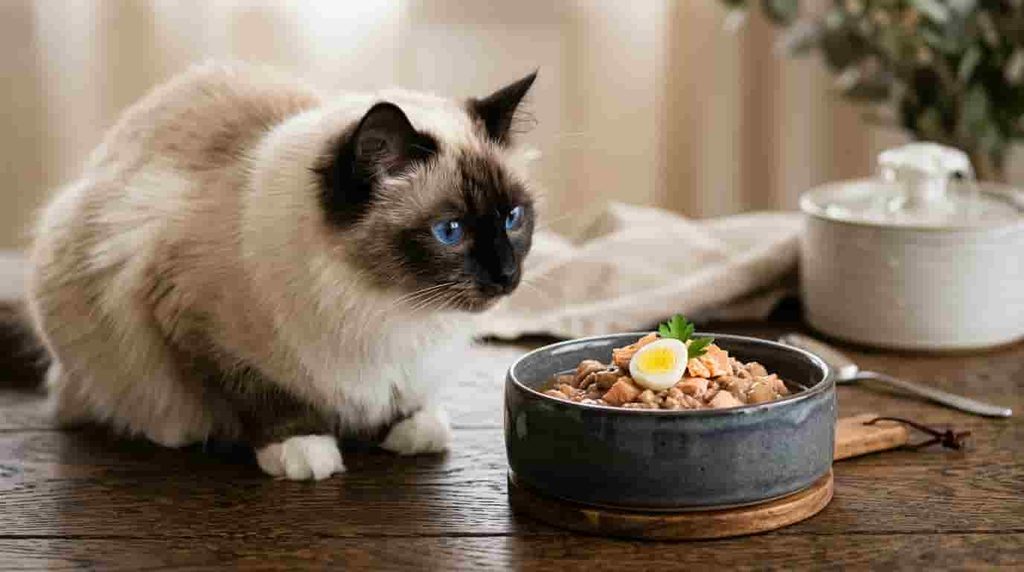
Accidents happen in busy households. If your cat manages to steal a bite of seasoned scrambled egg off your breakfast plate, remain calm and take the following steps:
- Identify the Ingredients: Check exactly what was in the egg. Did it contain basic salt and butter, or was it cooked with garlic, onions, or heavy spices?
- Plain Salt/Butter Ingestion: If the bite was small and contained only a bit of butter or salt, monitor your cat at home. They may experience mild diarrhea or a single episode of vomiting, but serious harm is unlikely. Ensure plenty of fresh water is available.
- Onion/Garlic Ingestion: If the egg contained garlic powder, onions, or toxic herbs, contact your veterinarian or a pet poison helpline immediately. Allium toxicity can take several days to manifest, causing weakness, pale gums, and dark urine.
Hypothetical Example: A cat sneaks a bite of omelet loaded with cheese and garlic powder. Because garlic is toxic to felines, the owner should call their vet right away for guidance rather than waiting for symptoms to appear.
When Should You Contact a Veterinarian?

While plain cooked egg is safe, unexpected complications can arise. Contact your veterinarian immediately if you observe any of the following warning signs:
- Ingestion of Toxic Additives: Your cat consumed eggs containing onions, garlic, or excessive spices.
- Ingestion of Raw Eggs: Your cat ate raw eggs and develops high fever, severe lethargy, or bloody diarrhea.
- Persistent Gastrointestinal Signs: Vomiting or diarrhea that lasts longer than 24 hours.
- Signs of Allergic Reaction: Facial swelling, hives, intense itching, or difficulty breathing shortly after eating egg.
- Abdominal Pain: Hunching over, crying when touched, or extreme lethargy.
For owners exploring other animal-based protein sources like seafood to complement their cat’s diet, check out our companion guides on Can Cats Eat Tuna? How Much Is Safe and How Often? and Can Cats Eat Fish? Safe Types, Bones, Raw Fish and Feeding Tips
Disclaimer: This article is for educational purposes only and should not replace professional veterinary advice, diagnosis, or treatment. Always consult your veterinarian before introducing new human foods to your pet’s diet.
Frequently Asked Questions About Cats and Eggs
Can cats eat eggs every day?
No, cats should not eat eggs every day. Eggs should remain an occasional treat given once or twice a week at most, as daily feeding can lead to excess calorie intake, weight gain, and nutritional imbalances.
Can cats eat egg whites?
Yes, plain, fully cooked egg whites are safe for cats. Cooked egg whites are rich in pure protein and very low in fat, making them an excellent choice for cats needing lean protein snacks.
Can cats eat hard-boiled eggs?
Yes, hard-boiled eggs are one of the best ways to serve eggs to cats. Boiling cooks the egg thoroughly without needing any butter or oil, making it easy to slice into plain, bite-sized pieces.
Can cats eat eggs if they have a sensitive stomach?
Cats with sensitive stomachs should be introduced to new foods very cautiously. While plain boiled egg is highly digestible, any new food can potentially trigger mild stomach upset in sensitive felines.
Can cats eat eggs as their main source of protein?
No, eggs should never serve as a cat’s primary protein source. Plain eggs lack the complete, balanced spectrum of essential vitamins, minerals, and precise nutrient ratios found in complete commercial cat foods.
Conclusion — Can Cats Eat Eggs?
Can Cats Eat Eggs safely? Yes, plain, fully cooked eggs can be a delicious, protein-packed, and highly rewarding treat for your cat when served in moderation.
To keep your feline friend healthy, always ensure the egg is completely cooked—either hard-boiled or scrambled dry—and served entirely free of butter, oil, salt, pepper, cheese, onions, and garlic. Remember that raw eggs carry serious bacterial risks, and egg treats should never exceed 10% of your cat’s daily calorie budget. By keeping complete commercial cat food as the foundation of their diet, you can safely share a plain bite of egg with your cat!
Does your cat prefer plain hard-boiled egg bites or dry scrambled eggs? Let us know in the comments below!