Can Cats Eat Bananas? Safety, Benefits, Risks and How Much to Give
Introduction:
Can Cats Eat Bananas is a question many pet parents ask when looking to share a fresh, healthy human treat with their feline companion. Small amounts of plain banana may be acceptable for some healthy cats, but bananas are not a necessary part of feline nutrition. They should always be offered as an occasional treat rather than a regular staple of your cat’s everyday food.
Many cat owners consider offering bananas simply out of curiosity when sharing human foods, while looking for fun or safe fruit snacks for cats, or when wondering whether cats can consume plant-based produce. While fresh bananas are non-toxic to felines, introducing them requires careful attention to safety. Key factors like portion size, removing the tough banana peel, managing high natural sugars and calories, assessing individual digestive tolerance, and avoiding processed banana foods (like banana bread, chips, or puddings) are critical.
In this comprehensive guide, we will explore the safety profile and potential benefits of bananas, potential risks and digestive concerns, appropriate portion sizing, the dangers of banana peels, processed products like banana bread and pudding, fruit combinations, and when you should avoid giving bananas to your cat altogether.
Can Cats Eat Bananas Safely?
Are Bananas Safe for Cats?
Plain, fresh banana flesh can be offered safely in tiny amounts to healthy adult cats. Major veterinary organizations, such as the ASPCA, do not classify bananas as toxic to cats. However, the designation “non-toxic” or “safe” simply means that eating a small nibble of banana will not poison your pet. It does not imply that bananas are nutritionally required, ideal, or beneficial for daily feline maintenance.
There is a distinct difference between an occasional, novelty treat and a regular component of a cat’s balanced diet. While a tiny bite of fresh banana given once in a while is generally harmless for most cats, large or frequent servings can quickly disrupt their digestive balance and lead to health complications over time.
Why Cats Do Not Need Bananas
To understand why bananas are unnecessary for felines, it helps to examine basic feline nutrition. Cats are obligate carnivores. Their natural digestive physiology, metabolic enzyme production, and biological nutritional requirements are entirely adapted to digest, absorb, and thrive on animal protein and fats.
Unlike humans or omnivorous dogs, cats have a shortened gastrointestinal tract designed for processing meat, and their bodies produce very low levels of carbohydrate-digesting enzymes like amylase. A complete and balanced commercial cat food—formulated to meet established nutritional profiles—provides every essential nutrient, vitamin, mineral, and amino acid your cat requires. Bananas contain high levels of carbohydrates and natural fruit sugars (fructose and glucose) that offer no nutritional advantage to a feline and should never replace a proper, meat-based meal.
Can Every Cat Eat Bananas?
Even though plain banana flesh is technically non-toxic, not every cat should eat it. Cat owners must evaluate the unique health status and history of their individual pet before introducing any new human food. Important factors to weigh include:
- Age: Kittens have delicate, rapidly developing digestive systems and strict nutritional targets for growth; they should stick exclusively to kitten-formulated diets. Senior cats may have underlying organ changes or reduced metabolic efficiency.
- Existing Dietary Restrictions: Cats on prescription diets for kidney care, urinary tract management, or food allergies should not be given unapproved treats.
- Digestive Sensitivity: Cats with a history of inflammatory bowel disease (IBD), frequent gastroenteritis, or sensitive stomachs are prone to upset when introduced to high-carbohydrate plant foods.
- Current Health Needs: Conditions like diabetes mellitus, feline obesity, and tooth decay make sugary fruits particularly unsuitable.
- Previous Reactions to New Foods: If your cat has experienced diarrhea or vomiting after trying other human foods in the past, introducing banana carries a higher risk of adverse reaction.
Do Bananas Have Benefits for Cats?

What Nutrients Are Found in Bananas?
For human dietary needs, bananas are widely celebrated as a dense source of potassium, Vitamin B6, Vitamin C, dietary fiber, magnesium, and healthy carbohydrates. However, translating these nutritional benefits to feline biology is misleading:
- Carbohydrates & Sugars: Bananas are dense in simple and complex carbohydrates. While humans use these efficiently for energy, cats convert excess carbohydrates into body fat or excrete them, potentially stressing their digestive tract.
- Potassium: Bananas contain significant potassium, a vital electrolyte. However, a cat fed a complete commercial food already receives all required potassium in highly bioavailable forms.
- Vitamin C: While bananas provide Vitamin C, cats naturally synthesize their own Vitamin C in their livers and do not require dietary intake.
- Dietary Fiber: Bananas contain soluble fiber (like pectin), which can aid gut motility in omnivores, but in cats, excess fruit fiber can cause gas, cramping, or loose stool.
The simple presence of these nutrients in a banana does not make it beneficial or necessary as a regular food for your cat.
Are Bananas a Healthy Snack for Cats?
A tiny bite of plain banana may reasonably be considered an acceptable, low-fat treat alternative if your cat happens to show curiosity toward it and suffers from no underlying metabolic or digestive health issues. However, what constitutes a “healthy human snack” differs fundamentally from what a cat actually needs.
Humans thrive on fruit-based antioxidants, complex fibers, and low-fat fruit options. Cats derive zero structural or metabolic advantages from plant-based foods. Therefore, banana should be viewed purely as a novelty reward or a momentary enrichment activity—never as a dietary supplement or nutritional upgrade.
Can Cats Eat Bananas for Potassium?
Pet parents sometimes ask if they can give bananas to their cat to boost their potassium levels, particularly if they suspect a deficiency or are managing chronic kidney disease (CKD), where hypokalemia (low blood potassium) can occur.
You should never give bananas to a cat to correct or treat a suspected potassium problem.
Hypokalemia is a severe medical condition that requires precise veterinary diagnosis through blood chemistry panels. Treating a potassium deficit requires targeted, veterinary-grade potassium gluconate or citrate supplements, carefully dosed to avoid fatal cardiac arrhythmias. Attempting to treat or manage potassium levels at home using high-sugar, high-carbohydrate bananas is ineffective, unsafe, and delays necessary medical care.
How Much Banana Can a Cat Eat?
Start With a Very Small Amount
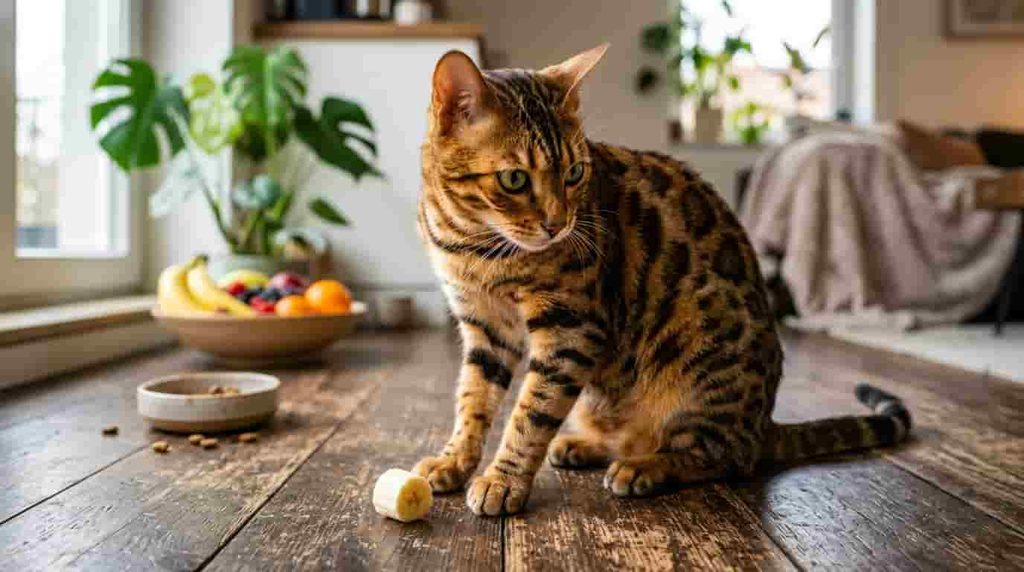
If you decide to offer banana to your cat for the first time, moderation and gradual introduction are essential. Offer a micro-portion—such as a single piece no larger than the size of a standard green pea or a thin fingernail shaving.
Placing a tiny piece in your cat’s bowl allows you to evaluate whether they are even interested in the taste or texture. After offering a single small taste, wait 24 to 48 hours without giving any other new treats so you can monitor your cat closely for any signs of digestive discomfort or food intolerance.
How Often Can Cats Eat Bananas?
A common query among pet parents is whether cats can eat bananas every day. The short answer is no. Daily feeding of banana is completely unnecessary and counterproductive to good feline health.
Even if your cat loves the texture and begs for a piece every time you peel a banana, treats of any kind—including human fruit, commercial cat treats, and cooked meats—should strictly comprise no more than 5% to 10% of your cat’s daily caloric intake. For an average 10-pound indoor cat needing roughly 200 calories per day, treat calories should stay under 10 to 20 calories total. A single slice of banana contains around 5 to 8 calories, primarily from sugar. Feeding banana daily adds empty fruit sugars to their diet and can eventually displace their appetite for their complete, nutritionally balanced cat food. Offering a tiny bite once every few weeks is a far safer schedule.
What Happens If a Cat Eats Too Much Banana?
If a cat consumes a large amount of banana—such as sneaking half a whole banana off the kitchen counter—they are likely to experience acute digestive disruption. Common consequences of overindulgence include:
- Digestive Upset & Cramping: A sudden influx of plant carbohydrates and fruit sugars ferments rapidly in the feline colon, leading to gas and abdominal discomfort.
- Diarrhea & Loose Stool: Excess fructose draws water into the intestinal tract, frequently resulting in watery or loose stool.
- Vomiting: The heavy, dense texture of raw fruit can irritate the stomach lining, causing the cat to regurgitate the un-ingested fruit.
- Excessive Calorie Intake: Over time, regular overfeeding of high-carbohydrate fruits contributes to weight gain, visceral fat accumulation, and elevated risk of feline type-2 diabetes.
- Reduced Appetite for Regular Food: Filling up on fruit carbohydrates causes a cat to skip essential meals, leading to potential nutrient deficiencies over extended periods.
What Should a Reasonable Treat Look Like?
| Treat Attribute | Recommended Standard |
| Preparation | Fresh, plain, fully raw banana flesh only |
| Peel Status | 100% removed and discarded |
| Piece Size | Micro-cube (approx. 1/4 inch / pea-sized) |
| Frequency | Rare (e.g., once or twice a month) |
| Total Quantity | Maximum 1 small cube per serving |
| Additives | Zero (no sugar, honey, peanut butter, or spices) |
Can Cats Eat Banana Peels?
Should Cats Eat Banana Peel?
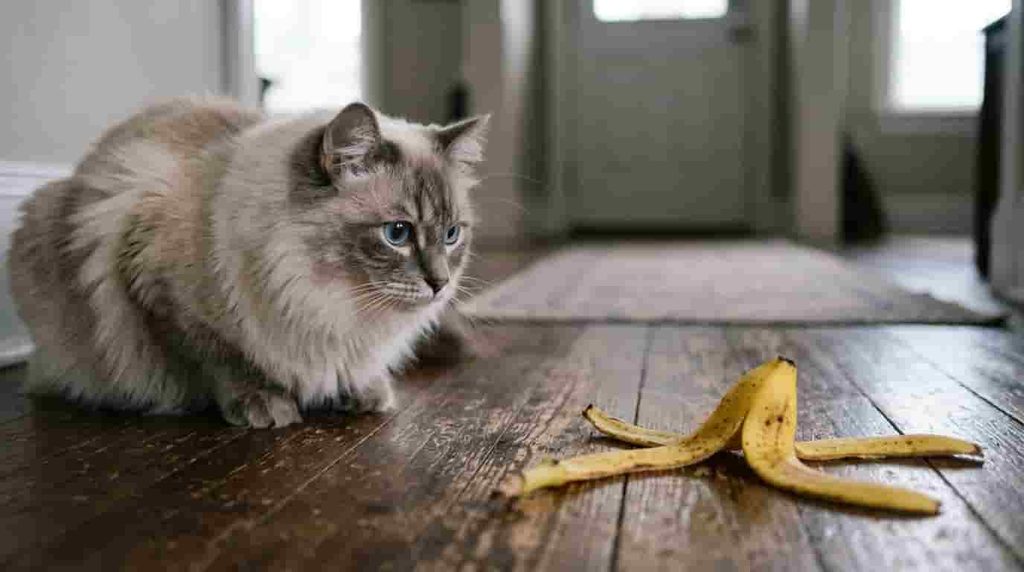
No, cats should never be fed banana peels. While the peel of a banana is not classified as chemically toxic to cats in the way that onions or grapes are, it presents severe physical and mechanical hazards to feline digestive safety.
Banana peels are extraordinarily tough, thick, fibrous, and completely indigestible for a cat’s short digestive tract. Felines lack the specialized teeth needed to grind down tough plant fibers, meaning any chewed piece of peel will be swallowed in large, rubbery chunks. Additionally, the outer skin of commercial bananas is often treated with agricultural pesticides, fungicides, or synthetic waxes that you do not want your cat ingesting.
What If My Cat Chews Banana Peel?
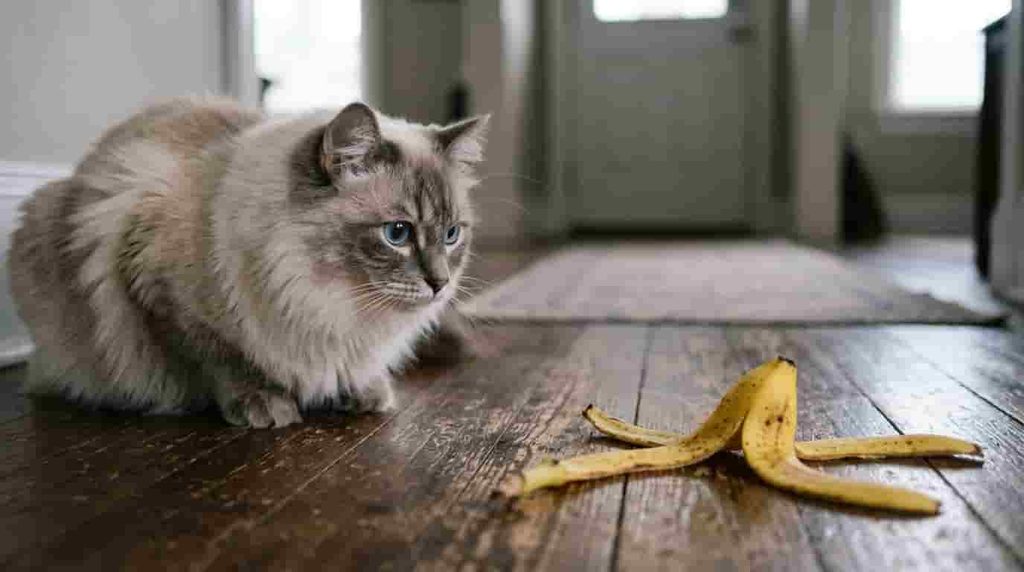
Cats are curious animals and may occasionally chew on or play with a discarded banana peel left on a table or hanging out of a trash can. If you catch your cat chewing or licking a banana peel:
- Remove the Peel Immediately: Take the peel away calmly and dispose of it in a secure, covered trash bin.
- Determine If Any Was Ingested: Check the peel for missing chunks or bite marks to estimate how much, if any, was swallowed.
- Monitor for Choking or Distress: If a cat tries to swallow a piece of tough peel, watch for immediate choking signs, such as pawing at the mouth, gagging, excessive drooling, or coughing.
- Watch for Intestinal Obstruction: If your cat swallowed a piece of peel, observe them carefully over the next 24 to 72 hours. A swallowed peel chunk can become lodged in the stomach or narrow intestinal loops, causing a life-threatening gastrointestinal blockage.
- Seek Veterinary Attention: Contact your veterinarian or an emergency animal clinic immediately if your cat exhibits persistent vomiting, inability to keep water down, extreme lethargy, abdominal tenderness, or absence of bowel movements.
How to Prepare Banana for a Cat
To ensure complete safety whenever you share a piece of banana with your cat, follow these quick preparation steps:
- Peel the Banana Completely: Strip away all outer peel tissue, including any stringy inner phloem fibers (the thin threads along the sides of the banana flesh).
- Inspect the Flesh: Select a firm, ripe section of flesh that is free from mold, fermentation, or heavy bruising.
- Slice a Tiny Portion: Cut away a small slice, then dice that slice into a tiny, pea-sized cube.
- Offer It Plain: Serve the single piece on a flat plate or in their standard food bowl without any toppings or seasonings.
- Observe: Watch how your cat reacts to the new food and ensure they chew and swallow the tiny piece without difficulty.
Can Cats Eat Bananas With Peanut Butter?
Why Peanut Butter Changes the Question
While a small piece of plain banana is non-toxic, pairing banana with peanut butter alters the safety and nutritional equation entirely. Combining these two human snacks introduces a range of new ingredients, dense calories, and potential health hazards that make the snack far less suitable for felines.
Commercial peanut butter is exceptionally rich, high in fats, and dense in calories. Cats do not possess a dietary need for plant-based fats or legume proteins. Introducing a dense, sticky spread like peanut butter alongside a high-sugar fruit like banana multiplies the digestive load placed on your cat’s liver and pancreas.
Should You Give Your Cat Banana With Peanut Butter?
It is strongly recommended to avoid giving your cat banana combined with peanut butter. There are several clear reasons to keep this human snack combination away from your pet:
- High Fat Content & Pancreatitis Risk: Peanut butter is packed with dietary oils and fats. High-fat treats can trigger acute inflammation of the pancreas (pancreatitis) in cats, a painful and serious condition requiring veterinary hospitalization.
- Added Sodium and Sugars: Most store-bought peanut butters contain added salt, hydrogenated oils, and refined sugars or corn syrups to enhance shelf-life and flavor.
- Sticky Choking Hazard: The thick, highly viscous consistency of peanut butter can easily coat the roof of a cat’s mouth or throat, making it difficult for them to swallow smoothly and increasing choking risks when paired with solid fruit pieces.
- Unnecessary Caloric Density: A single teaspoon of peanut butter adds roughly 30 to 35 calories—a massive amount for a small animal that only requires ~200 calories per day.
What About Sugar-Free Products?
If you ever consider using peanut butter or processed human foods near your pets, you must exercise extreme caution regarding sugar-free or reduced-sugar products. Many sugar-free human foods, spreads, and nut butters utilize artificial sweeteners to replace natural sugars.
The most dangerous of these artificial sweeteners is xylitol (often listed on ingredient labels as birch sugar). Xylitol is intensely toxic to dogs and poses severe toxicity risks across domestic pets, triggering rapid, life-threatening drops in blood sugar (hypoglycemia), acute liver failure, collapse, and seizures. Always check ingredient labels meticulously and avoid giving any processed, sweetened, or sugar-free human spreads to your cat.
Can Cats Eat Banana Bread, Chips and Pudding?
Can Cats Eat Banana Bread?
Banana bread should never be fed to cats. Plain, raw banana flesh bears little resemblance to baked banana bread, which is a dense, high-calorie human dessert packed with ingredients that are unsuitable or dangerous for felines.
Typical banana bread recipes rely heavily on refined white flour, large amounts of granulated sugar or brown sugar, butter, baking soda, and salt. Furthermore, many homemade and commercial banana breads contain additional ingredients that are toxic to cats:
- Raisins or Currants: Frequently added to fruit breads, raisins and grapes are highly toxic to felines and can cause sudden, irreversible acute kidney failure.
- Nuts (Walnuts, Macadamias): Macadamia nuts are toxic to pets, while other nuts like walnuts are high in fat and can trigger severe stomach upset or pancreatitis.
- Chocolate Chips: Chocolate contains theobromine and caffeine, both of which are toxic compounds that cause cardiac arrhythmias, muscle tremors, seizures, and death in cats.
- Spices (Nutmeg, Cinnamon): Spices like nutmeg contain myristicin, which can cause central nervous system issues, hallucinations, and rapid heart rate in pets when consumed in quantity.
Can Cats Eat Banana Chips?
Banana chips are not recommended for cats. Although they may appear to be simple dried fruit, commercial banana chips differ significantly from fresh bananas in ways that impair feline digestive health:
- Dehydration & Sugar Concentration: Removing moisture from banana slices concentrates the natural fruit sugars, making banana chips far higher in sugar per gram than fresh fruit.
- Deep-Frying Fats: Most commercial banana chips are deep-fried in coconut oil, palm oil, or hydrogenated vegetable oils to achieve a crispy texture, introducing unnecessary saturated fats.
- Added Sweeteners: Many brands coat banana chips in honey, refined sugar syrup, or artificial flavorings to enhance sweetness.
- Hard, Rigid Texture: Dried banana chips are hard and brittle, posing a choking hazard or potentially abrading a cat’s mouth and throat when chewed.
Can Cats Eat Banana Pudding?
Banana pudding is completely unsuitable for cats and should be strictly avoided. Banana pudding is a dairy-heavy, sugar-laden dessert typically prepared with milk, heavy cream, condensed milk, sugar, artificial flavorings, and vanilla wafer cookies.
The vast majority of adult cats are lactose intolerant. After weaning, cats lose the functional gene expression for lactase, the digestive enzyme required to break down lactose (the sugar found in milk and dairy products). Feeding dairy-based desserts like banana pudding to a lactose-intolerant cat almost guaranteed leads to painful abdominal bloating, gas, severe cramping, and explosive diarrhea. Combined with high sugar content and processed cookie ingredients, banana pudding is a recipe for gastrointestinal distress.
Can Cats Eat Bananas With Other Fruits?
Can Cats Eat Bananas and Apples?
Both bananas and apples raise very similar safety and preparation considerations for cat owners. Plain apple flesh is non-toxic to cats when served in tiny, unseasoned bits, but like bananas, apples are rich in natural sugars and carbohydrates that cats do not require.
When offering apple alongside banana, ensure the apple is fully peeled, sliced thin, and entirely free of its stem, core, and seeds (which contain cyanogenic glycosides that release toxic cyanide when chewed). If you’d like to read an in-depth breakdown of apple safety, portion controls, and preparation rules, explore our complete guide: Can Cats Eat Apples? Are Apple Slices, Skin and Applesauce Safe?
Can Cats Eat Bananas and Strawberries?
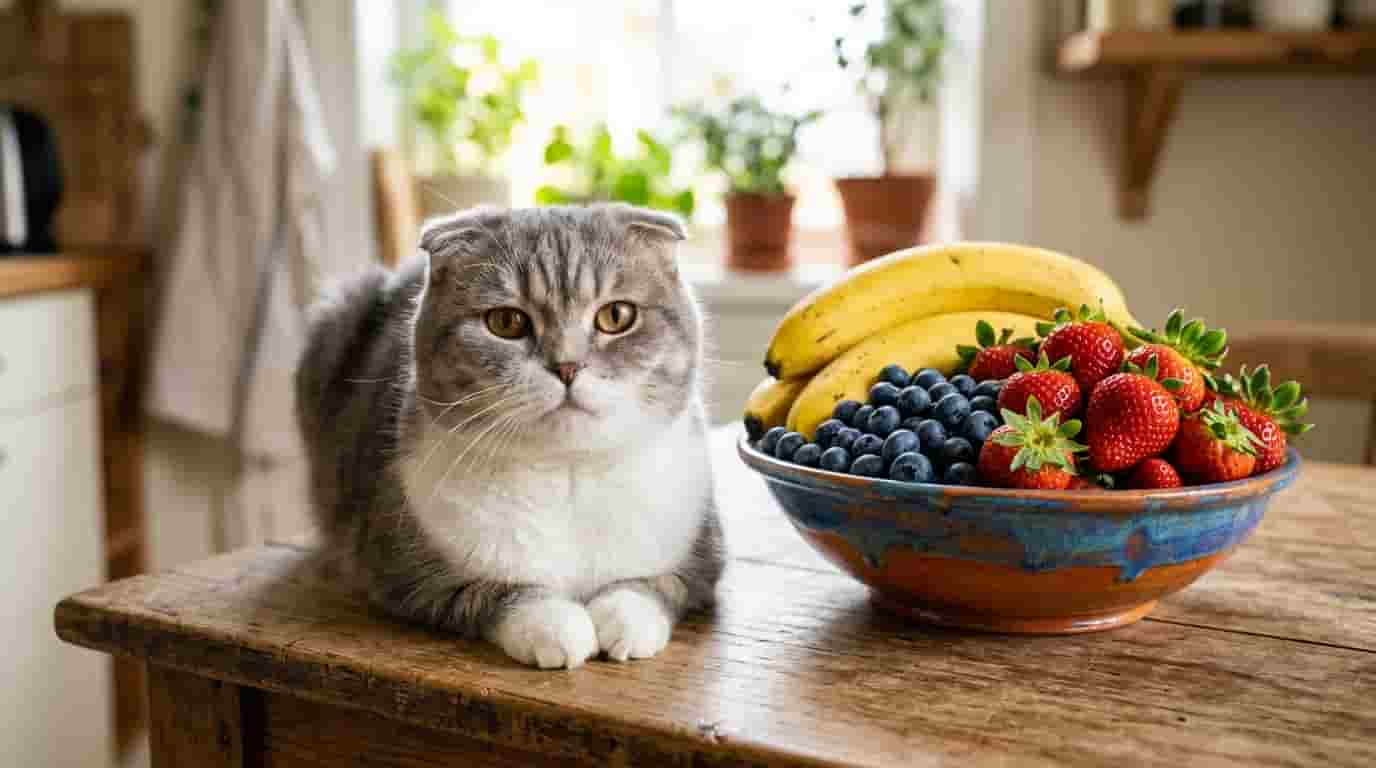
Cats can consume a tiny piece of strawberry paired with a tiny bite of plain banana, provided both fruits are thoroughly washed, unseasoned, and cut into micro-portions. Strawberries offer high water content and trace Vitamin C, but combining multiple fruits does not unlock any unique nutritional advantage for your cat. Introducing multiple fruits simultaneously simply increases the overall sugar load on their gut.
Can Cats Eat Bananas and Blueberries?
Blueberries are non-toxic to cats and are occasionally included in small quantities in premium commercial cat food formulations for their natural antioxidant profile. A single fresh blueberry served alongside a tiny cube of plain banana makes a safe, low-calorie treat combination. However, keep the total portion of both fruits combined under the size of a single pea.
Should You Mix Several Fruits Together?
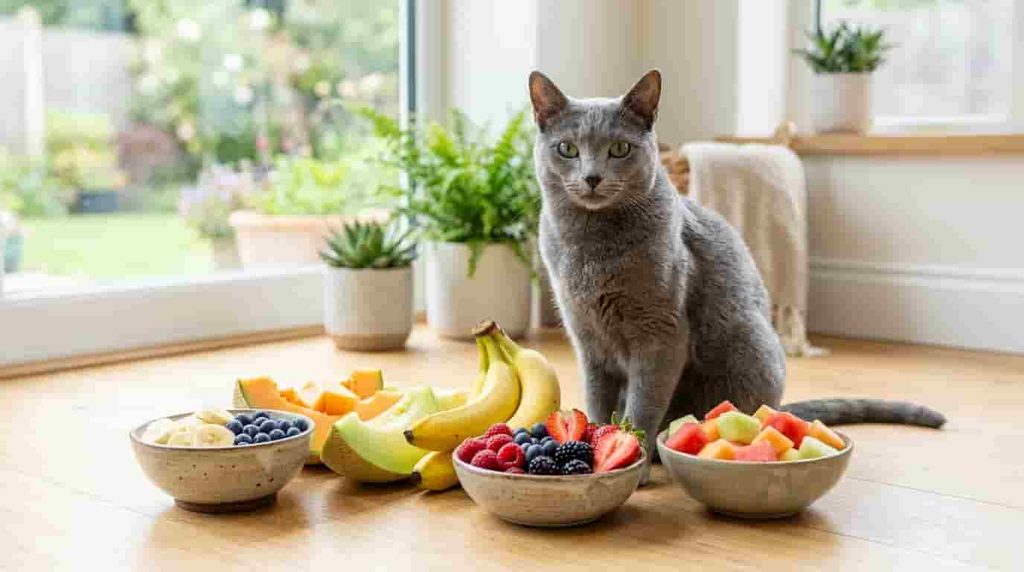
It is best to avoid mixing several different fruits together into a “fruit salad” for your cat. Offering a combination of multiple plant foods provides zero biological benefit to an obligate carnivore and introduces several distinct practical drawbacks:
- Higher Sugar Density: Combining multiple fruits increases total fructose consumption in a single sitting.
- Difficulty Pinpointing Intolerances: If your cat develops an adverse reaction—such as vomiting, gas, or diarrhea—after eating a multi-fruit mix, it becomes nearly impossible to identify which specific fruit caused the digestive distress.
- Digestive Overload: Mixing different fruit fibers and acids makes it harder for your cat’s short digestive tract to process the treat smoothly.
Stick to a single, plain ingredient whenever offering an occasional human food treat.
Which Fruits Can Cats Eat?

While fruits should remain completely optional, rare additions to a cat’s bowl, a select group of fresh fruits are non-toxic to felines when prepared properly:
- Watermelon: Seedless, rindless watermelon flesh provides high moisture content, making it a refreshing, low-calorie treat during hot summer weather.
- Cantaloupe: Low in fat and rich in moisture, cantaloupe flesh is often surprisingly appealing to curious cats due to volatile aromatic compounds that mimic protein scents.
- Blueberries: Small, soft, and naturally packed with antioxidants, making them easy to serve as individual micro-treats.
- Strawberries: Safe when stems and leaves are completely removed and the flesh is chopped into tiny morsels.
- Peeled Apples: Safe when strictly limited to plain flesh without seeds, core, or skin.
Whenever offering any safe fruit, always remember that fruit is completely optional rather than essential for feline wellness. Every fruit must be evaluated on its own individual merits, prepared by removing peels, seeds, and tough structures, and served strictly in micro-sized quantities without any added sugars or coatings.
If you are curious about exploring other safe, plant-based human foods that pet parents often consider for their cats, you can check out our detailed guides on Can Cats Eat Carrots? Raw, Cooked and Safe Ways to Serve Them or discover how plain pumpkin can support gut health in Can Cats Eat Pumpkin? Benefits, Risks, Serving Size and Safe Ways to Feed It
What Fruit Can Cats Not Eat?
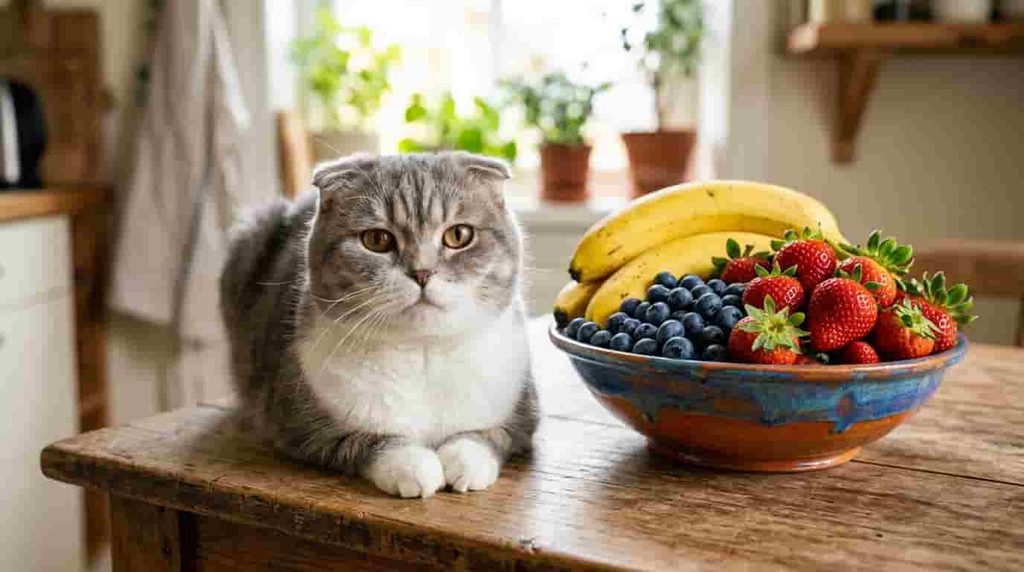
Why “Fruit” Is Not One Safety Category
It is a mistake to view “fruit” as a single, uniform category of food when it comes to pet safety. While a plain piece of banana or watermelon is non-toxic, other fruits contain natural chemical compounds, essential oils, or organic acids that can cause severe toxicity, organ damage, or fatal poisoning in cats.
Check the Whole Food, Not Just the Fruit Name
When assessing fruit safety for cats, you must evaluate every structural part of the plant, as well as how the fruit is processed or served:
- Grapes and Raisins: Highly toxic to both cats and dogs. Ingesting even small amounts of grapes or raisins can trigger acute, irreversible renal failure.
- Citrus Fruits (Oranges, Lemons, Limes, Grapefruits): Citrus fruits contain essential oils (such as limonene and linalool) and psoralens that cause severe gastrointestinal irritation, vomiting, central nervous system depression, and liver distress.
- Cherries, Plums, and Peaches: While the flesh of these stone fruits may be non-toxic, their pits, stems, and leaves contain cyanogenic glycosides (cyanide) that are toxic when chewed or ingested.
- Avocado: The pit, skin, and leaves of avocados contain persin, a fungicidal toxin that can cause severe gastrointestinal upset and fluid accumulation around vital organs in domestic animals. The high fat content also poses a risk of pancreatitis.
When in Doubt, Don’t Experiment
If you are ever uncertain about the safety of a specific fruit, ingredient, or plant-based food, do not experiment on your cat. Always verify the safety profile through a reputable veterinary source, or consult your primary veterinarian before offering new human foods to your pet. If you suspect your cat has ingested a toxic fruit or plant part, seek professional veterinary assistance or contact an animal poison control service immediately.
Common Mistakes When Feeding Bananas to Cats
Even well-intentioned pet owners make simple errors when sharing human foods with their pets. Avoid these seven common banana-feeding mistakes:
- Mistake 1: Giving Too Much: Offering a full banana slice or half a banana provides a massive overload of sugar and carbohydrates for a cat’s small body, leading to stomach pain and loose stools.
- Mistake 2: Feeding Banana Every Day: Making banana a daily habit introduces unnecessary calories, risks weight gain, and displaces balanced feline nutrition.
- Mistake 3: Offering the Peel: Leaving the peel on or allowing a cat to chew discarded peels introduces severe choking and intestinal blockage hazards.
- Mistake 4: Sharing Banana Desserts: Feeding banana bread, banana pudding, or banana chips exposes your cat to dangerous added sugars, fats, toxic spices, dairy, or artificial sweeteners.
- Mistake 5: Adding Peanut Butter: Combining banana with peanut butter adds excessive fat, dense calories, sticky choking hazards, and potential xylitol risks.
- Mistake 6: Assuming Cats Need Potassium From Bananas: Attempting to treat or manage a suspected electrolyte imbalance or kidney issue with bananas delays proper veterinary diagnosis and care.
- Mistake 7: Introducing Several New Foods at Once: Giving banana alongside other new fruits or treats makes it impossible to identify the culprit if your cat experiences an allergic reaction or digestive upset.
How to Give Your Cat Banana Safely
To ensure your cat stays happy and healthy when trying new treats, follow this simple step-by-step preparation protocol:
- Step 1: Choose Plain, Fresh Banana: Select a fresh, ripe banana free of mold or decay. Do not use baked goods, dried chips, or frozen banana desserts.
- Step 2: Peel It Completely: Strip off the entire outer peel and pull away any thin, stringy phloem threads running along the banana flesh.
- Step 3: Cut a Very Small Piece: Slice off a small piece and dice it into a tiny, pea-sized cube (roughly 1/4 inch across).
- Step 4: Offer It Without Toppings: Serve the piece plain on a clean plate or bowl—never add sugar, honey, peanut butter, or spices.
- Step 5: Treat It as an Occasional Snack: Keep banana as a rare, novelty treat (once or twice a month at most) that remains strictly within the 5% to 10% treat allowance.
- Step 6: Watch for Changes: Monitor your cat’s appetite, stool quality, and general behavior for 24 to 48 hours after feeding to ensure complete tolerance.
Realistic Preparation Example
For example: If a cat has never eaten banana before, an owner could offer a tiny plain piece rather than several slices. If the cat tolerates it without any digestive changes, there is still no need to make banana a daily treat.
When Should You Stop Giving Banana to Your Cat?
Digestive Changes
Discontinue offering banana immediately if you notice any subtle or obvious signs of gastrointestinal disruption following ingestion:
- Vomiting or dry heaving
- Diarrhea, soft stool, or unusual changes in bowel frequency
- Abdominal bloating, audible gut rumbling, or gas
- Decreased appetite for regular cat food
- Lethargy, hide-seeking, or signs of abdominal tenderness
Your Cat Seems Unwell
If your cat appears uncomfortable, listless, or exhibits persistent vomiting or diarrhea lasting longer than 24 hours after eating banana, stop offering all treats immediately. Ensure they have access to clean water, keep them in a quiet environment, and contact your veterinarian for guidance.
Suspected Problematic Ingredient
If your cat accidentally consumes a banana-based human product containing potentially harmful ingredients—such as banana bread with raisins, chocolate chips, or nutmeg, sugar-free banana pudding with xylitol, or peanut butter with high sodium—do not wait for symptoms to appear. Contact your veterinarian or an animal poison control center immediately for emergency advice.
A Simple Banana-Safety Checklist for Cat Owners
Before sharing a bite of banana with your feline companion, run through this quick scannable checklist:
Before Feeding:
- [ ] Is the banana fresh, ripe, and completely unseasoned?
- [ ] Has the outer peel and all stringy threads been completely removed?
- [ ] Is the piece diced into a tiny, pea-sized cube (1/4 inch or smaller)?
- [ ] Is the treat completely free of toppings like peanut butter, honey, or sugar?
- [ ] Is the treat free of baked goods, dairy, or dessert ingredients?
- [ ] Is your cat a healthy adult without diabetes, obesity, or digestive disease?
After Feeding:
- [ ] Did your cat swallow the piece easily without gagging or choking?
- [ ] Has your cat maintained a normal appetite for their complete regular food?
- [ ] Is your cat’s stool firm and normal over the next 24 to 48 hours?
- [ ] Is this treat being kept as a rare, occasional reward?
Can Cats Eat Bananas? The Bottom Line
So, Can Cats Eat Bananas? Yes, healthy adult cats can safely eat a tiny, pea-sized piece of plain, fresh banana flesh as an occasional treat reward. However, bananas are entirely optional and provide no necessary nutritional benefits for an obligate carnivore. Always keep portions microscopic, completely remove the tough peel, and avoid feeding banana daily. Never give your cat banana bread, banana chips, banana pudding, or banana paired with peanut butter, as these processed foods introduce unnecessary fats, sugars, toxic ingredients, and choking hazards. Finally, never attempt to use bananas to treat suspected potassium deficiencies or digestive issues like diarrhea. Always rely on complete, meat-based feline nutrition and consult your veterinarian whenever you have questions about your pet’s diet.
Do you have a curious cat that loves investigating fresh fruit, or do they turn their nose up at anything that isn’t meat? Share your experiences and favorite safe treat ideas in the comments below!
Frequently Asked Questions
Can Cats Eat Bananas Every Day?
No, cats should not eat bananas every day. Bananas contain high natural fruit sugars and carbohydrates that cats do not need. Feeding banana daily adds empty calories, risks weight gain and digestive upset, and can displace their appetite for complete, balanced cat food. Keep banana as a rare treat offered no more than once or twice a month.
Can Cats Eat Banana Peels?
No, cats should never eat banana peels. Banana peels are dense, rubbery, and completely indigestible for cats, posing major choking hazards and risks of gastrointestinal blockages. They may also carry surface agricultural pesticide residues. Always peel bananas thoroughly and dispose of peels in a secure trash bin.
Can Cats Eat Banana Bread?
No, cats should not eat banana bread. Banana bread contains high levels of added sugar, fats, butter, and refined flour that cause digestive upset and weight gain in cats. Furthermore, banana bread frequently includes ingredients that are toxic to cats, such as raisins, chocolate chips, macadamia nuts, or spices like nutmeg.
Can Cats Eat Bananas for Diarrhea?
No, you should not give bananas to a cat to treat diarrhea. While humans sometimes use bananas as part of the “BRAT” diet for stomach upset, a cat’s carnivore digestive system processes fruit differently. The fructose and fiber in bananas can actually worsen feline diarrhea and cause abdominal cramping. Persistent or severe diarrhea in cats warrants professional veterinary assessment.
Which Fruits Can Cats Eat?
Non-toxic fruits that healthy cats can consume in tiny, plain, bite-sized amounts include peeled apple flesh (without seeds or core), seedless watermelon, cantaloupe, blueberries, and strawberries. Always prepare fruit by removing seeds, pits, rinds, and peels, and serve only plain flesh in strict moderation.