Turkish Van Cat: The Rare Cat That Loves Swimming
Introduction:
Turkish Van cat owners often face a strange problem. Most cats sprint away from a bathtub. This breed, however, often jumps right into the water. Why does this cat defy the normal rules of feline behavior?
You might think all cats hate water. However, the story behind this swimmer reveals much more. It involves ancient mountains and a very specific climate.
People often confuse this breed with others. They see the white coat and assume it is just another fluffy pet. Soon, you will learn why this cat stands apart from the Khao Manee Cat: The Rare Diamond-Eyed Cat From Thailand. This journey into the history of the breed starts in Eastern Turkey. Please keep reading to find the secrets behind these unique swimmers.
Understanding the Turkish Van Breed
The Turkish Van breed comes from the Lake Van region. This area features harsh winters and hot summers. Because of this, the cats developed a unique coat.This coat feels water resistant to the touch. It lacks a dense undercoat found in many other cats. This allows them to dry quickly after a dip.
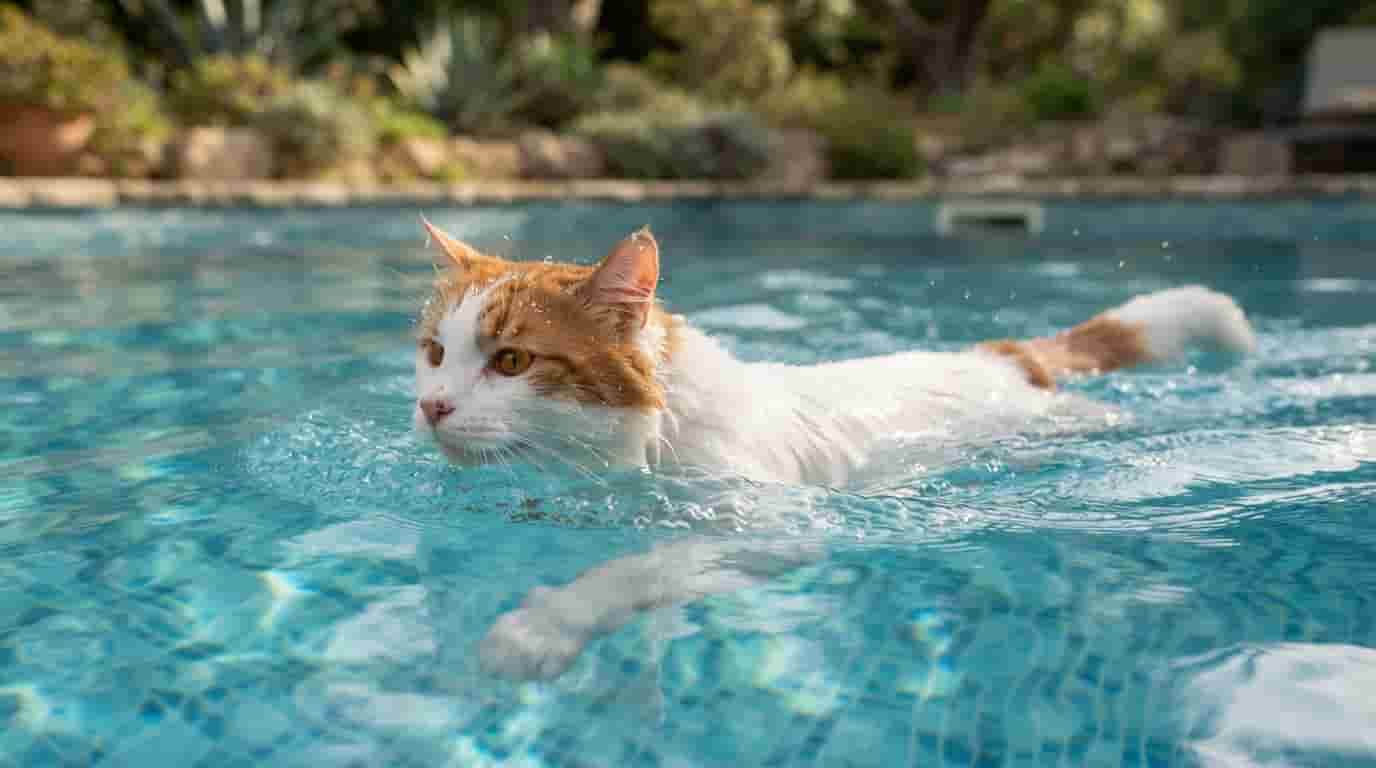
Some people call them the swimming cats of Turkey. They do not just tolerate water. Often, they actively seek it out.You might wonder if they have webbed feet. Interestingly, they do not have true webbing. They simply possess a natural comfort in the water.
This trait makes Turkish Van cat care a unique experience. Owners must secure their fish tanks. Additionally, they often find their pet in the shower.
Many people compare them to the Lykoi Cat: The Natural Werewolf Cat That Shocked the World. Both possess very striking and unusual looks. However, their personalities remain quite distinct.
Turkish Van Cat Characteristics and Temperament
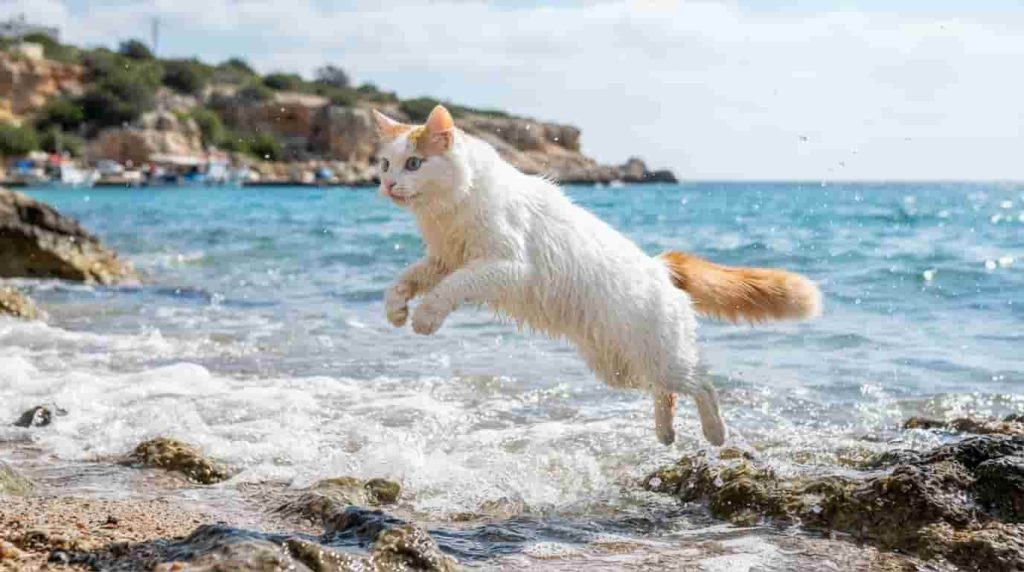
The Turkish Van cat personality charms almost everyone. They bond deeply with their human families. They often choose one person as their favorite.These cats do not sit quietly on a shelf. They prefer high perches. From these heights, they watch the whole house.
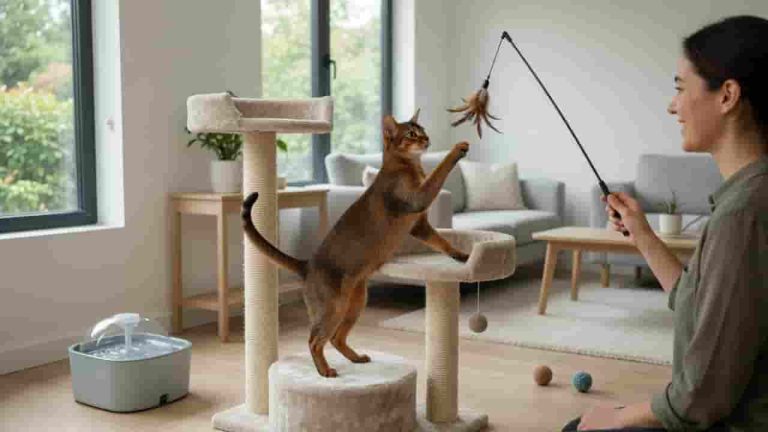
They act more like a dog than a cat. They will follow you from room to room. Sometimes, they even play fetch with toys.Because they are so active, they need space. They love climbing cat trees. Also, they enjoy puzzle toys that challenge their minds.
A PetMD expert notes that high activity levels require enrichment. Without play, they might grow bored. Bored cats often cause trouble around the home.You should provide plenty of vertical space. Furthermore, rotate their toys to keep them interested. This simple step improves their daily life.
Exploring Turkish Van Cat Facts and History
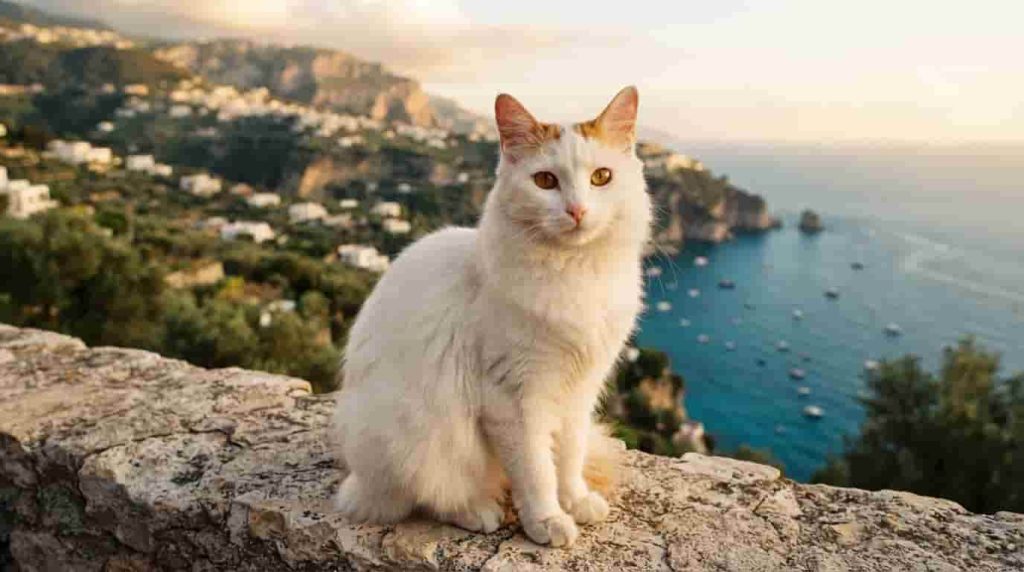
The history of the Turkish Van cat goes back centuries. Local legends surround the van kedisi in their homeland. They lived near the lake for many years.
These cats are not the same as Polydactyl Cats: Why Some Cats Are Born With Extra Toes. The Van possesses a standard number of toes. Their main trait remains their love for water.
In the mid-1900s, visitors brought the first pair to England. These travelers noticed their swimming skill immediately. They worked hard to keep the bloodlines pure.
Today, breeders focus on health and temperament. They want to preserve the classic look of the breed. This means keeping the specific color patterns.Most individuals show the classic Van pattern. This consists of color on the head and tail. The rest of the body remains mostly white.However, some variation exists in the breed. Always check with a reputable breeder for history. Good documentation ensures you get a healthy pet.
Essential Turkish Van Cat Care Tips
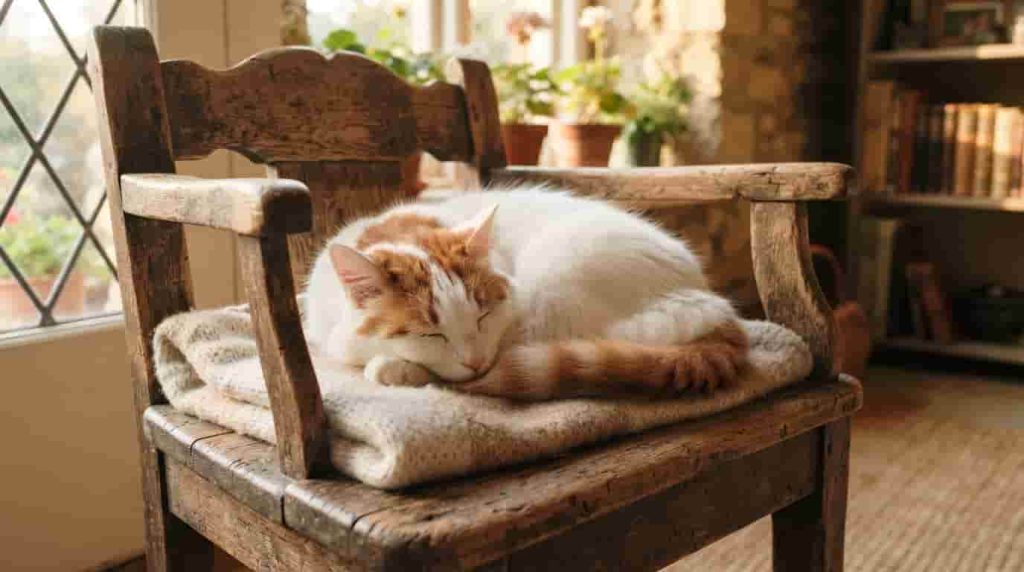
Providing great Turkish Van cat care takes preparation. First, monitor their diet carefully. These cats love to eat.
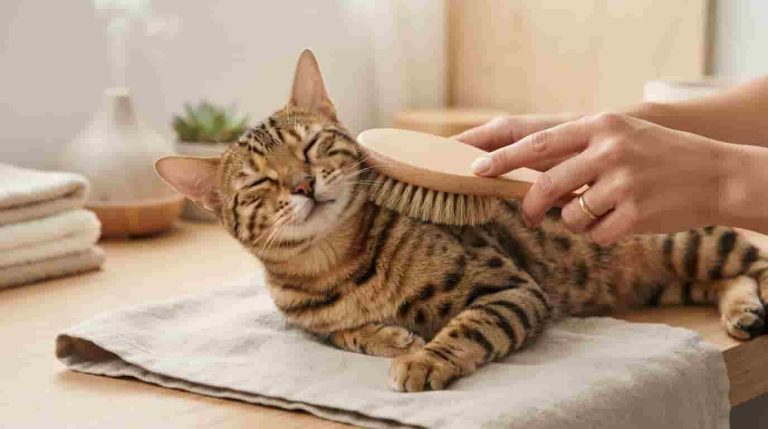
Choose high quality food with lean protein. Avoid cheap fillers that cause weight gain. Obesity leads to many health problems later.Next, prioritize their grooming needs. Even though they have a water resistant coat, they still shed. Brush them weekly to remove loose fur.
Use a soft brush to protect their skin. Additionally, keep their ears clean. Inspect them regularly for any signs of irritation.Water safety is also part of their care. Keep toilet lids closed at all times. They might try to jump into the bowl.
If you enjoy swimming, you might have a companion. Some owners take their cats to safe pools. Always supervise them closely near deep water.
Turkish Van Cat Colors and Growth
You will notice the unique Turkish Van cat colors early on. The auburn and white pattern is most famous. However, other colors like black or cream exist.
These patterns often appear on the head. A spot on the shoulder is also common. Experts call this the thumbprint of the cat.Turkish Van kittens grow quite slowly. They reach full size around three years old. Do not rush their development with extra food.
Instead, focus on steady, healthy growth. Consult your vet about their weight milestones. A healthy weight keeps their joints strong. They remain playful well into their adult years. Expect lots of energy even as they age. Provide them with plenty of love and exercise.
Why This Breed Stays Unique
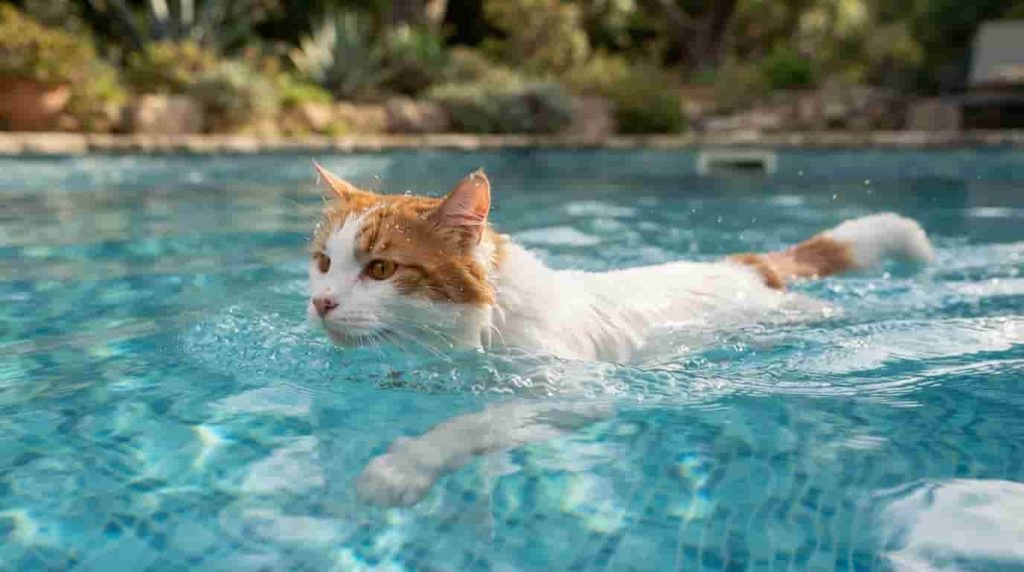
The Turkish Van cat remains a rare find. They bring joy to those who love an active pet. Their personality creates a strong bond.
Whether they are swimming or playing, they stay fun. They offer a rare look at a historic breed. Every day brings a new discovery with them.
We explored the history and habits of this cat. You now know why they love the water so much. Their journey from the lake to the home is special.The Turkish Van cat continues to fascinate cat lovers everywhere. Does your cat show any strange habits? Share your experience in the comments below.
Frequently Asked Questions
No, they are not hypoallergenic. They produce dander just like any other cat breed.
Yes, they have high energy levels. They need daily play to stay happy and healthy.
Usually, no. They generally get along well with other pets if they are introduced properly.
They often live between 12 and 15 years. Good nutrition and vet care help them live long lives.
Most of them enjoy water, but it varies by individual. Some might prefer just dipping their paws in.