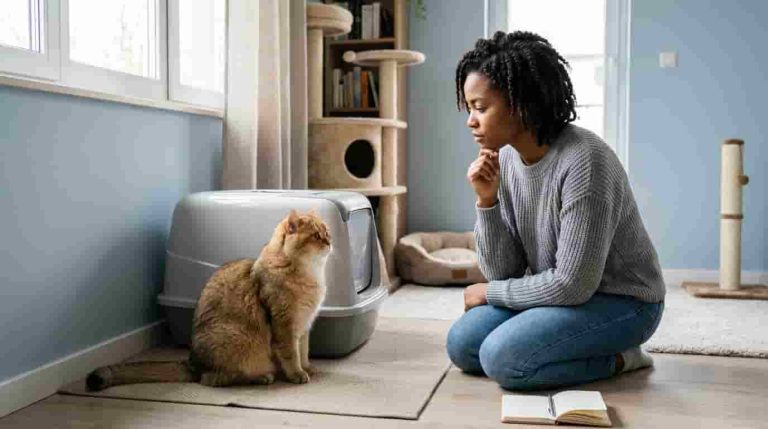
Cat Household Toxins: The danger of air fresheners and sprays.
Introduction:
Cat household toxins lurk inside everyday sprays and air fresheners. Many people love making their rooms smell sweet and clean. However, airborne chemicals bring silent dangers to indoor pets. Therefore, learning about cat household toxins protects your furry companion from unexpected respiratory distress and systemic poisoning.
Your cat breathes the same air you breathe. Moreover, cats groom their fur constantly. Because of this, airborne particles settle on their coats and enter their bodies. Next, hidden poisons build up inside delicate organs.
Many owners spray rooms without a second thought. Yet, invisible mists drift down onto floors and furniture. Furthermore, cats walk across these surfaces and lick their paws.
Hidden Dangers Behind Cat Household Toxins And Air Fresheners
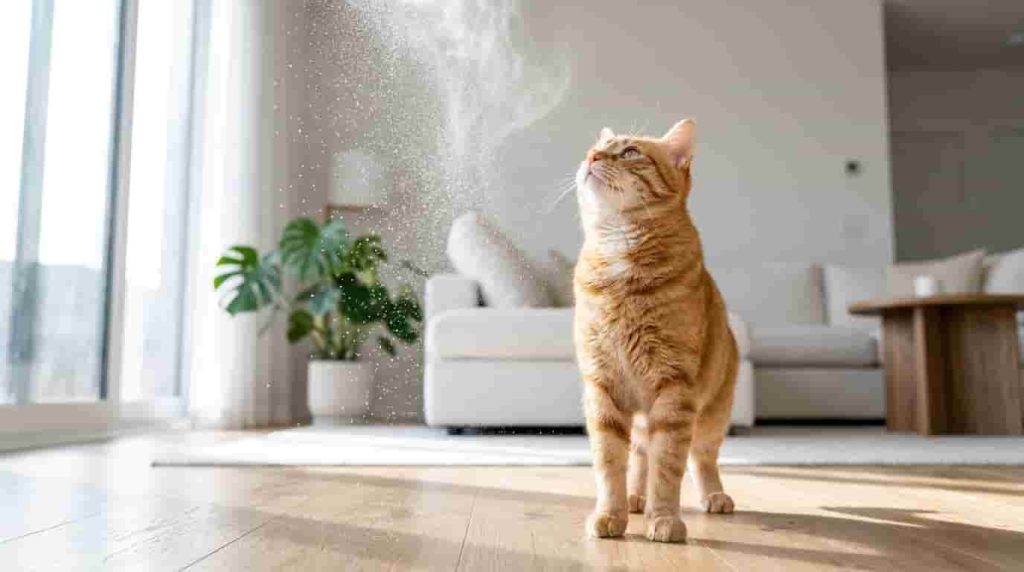
Cat household toxins create serious health risks inside modern homes. Aerosol sprays release fine chemical droplets into the air. Therefore, recognizing common cat toxins saves pets from sudden veterinary emergencies.
Mark sprayed a popular linen scent across his living room furniture. Minutes later, his cat started coughing and wheezing heavily. ASPCA warns that aerosol air fresheners and essential oil diffusers trigger severe asthma attacks in sensitive cats.
You must spot symptoms early. First, watch for sudden watery eyes or drooling. Next, listen for persistent coughing or wheezing. Finally, check for unusual lethargy.
Meanwhile, other household areas threaten your pets too. You should read Cat Window Safety: Installing feline proof screens on high floors. to secure your living spaces. Additionally, explore Cat Potpourri Risks: Why liquid scents are a danger to skin. for more fragrance hazards.
Eliminating Common Cat Toxins From Your Living Space
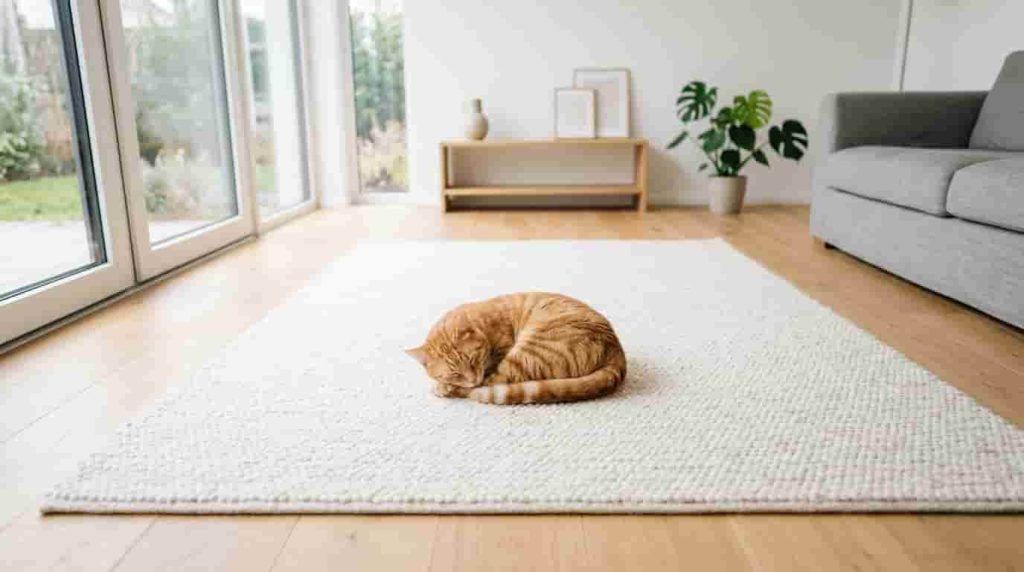
Common cat toxins require constant attention from every pet parent. Traditional cleaning supplies contain harsh chemical compounds. Therefore, switching to pet-safe cleaning products protects your feline friend.
Cats lack specific liver enzymes. Because of this, they process synthetic fragrances and chemical sprays very slowly. Cornell University College of Veterinary Medicine explains that feline livers struggle to metabolize certain volatile organic compounds safely.
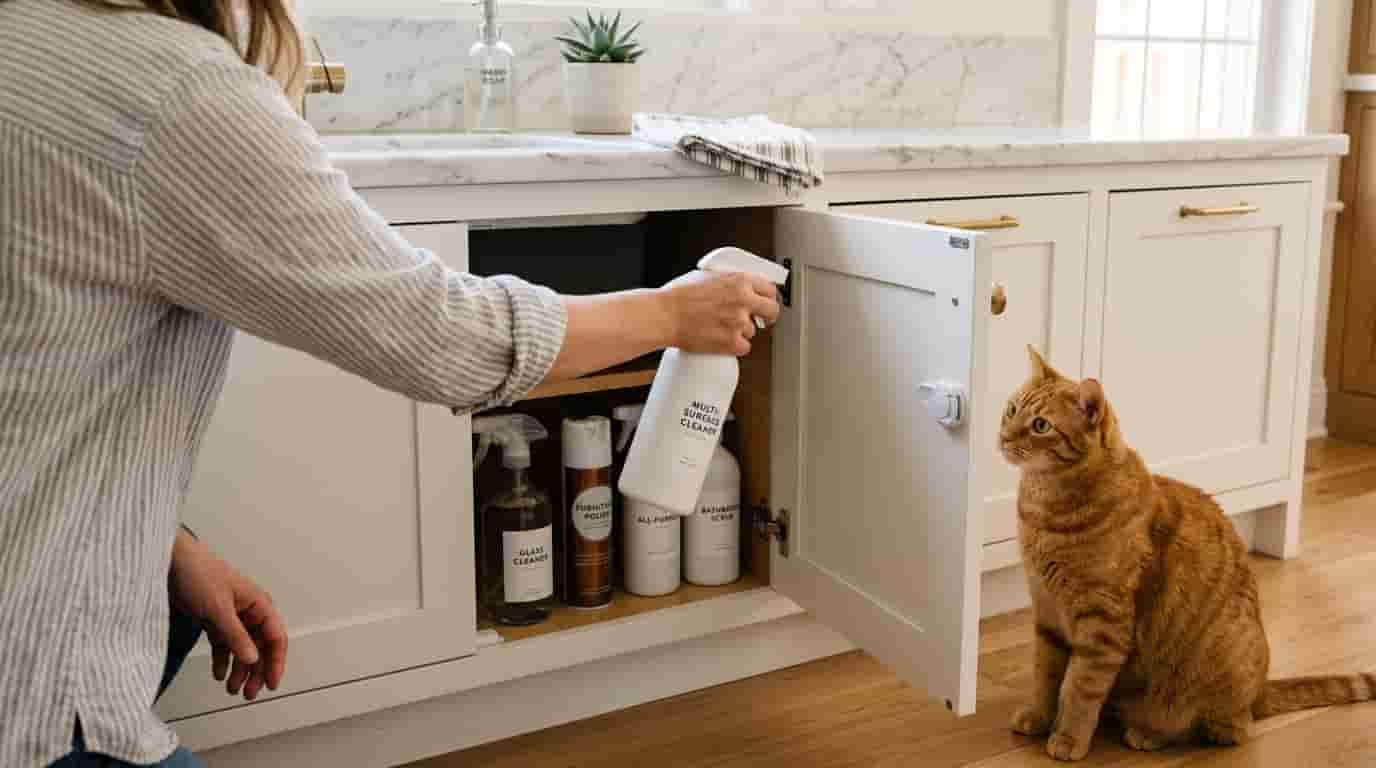
You need safe habits at home. First, throw away all plug-in air fresheners. Next, seal chemical bottles tightly in storage cabinets. Finally, choose cat-friendly cleaning supplies instead.
Some owners forget about laundry rooms entirely. You can review Cat Laundry Safety: Always checking the dryer before starting. for complete laundry area protection.
Best Practices For Maintaining A Cat-Friendly Home
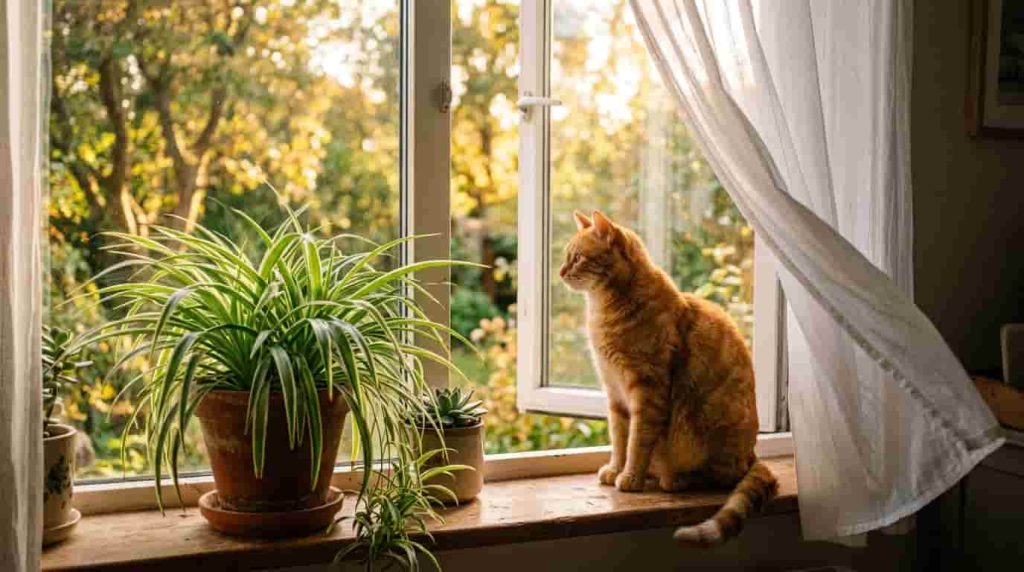
A cat-friendly home involves complete elimination of dangerous airborne items. Natural ventilation keeps rooms smelling fresh without harming animals.
Here are simple steps to follow:
- Open windows daily to let fresh air circulate.
- Replace synthetic sprays with safe mechanical fans.
- Store cleaning solutions in locked cabinets.
- Check labels for harmful artificial fragrances.
Cat household toxins affect indoor animals faster than outdoor pets. Therefore, prevention remains your best defense. You control what enters your living space.
Indoor environmental hazards for cats demand serious care. Always check ingredient labels carefully. Furthermore, ask your veterinarian about safe home deodorizers.
Recognizing Toxic Substances For Cats Indoors
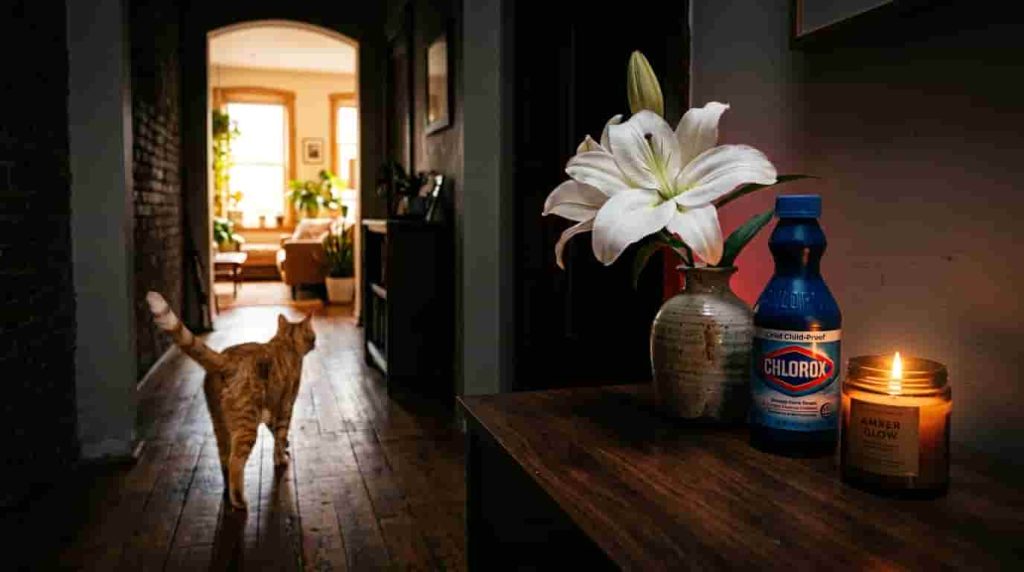
Toxic substances for cats hide in plain sight everywhere. Many commercial air fresheners contain hidden phthalates and phenols. Therefore, reading product labels prevents accidental exposure.
VCA Animal Hospitals reports frequent cases of feline respiratory distress from aerosol sprays. Quick veterinary care prevents permanent lung damage.
Here is what you should do during an emergency:
- Move your cat into fresh outdoor air immediately.
- Call your emergency veterinarian right away.
- Bring the product packaging to the clinic.
- Never administer human medications without professional guidance.
Common household toxins for cats break hearts worldwide. Smart owners stay vigilant every single day.
Cat-safe household items decrease poisoning risks when you replace old sprays. Protect your precious companions now.
Conclusion
Cat household toxins threaten your cat daily through invisible air particles and chemical mists. Air fresheners cause severe breathing problems and dangerous systemic poisoning. Therefore, remove all aerosol sprays from your home immediately.
What methods do you use to keep your home smelling fresh and pet-safe? Share your experience below.
Frequently Asked Questions
Yes, most plug-in diffusers release volatile organic compounds. These chemicals cause severe respiratory irritation in cats. Therefore, remove them from your home.
Inhaled chemicals irritate the sensitive lining of the lungs. Your cat might start coughing, wheezing, or drooling. This requires immediate veterinary attention.
You can open windows for natural ventilation. Use safe, non-toxic baking soda for odors. Always consult your vet for approved air freshener options.
You can use simple mixtures of water and white vinegar. Avoid harsh chemical bleaches and ammonia sprays. Proper dilution keeps your floors and counters safe.
Yes, many essential oils contain compounds that cats cannot process. Inhaling these oils leads to severe toxicity. Always keep diffusers completely away from pets.