Cat Box Location: Where to put the litter tray for maximum peace.
Introduction:
Cat box location choices can make or break your relationship with your favorite feline friend. Have you ever walked into your living room only to find an unpleasant surprise on your clean rug? Many frustrated pet owners face this exact bathroom issue when their pets suddenly stop using their trays.
Choosing where to put cat litter box setups requires a good understanding of natural feline instincts. Your pet needs to feel completely safe while they perform their daily private business. Therefore, picking the best place for litter box placement will solve most elimination problems before they start.
A quiet environment helps all felines feel secure in their territory during vulnerable moments. For example, a vulnerable Cat Nursing Mom: Nutritional needs for a mother with kittens requires a calm bathroom space nearby. A peaceful home setup ensures that both mother and growing babies stay happy and clean.
Proper placement also helps you keep an eye on your pet’s overall health and bathroom habits. You can easily spot changes in behavior when the tray sits in an accessible area. This simple habit helps you monitor critical health milestones like tracking an ideal Cat Kitten Weight: How to tell if your baby cat is growing right.
Finding the Best Place for Litter Box Success
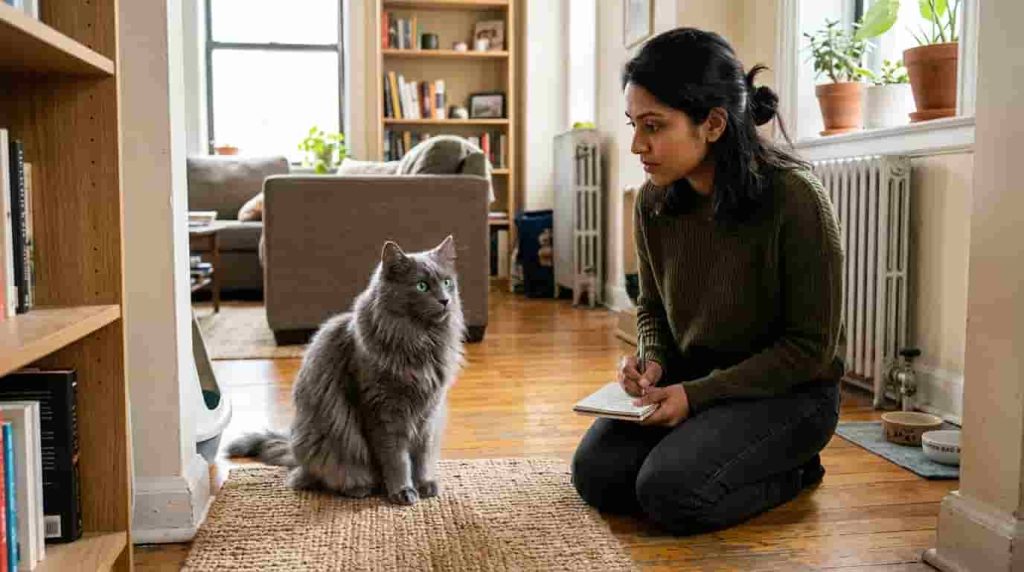
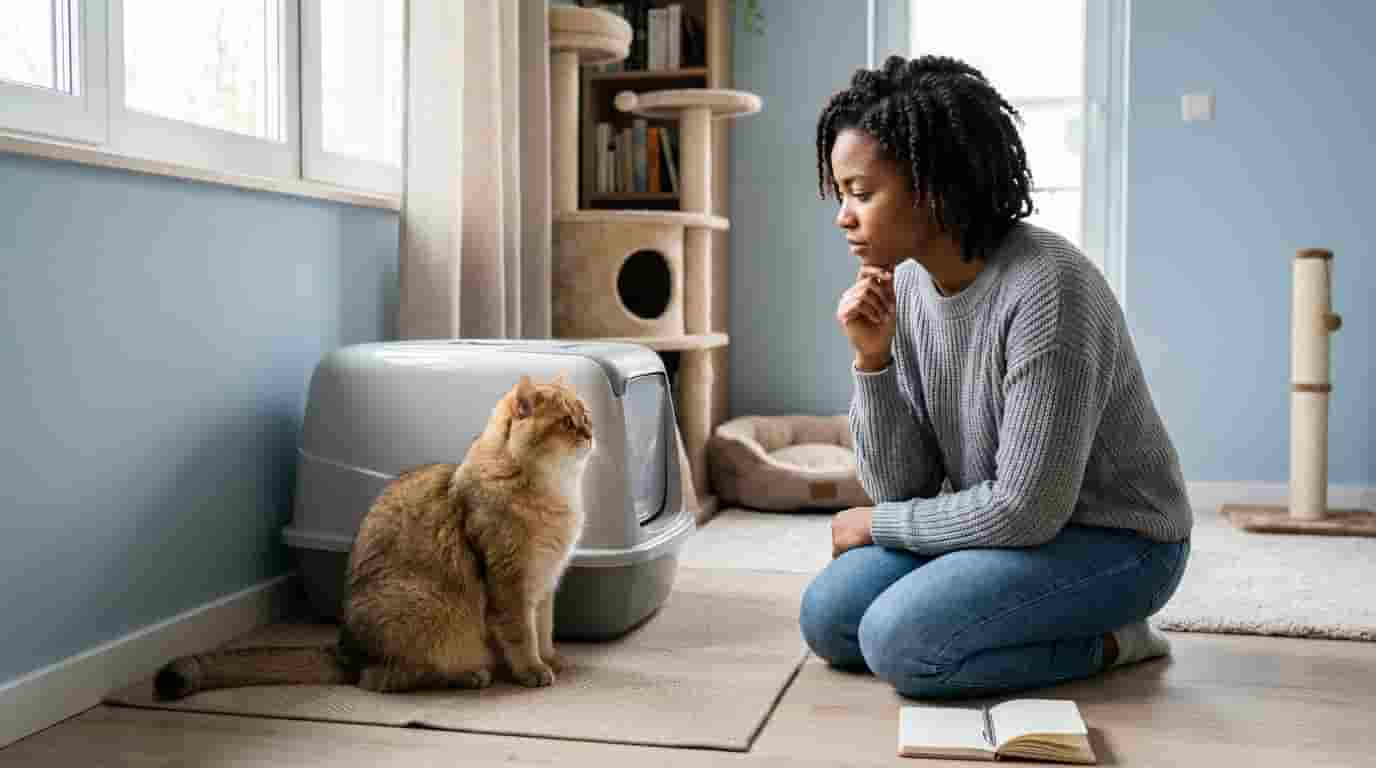
An ideal spot for cat box setups should always offer excellent escape routes. Felines naturally dislike trapped corners because they want to see potential threats from a distance. Therefore, you should avoid cramping the toilet into a tiny closet or a tight hallway.
Consider a quiet guest room or a low traffic corner of your home office instead. These areas provide the privacy your pet craves without isolating them completely from the family. Furthermore, keeping the toilet away from loud household appliances will prevent sudden scares while they use it.
My friend Sarah recently learned this lesson the hard way with her rescue pet, Barnaby. She hid his pan behind a noisy washing machine to keep it out of her sight. As a result, poor Barnaby refused to go inside the room because the loud spin cycle terrified him.
Moving the pan to a calm corner instantly solved his bathroom issues. This simple change in cat box position transformed Barnaby back into a perfectly clean house pet. You can achieve the same wonderful results by simply thinking like a feline when placing the tray.
The Ultimate Blueprint for Optimal Litter Box Location
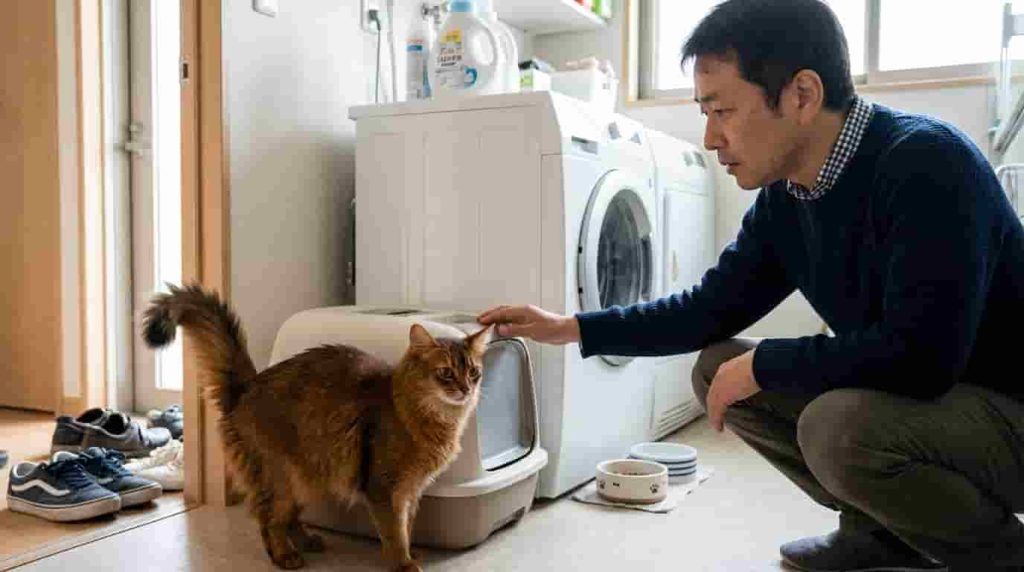
Achieving an cat box location that delivers optimal results requires following a few strict household rules. First, you must separate their bathroom entirely from their eating and drinking stations. Cats possess an incredibly strong sense of smell and will refuse to eat near their waste.
Second, you must follow the classic plus one rule for the total number of pans. This means you should provide three separate trays if you own two resident cats. Additionally, you should spread these containers across different levels of your household floor plan.
- Place one tray on the main living floor.
- Put a second pan in the finished basement area.
- Keep a third container upstairs in a quiet hallway.
This smart cat toilet placement strategy prevents territorial guarding in multi cat households. Dominant animals cannot block access to every facility when you spread them across your home. Consequently, your more timid pets will always feel safe finding a peaceful place to go.
Experts from the ASPCA state that proper tray distribution drastically reduces stress related urine marking behavior. Happy pets rarely feel the need to mark walls when they have enough clean options. Therefore, investing time in your cat litter box position creates a peaceful household for everyone.
Avoid These Mistakes with Your Cat Toilet Location
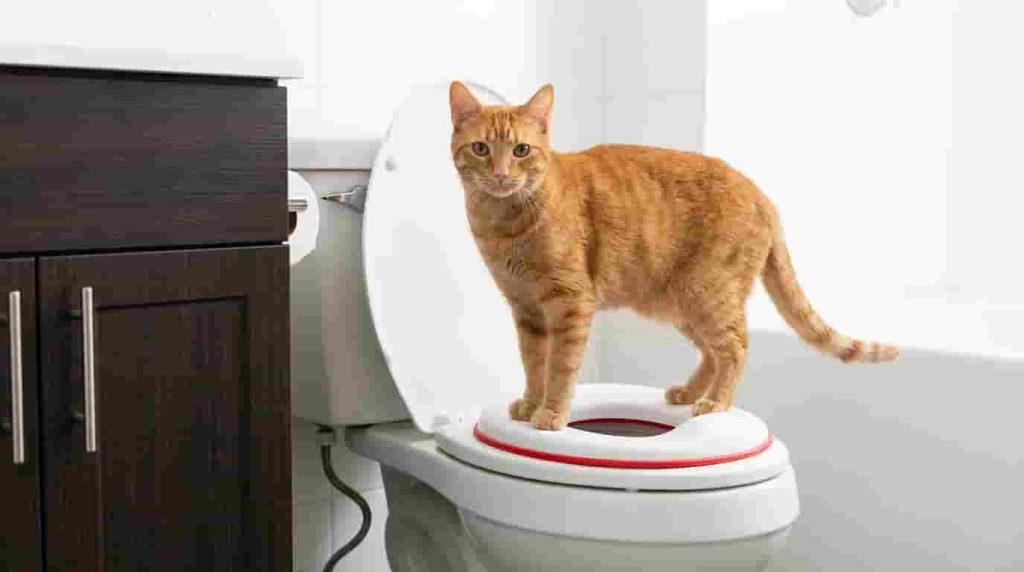
Many owners hurt their home harmony by picking an inconvenient cat box location for their own comfort. For example, a dark, damp basement corner might seem like the perfect cat box spot for you. However, your aging pet might struggle to walk down steep stairs every time they need to go.
Cold temperatures and dark spaces can also make the bathroom experience very unappealing for young felines. This is especially true if you are caring for a delicate Cat Orphan Kitten: How to bottle feed a baby with no mother. These tiny babies require warmth and easy access to stay healthy and clean.
Moisture in damp areas can also keep the litter from drying out properly between uses. This trapped humidity locks in terrible odors and encourages dangerous mold growth in the clay material. Therefore, choosing a dry room with good natural airflow will keep the air fresh.
You should also avoid placing the container near bright floor lamps or loud television sets. Sudden flashing lights and booming noises can easily startle a sensitive pet mid stream. Instead, look for a spot that offers steady, gentle lighting throughout the day and night.
Perfecting Your Cat Litter Box Positioning Strategy
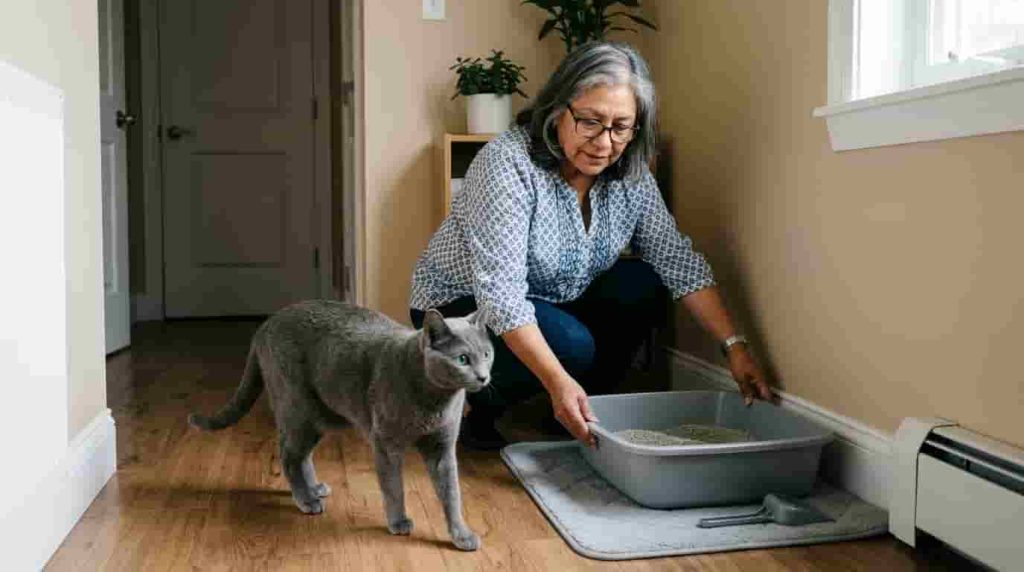
Mastering your cat litter box positioning means analyzing the exact layout of your selected room. Do not place the pan directly behind a door that opens inward. A family member could accidentally hit the pet while opening the door, which creates a negative association.
Instead, pull the container a few inches away from the wall to give them breathing room. This optimal cat box placement allows your pet to sit comfortably without squishing their long whiskers. They will appreciate the extra space and use the tray much more consistently.
You can also use attractive decorative privacy screens to hide the pan from human guests. These stylish dividers keep your home looking beautiful while preserving your pet’s private sanctuary. Simply ensure the screen leaves two wide exit paths so your pet never feels trapped inside.
Crucial Steps to Find Best Spot for Cat Litter Box
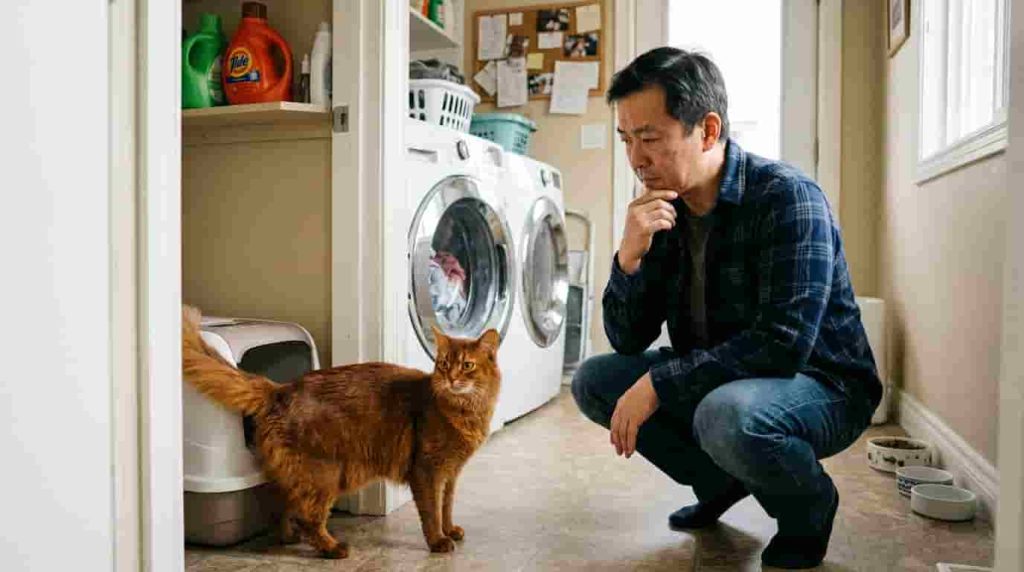
You can follow a simple test to find best spot for cat litter box setups in your house. Set up two temporary pans in different rooms for two weeks to see which one they prefer. Then, observe which container requires more frequent cleaning during this trial period.
Your pet will clearly show you their favorite cat box location through their daily bathroom choices. Once they select their preferred area, you can safely remove the unused temporary container. This hands on method removes the guesswork and ensures long term household cleanliness.
- Select two potential quiet rooms in your house.
- Fill both experimental pans with the exact same litter type.
- Count the daily waste clumps in each pan for two weeks.
- Keep the popular spot and remove the rejected option.
According to a study by the Cornell University College of Veterinary Medicine, cats prefer locations with clear sightlines. They want to monitor their surrounding environment while remaining hidden from view. Honoring this deep instinct will guarantee success during your placement test.
If you must move a tray permanently, do it very slowly over several consecutive days. Move the pan just one foot each morning toward the new designated area. This gradual change prevents confusion and keeps your pet using the pan throughout the entire transition.
Conclusion: Securing Your Cat Box Location
Perfecting your cat box location is a simple yet powerful way to show love for your pet. By avoiding loud appliances and trapped corners, you give them the peaceful bathroom they truly deserve. This careful planning protects your expensive rugs and keeps your home smelling completely fresh.
Remember to follow the proper tray count and keep facilities far away from food bowls. These minor adjustments create a stress free environment where your feline companion can truly thrive. Your efforts will reward you with a clean house and a very purrfectly happy pet.
Now, we would love to hear about your own home setups and clever ideas. Did moving your pet’s pan solve a tricky behavioral problem in your house? Please share your personal experiences in the comment section below to help other owners!
Frequently Asked Questions
The best area is a quiet, low traffic room that offers multiple clear escape routes. Avoid loud appliances like washing machines or furnaces because sudden noises scare pets away. Ensure your pet can access the space easily at any time of day.
Yes, a human bathroom can work well if you keep the door propped open constantly. However, ensure the pan does not sit too close to a noisy, splashing shower stall. The moisture from showers can also prevent the litter from drying correctly.
Your pet might feel trapped or frightened by their current bathroom setup. This often happens when owners place the container in dark corners or high traffic hallways. Try moving the tray to a more private space with open views.
You should place food and water bowls in an entirely separate room if possible. At a minimum, keep their nourishment stations at least ten feet away from their waste area. Cats naturally refuse to eat near their bathroom to protect their health.
A dark basement is usually a poor choice because it isolates your pet too much. Aging cats may find the stairs too painful to climb as they grow older. Additionally, damp basement air can trap unpleasant odors and cause mold growth.