Cat Vomiting Causes: When to worry about your cats upset stomach.
Introduction:
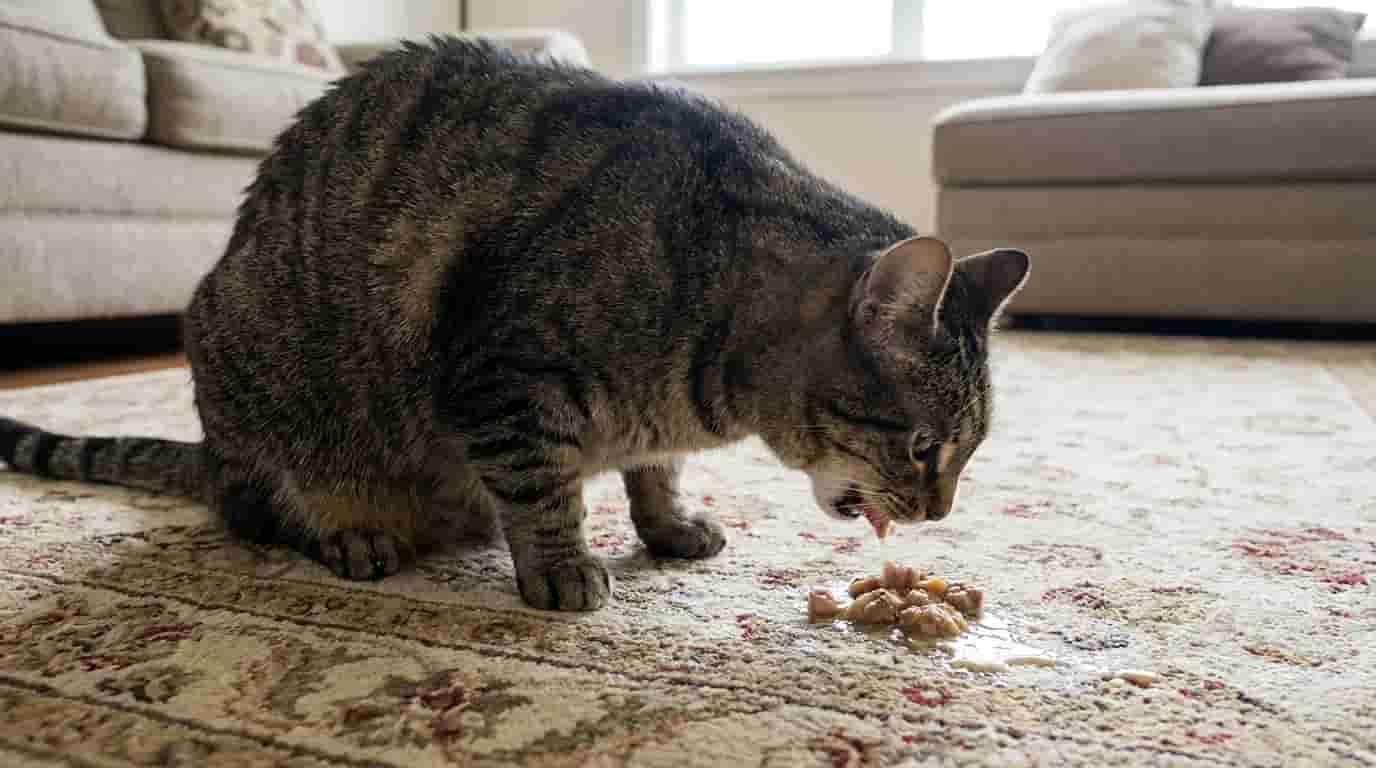
Cat Vomiting Causes trip up many pet parents because cats often throw up. You wake up at midnight to a strange sound. Suddenly, you step onto a wet mess on your clean carpet. Your furry friend looks completely fine a minute later.
However, you still feel worried about their health. Is this incident just a standard hairball issue? Alternatively, does it signal a major medical emergency?
Understanding the various cat vomiting causes helps you protect your pet. This guide will help you decode your pet’s stomach issues. You will learn exactly when to monitor them at home. Additionally, you will discover when to speed directly to an emergency animal clinic.
Exploring Cat Vomiting Causes in Daily Pet Care

Pet parents frequently struggle to identify specific reasons for cat vomiting. You might notice your cat eating too fast during mealtime. As a result, they may experience sudden cat throwing up reasons.
This specific situation often points to simple cat regurgitation factors. Regurgitation happens before food even reaches the stomach. It differs significantly from actual vomiting.
True vomiting involves active abdominal heaving and deep distress. For example, my own cat named Oliver used to eat his dry kibble too quickly. He regularly brought it right back up onto the floor.
I resolved this issue completely by switching him to a slow feeder bowl. This simple tool forces pets to eat slowly. Consequently, it eliminates one of the most common causes of cat throwing up.
Dietary changes can also trigger sudden stomach irritation. Introducing a new food brand too quickly often disrupts their digestive tract. Therefore, you should always transition pet foods slowly over one week.
Furthermore, eating toxic plants can cause severe stomach upset. Common lilies and English ivy represent major feline vomiting triggers. You must keep these hazardous plants completely out of your home.
Common Causes of Cat Vomiting to Watch For
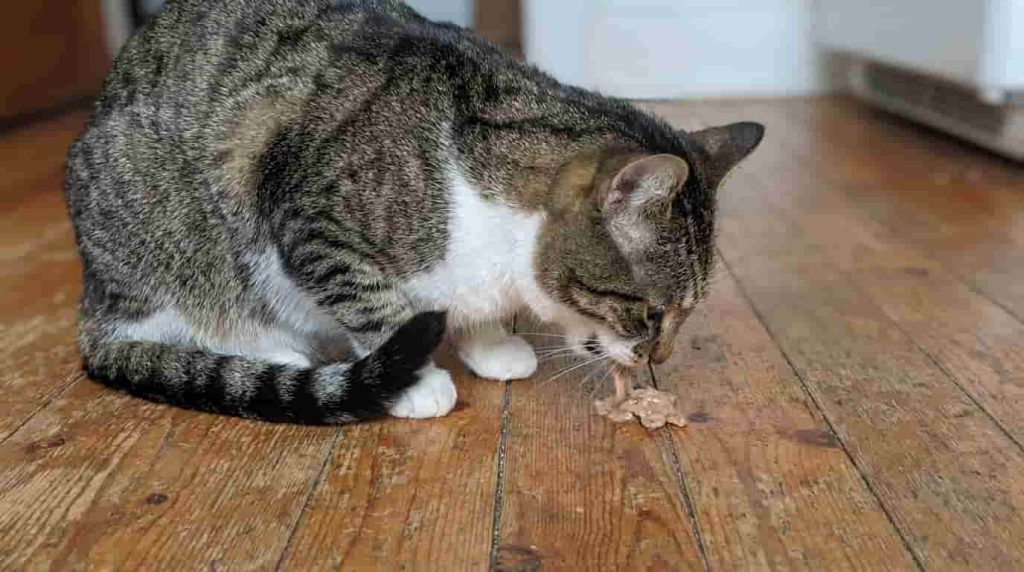
Many different everyday issues can upset a feline stomach. You can easily manage some of these problems at home. However, other issues definitely require professional veterinary care.
- Gastrointestinal issues in cats: These problems involve inflammation in the stomach lining.
- Foreign bodies: Cats often swallow strings, hair ties, or small plastic toys.
- Internal parasites: Roundworms and hookworms regularly cause major stomach irritation.
- Organ dysfunction: Kidney disease and liver disease often cause chronic issues.
You should evaluate these factors whenever your pet feels unwell. Early tracking prevents minor issues from turning into major crises.
Heavy Feline Hairballs vs. Real Medical Illness
People often assume hairballs explain why is my cat vomiting. Feline grooming habits naturally lead to swallowed loose fur. This fur usually passes through the digestive tract safely.
Sometimes, the fur accumulates inside the stomach instead. This mix forms a solid mass. Consequently, you will see specific cat vomiting hairball causes.
Your cat will typically cough up a wet cylinder of compressed fur. This occurrence happens normally once or twice every month. However, frequent hacking sounds mean you need to take action.
Frequent coughing might point toward serious cat illness leading to vomiting. For instance, chronic issues might signal inflammatory bowel disease. This condition requires a specific medical plan from a vet.
According to experts at the Cornell University College of Veterinary Medicine, frequent vomiting is never normal. They state that chronic vomiting signals an underlying medical issue. Therefore, you should never ignore a cat that vomits weekly.
Identifying Dangerous Fluid Variations
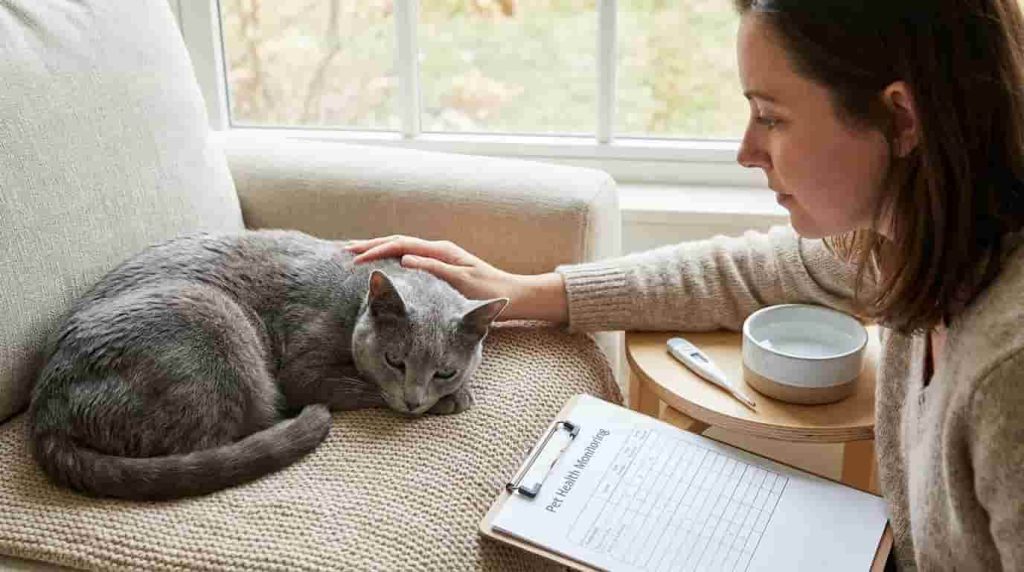
The color of the fluid provides important clues. You should look closely at the mess before cleaning it. The color helps you understand why is my cat throwing up.
Clear or white fluid often indicates an empty stomach. You might notice specific cat vomiting white foam causes. This foam appears when a cat bile irritates the stomach lining.
Green or yellow fluid indicates raw bile from the small intestine. This fluid shows that the stomach remains entirely empty. Additionally, it means the cat has not eaten for a long time.
Red or dark brown fluid indicates a severe emergency. This appearance points directly to cat vomiting blood causes. This symptom demands immediate diagnostic care at a veterinary hospital.
When Sudden Cat Vomiting Signals An Emergency
You must learn to recognise acute cat vomit triggers. A single episode of vomiting might not require immediate action. However, causes of sudden cat vomiting can turn dangerous very quickly.
You must check for accompanying system signs. For example, look closely for obvious Cat Fever Signs like warm ears and extreme lethargy. A high fever means an infection might be moving through the body.
Additionally, you must watch out for continuous fluid loss. Look out for dangerous cat vomiting and diarrhea causes. This combination drains vital fluids from their body rapidly.
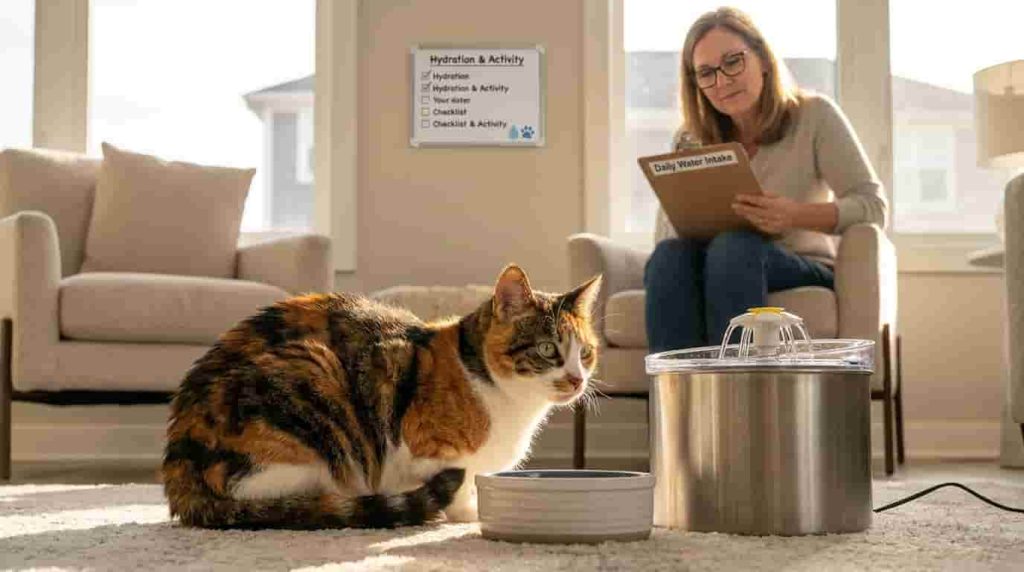
Critical Warning Sign: Skin that stays tented during a pinch test indicates severe dehydration. You must learn helpful Cat Dehydration Tests to monitor your pet’s hydration levels accurately at home.
You need to know how to respond to these emergencies. Check your pet’s gums to see if they look pale or tacky. You can use your training from Cat First Aid guidelines to keep them comfortable during the drive to the clinic.
Veterinary Rules for Immediate Medical Care
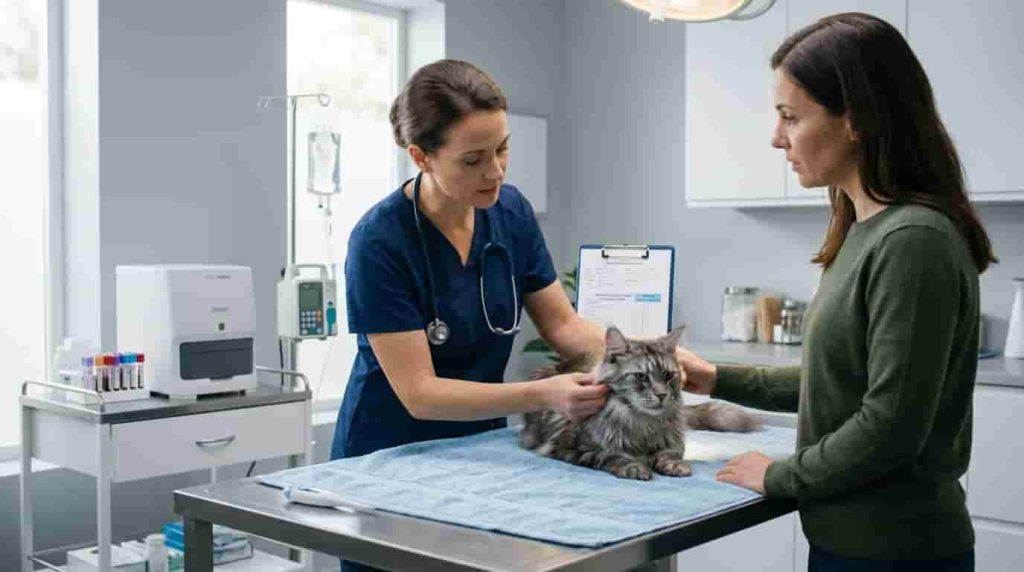
Some specific situations require an immediate emergency visit. You should never wait to see if the pet improves on its own. Call your veterinarian immediately if you observe any of the following symptoms:
- Your cat vomits more than three times within a single day.
- The pet refuses to eat food or drink water for over twenty-four hours.
- You spot dark blood or objects resembling coffee grounds in the fluid.
- The cat acts extremely weak, hides constantly, or responds slowly.
Acting quickly can save your pet’s life. Do not hesitate when your instincts tell you something is wrong.
Diagnosing the Causes of Cat Vomiting Frequently
Chronic issues require a detailed medical investigation. You might experience causes of cat vomiting frequently over several weeks. This pattern suggests an ongoing internal medical condition.
Your veterinarian will perform specific blood tests. These tests check liver function and kidney filtration levels. They also look for signs of diabetes or thyroid changes.
Furthermore, vets use x-rays to find hidden internal blockages. These images reveal swallowed objects clearly. They also show any unusual masses in the abdomen.
Ultrasound tools allow vets to see the intestinal walls clearly. They can measure the thickness of the tissue. This step helps confirm common gastrointestinal issues in cats.
Effective Medical Treatment Options
The final treatment depends entirely on the specific diagnosis. Vets use different therapies to help your cat heal. Your veterinary team might recommend several common medical solutions:
- Subcutaneous fluids: These fluids treat dehydration quickly under the skin.
- Anti-nausea medications: These prescriptions stop active vomiting cycles efficiently.
- Specialized prescription diets: These easy-to-digest foods soothe inflamed GI tracts.
- Targeted antibiotics: These medications fight harmful bacterial infections successfully.
Always follow the exact dosage instructions from your veterinarian. Complete the entire medicine course even if your cat seems better.
Helpful Tips on How to Prevent Cat Vomiting
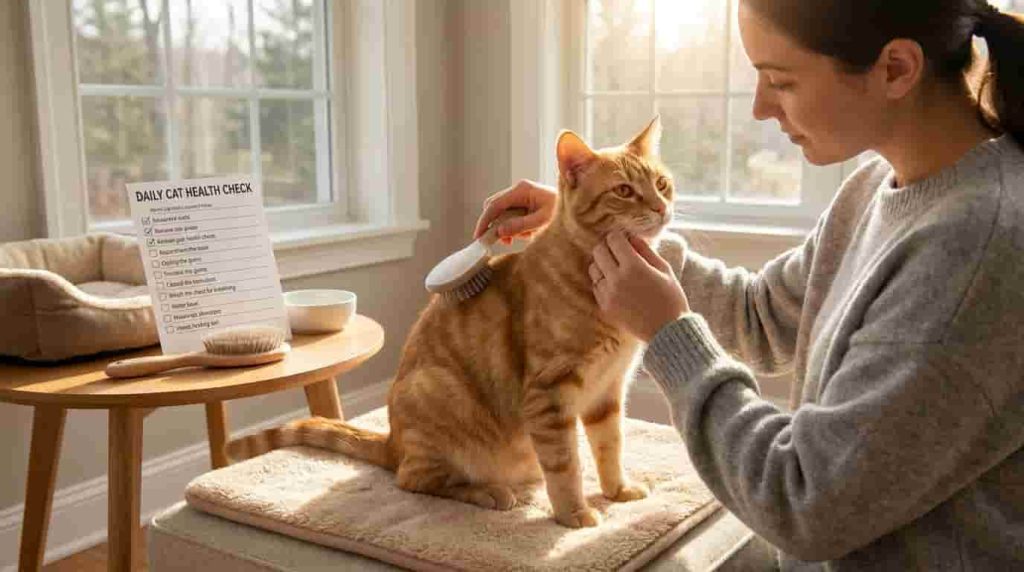
You can lower the risk of future stomach issues through proactive care. Good management prevents many common cat puking causes. Focus on creating a safe environment for your pet.
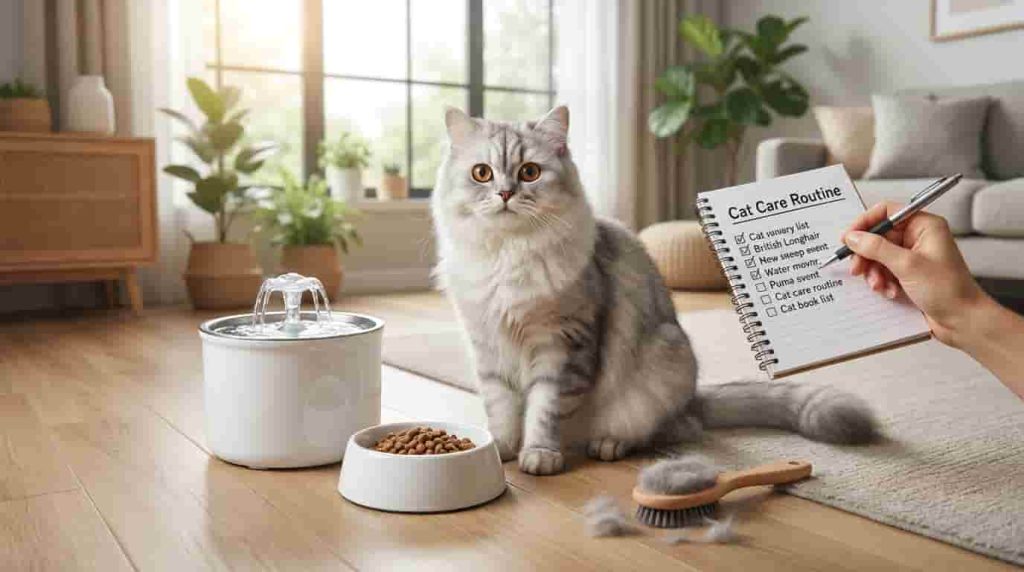
First, upgrade your daily grooming routine. Brush your cat three times every week. This removes loose fur before the cat swallows it.
Consequently, you will successfully reduce common cat vomiting hairball causes. You can also use specialized hairball prevention gels. These lubricants help fur pass through the intestines safely.
Next, manage their eating setup carefully. Use specialized slow feeding dishes for fast eaters. This simple step stops the “scarf and barf” habit completely.
Finally, schedule regular vet visits twice a year. Annual exams catch underlying health problems early. This proactive step helps you learn how to prevent cat vomiting long before it starts.
Conclusion
Managing cat vomiting causes requires careful observation and quick action. You can easily manage simple hairballs by brushing your pet regularly. However, frequent vomiting or severe lethargy requires a professional veterinary exam.
You must track all cat vomiting symptoms closely. Look at the color of the fluid and check their behavior. This information helps your vet choose the best treatment.
Do you want to learn more about protecting your cat’s health? Please share your experiences with feline stomach issues in the comments below to help other pet parents.
Frequently Asked Questions
White foam usually means your cat has an empty stomach lining irritated by excess bile. This often occurs when a pet goes too long between regular meals. However, frequent foam requires a veterinary exam to rule out chronic conditions.
You should visit a vet if your cat vomits multiple times in one day. Seek immediate care if you see dark blood or severe lethargy. Do not wait if they refuse water for over twenty-four hours.
Yes, switching diets too quickly can irritate the delicate feline digestive tract. You should always mix new food with old food slowly over seven days. This method prevents sudden stomach upset and rejection.
Normal hairballs occur only once or twice a month. If your cat hacks daily without producing fur, they need a professional checkup. This frequent hacking often points to underlying respiratory or intestinal issues.