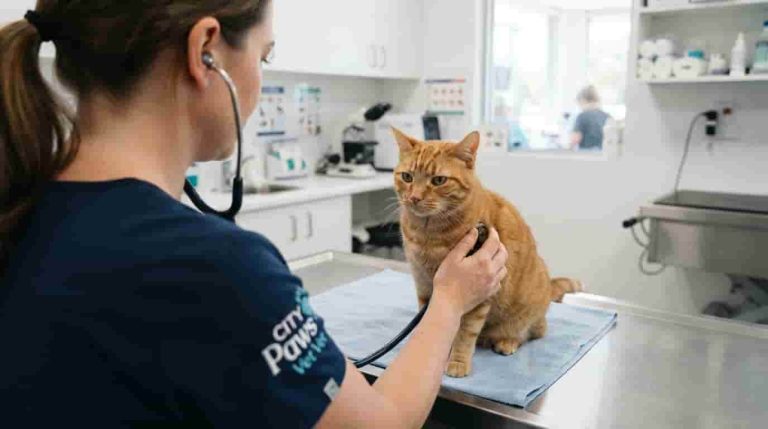

Cat Fever Signs: How to tell if your cat is running hot.
Introduction:
Cat Fever Signs often stay hidden because our feline friends excel at masking their pain. You might notice your pet sleeping more than usual in a dark corner. Their ears feel unusually warm to your touch.
Naturally, you begin to worry about their health. Is your pet just sleepy from a long day of playing? Alternatively, are they dealing with a dangerous spike in their body temperature?
Recognising these subtle changes early can save your pet from severe medical complications. This guide will help you understand exact cat fever signs clearly. You will learn how to check your pet safely at home. Additionally, you will discover when you need to rush to the local animal clinic.
Understanding Cat Fever Signs in Daily Routine

Pet owners often struggle with recognizing cat fever in their homes. You might see your pet refuse their favorite morning treats. As a result, you might start looking for symptoms of cat fever.
A high temperature often acts as a natural defense mechanism against internal infections. Therefore, the body raises its heat to fight off harmful viruses or bacteria.
For example, my friend Sarah noticed her tabby cat Max stopped grooming his fur completely. He just curled into a tight ball and shivered on the rug.
She checked his baseline behavior and realized he felt incredibly hot. This simple observation led her to seek immediate professional help from her veterinarian. Max received proper care quickly because Sarah knew the basic signs of a fever in felines.
Environmental stressors can also cause temporary warmth in your domestic pet. However, true fever in cats involves a regulated shift in their internal thermostat. You must monitor their behavior closely for more than a few hours.
Furthermore, serious hidden infections can cause rapid physical decline. You must learn how to detect fever in cats before they become completely unresponsive.
Primary Physical Changes to Watch For

Many different subtle clues can point toward a rising internal temperature. You can observe these changes easily without special medical equipment.
- Extreme lethargy: The cat sleeps constantly and avoids interaction with family members.
- Rapid breathing: You will notice shallow breaths even while the pet rests quietly.
- Decreased appetite: The pet completely ignores food bowls and water dishes.
- Decreased grooming: Their coat looks dull, messy, or unkempt over several days.
You should track these specific shifts continuously. Early detection prevents a minor infection from turning into a severe health crisis.
Professional Methods for Diagnosing Cat Fever
You cannot rely on touching a wet nose for diagnosing cat fever accurately. A warm nose does not always mean your pet has a medical issue. Therefore, you need a precise medical tool for measuring cat fever safely.
A digital pediatric rectal thermometer provides the most accurate reading for your pet. Lubricate the tip of the thermometer with petroleum jelly before use. Next, gently insert it into the rectum about one inch.
Hold the device firmly until it beeps clearly. A normal temperature ranges between 100.5 and 102.5 degrees Fahrenheit.
A reading above 103.5 degrees Fahrenheit confirms a true feline fever diagnosis. However, you must handle your pet very gently during this stressful process. You might need a helper to hold the cat securely in a soft towel.
According to the experts at VCA Animal Hospitals, temperatures over 106 degrees can damage internal organs permanently. Therefore, you must contact an emergency veterinary clinic immediately if the temperature rises that high.
Recognizing a Fever in Cats by Their Body Language
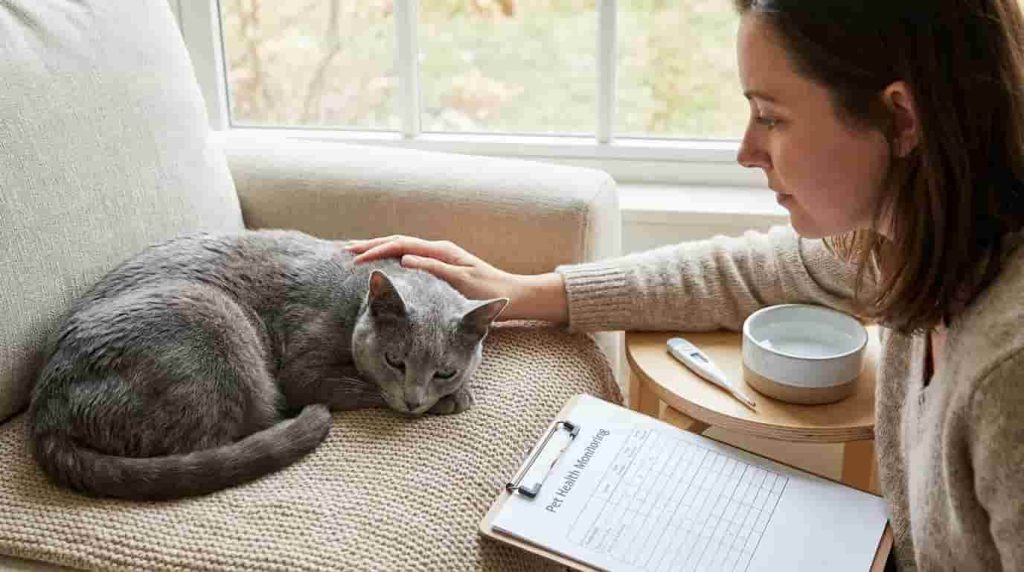
Your cat will communicate discomfort through specific physical postures. You must look for these signs if you cannot use a thermometer.
First, notice if your pet crouches in a tense position for hours. They will often keep their paws tucked tightly beneath their chest.
Next, check if their third eyelid remains visible across the eye. This clear membrane appears when a cat feels weak or dehydrated.
Finally, listen for unusual vocalizations like low growls or soft whimpers. These sounds mean your pet feels significant distress from detecting elevated body temperature in cats.
Common Cat Fever Causes and Emergency Signals

You must explore what triggers a sudden spike in body heat. Identifying the underlying cat fever causes helps your vet choose the right medicine.
Infections from fight wounds or abscesses often lead to fever in domestic cats. Additionally, viral diseases like feline leukaemia can cause chronic temperature shifts.
You must also watch out for secondary complications that happen alongside the heat. For instance, look out for sudden Cat Vomiting Causes which can cause rapid physical weakness.
This combination can lead to dangerous fluid loss very quickly. Check your pet for dry gums and skin tenting. You can perform quick Cat Dehydration Tests to see if they need immediate IV fluids.
Critical Emergency Warning: A fever accompanied by heavy panting requires instant emergency intervention. You should apply your knowledge of Cat First Aid to cool them down with damp towels during the drive.
Critical Behavioral Signs of Danger
Some specific situations mean your pet needs immediate lifesaving care. You should never wait for morning if you see these dangerous developments:
- The internal temperature rises above 105 degrees Fahrenheit on your digital thermometer.
- Your cat becomes completely unresponsive or cannot stand up on its own.
- You notice bright red patches or bruising on their pale gums.
- The pet struggles to breathe or breathes with an open mouth constantly.
Acting quickly protects your pet from severe internal injuries. Do not hesitate to call a professional emergency veterinary hospital.
Finding the Right Treatment for Cat Fever

Your veterinarian will create a specific plan based on the final feline fever diagnosis. You must never give human medications like acetaminophen to your pet. These human drugs act as deadly poisons to fever in pet cats.
The vet will first perform comprehensive blood tests to find the root issue. They will check white blood cell counts for signs of active infection.
Furthermore, they might use x-rays to look for internal fluid or hidden tumors. These diagnostic tools ensure accurate targeting of the problem.
The actual cat fever treatment will focus on cooling and hydration. Vets often use specialized intravenous fluids to lower heat safely. These fluids also restore balance to the kidneys.
Standard Medical Options From Your Veterinarian
Your veterinary team might utilize several common medical treatments to help your cat heal.
- Prescription antibiotics: These medications kill specific bacterial infections that cause heat.
- Intravenous fluid therapy: This treatment cools the body core and cures dehydration fast.
- Veterinary NSAIDs: These special drugs lower temperatures but require strict veterinary supervision.
- Nutritional support: High-calorie liquids help pets maintain strength during recovery.
Always follow the exact prescription instructions from your clinic. Complete the full course of antibiotics even if the fever drops early.
Proactive Rules for Cat Fever Prevention

You can protect your pet from future illnesses by using smart management habits. Consistent cat fever prevention focus keeps your home safe and healthy.
First, keep your domestic cats indoors permanently to avoid territorial cat fights. Outdoor encounters often lead to deep bite wounds that turn into nasty abscesses. This simple step eliminates one of the most common cat fever symptoms completely.
Next, stay current on all essential feline vaccinations every year. Vaccines protect your furry family members from dangerous contagious viruses.
Finally, schedule routine wellness exams twice a year. Regular veterinary checkups help your doctor spot chronic illnesses early. Consequently, you can implement home cat fever remedies before a major spike occurs.
Conclusion
Spotting cat fever signs early allows you to get your pet the medical help they need. You should monitor their daily behavior, appetite, and grooming habits closely. Remember that an accurate rectal thermometer reading provides the only true confirmation of a fever.
You must never use human fever medications on your pet because they are highly toxic. Always rely on professional veterinary guidance for safe care.
Do you want to help other pet parents protect their furry friends? Please share your stories about recognizing a fever in cats in the comments section below.
Frequently Asked Questions
You can look for extreme lethargy, fast breathing, and a total loss of appetite. Feel their ears and groin area gently to check for unusual heat radiation. However, you must use a digital thermometer to confirm the exact temperature safely.
You should offer cool water and place your pet in a well-ventilated room. Never give human medications under any circumstances because they can cause fatal poisoning. Contact your veterinarian immediately for safe prescription options.
Indoor pets usually develop fevers from hidden urinary tract infections or systemic viral illnesses. They can also get fevers from eating toxic household plants or developing internal tissue inflammation. Regular checkups help identify these hidden issues quickly.
A feverish cat will usually hide in dark places and refuse to groom its fur. They might also growl softly when you try to touch their warm body. They will avoid their food bowl and show zero interest in playing.
Kittens are highly fragile and require immediate professional veterinary care for any temperature elevation. Do not attempt home remedies because kittens dehydrate much faster than adult cats. Your vet will provide safe, weight-specific fluids and specialized pediatric antibiotics.