
Cat Adoption Tips: What to Look For Before Adopting a Cat
Introduction:
Cat adoption tips are absolutely essential when you decide to open your home to a rescue pet for the first time. You walk into a loud animal shelter and feel completely overwhelmed by dozens of meowing felines staring at you. This highly emotional situation causes many well meaning people to make impulsive choices based entirely on looks alone. Fortunately, you can easily navigate this rewarding journey by learning exactly how to evaluate feline personality and health upfront.
Your primary goal before bringing home a new cat is matching their specific energy levels to your actual lifestyle. A high energy animal will quickly grow miserable in a small apartment if you work exceptionally long hours outside. Therefore, you must look past the cute fur patterns and analyze the true behavior of each animal carefully. This practical guide will walk you through the entire shelter evaluation process step by step.
Preparing your household for this wonderful addition involves much more than simply buying a basic food dish and toy. You might already be thinking about long term home layout choices by reviewing our guide on how to keep a stay at home cat happy with cat indoor life. However, today you must focus fully on the physical selection process and the initial shelter interview steps. Let us discover how to find your ideal companion together.
Smart Cat Adoption Tips for Shelter Visits
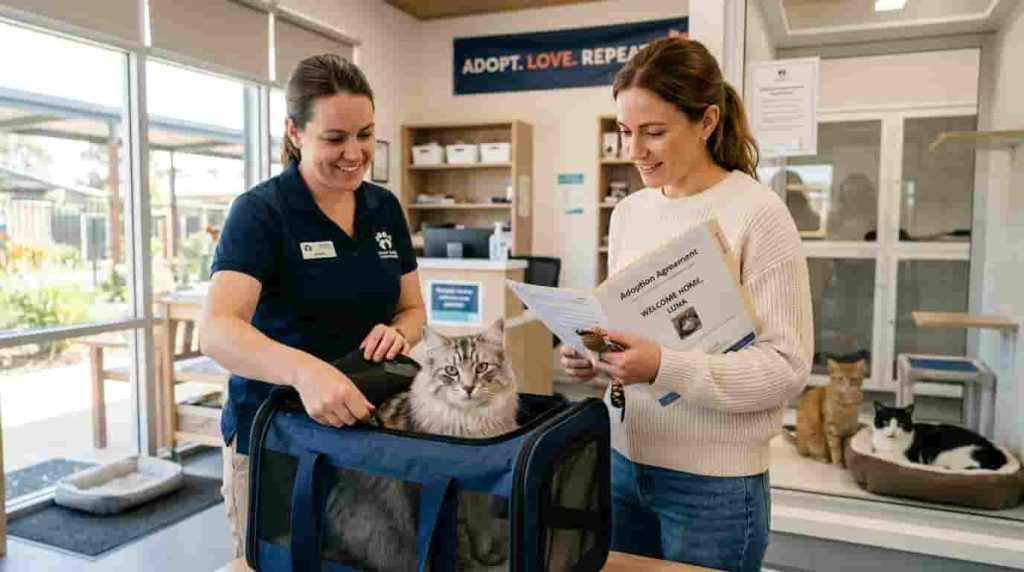
Utilizing specific cat adoption tips during your initial shelter visit saves you from facing severe behavioral mismatches later on. You should schedule your visit during quiet weekday afternoons when the rescue center experiences much lower foot traffic. High crowds stress the animals out, which makes them act unusually shy or uncharacteristically aggressive in their cages. Therefore, a quiet environment allows you to see their genuine personality traits much more clearly.
Ask the shelter staff for detailed background information regarding the specific animal you wish to meet. The caretakers interact with these rescues daily and understand their unique quirks, fears, and social preferences perfectly. They can tell you if a specific feline prefers a quiet adult household or loves busy children. Gathering this expert advice on adopting a cat protects you from making a poor match.
According to the veterinary team at PetMD, an animal’s behavior in a small cage rarely reflects their true long term personality. Many felines shut down emotionally when they experience the intense noise of a crowded rescue facility. Consequently, you should always request a private meeting room where you can interact with the animal one on one safely. This isolated space allows the creature to calm down and show its real temperament.
Evaluating Feline Personality and Energy Levels
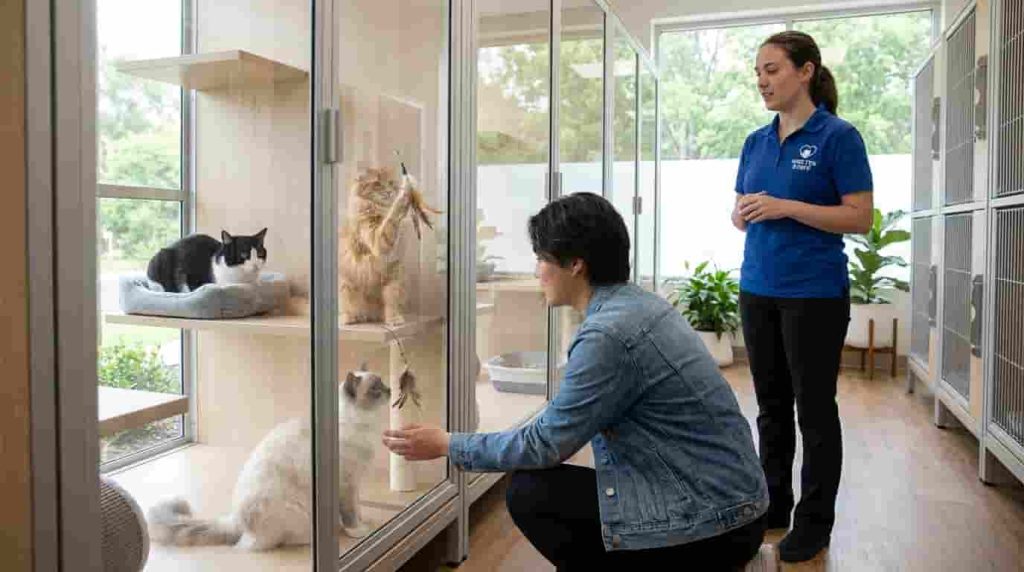
Finding the right cat requires you to look for specific behavioral cues during your private interaction session. Sit quietly on the floor and allow the rescue animal to approach your space entirely at their own pace. A confident animal will walk over with an upright tail and rub their cheeks gently against your hands. This welcoming action shows excellent socialization skills and a strong willingness to bond with humans quickly.
- Watch how the animal reacts to sudden movements or light sounds within the room.
- Offer a small feather toy to see if they possess a high or low hunting drive.
- Look for relaxed body language, including soft eyes and open, forward facing ears.
- Avoid animals that hiss continuously or crouch tightly in the corner when you speak.
Once you find an animal that matches your temperament, you can start planning the fun parts of ownership. For example, you can browse through popular trendy and cool cat names ideas for your new pet. Choosing a name early helps you establish a strong connection during your very first week together at home. This early preparation builds immense excitement for your entire family.
Crucial Health Signs to Check Before Finalizing
Reviewing a strict adopting a cat checklist ensures you do not accidentally bring home a severely ill animal. You must examine the feline’s eyes, nose, and ears carefully before signing any legal adoption paperwork. The eyes should look bright, clear, and completely free of any thick yellow discharge or cloudiness. Additionally, check their fur coat for bald patches, severe dandruff, or tiny black specks that indicate flea infestations.
Furthermore, request the complete medical history from the shelter coordinators to verify their current health status. Ensure the facility completed basic treatments, including internal parasite deworming and initial feline leukemia screenings. If you want to know how smart your new pet is, you can later try fun cat intelligence tests to check their brainpower. Right now, however, physical health remains your top priority for a successful adoption experience.
Consider a real life example involving a young woman named Aisha who visited a rescue center in Lagos. She fell in love with a beautiful calico cat who seemed unusually sleepy and quiet in her cage. Aisha checked the medical log and noticed the feline was recovering from a minor, treatable upper respiratory infection. She finalized the cat adoption process, gave the medicine at home, and the pet transformed into an incredibly playful companion.
The Essential Adopting a Cat Checklist for Your Home
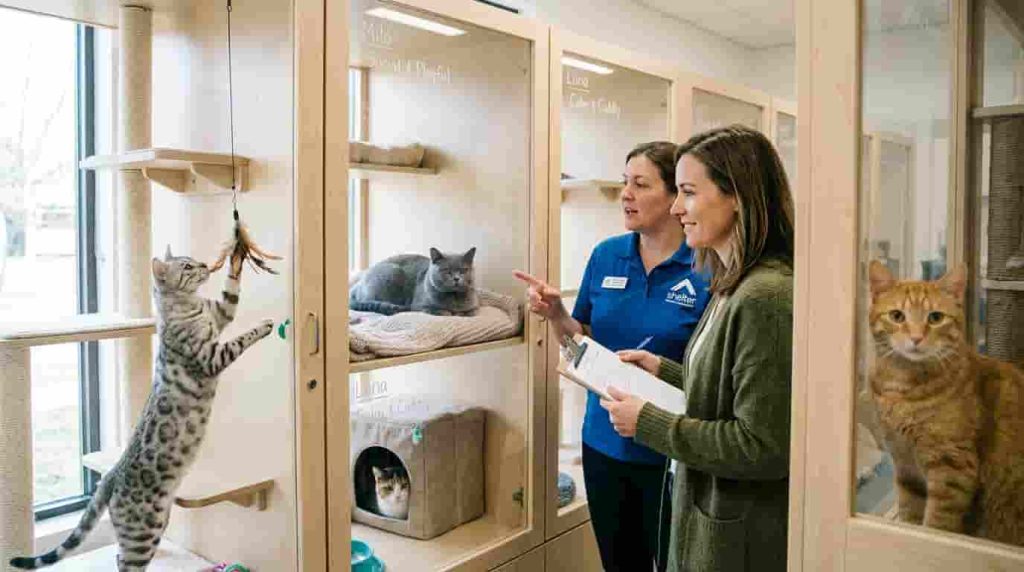
Learning how to prepare for cat adoption involves gathering the right supplies before the animal arrives at your door. You must create a dedicated sanctuary room, like a small bathroom, where the newcomer can acclimate slowly. This limited space prevents them from feeling overwhelmed by the entire layout of a large house immediately. Place their bed, food dishes, and litter tray in this quiet area securely.
- Purchase a sturdy plastic pet carrier lined with a soft towel for safe transport.
- Buy premium growth formula food that matches the diet they ate at the shelter.
- Set up a low sided litter box filled with unscented clumping material.
- Provide a durable cardboard scratching post to protect your wooden furniture.
Having these vital tools ready ensures a seamless transition when bringing home a new cat for the first time. It minimizes household chaos and allows you to focus entirely on comforting your anxious animal. A well prepared space shows your pet that they are completely safe in their new environment. This thoughtful preparation sets the stage for a lifetime of happiness together.
Mastering the Cat Adoption Process Safely
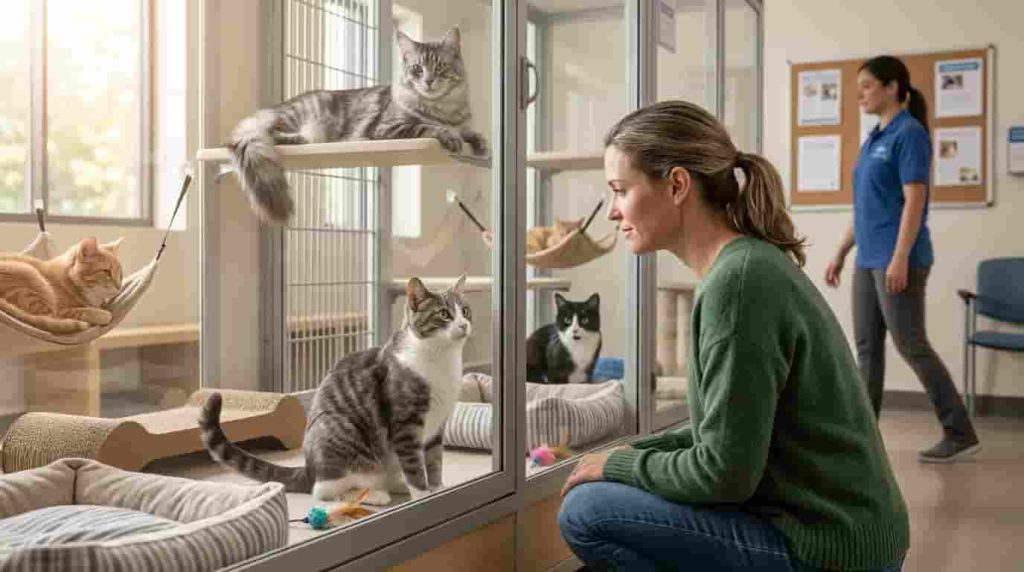
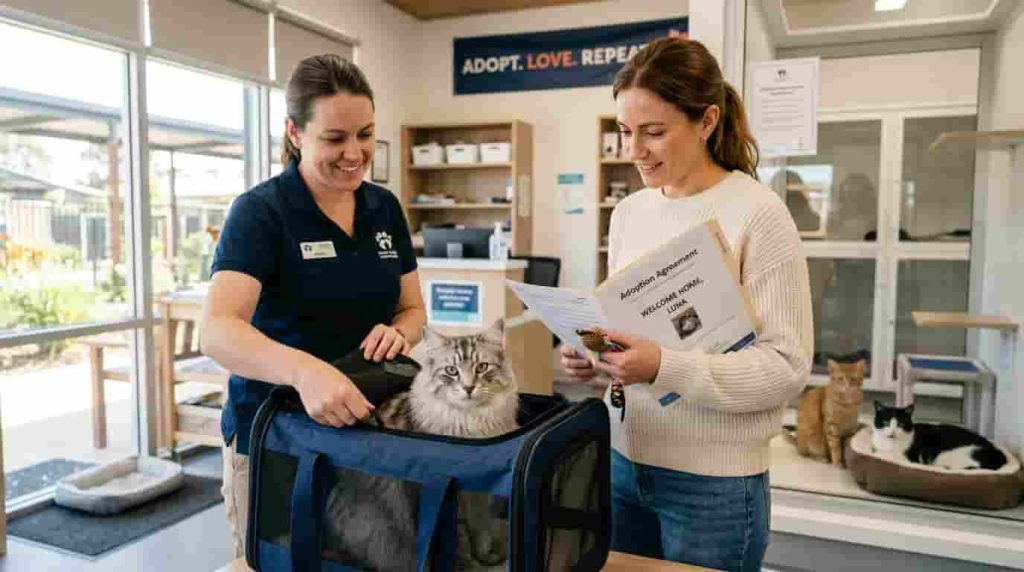
The actual cat adoption process explained by major shelters usually involves a few detailed administrative steps. You will need to fill out a comprehensive application form detailing your living situation and pet history. Many organizations require a formal copy of your lease agreement if you rent your apartment or home. This rule ensures that your landlord allows felines on the property legally without any future issues.
Additionally, prepare to pay a standard adoption fee that helps the shelter cover the high cost of medical care. This essential fee typically includes professional spay or neuter surgery, microchip identification insertion, and mandatory core vaccinations. Therefore, paying this fee actually saves you a tremendous amount of money compared to visiting a private clinic alone. Supporting these rescue centers allows them to save more homeless animals from the streets.
You can learn more about excellent animal welfare standards through authoritative platforms like the ASPCA. Their educational resources offer incredible insight into understanding feline body language during transitions. Following their expert guidelines ensures you maintain realistic expectations throughout the initial homecoming week. Patience is absolutely vital because true adjustment takes time for a rescue animal.
Managing the First Week of Introduction
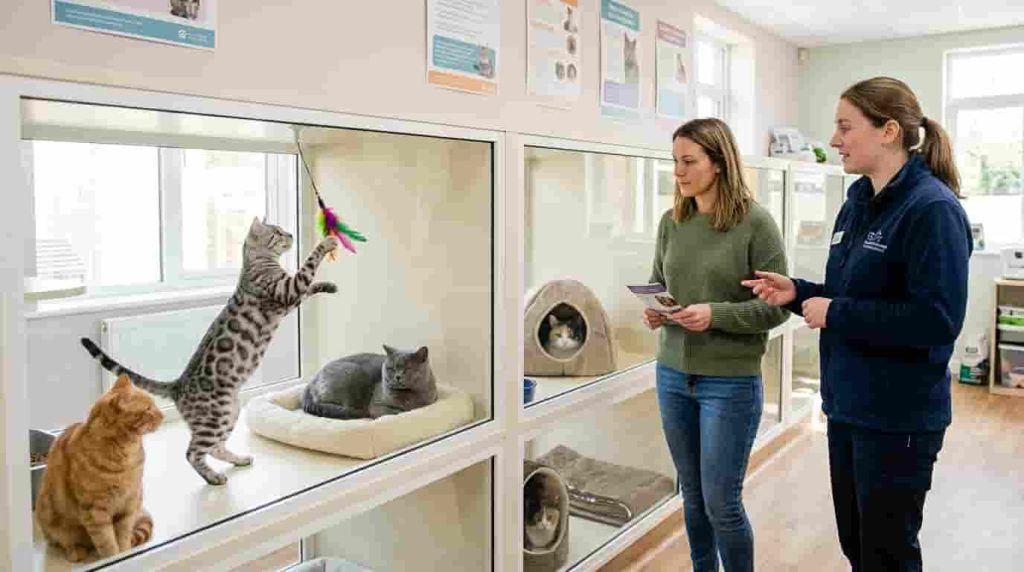
The initial seven days of introducing your chosen pet to your household require a very slow approach. Keep your other residents, including dogs or existing cats, completely away from the sanctuary room door initially. Let the animals sniff each other’s unique scents underneath the door crack before allowing any visual contact. This controlled olfactory introduction prevents territorial aggression and reduces anxiety for everyone involved.
Spend quiet time sitting on the floor of the sanctuary room every evening without forcing any physical attention. Read a book out loud or scroll through your phone so the animal adapts to your normal voice. Eventually, their natural feline curiosity will overcome their initial fear, and they will approach you lovingly. This slow building of trust creates a much deeper emotional bond over time.
Ensuring Long-Term Success and Wellness
As your new companion becomes comfortable, establish a consistent daily routine for feeding and interactive playtime sessions. Predictable schedules make felines feel highly secure in their environment and reduce stress related behavioral problems significantly. Keep scheduling annual veterinary wellness exams to monitor their physical condition as they age. Your ongoing dedication ensures your pet stays perfectly healthy and happy for many years.
Conclusion
Finding the purr-fect feline companion requires a blend of realistic lifestyle matching, careful health checks, and home preparation. By utilizing these expert cat adoption tips, you protect yourself from common ownership mistakes and build a foundation of trust. Remember that adopting a shelter cat is a long term commitment that brings unmatched joy and companionship to your life. Your patience during this initial transition phase will reward you with a loyal, loving friend.
Did you recently follow a specific cat adoption guide when bringing home your gorgeous new furry companion? What unique behavioral signs did you look for when choosing the perfect cat at your local rescue shelter? Please share your personal stories and advice in the comment section below to help other new owners!
Frequently Asked Questions
Look for bright clear eyes, a clean fur coat, and an approachable, curious personality during your visit. Avoid animals that show severe signs of aggression, deep fear, or heavy nasal discharge in their cages. Always ask the caretakers about their daily behavior patterns.
The entire process can take anywhere from a single afternoon to a few business days total. It depends heavily on how quickly the shelter verifies your home application and rental lease agreements. Preparing your paperwork in advance speeds up the timeline significantly.
The most important tip is creating a small, quiet sanctuary room for their first few days home. Never force a hiding animal to come out of their chosen safe spot before they feel ready. Maintain a highly consistent feeding and cleaning routine daily.
First, remove all dangerous electrical wires and toxic household plants from the main rooms. Next, set up their food bowls, water dishes, and low sided litter boxes in a quiet corner. Finally, provide appropriate scratching posts to protect your furniture.
Shelters charge fees to cover the high costs of veterinary care, including spaying or neutering and microchip installation. The money also funds food, clean shelter, and medicine for other homeless animals at the facility. It is a vital investment in animal rescue work.