
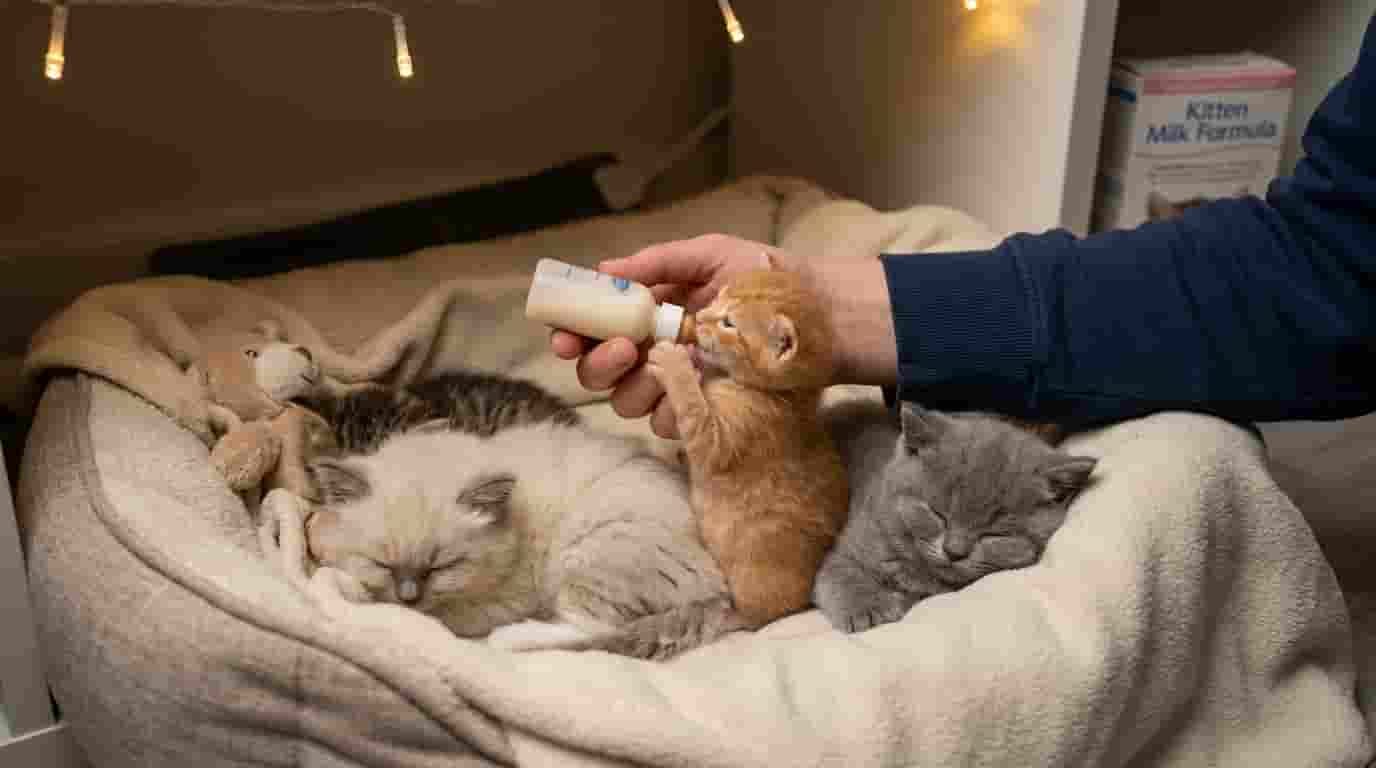
Kitten Weaning Steps: How to Transition From Milk to Solid Food
Introduction:
Kitten weaning steps must begin precisely when your young pet is ready to move away from their mother’s milk. You might feel incredibly worried when your growing animal refuses to lick their new gruel. This common dietary challenge leaves many pet parents feeling confused about proper kitten nutrition. Fortunately, transitioning kittens to solid food is highly achievable when you follow a structured guide.
Most young felines actually show clear signs of readiness around four weeks of age. Therefore, your primary goal is simply to introduce new textures slowly without causing stomach upset. You can easily support healthy kitten development by creating a stress free feeding environment. This conversational guide will walk you through the entire process step by step.
Your tiny companion is growing rapidly during these initial months in your home. You probably already checked our kitten care guide for their first 24 hours to set up your space safely. Now, you must focus your energy on a smooth kitten feeding transition. Let us explore the best practices for weaning kittens together.
The Essential Pre-Weaning Phase of Kitten Care
Understanding the initial timeline is vital for protecting kitten health during weaning. Newborn felines rely entirely on maternal milk or specialized replacement formula for their early survival. This rich liquid diet provides essential antibodies and perfect nutrition for rapid early growth. Therefore, you must never rush this natural timeline or force solid meals too early.
Healthy kitten development milestones dictate that the first four weeks belong entirely to liquid nursing. Attempting to introduce solid textures before this point can cause severe digestive distress or choking. Additionally, young animals lack the necessary enzymes to process solid ingredients safely during their first month. You should simply monitor their weight gain and ensure they stay warm and safe.
According to the veterinary experts at VCA Animal Hospitals, proper hydration is the foundation of early life health. If your pet loses weight or acts lethargic, consult your veterinarian immediately for guidance. Keep a detailed log of their daily liquid intake to track their progress accurately. This careful observation sets the stage for a highly successful weaning process for kittens.
When to Begin Your Kitten Weaning Steps Safely

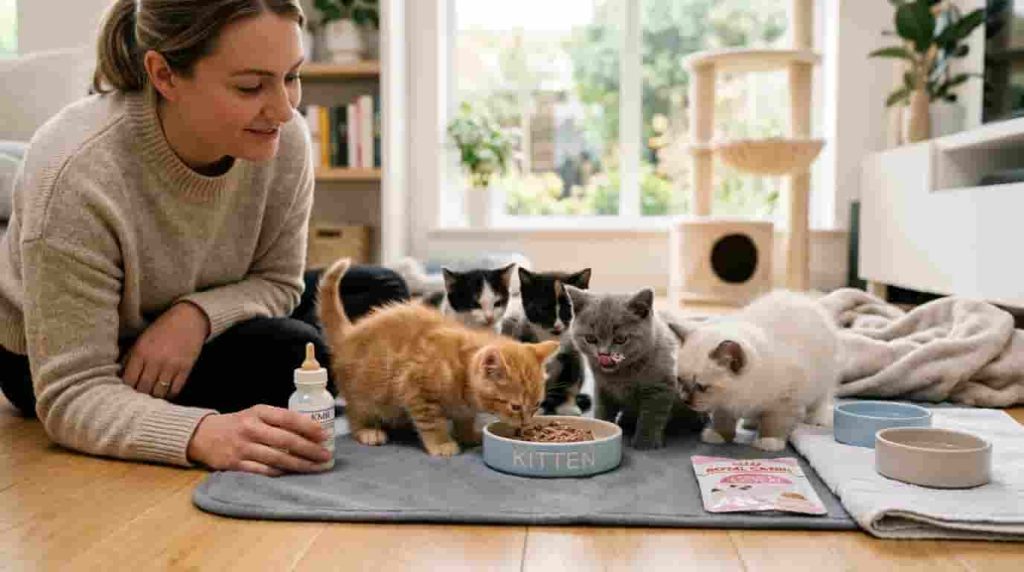
You will know it is time to start the kitten weaning steps when specific behaviors emerge naturally. First, watch for your pet playfully biting the edges of their nursing bottle or food dish. Next, look for increased curiosity when the mother cat eats her own crunchy dry kibble. These clear actions show that their sharp little baby teeth are finally emerging.
- The animal stands firmly on all four paws without wobbling or falling over.
- They actively investigate their surroundings with keen curiosity and confidence.
- The mother cat begins stepping away from her nursing babies more frequently.
- They show a keen interest in licking moisture from your fingertips.
This biological shift often aligns perfectly with other major behavior changes in your household. For instance, you might currently be introducing easy ways to teach kitten potty training habits to your pet. Their digestive system is maturing rapidly, which means they can finally handle a more complex diet. Managing these milestones together creates a beautiful routine for your animal.
Step One: Introducing the Magic Gruel Mixture
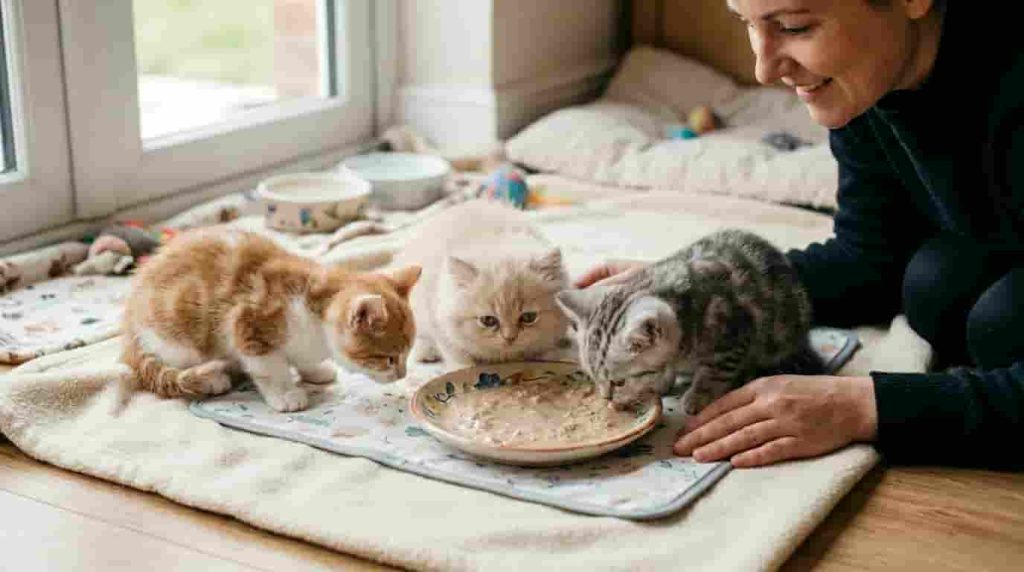
You can begin how to wean kittens by creating a highly appealing, smooth liquid mixture. First, combine high quality canned wet food with warm kitten milk replacer formula. Never use regular cow’s milk because it causes severe diarrhea in young felines. Stir the ingredients thoroughly until the mixture reaches the consistency of thin oatmeal or pancake batter.
Next, smear a tiny amount of this warm gruel directly onto your clean fingertip. Place your finger near their nose and let them sniff the interesting new scent. Most pets will naturally lick your finger and discover the delicious taste of meat. Afterward, place the remaining gruel into a very shallow ceramic saucer on the floor.
Consider a real life example involving a young cat named Max who completely ignored his new food bowl. His owner realized the saucer was too deep, which blocked his access. Max accidentally dipped his entire nose into the liquid and sneezed in frustration. His owner switched to a flat paper plate, and Max instantly began lapping up the tasty meal.
Step Two: Adjusting the Kitten Feeding Schedule

Consistency is absolutely vital when you are establishing a new kitten feeding schedule at home. You should offer the fresh gruel mixture four or five times every single day. Young animals have very small stomachs, so they need frequent small meals to maintain energy. Furthermore, always discard any uneaten gruel after thirty minutes to prevent harmful bacterial growth.
- Offer the first small meal early in the morning when they are hungriest.
- Space the remaining meals evenly throughout the afternoon and evening hours.
- Provide a separate dish of fresh, clean water at all times.
- Keep the feeding area completely quiet to reduce environmental stress.
During this active transition, your pet might experience physical changes like kitten teething pain from new teeth. Sore gums can sometimes make licking cold food feel uncomfortable for a few days. You can warm the gruel slightly to soothe their mouth and enhance the delicious aroma. This extra care ensures they continue eating happily throughout the process.
Adjusting the Kitten Feeding Schedule
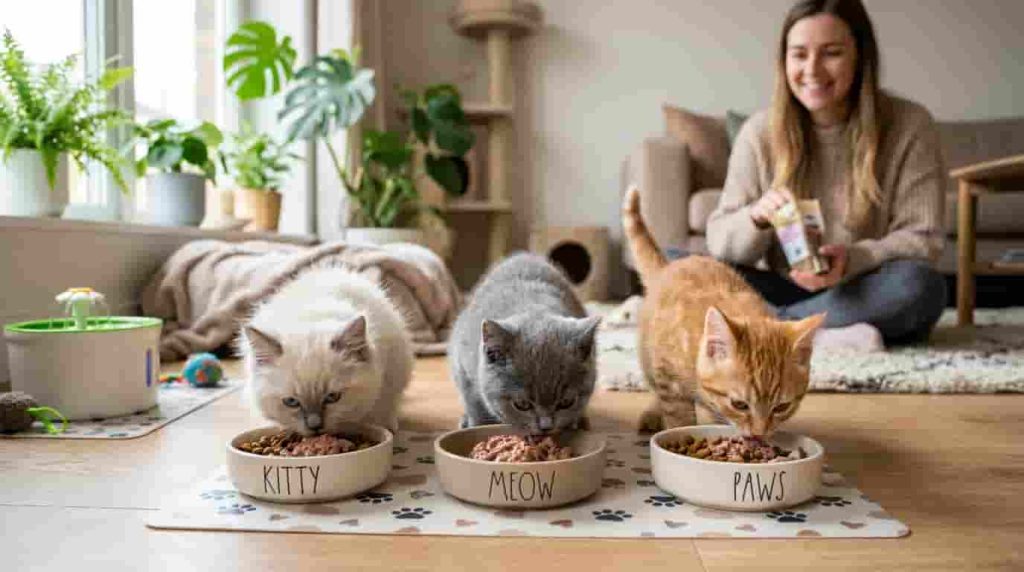
You can slowly increase the thickness of their meals as the weeks progress successfully. By week six, decrease the amount of formula and add more canned food. The mixture should now look like thick oatmeal rather than a runny liquid. This gradual change allows their stomach to adapt without experiencing any painful gas or bloating.
By week seven, you can finally introduce small amounts of dry kibble into their daily diet. Moisten the hard pebbles with warm water or formula so they can chew easily. This method protects their sensitive mouth while introducing them to crunchy textures. Eventually, your growing pet will eat dry food without needing any extra moisture added.
Our comprehensive kitten nutrition guide recommends choosing formulas specifically designed for rapid growth. Look for packages that feature real meat as the very first ingredient on the label. High protein content supports strong muscle development and gives them plenty of playful energy. Avoid foods that contain heavy fillers, artificial dyes, or chemical preservatives.
Essential Kitten Health Tips During Diet Changes
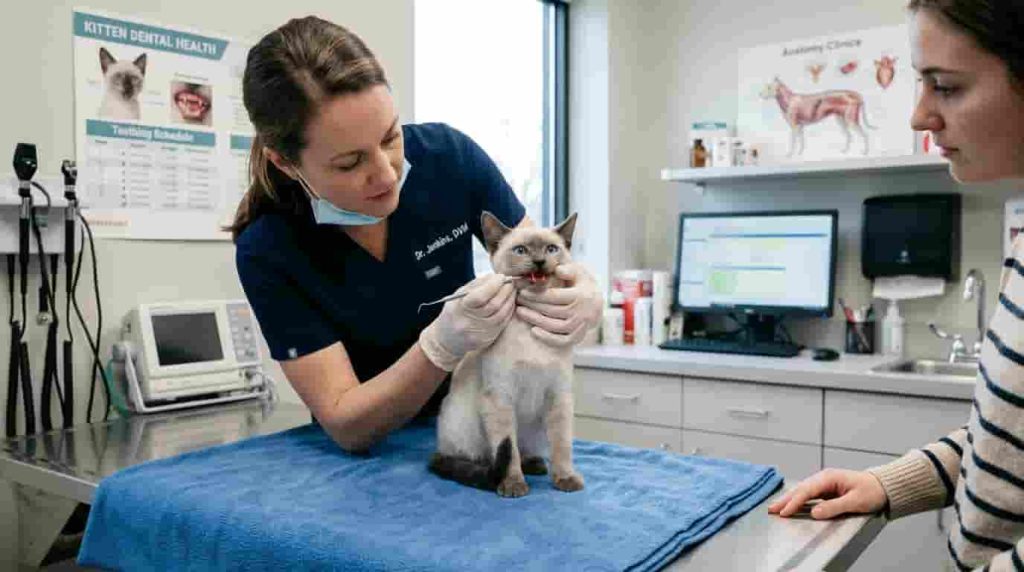
Monitoring their physical condition is a top priority throughout the entire weaning process for kittens. Check their bathroom habits daily to ensure their stool remains firm and healthy. Mild stomach upset can happen, but severe diarrhea requires immediate veterinary attention. Dehydration can dangerous for a small animal, so you must act quickly if problems arise.
- Weigh your growing pet every morning using a accurate digital kitchen scale.
- Ensure they gain weight steadily rather than dropping ounces suddenly.
- Look for bright, clear eyes and a shiny, clean fur coat.
- Monitor their energy levels to ensure they remain playful and alert.
You can find excellent resources regarding feline wellness at the Cornell University College of Veterinary Medicine. Their research emphasizes the importance of premium ingredients during early development milestones. Providing proper nourishment now protects their immune system and prevents chronic health issues later in life. Invest in excellent nutrition to give your new baby the absolute best start.
Creating a Stress-Free Dining Environment
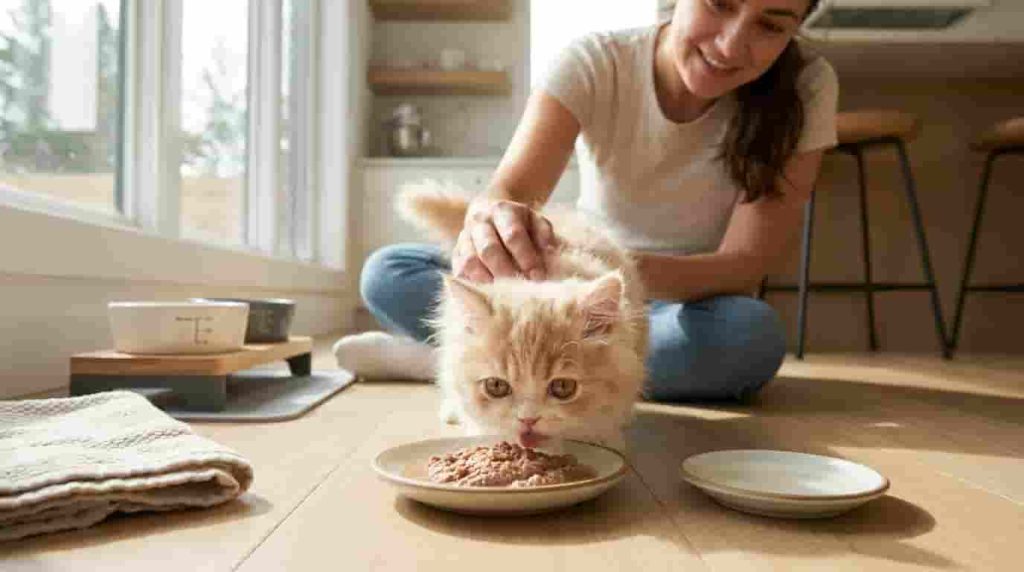
The environment where you serve meals plays a massive role in feeding kittens successfully. If you have other adult pets, feed your new youngster in a completely separate room. Older animals might steal the rich food or intimidate the smaller cat during mealtime. This separation reduces anxiety and allows the youngster to eat at their own pace.
Use heavy ceramic or stainless steel dishes that do not slide across the slippery floor. Light plastic bowls can easily flip over, which creates a huge mess and scares your pet. Additionally, wash the dishes thoroughly after every single meal using mild soap. Clean equipment prevents the spread of nasty germs and keeps their chin completely acne free.
Be prepared for plenty of messy dining sessions during the first week of training. Young felines often step directly into the saucer and coat their paws in sticky food. Gently wipe them clean with a warm, damp cloth immediately after they finish eating. This simple grooming habit keeps them comfortable and teaches them to stay clean.
Conclusion
Successfully completing all the kitten weaning steps requires patience, consistency, and high quality nutrition. You can easily guide your pet toward solid food by thickening their meals very slowly. Remember that every animal grows at their own unique pace, so remain encouraging and calm. Your careful dedication today sets the foundation for a long, healthy life for your cat.
How is your gorgeous new furry companion doing with their daily meal transitions? What unique mixtures or tips for weaning kittens worked best in your household? Please share your personal stories and questions in the comments below to help our community!
Frequently Asked Questions
You should begin the process when your pet reaches four weeks of age. Look for emerging teeth and an interest in solid food before starting. Do not rush this timeline to protect their stomach.
No, you must never give cow milk to young felines at any age. It lacks the proper nutrients and causes severe diarrhea and painful stomach cramps. Always use a specialized kitten milk replacer formula instead.
Try warming the mixture slightly to make the meaty scent much stronger and more appealing. Additionally, place a tiny dab directly on their muzzle to encourage natural licking. Be patient and try again a few hours later.
You should offer fresh meals four to five times every day due to their small stomachs. Space the sessions out evenly to maintain constant energy levels throughout the afternoon. Always discard leftovers to ensure safety.
Most young cats complete the entire dietary transition by eight weeks of age. At this point, they can eat dry kibble and canned wet food comfortably. Monitor their weight continuously to ensure ongoing growth success.