
Cat Urinary Blockage: A life threatening emergency every owner must know.
Introduction:
Cat Urinary Blockage represents one of the most terrifying, time-sensitive medical emergencies a passionate pet owner can face. You might notice your seemingly healthy pet walking into their litter box multiple times over a single hour. Perhaps they crouch down low, strain with intense effort, but produce only a tiny drop of bloody urine. Many well-meaning owners mistake this desperate behavior for standard digestive constipation or simple laziness. However, an dynamic physical obstruction in the lower urinary tract prevents the normal elimination of toxic bodily waste. This complete lack of urine output can quickly trigger total organ failure within less than forty-eight hours.
Recognizing a developing feline urinary obstruction requires your immediate, undivided attention before irreversible internal kidney damage occurs. This critical health issue impacts millions of households worldwide, yet many families remain entirely unaware of the subtle signs. For example, some owners pay closer attention to visible surface issues like persistent cat eye discharge indicating a trip to the vet is necessary. While goopy eyes certainly warrant professional medical assessment, a hidden bladder blockage poses an immediate threat to life. This ultimate guide will walk you through the essential warning signs, emergency choices, and preventative measures clearly. Let us explore how to protect your beloved pet from this painful condition starting right now.
Understanding the True Biological Causes of a Cat Bladder Blockage
A typical cat bladder blockage occurs when microscopic minerals, inflammatory cells, or organic mucus plugs lodge inside the urethra. The urethra is the thin, delicate fibromuscular tube that carries liquid waste out of the bladder structure completely. Because this narrow pathway serves as a strict exit point, even tiny crystalline deposits can create absolute structural blockages. Additionally, severe emotional anxiety can cause local tissues to swell up rapidly, further narrowing the internal passage. Therefore, keeping a calm household environment remains a major pillar of maintaining excellent long term feline urinary health.
Furthermore, statistics show that a urinary blockage in male cats occurs much more frequently than in female felines. This distinct gender disparity exists because male anatomy features an exceptionally long, narrow, and tapering urethral pathway. Consequently, small crystalline stones get trapped in male plumbing easily, whereas female cats pass these deposits much more safely. Understanding these anatomical differences allows male cat owners to monitor their pets with extra vigilance during daily routines. You must track how often your male companion uses their litter pan to catch changes early.
Sometimes, underlying hidden health problems mask themselves as simple behavioral quirks or bad household habits across the room. For instance, a cat experiencing severe bladder discomfort might cry out loudly while wandering down dark hallways at night. This vocalization mimics other respiratory conditions, which you can learn about in our guide on cat asthma signs to recognize wheezing. Dissecting these distinct physical sounds helps you determine whether your animal needs immediate lung or urinary medical support. Let us look closer at the exact behavioral shifts that signal a true plumbing emergency.
Spotting Critical Signs of Urinary Blockage in Cats Immediately
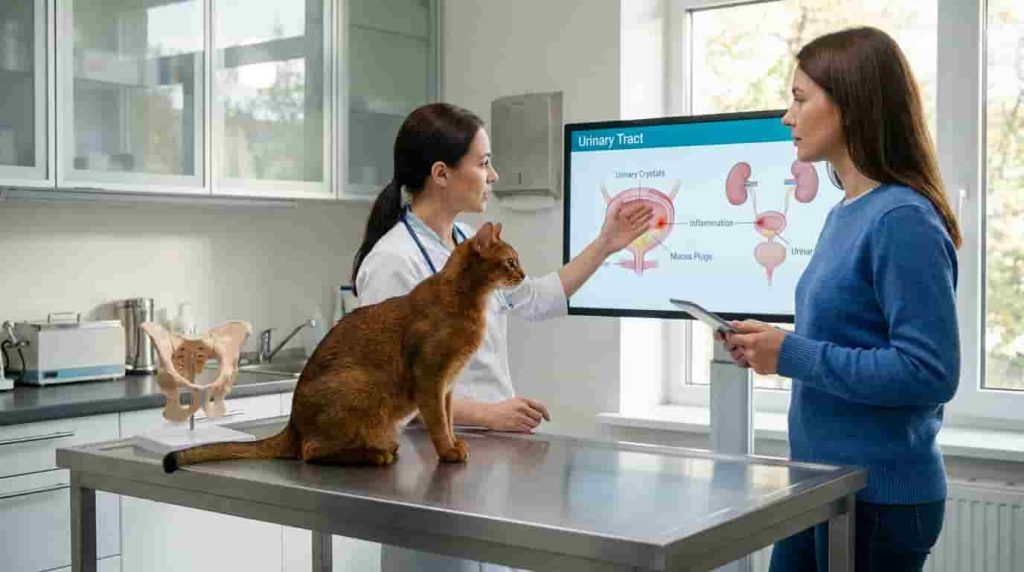
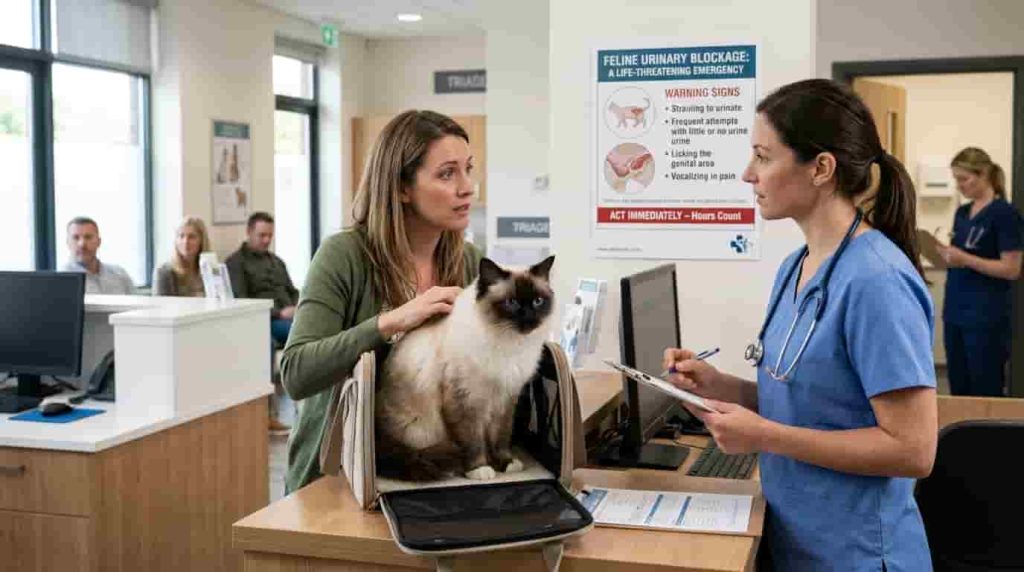
Identifying the distinct symptoms of urinary blockage in cats requires careful, daily observation of their typical restroom habits. A distressed pet will often make frequent, frantic trips to their litter box without producing any meaningful results. They will also lick their genital region obsessively because the expanding bladder causes immense, localized physical pressure. Additionally, you might find your usually sweet animal yowling in deep pain while hiding behind bedroom furniture. These combined actions mean your pet is currently enduring a life-threatening crisis that demands fast intervention.
- Frequent Litter Box Visits: Enters the pan repeatedly but leaves without leaving any wet clumps behind.
- Straining and Crying: Vocalizes loudly while assuming a rigid, painful crouching posture inside the box.
- Urinating Outside the Box: Attempts to urinate on cool tile floors, bath mats, or soft bedding items.
- Severe Lethargy and Vomiting: Appears completely weak, refuses food, and vomits due to rising blood toxins.
Consider a real-life example involving a dedicated pet owner named Chinedu who lived in residential Ikeja. He owned an indoor male tabby cat that suddenly began pacing nervously around the modern living room. Chinedu noticed the cat repeatedly crouching on a cold kitchen rug while crying out in a strange voice. He initially thought his pet had simple intestinal worms, a worry you can handle using cat deworming tips to get rid of parasites safely. Fortunately, Chinedu realized the cat was actually blocked and rushed him to an emergency clinic just in time.
Emergency Treatment for Cat Urinary Blockage at the Veterinary Hospital
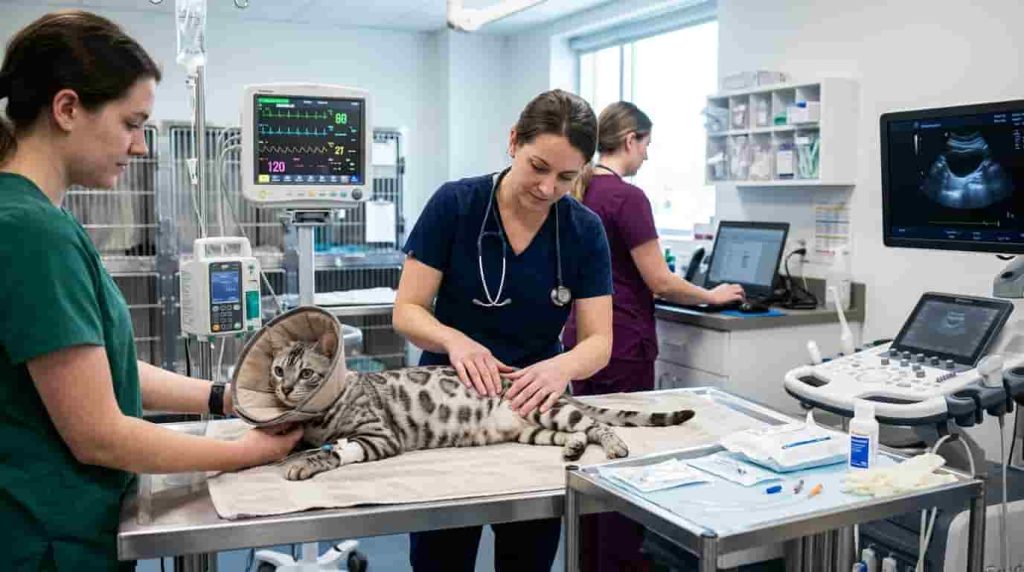
Providing successful emergency treatment for cat urinary blockage requires immediate stabilization by a licensed veterinary medical team. According to critical care experts at VCA Animal Hospitals, an unblocked passage must be established quickly to prevent cardiovascular collapse. First, the veterinarian will administer heavy pain relief and sedatives to relax the pet’s tight urethral muscles. Next, they will carefully pass a specialized, sterile lubricated catheter up into the pathway to flush out obstruction materials. This crucial procedure allows trapped urine to drain away safely, instantly relieving the dangerous internal pressure.
Furthermore, treating cat urinary blockage involves intensive intravenous fluid therapy over several consecutive days inside the hospital. These fluids help flush accumulated metabolic toxins like potassium out of the bloodstream before they cause cardiac arrest. Your medical team will also keep the indwelling urinary catheter secured in place to allow the lining to heal. This steady hospitalization phase ensures your companion’s heart rate and kidney values return to perfectly normal baseline levels. Trusting this professional medical process gives your favorite animal friend the absolute highest chance of achieving full recovery.
Long Term Urinary Blockage Prevention in Cats
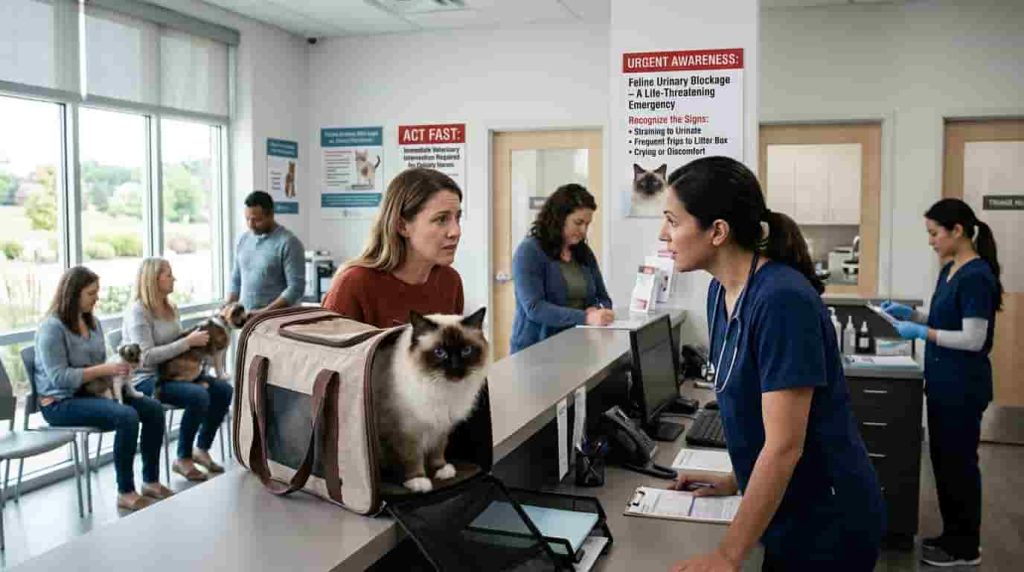
Implementing effective urinary blockage prevention in cats requires a major shift toward increasing daily moisture intake. Many domestic felines possess a naturally low thirst drive, meaning they rarely drink enough plain water from bowls. Therefore, feeding an exclusive dry kibble diet can cause urine to become highly concentrated with dangerous minerals. Switching your companion to a premium wet canned food diet adds vital hydration directly into their digestive system. This extra fluid dilutes their urine, making it incredibly difficult for crystals to clump together over time.
- Place multiple water fountains around your home because flowing water encourages cats to drink more.
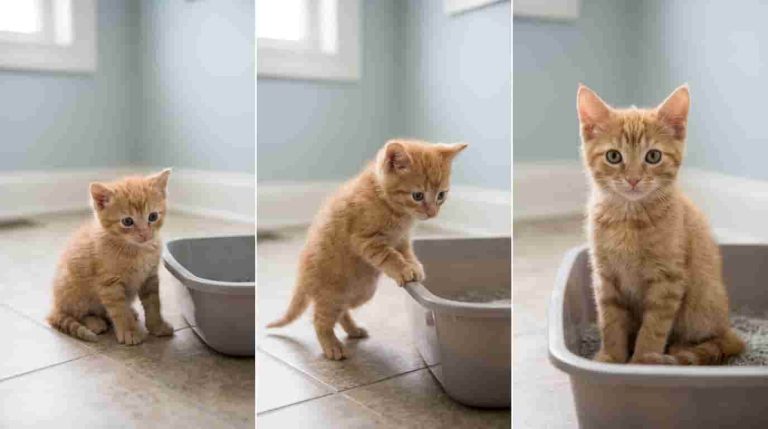
- Provide extra clean litter boxes to prevent your sensitive pet from holding their urine too long.
- Reduce general household stress by maintaining stable daily routines and providing vertical climbing shelves.
- Use special prescription urinary diets recommended by your vet to balance urine pH levels perfectly.
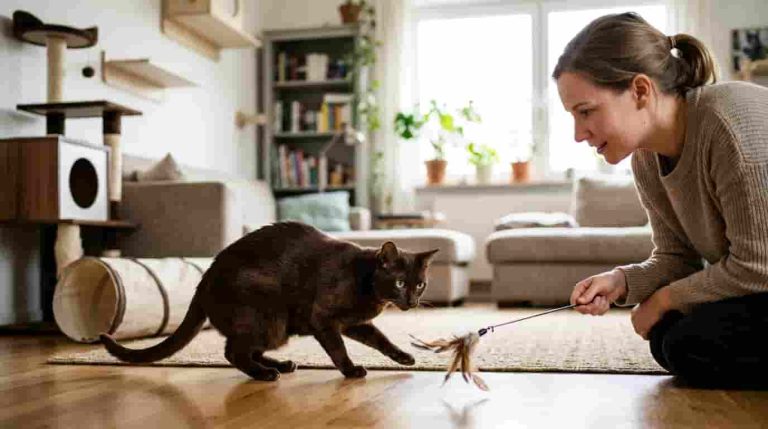
Additionally, managing your pet’s body weight is an excellent way to maintain optimal feline urinary health long into the future. Overweight indoor cats show a much higher statistical risk of developing chronic bladder inflammation and sudden blockages. Encourage regular daily exercise by using interactive toys, laser pointers, or complex puzzle feeders around the house. These simple activities keep your pet physically fit while reducing the deep anxiety that triggers local tissue swelling. Your steady, proactive lifestyle management protects your furry family member from experiencing a painful recurrence.
Conclusion
Mastering the signs of a Cat Urinary Blockage empowers you to save your pet’s life during a critical health crisis. While this dangerous lower urinary tract condition strikes quickly, your vigilant observation can easily stop it in its tracks. By offering ample hydration, choosing wet food formulas, and securing emergency treatment for cat urinary blockage, you protect your family. Your loving dedication ensures a secure, joyful, and healthy lifestyle for your special furry companion for years to come.
Are you fully prepared to upgrade your home watering setup to boost your pet’s daily hydration right now? Have you already added an extra porcelain water fountain to encourage regular drinking habits in your parlor? Please share your ultimate veterinary success stories and behavioral questions in our comments section below to help other owners!
Frequently Asked Questions
Male felines possess a much longer, narrower, and tapering urethral tube to accommodate their specific physical anatomy. This narrow pathway becomes clogged by tiny mineral crystals, inflammatory cells, or mucus plugs very easily. Female cats have shorter, wider pathways that allow them to pass these small deposits safely.
No, a complete blockage is always fatal without immediate, professional veterinary intervention to clear the physical obstruction. Toxic waste products like potassium build up in the bloodstream rapidly, causing total kidney failure and cardiac arrest. Your pet requires urgent hospitalization within twenty-four to forty-eight hours to survive.
Canned pet food formulas naturally contain over seventy percent water, which significantly increases your animal’s daily fluid consumption. This extra hydration actively dilutes the urine, lowering the concentration of minerals like magnesium and phosphorus. Diluted urine prevents dangerous crystals from forming and bonding together inside the bladder.
Most felines remain hospitalized on intravenous fluids and an active urinary catheter for two to three days. This period allows the kidneys to clear out dangerous blood toxins and permits local urethral swelling to subside. Once the vet removes the catheter and the cat urinates normally, they can return home.
Yes, high anxiety triggers a sterile inflammatory condition known as Feline Idiopathic Cystitis, which causes severe bladder wall spasms. These intense muscle spasms can create a physical matrix plug made of mucus and blood cells that blocks the urethra. Reducing household stressors is vital for long-term prevention.