Cat Eye Discharge: When goopy eyes mean a trip to the vet.
Introduction:
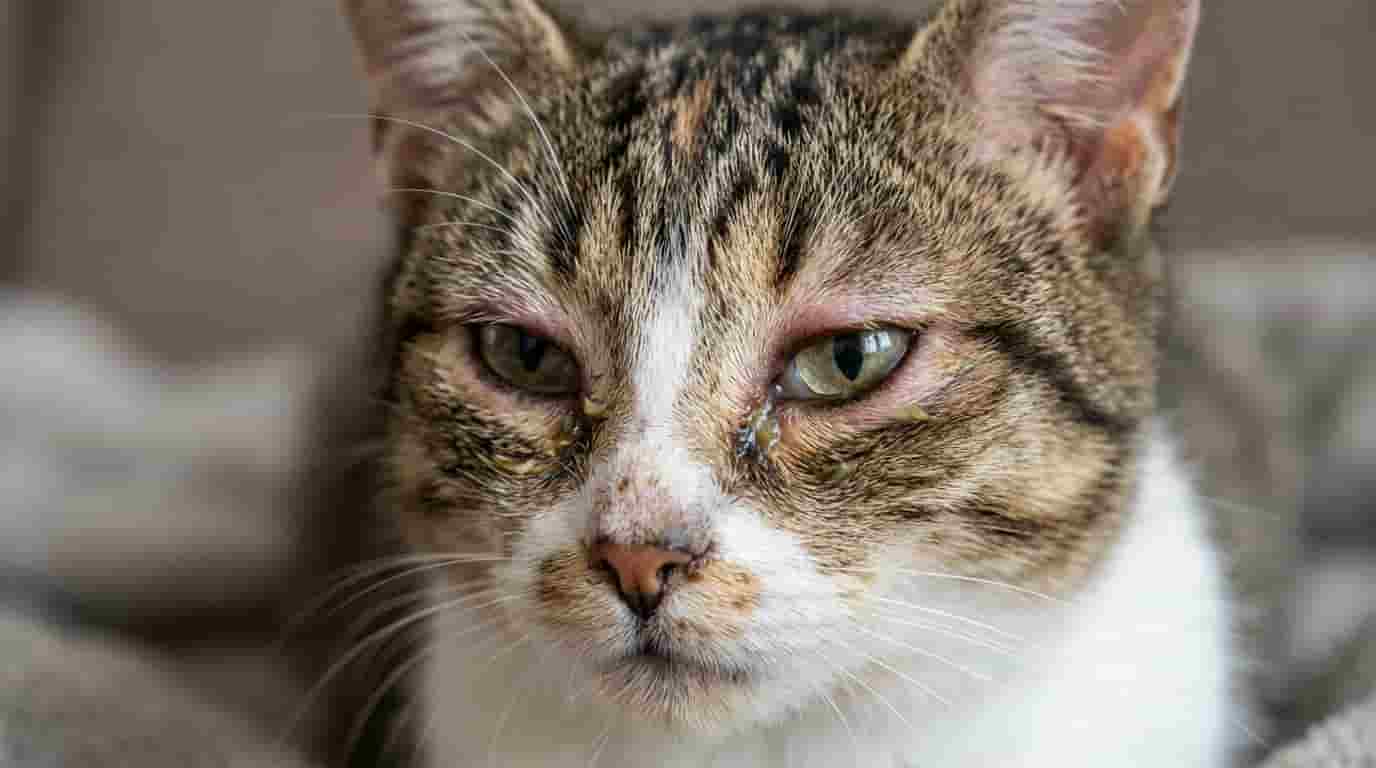
Cat Eye Discharge can appear out of nowhere, leaving you deeply concerned about your pet’s vision and overall comfort. You might wake up to find your playful kitten hiding away in a quiet corner of the room. When you look closer, you see thick yellow crust sealing their eyelids completely shut during the morning. Many owners assume this fluid is just simple sleep crust that will go away naturally over time. However, ongoing ocular crust can signal a major underlying medical issue that requires rapid professional intervention. Ignoring these ocular signs can lead to permanent corneal scarring or severe vision loss for your animal.
Understanding the root cause of this fluid allows you to preserve your pet’s long term optical health. Some families focus heavily on obvious digestive wellness by using cat deworming tips to get rid of parasites safely. While internal parasite control matters greatly, your pet’s eyes require equal attention to ensure a happy lifestyle. This guide provides step by step help to recognize symptoms, clean the eyelids, and find professional medical care. Let us explore the best ways to tackle this common feline health issue starting right now.
Tracking the Most Common Causes of Cat Eye Discharge
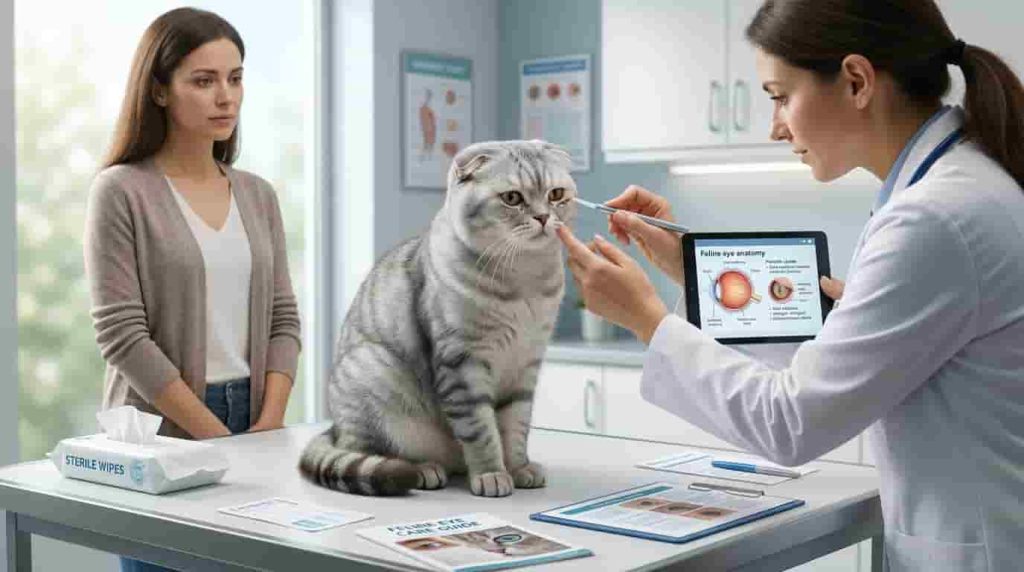
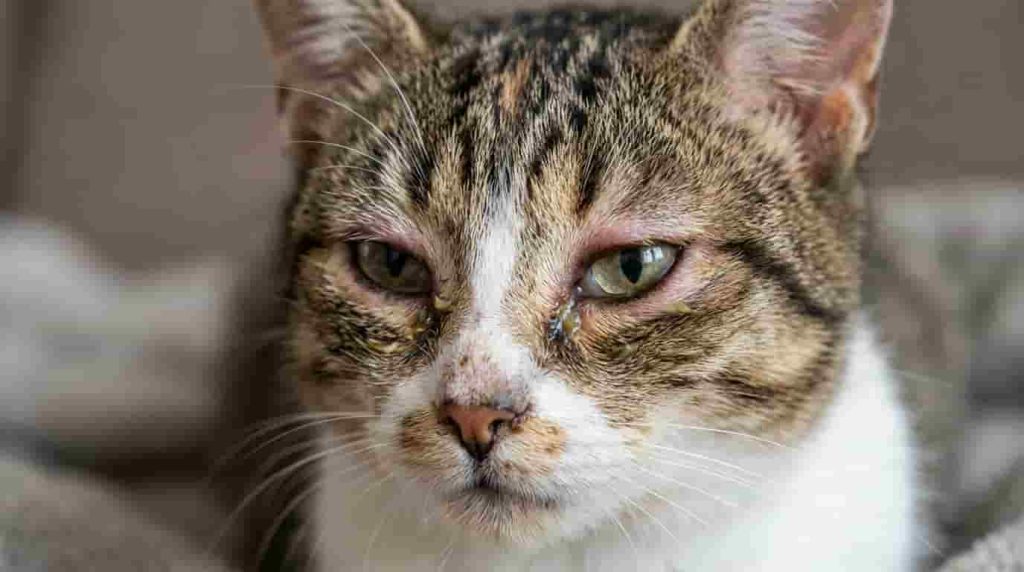
Identifying the various cat eye discharge causes is essential for choosing the safest treatment option for your pet. A common trigger for this issue is a feline upper respiratory infection, which functions much like a human cold. These contagious viruses pass quickly between animals, causing clear watery fluids to flow continuously from both eyes. Additionally, airborne particles like dust, pollen, or strong chemical sprays can irritate the sensitive outer eye tissues easily. When these irritants enter the eye, they cause rapid swelling and produce thick, sticky fluid within a few hours.
Furthermore, a specific bacterial infection can cause severe inflammation of the moist pink membranes surrounding the eyeball tissue. This painful condition, known formally as feline conjunctivitis, causes intense itching, redness, and a thick green mucous discharge. Your cat will likely rub their face against the furniture constantly to soothe the painful burning sensation. Therefore, you must monitor the specific color and thickness of the fluid to help your vet make a diagnosis. Let us look closer at the physical warnings that indicate your pet is suffering from an infection.
Sometimes, severe eye issues occur alongside entirely different medical emergencies inside the very same multi pet home. For example, an indoor cat might suddenly experience rapid, shallow breathing due to a severe asthma attack. You can read about managing that specific scary situation in our post on cat asthma signs to recognize wheezing. Dissecting these distinct physical symptoms helps you provide the correct emergency care for each individual pet. Let us explore how to safely manage mild crusting at home before your veterinary appointment.
How to Clean Cat Eye Discharge Safely at Home
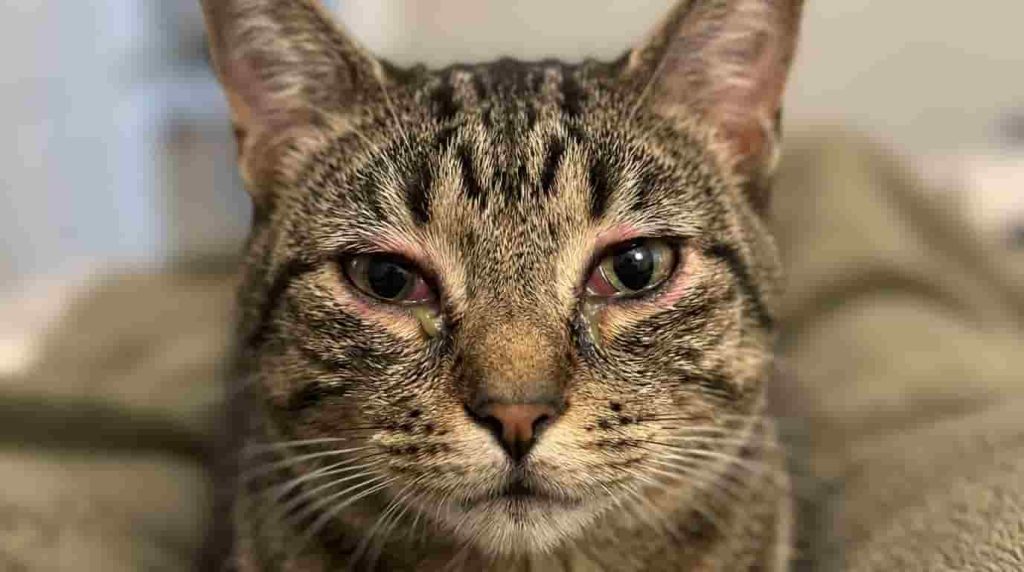
Learning how to clean cat eye discharge correctly prevents the spread of bacteria across your pet’s beautiful face. First, gather a few clean cotton balls and a bowl of fresh, lukewarm water from the kitchen. Never use human eye drops, medicated washes, or harsh chemical soaps because these products can cause severe tissue burning. Wrap your companion gently in a thick towel to keep them calm, secure, and still during the cleaning. This gentle restraint ensures you do not accidentally scratch the delicate eyeball surface if the animal squirms around.
Next, moisten a clean cotton ball thoroughly with the warm water and squeeze out any excess fluid completely. Wipe the closed eyelids gently, starting from the inner corner near the nose and moving outward toward the ears. Use a completely fresh cotton ball for each eye to avoid transferring a dangerous infection between the eyes. Repeat this smooth process until you remove all the sticky crust and the cat can open their eyes. This basic grooming routine provides immediate cooling comfort while you prepare to visit a local veterinary clinic.
- Gather Clean Supplies: Use fresh cotton balls and plain warm water instead of using tissues or paper towels.
- Restrain Comfortably: Wrap your feline friend securely in a soft towel to prevent sudden, jerky movements.
- Wipe Outward Gently: Clean from the inner corner toward the outer edge to move bacteria away from the nose.
- Switch Pads Constantly: Use a completely new cotton ball for each eye to prevent cross contamination.
According to eye care specialists at PetMD, keeping the facial area clean prevents secondary bacterial skin infections from developing. This simple habit keeps your pet comfortable while you wait for a professional medical diagnosis from your doctor. However, home cleaning is a temporary comfort measure rather than a permanent cure for a serious medical condition. You must still seek professional care to eliminate the primary infection entirely. Let us look at the specific signs that mean you need a veterinary appointment immediately.
Recognizing When to Visit a Veterinarian for Cat Eye Discharge
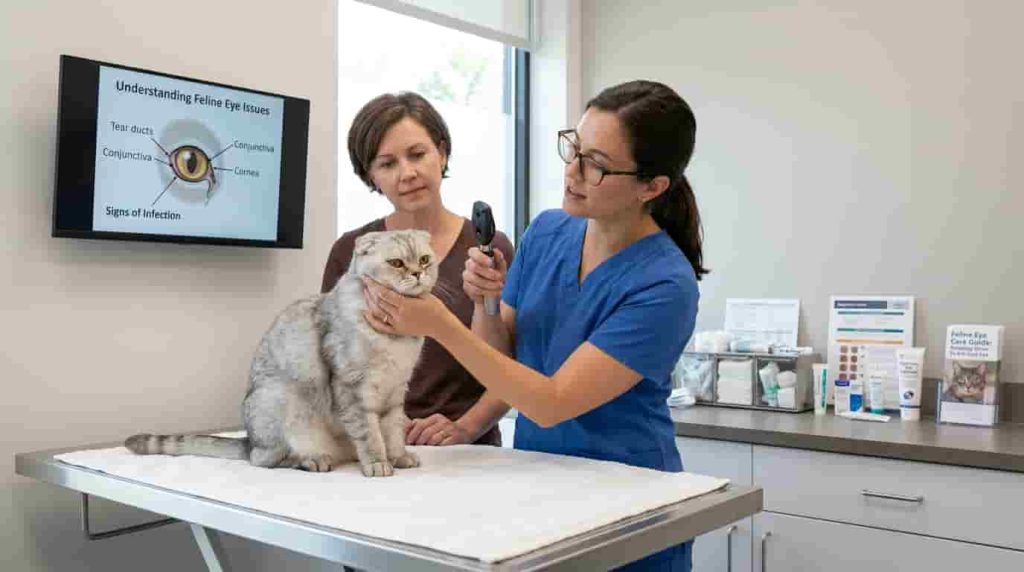
Recognizing when to see a veterinarian for cat eye discharge can save your beloved companion from experiencing permanent blindness. While a tiny amount of clear fluid can happen from minor dust, specific symptoms demand urgent medical care. For instance, if your pet holds one eye tightly shut or squints constantly in bright light, they are in pain. This frequent squinting often signals a corneal ulcer, which is a deep, painful scratch on the eyeball surface. Left untreated, a corneal ulcer can rupture quickly, leading to total loss of the affected eye.
Additionally, look closely for any sudden changes in the appearance of the third eyelid in the inner corner. A healthy cat keeps this membrane hidden, but a sick cat will show a raised, swollen third eyelid. This physical change indicates deep inflammation or a serious injury that requires advanced veterinary care for cat eye issues. Furthermore, check if your pet develops a high fever, stops eating their food, or begins sneezing constantly. These combined symptoms mean a systemic virus is attacking your companion’s entire body right now.
Consider a real life example involving a dedicated pet owner named Tunde who lived in central Yaba. He noticed his adult cat developed excessive tearing in cats after playing near a dusty outdoor garden bed. Tunde initially worried his pet had ingested a toxic household substance from the kitchen storage area. That type of situation is a crisis detailed in our guide on cat urinary blockage emergencies. Thankfully, he brought his cat to a clinic where the doctor diagnosed a simple scratch and prescribed soothing drops.
Professional Options for Treating Cat Eye Discharge Effectively
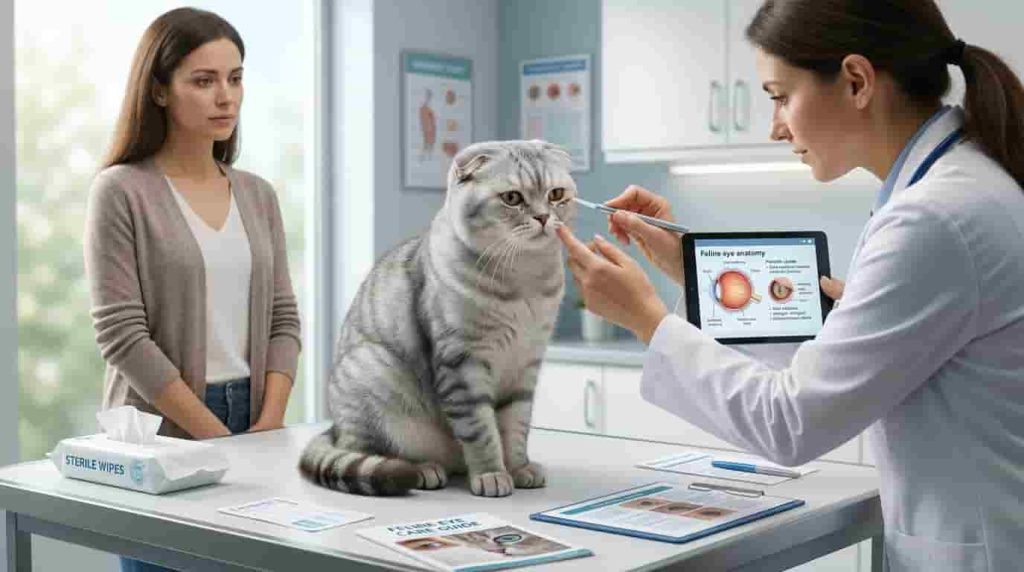
Securing proper cat eye discharge treatment requires a precise prescription medication designed for the specific underlying illness. Your veterinarian will perform a special diagnostic test using a glowing yellow stain to check for hidden corneal scratches. If the surface is completely smooth, they will prescribe antibiotic drops to eliminate a local cat eye infection. You must administer these liquid drops exactly as directed, even if the eyes look healthy after two days. Stopping the medication early can cause the harmful bacteria to return much stronger than they were before.
Furthermore, managing viral causes like feline herpesvirus involves using special antiviral medications and immune boosting nutritional supplements. These advanced treatments suppress the viral replication process, allowing your pet’s natural defenses to clear up the fluid. Your vet might also recommend a soothing ointment to lubricate the cornea and reduce painful friction during blinking cycles. Trusting these scientific methods ensures you protect your pet’s eyesight without using dangerous, unverified internet remedies around the house. Your careful compliance with the vet’s plan allows your companion to recover their full health quickly.
According to veterinary ophthalmologists at the Cornell University College of Veterinary Medicine, early treatment prevents chronic long term optical complications. They emphasize that prompt medical intervention preserves the delicate structure of the cornea perfectly over the animal’s lifetime. This expert guidance highlights the immense value of professional diagnosis over simple guesswork at home. By following this advice, you ensure your feline friend enjoys excellent vision throughout their entire life. Let us review the best ways to maintain excellent optical health permanently.
Proactive Habits for Maintaining Long Term Cat Eye Health
Supporting excellent cat eye health involves maintaining a clean, dust free living environment for your entire multi pet family. Vacuum your carpets regularly and avoid using heavy chemical aerosol sprays near your cat’s favorite sleeping spots. These simple sanitation habits protect the delicate ocular membranes from experiencing constant allergic irritation and swelling. Additionally, keep your pets indoors to prevent them from fighting with stray animals that carry contagious viral infections. Your protective choices keep their immune systems incredibly strong, resilient, and fully functional through the seasons.
Furthermore, schedule routine physical wellness exams with your local vet clinic at least once every single year. During these visits, the doctor will inspect the internal structures of the eye using a specialized light tool. This proactive screening catches rising fluid pressure or early cataracts before they cause visible cat eye discharge symptoms. Investing in regular preventative care prevents costly emergency veterinary bills and saves your pet from experiencing unnecessary physical pain. Your loving dedication provides incredible peace of mind while fostering a long, beautiful life for your feline companion.
Conclusion
Paying close attention to Cat Eye Discharge allows you to protect your favorite companion’s precious sight from dangerous infections. While finding fluid around the eyelids is highly stressful, modern veterinary medicine makes the recovery process smooth and effective. By avoiding unverified home remedies, practicing safe cleaning methods, and seeking fast medical care, you keep your home safe. Your steady observation ensures your special feline friend stays active, playful, and completely comfortable for many years to come.
Are you ready to check your pet’s eyes for any signs of redness or unusual moisture this morning? Have you already scheduled a routine wellness exam with your family veterinarian to protect their long term vision? Please share your personal pet care stories and questions in our comments section below to help other families!
Frequently Asked Questions
No, a true bacterial or viral infection will not disappear without proper veterinary medication and can worsen rapidly. Left untreated, minor inflammation can turn into a deep corneal ulcer that permanently destroys your pet’s vision. Always seek professional care to ensure your cat’s safety.
Clear watery fluids usually indicate mild environmental allergies to floating dust, outdoor pollen, or strong indoor chemical perfumes. It can also signal the early stages of a contagious feline upper respiratory viral infection. If the fluid turns thick or yellow, see your vet immediately.
The only safe home remedy is cleaning away dried crust using a clean cotton ball soaked in lukewarm water. You should never use human medications, saline solutions, or herbal teas because these items can cause severe eye damage. Trust vet prescribed drops to cure the issue.
Normal moisture is always perfectly clear, minimal, and disappears naturally when your cat grooms their face during the day. Abnormal discharge leaves thick yellow crust, causes constant squinting, and triggers dark red swelling around the pink eyelids. Watch for these painful changes daily.
Yes, conjunctivitis caused by viral or bacterial agents is highly contagious among felines sharing the same living spaces. You must isolate the sick cat in a separate room and wash your hands thoroughly after handling them. This step protects your healthy animals from catching the disease.