

Cat Asthma Signs: How to recognize wheezing and coughing
Introduction:
Cat Asthma Signs can appear suddenly, turning a quiet evening into a stressful emergency for any pet lover. You might notice your favorite companion crouching low to the carpet while extending their neck forward completely. They open their mouth, hack repeatedly, and look like they are trying to clear a stubborn hairball. Many well meaning owners ignore this frequent behavior because they assume it is a basic digestive issue. However, chronic respiratory issues in cats can narrow airway passages and restrict vital airflow permanently if left untreated. This serious condition requires your fast attention before a sudden, life threatening breathing crisis occurs inside your home.
Recognizing these subtle warnings early allows you to act before your furry family member suffers an acute attack. Some families focus heavily on visible external symptoms like cat eye discharge which means a trip to the vet is necessary. While fluid around the eyes requires care, hidden inflammation in the lungs presents an immediate threat to survival. This guide breaks down specific feline asthma symptoms, common indoor triggers, and expert veterinary treatment paths. Let us explore how to safeguard your companion’s respiratory health and ensure they breathe comfortably starting right now.
How to Recognize a True Feline Asthma Attack

Spotting early cat asthma signs requires careful daily observation of your pet’s sleeping and playing routines. An affected feline will often develop a persistent hack that sounds remarkably like a dry, hacking cough in humans. They will also assume a very specific, rigid posture while pressing their chest tightly against the cool floor. This distinct body alignment helps them force trapped air out of their inflamed and swollen bronchial tubes. Therefore, tracking how often your pet coughs can help you catch lung issues before they turn deadly.
Furthermore, you must distinguish between a normal hairball hack and genuine coughing in cats during the week. A cat passing a hairball typically produces a wet, slimy mass of fur on your floor quickly. Conversely, a cat experiencing severe asthma symptoms will hack intensely but swallow nothing at all at the end. They may also breathe with an open mouth, which signals a massive shortage of oxygen in their system. If you notice these specific behaviors, your pet needs immediate medical attention from a professional team.
Sometimes, a severe lung condition can occur alongside entirely different medical crises within the same multi pet home. For instance, a highly stressed cat might hide under a bed while dealing with dangerous lower urinary tract problems. You can learn about managing that scary situation in our comprehensive post on [cat urinary blockage life threatening emergencies] Dissecting these unique physical signs helps you provide the correct emergency care for each individual animal friend. Let us look closer at the secondary symptoms that follow chronic airway inflammation over time.
Tracking the Most Common Symptoms of Feline Asthma

Identifying the diverse symptoms of feline asthma involves listening closely to the sounds your pet makes while resting. You will frequently hear a faint, high pitched musical whistling sound when the animal exhales during a nap. This distinct sound, known as wheezing in cats, indicates that air is struggling to pass through tight passages. Additionally, you might notice their sides moving in and out with rapid, shallow motions even when relaxed. These combined physical signs mean your pet’s lungs are working twice as hard to absorb oxygen safely.
- Persistent Crouched Coughing: Hacks repeatedly while keeping the body completely low and the neck fully extended.
- High Pitched Wheezing: Emits a clear whistling noise during normal breathing cycles on the couch.
- Open Mouth Breathing: Pants like a dog after minimal exercise to pull extra oxygen inside quickly.
- Blue Tinted Gums: Shows a dark purple or blue color on the gums due to poor oxygenation.
Consider a real life example involving a dedicated pet parent named Amina who lived in central Surulere. She owned a beautiful Siamese cat that started coughing every time she cleaned the dusty living room carpets. Amina initially assumed her small kitten had intestinal parasites, an issue you can handle using cat deworming tips to get rid of parasites safely. Fortunately, she recognized the breathing problems in cats quickly and took her pet to an emergency vet clinic. The doctor diagnosed severe feline allergy issues and prescribed an inhaler that saved the cat’s life.
Uncovering Common Indoor Cat Asthma Triggers
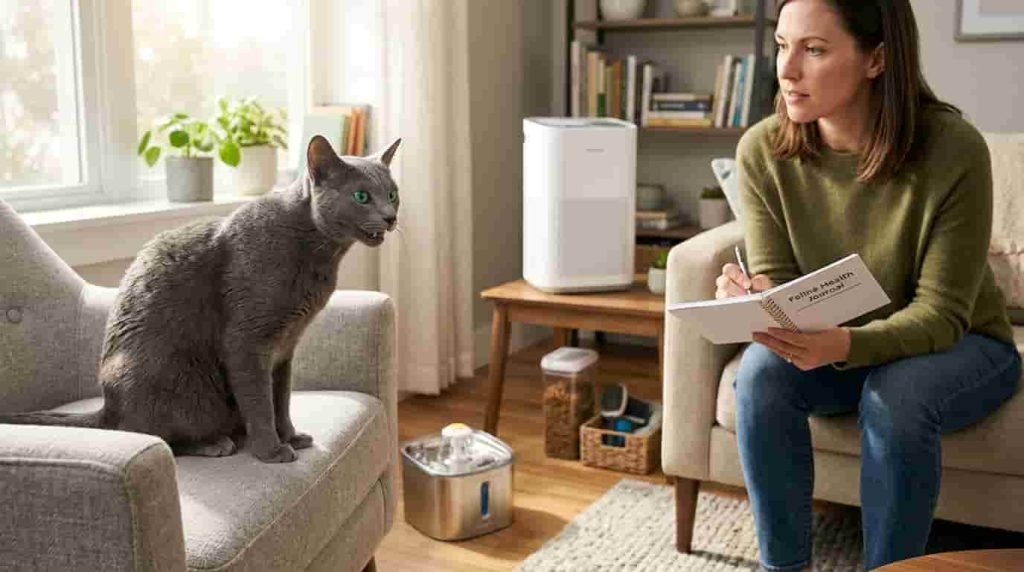
Managing asthma in cats successfully requires a deep understanding of the common environmental irritants hiding in your home. Microscopic dust particles, strong chemical perfumes, and specific laundry detergents can easily irritate sensitive feline lung tissues upon contact. When a vulnerable animal inhales these tiny particles, their immune system overreacts by producing massive amounts of thick mucus. This extra fluid clogs the airways, which instantly triggers the classic cat wheezing symptoms you hear at night. Therefore, identifying these household irritants is a crucial first step toward long term respiratory comfort.
Furthermore, many traditional clay litter brands release huge clouds of fine dust when your pet digs inside the box. This airborne dust goes directly into their nasal passages, causing immediate irritation and tight muscle spasms in the chest. Switching to a dust free alternative like recycled paper or natural wood pellets protects their delicate lungs effectively. Additionally, avoid smoking cigarettes or burning scented candles around your pets to maintain perfectly clean indoor air quality. Your proactive lifestyle adjustments prevent painful airway swelling before an acute attack can even start.
According to respiratory health specialists at VCA Animal Hospitals, minimizing airborne irritants reduces the frequency of attacks. They recommend using high quality air purifiers equipped with true HEPA filters to trap drifting dander and pollen. These advanced devices pull harmful particles out of your living space before your pet can breathe them in. This steady environmental management keeps your companion’s airway tissues calm, relaxed, and fully functional throughout the changing seasons. Taking these simple steps ensures your home remains a safe sanctuary for your favorite animal.
Long Term Cat Asthma Treatment and Management
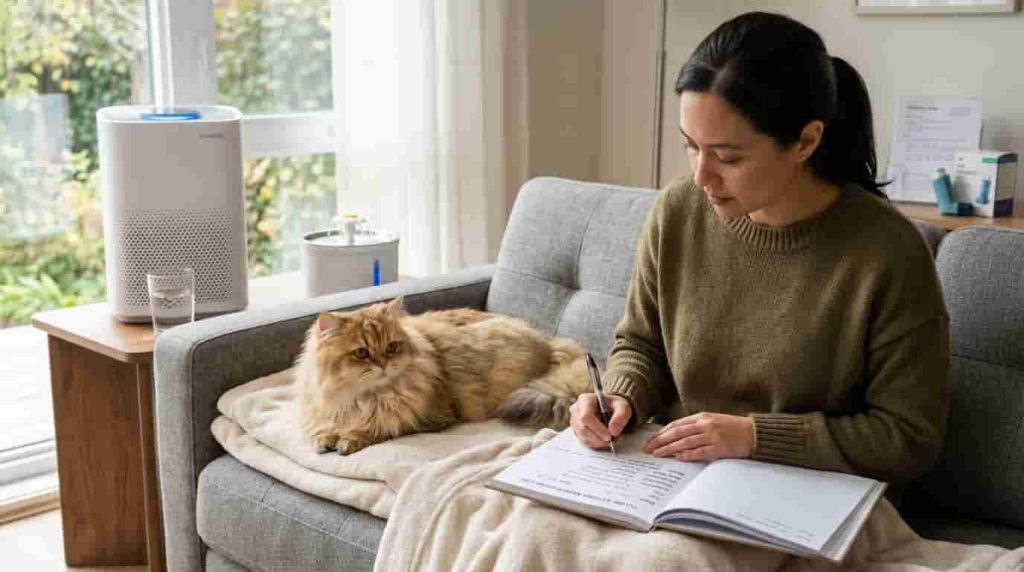
Administering effective cat asthma treatment requires a steady combination of quick relief medications and daily preventative care routines. During an acute breathing emergency, your veterinarian will utilize fast acting bronchodilators to open tight airways instantly. These vital medications relax the spasms around the bronchial tubes, allowing your pet to breathe normally within minutes. For long term care, your doctor will likely prescribe daily corticosteroid medications to reduce chronic tissue inflammation. These safe drugs come in convenient pill forms or specialized liquids designed for easy home administration.
- Use a specialized feline face mask and spacer to deliver inhaled medications directly to the lungs.
- Keep your home free from strong chemical cleaners by choosing natural, unscented products instead.
- Maintain a healthy body weight because extra fat presses against the chest and worsens breathing.
- Schedule regular veterinary checkups to monitor lung sounds and adjust medication dosages accurately.
Additionally, mastering the art of managing cat asthma involves learning how to use a pediatric spacer device properly. Many owners find that felines accept inhaled medications much better than bitter oral pills over several weeks. You simply fit the soft silicone mask over your pet’s nose and mouth for a few seconds. This smart method delivers the medicine straight into the lung tissue, minimizing side effects throughout the rest of the body. Your consistent dedication ensures your beloved companion enjoys an active, playful life without experiencing constant respiratory distress.
Understanding the Long Term Outlook for Respiratory Issues in Cats

Emphasizing the true nature of chronic breathing problems in cats helps you realize that this condition requires lifelong care. Asthma is a permanent illness that cannot be cured completely by a single round of antibiotics or shots. However, an organized owner can manage the symptoms perfectly, allowing their pet to live a completely normal lifespan. The key to success involves staying vigilant and never skipping daily preventative treatments prescribed by your vet clinic. Your steady routine protects your animal friend from suffering irreversible lung scarring over the coming years.
Furthermore, keeping a calm, stress free household environment helps prevent sudden flare ups in sensitive, asthmatic pets. High emotional stress triggers chemical changes in the body that can cause local airway tissues to tighten up rapidly. Provide plenty of quiet hiding spaces, vertical climbing trees, and fun puzzle toys to keep your pet relaxed. These simple environmental additions boost their mental health while supporting excellent long term respiratory performance across the board. Your loving care provides incredible peace of mind while fostering a joyful life for your feline companion.
Conclusion
Recognizing the early Cat Asthma Signs empowers you to intervene before a dangerous breathing emergency strikes your home. While chronic lung issues sound frightening, modern veterinary care makes managing cat asthma exceptionally safe, clear, and highly effective. By eliminating dusty litters, utilizing prescribed inhalers, and tracking cat coughing signs, you fully protect your furry family. Your steady observation ensures your special companion stays vibrant, active, and completely free from respiratory discomfort for years to come.
Are you ready to swap out your dusty clay litter for a clean, dust free option today? Have you already placed an air purifier near your pet’s favorite sleeping spot to clear out floating allergens? Please share your personal pet care stories and questions in our comments section below to help other families!
Frequently Asked Questions
No, you should never give your pet human medications without explicit instructions from a licensed veterinarian. While some drugs utilize similar active ingredients, human doses are far too concentrated for a small animal’s body. Your vet must calculate the exact safe dosage based on weight.
Doctors utilize a combination of clinical chest x rays, comprehensive blood work, and thorough fecal tests first. The x rays reveal characteristic bright patterns in the lungs known as donuts and tram lines. They also rule out heartworms or lung parasites before starting any steroid treatments.
Most felines begin showing the first clear signs of respiratory irritation between two and eight years of age. However, the condition can develop in very young kittens or older senior cats depending on genetic factors. Early diagnosis allows for much better management over the animal’s lifetime.
Yes, second hand tobacco smoke is a massive irritant that inflames the delicate lining of your cat’s airways instantly. Smoking indoors can trigger acute, life threatening attacks in pets that carry a genetic tendency toward asthma. Maintain a completely smoke free home to protect your pet.
A mild attack might seem to fade, but the underlying airway inflammation remains behind and worsens over time. A severe attack can cause total airway closure, leading to sudden suffocation and death without immediate veterinary intervention. Always seek professional care if your pet struggles to breathe.