Cat Paw Pad Peeling: Identifying dry skin vs a fungal infection.
Introduction:
Cat paw pad peeling is a common concern that often confuses new pet owners. You might notice small, loose layers of skin falling off your cat’s feet. Sometimes this looks like harmless shedding, but other times it signals a bigger problem. Because you want the best for your pet, you need to understand the difference between simple dryness and actual infections.
When you notice cat paw pad peeling, don’t panic immediately. Many cats naturally shed old, tough skin from their feet after active play. However, persistent flaking or redness requires your attention. Understanding cat paw care helps you keep your feline friend comfortable and moving easily. This article will help you identify the root cause and provide the right support.
Understanding Cat Paw Pad Issues
Feline foot health is essential for their daily comfort and agility. Your cat’s paws take a beating while they jump, climb, and walk around your home. As a result, cat paw pad peeling can happen due to environmental factors. Dry air in your house often leads to cracked cat paw pads.
Additionally, household cleaners or rough floor surfaces can irritate those sensitive pads. If you observe your cat licking their feet constantly, something is definitely wrong. Feline paw pad health relies on maintaining a moisture balance. If the skin feels rough, coarse, or inflamed, you should start monitoring it closely.
Distinguishing Dryness From Fungal Infections
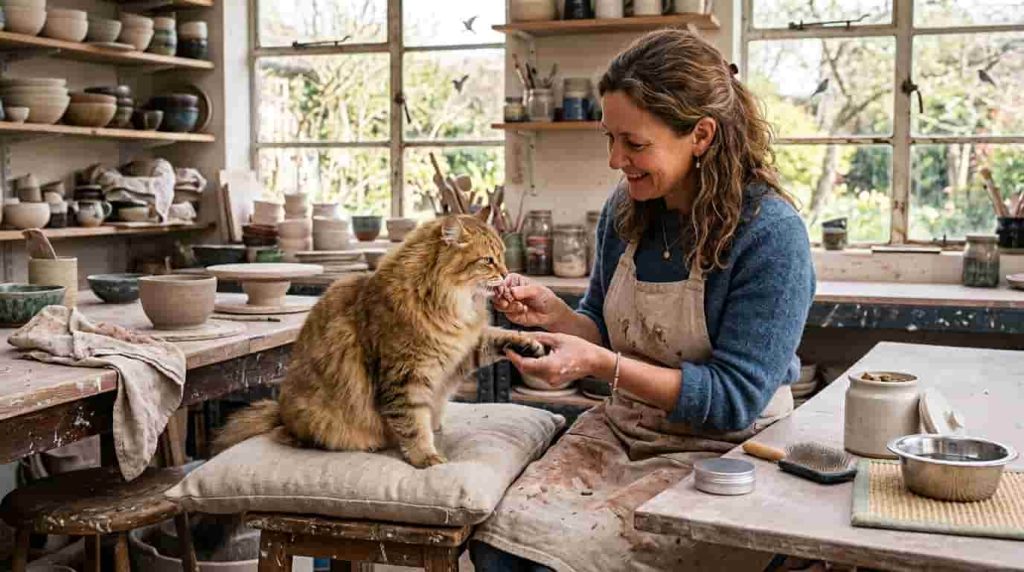
Knowing how to spot the difference is crucial for effective treatment. Dry cat paw pads usually appear gray or flaky but don’t smell strange. In contrast, a fungal infection often comes with a distinct, unpleasant odor. You might want to learn more about Cat Ear Odor: When a smell means a yeast infection is present to understand how yeast behaves on the body.
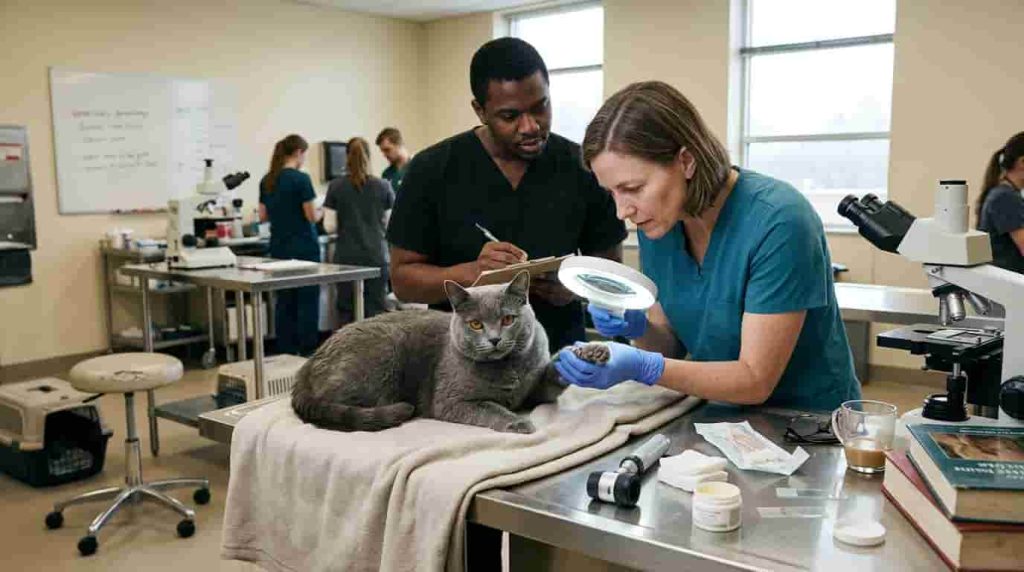
Experts at VCA Animal Hospitals emphasize that persistent, smelly skin issues need professional diagnosis. A fungal infection typically causes redness, swelling, and even discharge between the toes. If your cat shows these signs, please schedule a visit with your veterinarian. Do not try to treat a suspected infection with home remedies alone.
Tips for Maintaining Healthy Cat Paw Pads
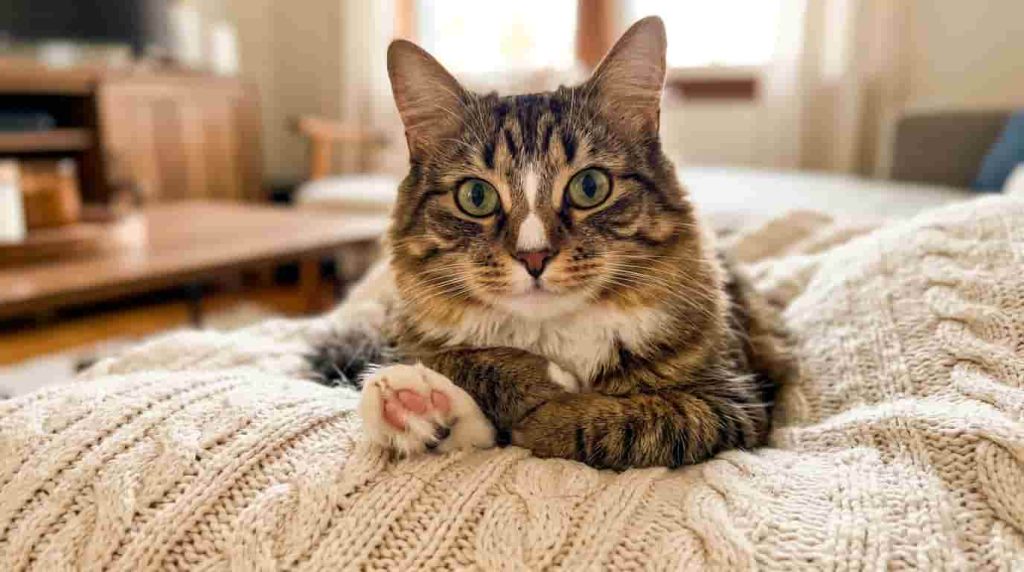
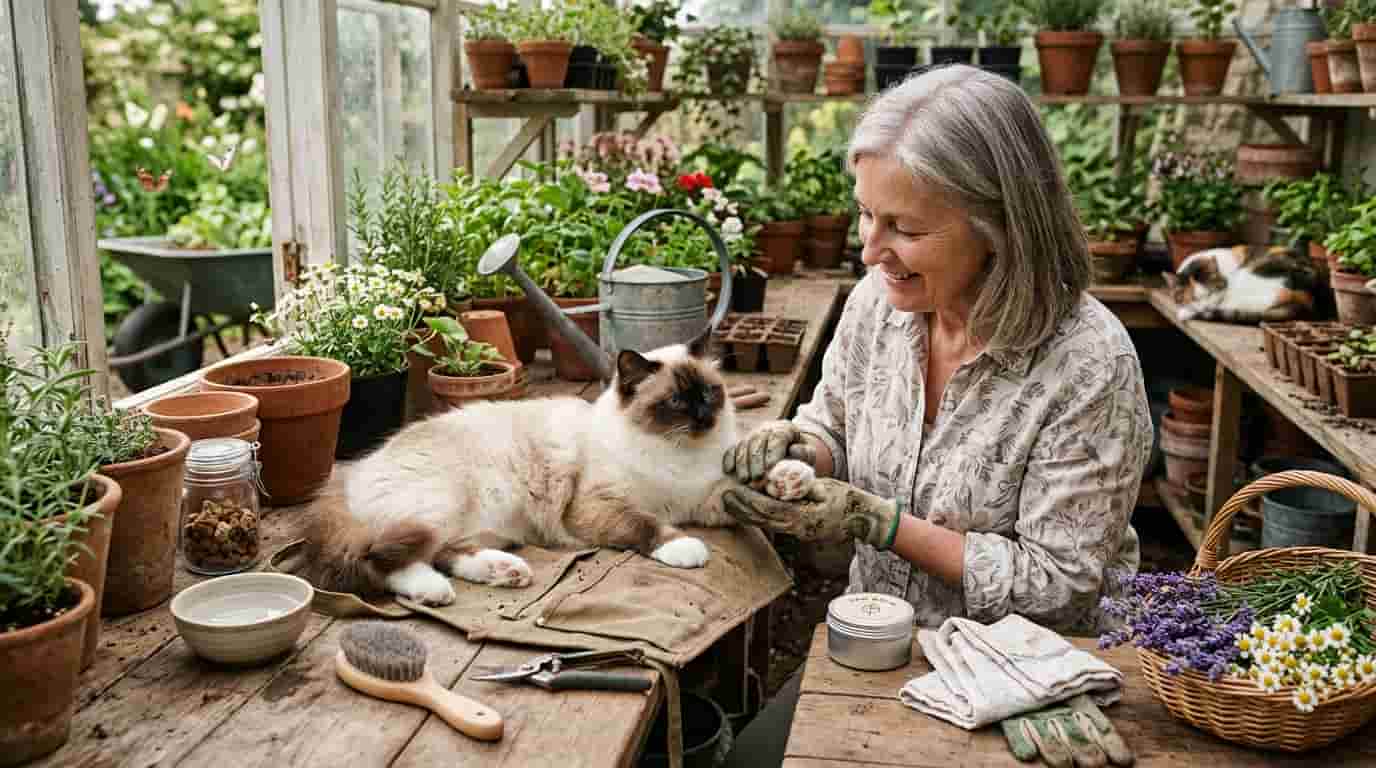
Regular kitty paw maintenance prevents many minor foot problems from escalating. Start by checking your cat’s paws once a week during grooming sessions. If you see signs of cat paw pad peeling, gently clean the area with warm water. This removes debris and helps you get a clearer look at the skin underneath.
Furthermore, use a safe, cat specific cat paw pad moisturizer to restore hydration. Never use human lotions, as these often contain toxic ingredients like essential oils. Additionally, keep your cat’s environment clean to avoid contact with harsh chemicals. These simple tips for cat paw pad care make a significant difference.
When to Seek Professional Cat Paw Pad Treatment
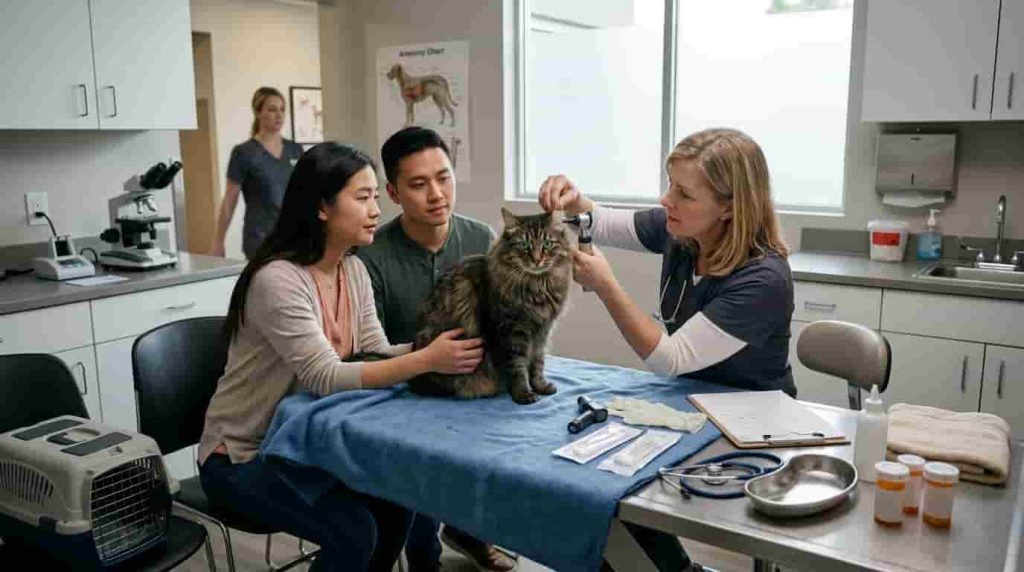
Sometimes, simple hydration methods aren’t enough to solve the issue. If your cat limps or refuses to walk, they are likely in pain. Persistent cat paw pad shedding may indicate a deeper deficiency or systemic health problem. Veterinarians can perform tests to rule out allergies or autoimmune disorders.
Also, be mindful of their overall hygiene. While you look at their feet, check their mouth health. If you notice bad breath, Cat Breath Mints: Safe ways to freshen up a stinky mouth provide helpful solutions for overall wellness. Finally, consider if their face also needs care. You might find Cat Tear Stains: Cleaning the fur under the eyes of flat faced breeds helpful if your cat has other grooming needs.
Natural Remedies for Dry Cat Paw Pads
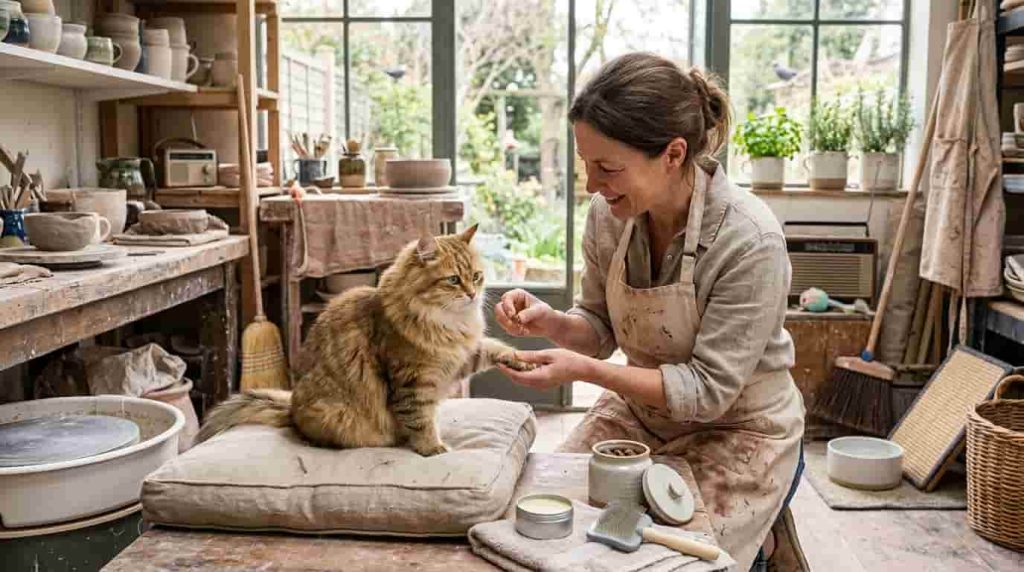
Many owners prefer natural approaches for light cases of dryness. Coconut oil is often a safe, natural remedy if your vet approves it. Apply a tiny amount of organic coconut oil to your cat’s pads and massage it in. This works as a gentle cat paw pad moisturizer.
However, watch your cat closely after applying anything to their feet. They will likely try to lick it off immediately. Therefore, distract them with playtime for a few minutes while it absorbs. Furthermore, keep their bedding clean to prevent dirt from sticking to the treated area.
Long Term Feline Paw Pad Health
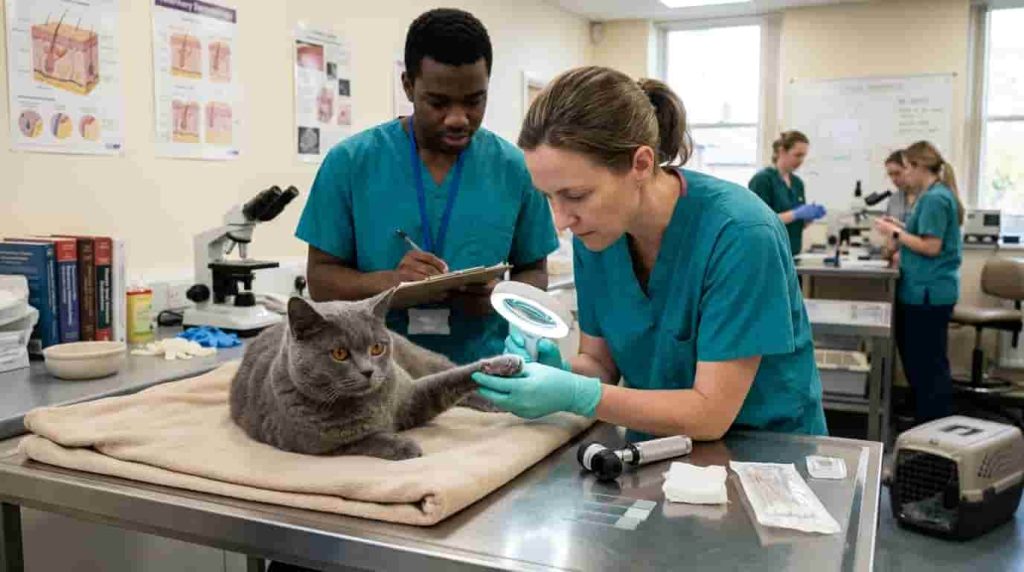
Consistency is the best tool for protecting your cat’s feet. If your home has very dry air, use a humidifier during winter months. This protects your cat from recurring cracked cat paw pads. Also, limit your cat’s exposure to hot pavement during summer afternoons.
Always monitor how your cat walks on different surfaces. Changes in their gait might suggest their feet are sore or sensitive. Remember that cat paw pad health is just as important as their coat or dental care. By staying vigilant, you protect your cat from unnecessary discomfort and pain.
Conclusion
Cat paw pad peeling is often a minor issue, but it requires careful observation. By learning to distinguish between simple dryness and signs of infection, you help your cat stay comfortable. Always use safe, cat specific products and consult a vet for persistent concerns. Healthy paws keep your cat active and happy for years to come. Does your cat struggle with dry skin on their feet? Please share your experience or questions in the comments section below!
Frequently Asked Questions
Minor peeling can be a normal part of skin shedding. However, excessive peeling or cracked skin is not normal.
A fungal infection usually causes a strong odor, redness, and swelling. If you smell something unusual, contact your vet immediately.
Use a pet specific, non toxic paw balm or organic coconut oil. Avoid human lotions, as they can be toxic to cats.
Dry air, harsh cleaning products, or walking on rough surfaces can cause dryness. Check your environment for potential irritants.
Go to the vet if you see bleeding, swelling, or bad odors. Persistent pain or limping also requires a professional diagnosis.