

Cat Cancer Warning: Spotting unusual lumps and bumps early.
Introduction:
Cat Cancer Warning: do you know the hidden signs of trouble? You pet your cat daily and feel something strange under the fur. Does a tiny bump signal a real health crisis?
Many owners ignore these small changes for too long. However, catching them early makes a world of difference. You hold the power to change their future.
Understanding Your Cat Cancer Warning Signs
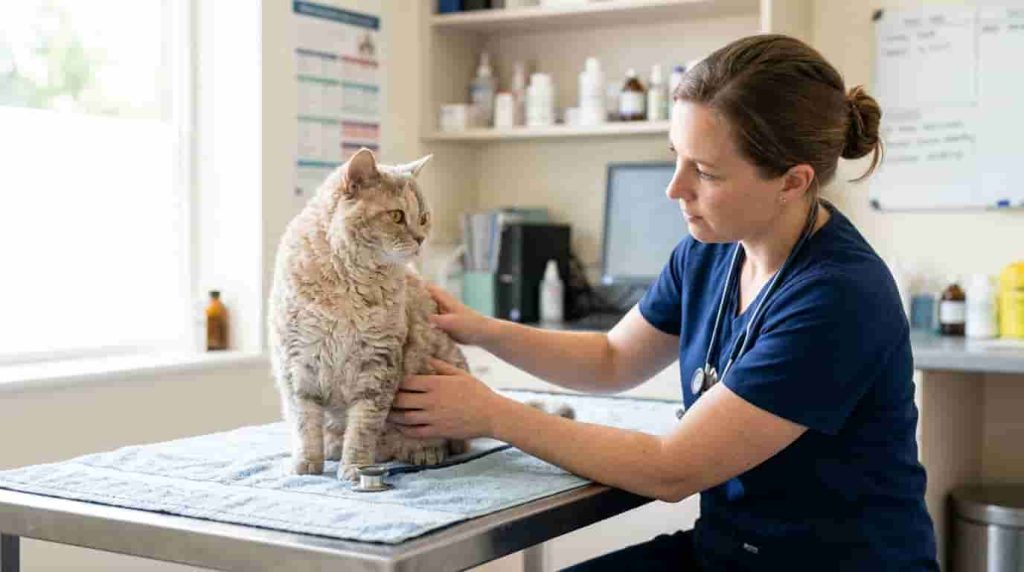
A Cat Cancer Warning often comes in the form of a small, firm mass. You might find it while grooming or playing with your pet. Most people assume it’s just a harmless skin tag.
However, you must investigate any new growth immediately. Early detection of cat cancer saves lives. Therefore, you should check your cat from head to tail every single week.
According to Cornell University College of Veterinary Medicine, internal changes often show up externally first. Always remain alert for any sudden weight loss or appetite shifts. These are key signs of cat cancer that demand attention.
Recognizing Cat Cancer Early With Grooming
You can turn grooming into a health check. Feel for any changes under their skin while brushing them. Additionally, check their ears, paws, and mouth for odd colors.
Sometimes, feline tumor detection happens purely by accident during play. You notice a slight limp or a swollen area. Consequently, you take action before the condition worsens.
If you find a mass, note its size and shape. Does it feel soft or hard? Does it move when you press it? Record these details for your vet visit.
Evaluating Common Feline Cancer Symptoms
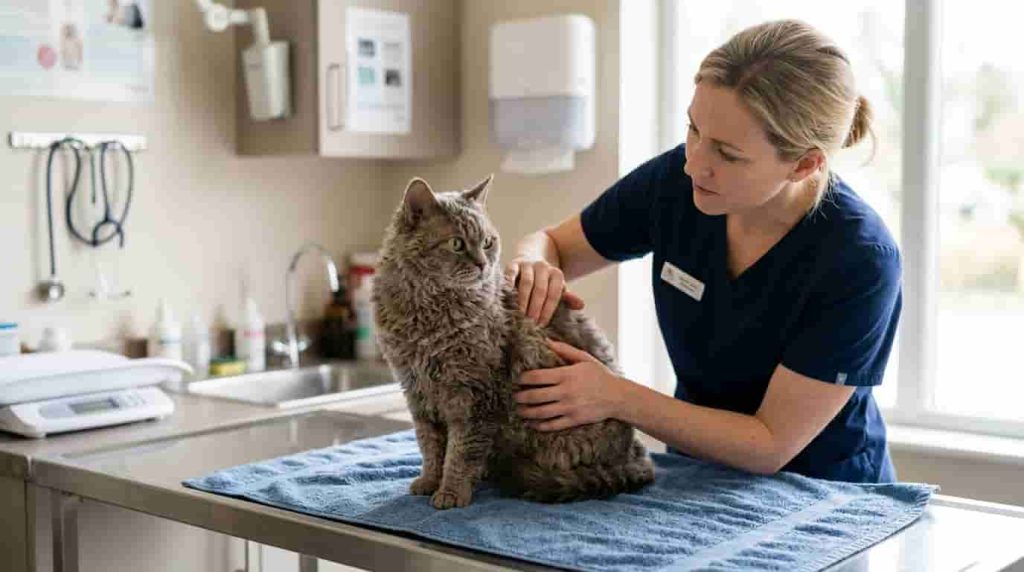
Cat cancer presents itself in many different ways. You might notice persistent sores that refuse to heal. Furthermore, chronic coughing or difficulty breathing often signals deeper problems.
Many cats show a change in their personality, too. They hide more often or stop playing with favorite toys. These subtle clues act as a silent Cat Cancer Warning for you.
You should always consult a professional about these changes. Do not wait for symptoms to resolve on their own. Quick diagnosis leads to better cat cancer treatment options.
Common Types of Feline Cancer to Watch
Lymphoma ranks as one of the most frequent diagnoses. It affects various organs and causes many different symptoms. Also, skin tumors appear more often in older white-haired cats.
You should monitor any dark spots or changing moles. Furthermore, watch for abdominal swelling that appears suddenly. Such changes provide a clear feline tumor warning to any owner.
If your cat seems to lose their balance, please read Cat Stroke Symptoms: What to do if your cat loses balance for extra context. Health issues often overlap in mysterious ways. Stay proactive to keep your cat safe.
Following Veterinary Advice for Cat Cancer
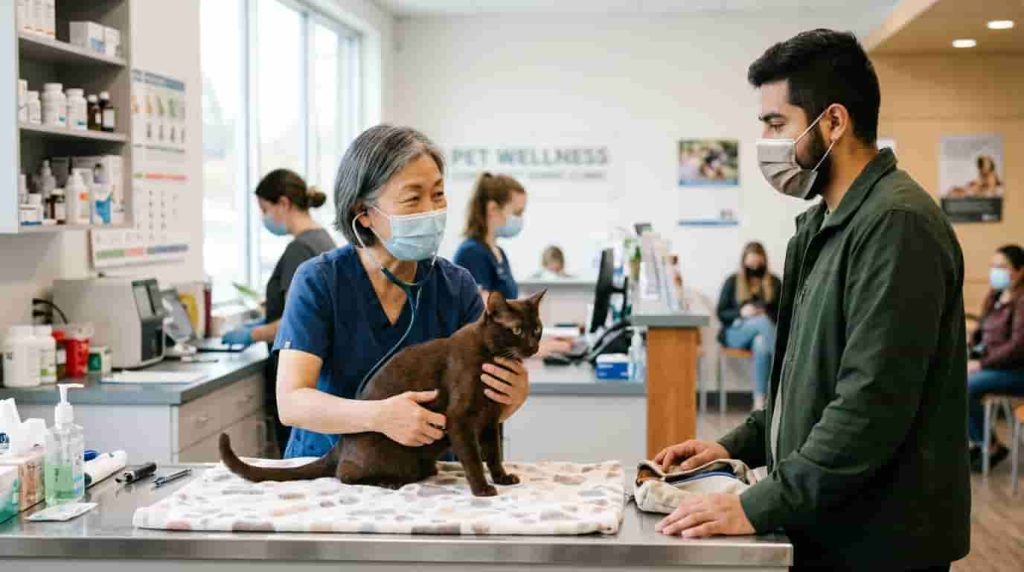
You need a clear plan once you suspect a problem. Call your vet and describe exactly what you found. Additionally, bring a list of your observations to the clinic.
They will perform a physical exam and recommend tests. These often include blood work or fine needle aspiration. Therefore, you get answers rather than just worrying.
Remember that a Cat Cancer Warning does not mean the end. Modern medicine offers many paths to help your pet. Your vet serves as the best guide through this process.
Prioritizing Cat Cancer Prevention Tips
True Cat Cancer Warning signs include exposure to harsh environments. Keep your cat away from cigarette smoke and chemical toxins. These substances damage their cells over long periods.
Also, focus on a balanced diet to support their immunity. Strong bodies resist illness much more effectively. Furthermore, keep up with their regular health checkups every year.
Sometimes, skin problems look like growths but come from fleas. You can read Cat Flea Allergies: Why one bite can cause total hair loss to learn about those triggers. Knowing the difference helps you stay calm.
Managing Your Cat Health Warning Signs
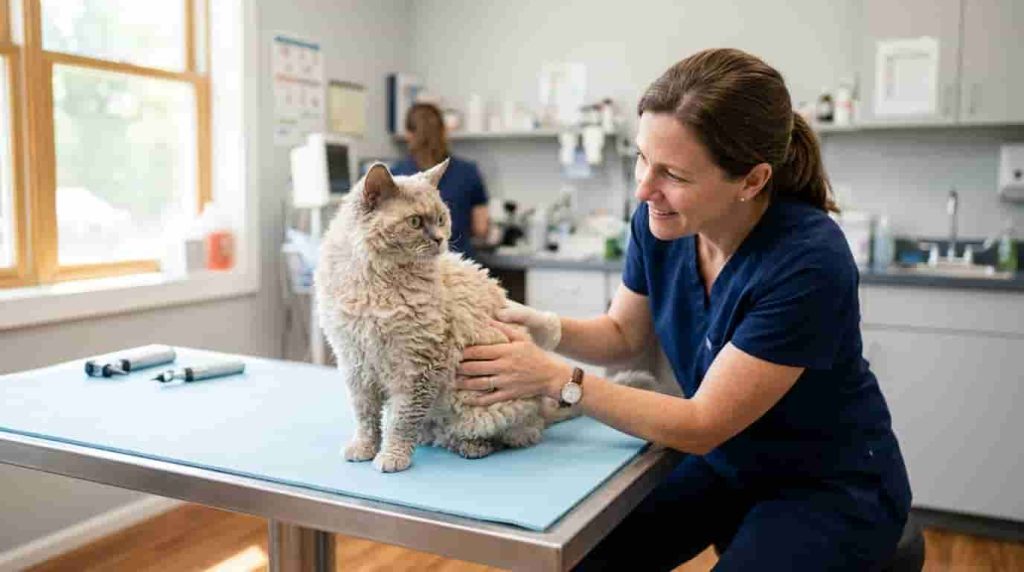
Your Cat Cancer Warning strategy involves constant love and attention. You know your cat better than anyone else does. Therefore, trust your gut if something feels off.
Check their litter box habits often. Changes in their output serve as a strong Cat Cancer Warning signal. Also, watch for any strange smells coming from their body.
Maintaining a regular routine makes changes easier to spot. You can read Cat Worming Schedule: Protecting indoor cats from parasites to manage their internal health as well. A healthy cat stays strong against all threats.
Final Thoughts on Feline Tumor Detection
Every Cat Cancer Warning should trigger a visit to your doctor. You owe it to your cat to seek answers quickly. Early steps offer the best chance for a happy life.
Be brave and check your cat tonight while they rest. Your simple attention might save them from future suffering. Do you have a story about finding a bump early?
Please share your experience in the comments below!
Frequently Asked Questions
Watch for unusual lumps, persistent sores, weight loss, and changes in appetite. Also, observe any odd behavior or hidden lethargy.
Not every lump is cancerous, but you should have a vet check all new growths. A quick exam provides peace of mind or early treatment.
Reduce exposure to smoke, toxins, and harsh sunlight for sensitive skin. A healthy diet and regular vet visits also help minimize risks.
Vets use physical exams, blood tests, X-rays, or biopsies to identify tumors. Early diagnostic tools help identify the best path forward.
Many cases see successful management through surgery, medication, or specialized care. Early intervention is the most critical factor for a good outcome.