

7 Reasons Cats Always Hear You Coming
Introduction:
Cats hearing attention levels often surprise owners who think they can sneak up on their pets. You try to tiptoe across the room, yet your cat turns their head toward you immediately. This behavior seems like a superpower, but it actually stems from evolution.
Your cat possesses a biological advantage that makes them masters of their environment. They filter through ambient noise to isolate specific sounds linked to your movement. Understanding their biology changes how you interact with them daily.
The Secret Mechanics of Feline Auditory Focus
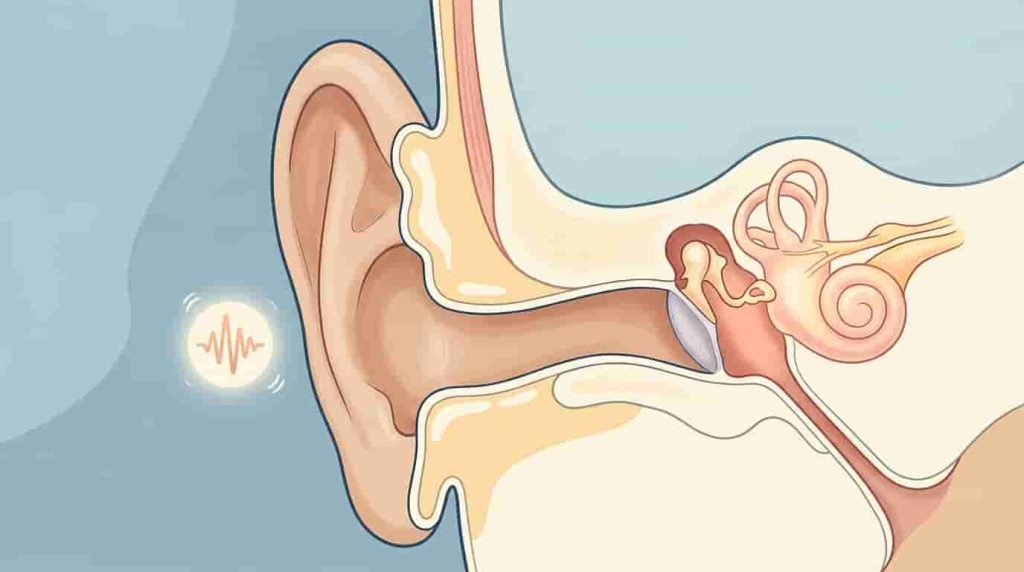
Cats hearing attention starts with their unique ear anatomy. Their ears function like high precision sensors designed for survival. Additionally, these animals process frequencies that remain silent to human ears.
Most owners do not realize how much information a cat gathers while appearing to nap. You might assume your pet ignores your presence until they suddenly react. However, they track your location even when they seem distracted or sleepy.
The importance of cats’ hearing extends far beyond simple detection. It keeps them safe while allowing them to bond with you. If you want to dive deeper into their physical capabilities, check out 9 Hidden Powers Behind Cat Ears.
7 Specific Sounds That Cats Detect

Your cat filters thousands of sounds every hour. They specifically prioritize noises that matter for their safety or routine. Here are seven sounds they always notice:
- Your keys jingle before you even touch the door handle.
- The refrigerator door seal makes a distinct, high-pitched creak.
- Your specific footsteps on hardwood floors create a rhythmic pattern.
- A treat bag crinkles, even when you try to open it quietly.
- Electronic devices produce subtle whirring sounds during operation.
- Water dripping from a faucet reaches their ears from across the house.
- Clothing fabric rustles when you shift your weight nearby.
Understanding these triggers explains why your cat reacts so quickly. They constantly refine their feline auditory focus to maintain control over their territory.
Understanding Pet Ear Sensitivity and Behavior
Your cat’s brain processes sound data with incredible speed. This pet ear sensitivity allows them to pinpoint a source within a few inches. Often, this happens before you even reach the doorway.
Many owners notice this when they try to sneak a snack. You might move slowly, but your cat knows your exact position instantly. This happens because cats hearing attention remains active even during rest.
You can learn more about how they perceive the world by reading 7 Sounds Cats Can Hear That Humans Never Will. Their cat ear sensitivity is truly unmatched by other common household pets.
Does Age Affect Kitten Listening Skills?

You might wonder if age changes how well your cat listens. Younger cats develop their kitten listening skills rapidly within their first few months. Furthermore, they learn to associate specific sounds with rewards like food or play.
Older cats might experience changes in their cat hearing health, which affects their responses. However, most cats maintain sharp senses throughout their lives. Always watch for signs of confusion or lack of awareness in aging pets.
According to Cornell University College of Veterinary Medicine, regular checkups help monitor sensory health in aging cats. Early detection ensures you can support their needs as they grow older.
Mastering Feline Auditory Awareness Daily
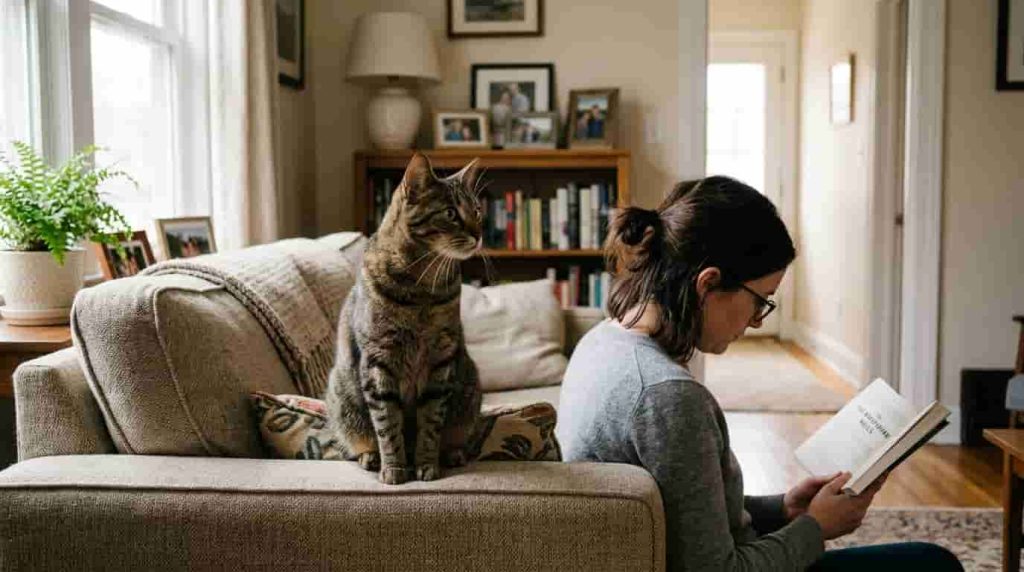
You can improve your bond by respecting how much your cat hears. Try to avoid making sudden, loud noises that might startle them. Additionally, keep calm during daily interactions to maintain their trust.
Many people enjoy experimenting with different sounds to see how their cat reacts. If you are curious about this, read 5 Sounds That Instantly Grab A Cat’s Attention. You will find that improving cat’s auditory attention helps with training.
Your cat auditory awareness is actually a tool for communication. Use quiet, soothing tones when you speak to your cat. They will appreciate your effort to keep their environment peaceful and predictable.
Practical Tips for Cat Ears and Attention to Sound
Consistent care keeps their senses sharp and ready. You should observe their cat ears and attention to sound regularly. Clean, healthy ears prevent infections that could dampen their natural abilities.
Follow these simple cat ear care steps for better results:
- Inspect ears weekly for any debris or strange odors.
- Use a vet recommended cleaner to wipe the outer flap gently.
- Watch for constant head shaking or scratching at the ears.
These caring for your cat’s ears habits pay off in the long run. Healthy cats react more predictably to your voice and movements.
Mastering Feline Auditory Awareness Daily
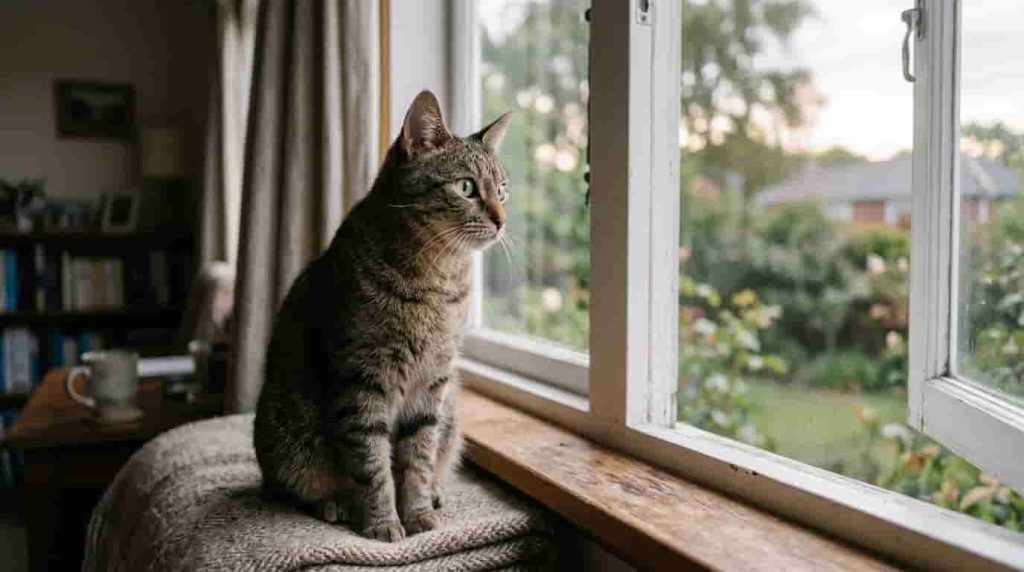
You might feel surprised when your cat meets you at the door. This happens because your cats hearing attention tracks your specific car or walk. They recognize your routine patterns better than you realize.
This domestic cat listening capabilities makes them excellent companions. They know you are approaching long before you unlock the house door. Furthermore, they prepare themselves to greet you based on those sounds.
If you ever feel like your cat ignores you, reconsider that thought. They likely heard you, but simply chose not to react at that moment. Their selective cat listening skills allow them to prioritize what matters most.
Addressing Common Ear Issues in Cats
Sometimes, health problems interfere with their natural hearing. Watch for symptoms of ear problems in cats such as imbalance or lethargy. If you notice these, contact your vet immediately for advice.
Promptly treating cat ear issues prevents permanent damage to their senses. Never ignore signs of cat ear infections or discomfort in your pet. Professional care remains the best way to protect their long-term health.
Reference PetMD for reliable info on spotting symptoms of cat ear problems. Staying informed helps you act quickly when your cat needs help. Proper maintenance of cat ear anatomy ensures they stay alert and happy.
Final Thoughts on Auditory Connection
Your cat lives in a world filled with constant, meaningful sound. By understanding cats hearing attention, you gain a new perspective on their daily behavior. They are not just ignoring you; they are constantly monitoring their world.
Protecting their health ensures they keep hearing your footsteps for years to come. Start monitoring their behavior today to maintain a strong, clear bond. Your cat will certainly thank you for your awareness and care.
Do you have a funny story about your cat hearing you before you entered the room? Please share your experience in the comments below.
Frequently Asked Questions
Cats recognize the specific sound of your car or your unique walking pattern. Their sharp ears detect these familiar cues from a great distance.
Cats possess remarkable hearing that detects sounds from several rooms away. They filter background noise to focus specifically on your movements and presence.
Yes, cats often use their selective hearing to choose which sounds deserve a reaction. They hear you clearly but decide that the sound does not require an immediate response.
You should monitor any sudden lack of response in your cat. If they ignore loud noises or your voice, consult your veterinarian to check for potential hearing loss.
You can make a soft sound behind them to see if they turn their ears or head toward it. Never use loud or frightening noises to test their reaction to your presence.