

7 Sounds Cats Can Hear That Humans Never Will
Introduction:
Cats hearing allows your pet to detect things you completely miss. You might see your cat staring at an empty corner with intense focus. This behavior happens because they hear something beyond your reach.
Most people assume the room remains silent and still. However, your cat lives in a world filled with constant, hidden noise. Understanding their unique sensory experience changes how you view their actions.
Exploring the Depth of Cats Hearing

The cats hearing range dwarfs our own significantly. Humans stop hearing at about 20,000 Hertz. Conversely, cats detect frequencies reaching up to 64,000 Hertz.
This gap explains why your pet suddenly pounces on nothing. They track sounds that exist in the ultrasonic spectrum. Their feline auditory system works like a biological radar, constantly scanning the environment.
You can learn more about how they utilize these senses by reading 9 Hidden Powers Behind Cat Ears. They filter through thousands of vibrations to find specific patterns.
7 Remarkable Sounds Within the Cats Hearing Range

Your cat processes noises that remain invisible to us. These seven sounds provide vital information about their surroundings:
- High-pitched mouse squeaks: These tiny sounds reveal prey hiding behind walls.
- Subtle insect wing vibrations: They detect bugs moving long before you see them.
- Electronic hums: Many devices produce sounds that only cats notice.
- Weather shifts: Changes in barometric pressure cause faint atmospheric noises they detect.
- Bat calls: They hear high-frequency chirps from bats flying outdoors.
- Distantly shifting floorboards: They identify subtle pressure changes in your home.
- Micro-movements of pipes: Water rushing through plumbing creates echoes only they interpret.
Because of this, your pet stays alert to dangers you never notice. Their cat hearing range acts as a constant early warning system.
Anatomy and Feline Hearing Sensitivity
The unique cat ear anatomy explains why their perception is so sharp. Each ear has 32 muscles for precise movement. Therefore, they direct their ears like satellite dishes toward any noise.
This mobility grants them unparalleled hearing sensitivity in cats. They triangulate the exact location of a sound in milliseconds. This is why 5 Sounds That Instantly Grab A Cat’s Attention works so well.
According to Cornell University College of Veterinary Medicine, their ear structure allows for extreme accuracy. They identify the source of a sound from over a foot away with pinpoint precision.
How Cats Hear Sounds So Clearly
Your pet’s hearing ability relies on a deep, complex inner ear. The canal funnels vibrations to the eardrum with great efficiency. Consequently, the brain translates these signals into detailed mental maps.
This understanding feline hearing process helps them navigate total darkness. They do not just hear; they visualize their surroundings through sound waves. You can see this when they track a bug across a dark ceiling.
Furthermore, their feline hearing abilities remain sharp throughout their lives. Even elderly cats often maintain better detection than their human owners. Their ability to process information remains a marvel of nature.
Auditory Senses in Cats vs Humans
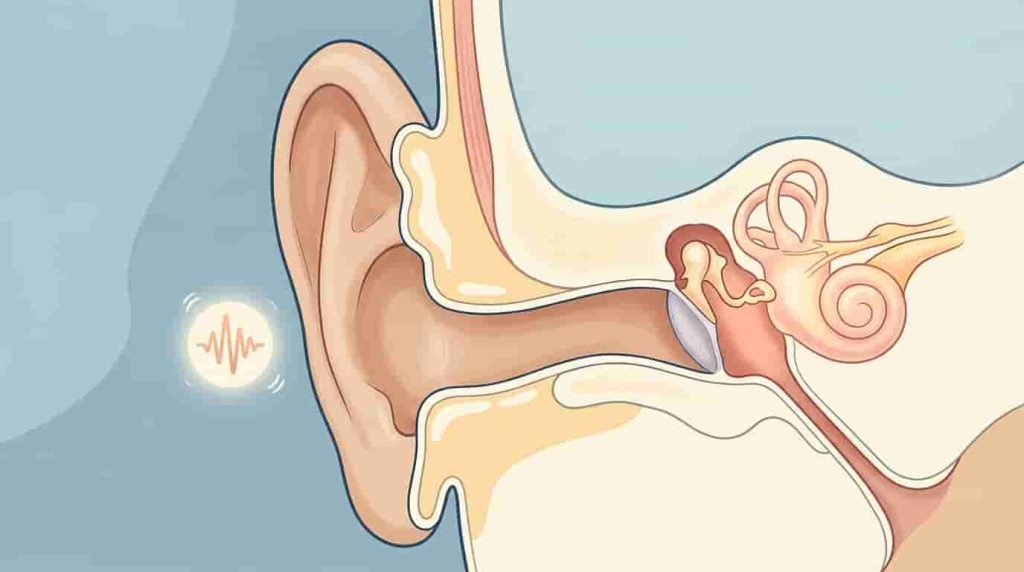
When comparing cat hearing compared to humans, the difference remains stark. We prioritize visual cues for our primary environment map. Meanwhile, your cat relies heavily on their advanced auditory senses in cats.
They hear better than dogs in many high-frequency situations. This ability helps them hunt and survive in the wild. Even in your living room, they treat every day like an outdoor expedition.
Check out 7 Reasons Cats Always Hear You Coming to see this in action. They recognize your unique footsteps long before you touch the door. Their cat ear structure filters your walk from all other noises.
Monitoring Feline Hearing Sensitivity
You should watch your pet for changes in their behavior. If they stop reacting to high-pitched sounds, they might have an issue. Regular care keeps their feline hearing sensitivity in top condition.
PetMD suggests that cleaning the outer ear helps prevent blockage. Never push anything into the canal, as this risks their delicate balance. Instead, wipe the flap gently with a soft cloth.
Always notice if your cat shakes their head frequently. This behavior indicates potential discomfort or blockages in the ear. Proactive checks ensure they keep hearing the world clearly.
The Secret World of Cats Hearing

Your cat exists in a vibrant, noisy landscape you cannot imagine. Their cats hearing unlocks a world of subtle vibrations and frequencies. They hear the house breathe, shift, and vibrate around them.
Respecting their feline hearing sensitivity helps you become a better owner. Keep noise levels reasonable to avoid overwhelming their precise senses. They deserve a quiet space to relax after their long day of monitoring.
Ultimately, your cat uses their hearing to stay connected to you. They always know where you are because of these incredible senses. Have you ever wondered what your cat was looking at when nothing seemed to be there?
Frequently Asked Questions
Cats often hear tiny noises like bugs or plumbing inside the walls. Their hearing detects vibrations that we cannot perceive, causing them to focus intently.
Cats track sounds from several feet away with extreme precision. They use their mobile ears to pinpoint locations and estimate distance effortlessly.
Yes, some cats experience hearing loss as they grow older. Watch for signs like lack of response to calls or changes in vocalization habits.
Loud, bass-heavy music can overwhelm a cat’s sensitive ears. Provide them a quiet room where they can retreat if the noise feels too intense.
Keep their ears clean and avoid harsh, sudden noises in the home. Consult your vet if you suspect any issues or if they show signs of pain.