

7 Cat Mysteries Scientists Discovered About Affection
Introduction:
Cat affection often leaves human owners completely puzzled and searching for answers. Have you ever wondered why your cat ignores you one minute and demands cuddles the next? Many people struggle to decode what their pets truly feel inside. Therefore, science recently stepped in to solve these daily household mysteries.
Does cat affection follow rules we fail to notice? Researchers finally unlocked secrets behind feline behavior and emotions. You might feel surprised by what science reveals about kitty love. We will explore how pets show their true feelings every single day.
Stay with us to learn how cats experience love. First, we must look at how researchers measure cat affection in modern studies.
Why Cats Blink Slowly At You

Cat affection often shows up in the softest, quietest ways possible. Scientists discovered that slow blinks act as a direct feline smile. When your cat looks at you and blinks slowly, they express total trust. Consequently, you can return this gesture to strengthen your bond.
Many owners miss this signal because they look for loud signs. However, feline companionship relies heavily on these subtle visual cues. Cornell University College of Veterinary Medicine notes that quiet signals matter deeply to cats. Therefore, watching these tiny movements helps you understand cat affection better.
Exploring Deeper Connections Through Cat Behavior
You want to build a stronger emotional connection with cats daily. Sometimes, understanding cat behavior changes how you interact with your pet. If you want more background on related topics, read 9 Cat Secrets About Human Relationships for extra insights. You will see how animals view their human family members.
Furthermore, building an emotional bond with felines takes time and patience. You must let your cat make the first move during quiet moments. This approach respects their natural need for personal space and control.
- Cats use slow blinks to say they feel safe.
- Gentle head bumps release familiar scent markers on your skin.
- Kneading your lap shows they remember kitten comfort habits.
Additionally, always respect when your cat walks away from attention.
The True Meaning Of Cat Head Bunting

Cat affection involves physical marking that secures your shared space. When your cat rubs their head against your chin, they leave scent oils behind. This action proves they view you as part of their trusted family group. Therefore, head bunting represents a high honor in the feline world.
Many people misunderstand this gesture as simple hunger or boredom. However, experts confirm it is a pure sign of affection and ownership. ASPCA explains that scent rubbing lowers stress levels in domestic cats. As a result, your pet feels relaxed and happy near you.
Unlocking Secrets About Feline Companionship
Feline companionship grows stronger when you recognize these comforting physical signals. If you want to explore more patterns, check out 5 Cat Behaviors That Reveal Hidden Bonds to learn additional clues. You will uncover surprising facts about how pets choose favorites.
Moreover, nurturing relationship with cats requires you to watch their tail positions. A high, slightly curved tail usually means your cat feels joyful. Therefore, you can easily read their daily mood swings by observing posture.
- A raised tail tip indicates a happy greeting.
- Purring often means contentment, though sometimes it signals stress.
- Soft paw kneading shows deep emotional relaxation.
- Exposing their belly means they trust your presence completely.
- Sleeping near your head shows they want extra protection.
Additionally, always keep fresh water and clean toys nearby.
Why Do Cats Knead Your Lap?

Cat affection sometimes takes a physical, rhythmic form on your lap. This behavior dates back to kittenhood when they milked their mothers. When adult cats knead, they revert to that safe, happy memory. Consequently, they show you that you provide ultimate safety.
Many owners find this habit painful if the claws grow too sharp. However, trimming claws solves this small problem without stopping the bonding moment. Therefore, you can enjoy the loving massage while keeping your skin safe.
Understanding Emotional Connection With Cats
Your emotional connection with cats deepens during these quiet, cozy interactions. If you enjoy studying preferences, read 7 Cat Mysteries Behind Choosing A Favorite Human for more details. You will discover why cats pick one specific person in a household.
Furthermore, expressing care for cats means respecting their personal boundaries always. You should never force a cat to stay on your lap longer than desired. Letting them leave builds even more trust for future cuddles.
- Keep petting sessions short if your cat gets restless.
- Reward calm behavior with gentle praise and healthy treats.
- Create quiet spaces where your pet can rest undisturbed.
Additionally, pay attention to subtle ear movements during cuddle time.
Decoding CatTail Language And Purrs
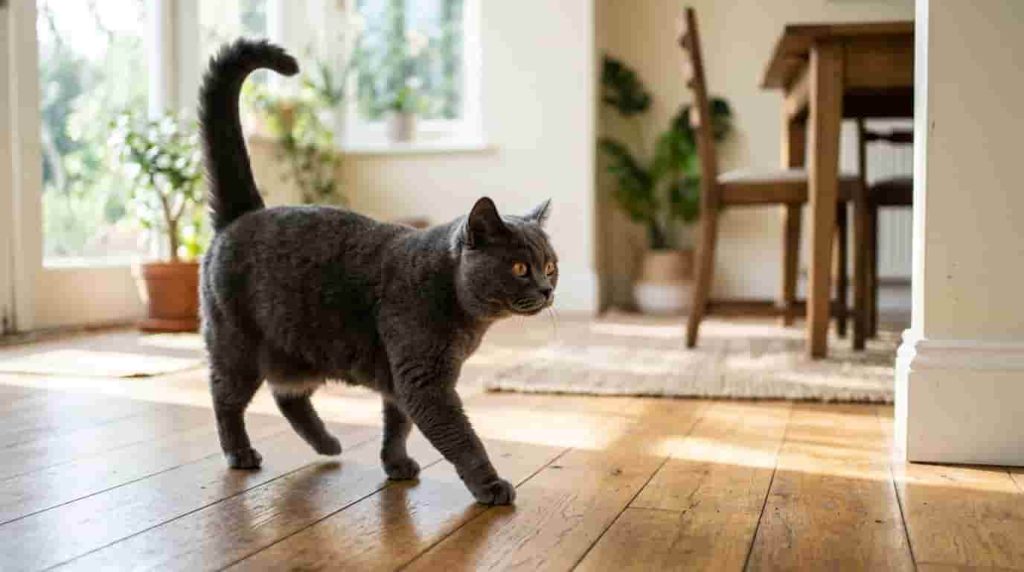
Cat affection hides inside complex vocalizations and tail twitches. While purring usually means happiness, cats also purr when they feel scared. Therefore, you must look at the whole picture before judging their mood. Context matters just as much as the sound itself.
Scientists spend years recording these sounds to map emotional states. When a cat chirps at you, they issue a friendly greeting. As a result, you should answer back with a soft, warm tone.
Enhancing Pet Bonding Every Single Day
Pet bonding improves when you communicate in ways your cat understands. Speak softly and avoid sudden, loud movements around sensitive animals. Furthermore, interactive play helps burn off extra energy before bedtime.
You will notice fewer behavioral issues when your cat plays enough. Therefore, daily playtime supports a healthier, happier household environment for everyone involved.
- Use feather wands to encourage natural hunting instincts.
- Rotate toys weekly to keep your cat mentally stimulated.
- Praise gentle behavior immediately with a small food reward.
Additionally, always maintain a predictable daily feeding schedule.
Cat Sleeping Styles And Vulnerability
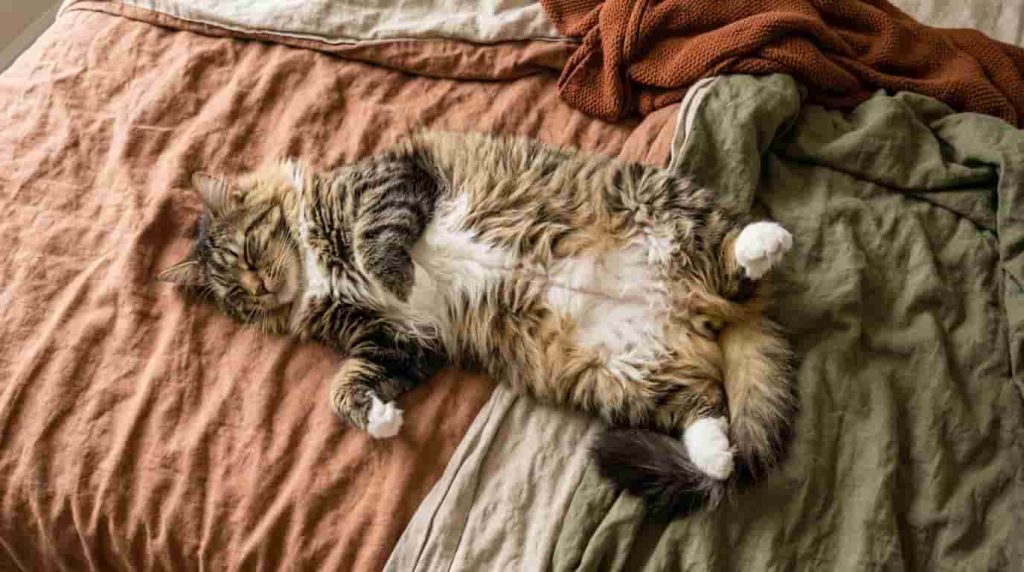
Cat affection peaks when your cat chooses your bed for sleeping. Sleeping leaves a cat completely vulnerable to sudden danger in the wild. Therefore, choosing your lap or pillow proves they trust you totally.
Many owners feel honored when a heavy cat sleeps on their chest. This weight represents a living blanket of pure, unconditional trust. As a result, you share a profound moment of peace together.
Loving Cats Through Daily Observation
Loving cats means learning to read their silent, daily messages. Every blink, purr, and head bump tells a story about your relationship. Furthermore, pets showing affection help lower human stress and anxiety levels.
Science proves that living with pets improves our overall mental health. Therefore, treasuring these small moments benefits both you and your furry companion.
- Observe your cat’s favorite resting spots around the house.
- Notice when your cat seeks out your company proactively.
- Maintain clean litter boxes to keep your cat stress-free.
Additionally, schedule annual veterinary checkups to ensure optimal health.
Cat affection reaches its scientific peak during intentional eye contact. Researchers proved that slow blinks release feel-good hormones in cats. When you blink slowly at your pet, they feel loved and secure. Therefore, this simple trick bridges the communication gap between species.
Many owners test this trick and notice an immediate positive reaction. Your cat will often blink back, confirming the mutual message of love. As a result, you create a private language shared only by you two.
Interacting With Pets Properly
Interacting with pets requires patience, empathy, and careful observation. Never stare directly into a cat’s eyes because they interpret stares as threats. Instead, use soft glances and slow blinks to show friendly intent.
Furthermore, always let your cat approach you first in social settings. This gentle rule prevents unnecessary fear and builds lasting confidence.
- Approach cats slowly with an open, relaxed posture.
- Offer a finger for a gentle nose sniff greeting.
- Wait for them to rub against you before heavy petting.
Additionally, respect their desire for quiet solitude throughout the day.
Cat Unlocking Your Cat’s Heart

Cat affection ultimately remains a wonderful mystery of the animal kingdom. While science explains the mechanics, the emotional bond feels truly magical. You share your home with a creature rich in complex feelings. Therefore, every small gesture deserves our deepest gratitude and attention.
Cat affection continues to teach us patience, observation, and unconditional love. As you learn more about your pet, your friendship grows stronger. We hope this guide helps you decode your cat’s secret messages.
What is the most surprising way your cat shows love to you? Please share your experience or design choice in the comments section below! We love hearing from our community of passionate pet lovers.
Frequently Asked Questions
Cats headbutt you to leave scent markers and show deep affection. This behavior proves they view you as a trusted family member.
Yes, research shows cats form strong emotional attachments to humans. They rely on us for safety, comfort, and daily companionship.
A slow blink acts as a feline smile and sign of trust. It means your cat feels completely safe and relaxed around you.
Kneading is a comforting throwback to kittenhood nursing habits. It shows your cat feels deeply happy, safe, and content with you.
Stressed cats often hide, flatten their ears, or twitch their tails. They may also purr to self-soothe during frightening situations.