Turkish Angora Cat: Price, Personality, Temperament, Colors and Care
Introduction — What Makes the Turkish Angora Cat Special?
Turkish Angora Cat enthusiasts and admirers are instantly captivated by this long-haired feline known for its striking elegance, lively personality, high intelligence, and beautifully flowing coat. Originating from the historical region of Ankara in Turkey, this ancient natural breed has charmed royalty and cat lovers alike for centuries. Beyond its stunning physical beauty, the Turkish Angora possesses a dynamic, affectionate temperament that makes it far more than just a decorative pet.
While many people mistakenly assume that every white long-haired cat belongs to this distinct breed, the true Turkish Angora represents a specific, athletic, and spirited lineage with unique characteristics. Prospective owners typically have many questions regarding its care, true temperament, maintenance, hypoallergenic claims, and expected costs.
This comprehensive guide will explore everything you need to know about the breed, covering:
- Turkish Angora characteristics and history
- Personality, intelligence, and social temperament
- Colors, coat types, and appearance
- Price considerations across different regions
- Care, grooming, and health requirements
- Buying vs. adoption considerations and finding a responsible breeder
What Is a Turkish Angora Cat?
Origin and Breed Background
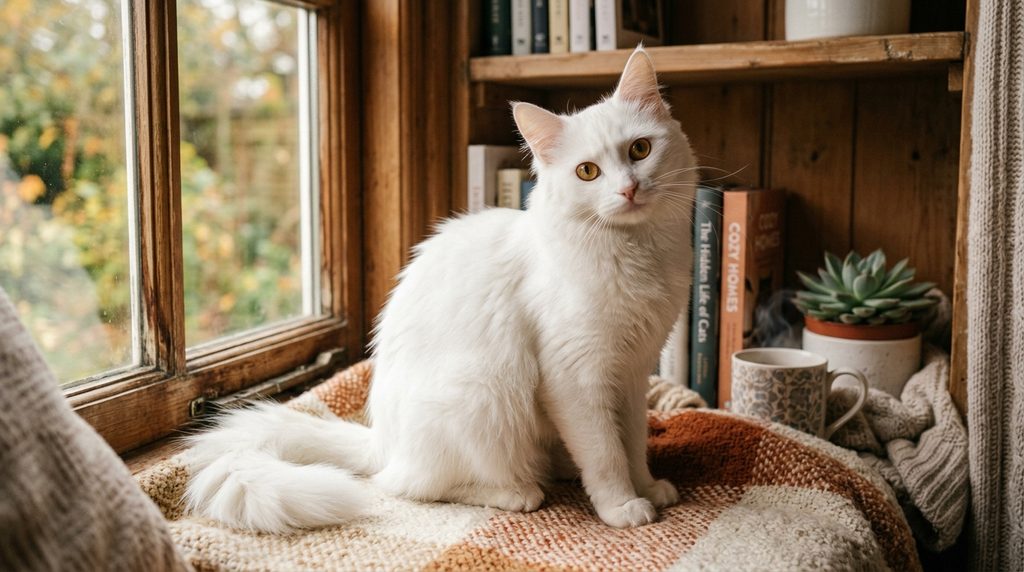
The Turkish Angora is one of the oldest and most naturally evolved cat breeds, tracing its ancestry directly to the rugged mountains of Turkey, where it was historically referred to as the “Ankara cat.” Unlike many modern breeds created through selective human intervention, the Turkish Angora developed its trademark elegance and silky coat largely through natural adaptation to its regional climate. When historical European travelers encountered these graceful long-haired cats in the Middle East during the 16th and 17th centuries, they brought them back to the West, where they became foundational to the development of many other long-haired breeds.
What Makes the Breed Distinctive?
True Turkish Angoras stand apart due to a unique blend of physical and behavioral traits:
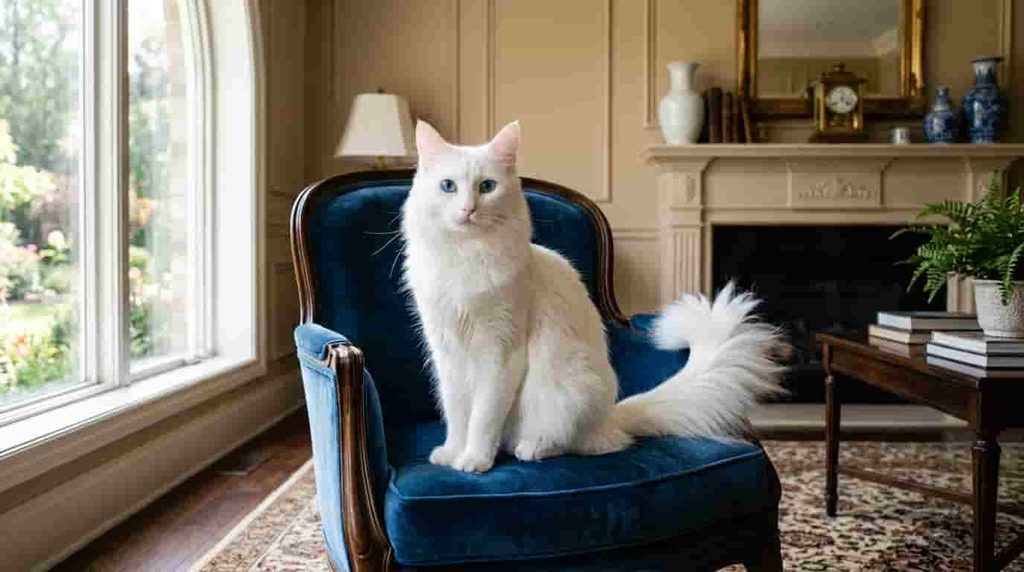
- A fine-boned, elegant, and surprisingly muscular body that feels athletic rather than heavy.
- A long, silky single-layered coat that flows smoothly without heavy undercoat matting.
- Large, alert, tufted ears set wide apart on a gently wedge-shaped head.
- Expressive, almond-shaped eyes that sparkle with high intelligence and curiosity.
- A long, graceful, and heavily plumed tail held high as the cat moves with fluid motion.
Important Clarification
It is a common misconception that any white long-haired domestic cat is automatically a Turkish Angora. While white is the most famous historical color associated with the breed, true Turkish Angoras possess specific structural proportions, head shapes, and energetic temperaments that set them apart from standard domestic long-hairs.
Turkish Angora Appearance, Size and Colors
What Does a Turkish Angora Look Like?
The Turkish Angora is a medium-sized cat featuring a balanced, graceful, and athletic silhouette. Their bodies are long, slender, and firm, supported by slender legs where the hind legs are slightly longer than the front legs. Their paws are small and rounded, often featuring tufts of fur between the toes.
Are Turkish Angoras Always White?
No. While white Turkish Angoras remain iconic and historically famous, the breed is officially recognized in a wide variety of stunning colors and patterns. Registry standards accept almost all coat colors and patterns, including black, blue, red, cream, tortoiseshell, smoke, and various tabby patterns.
Turkish Angora Eye Colors
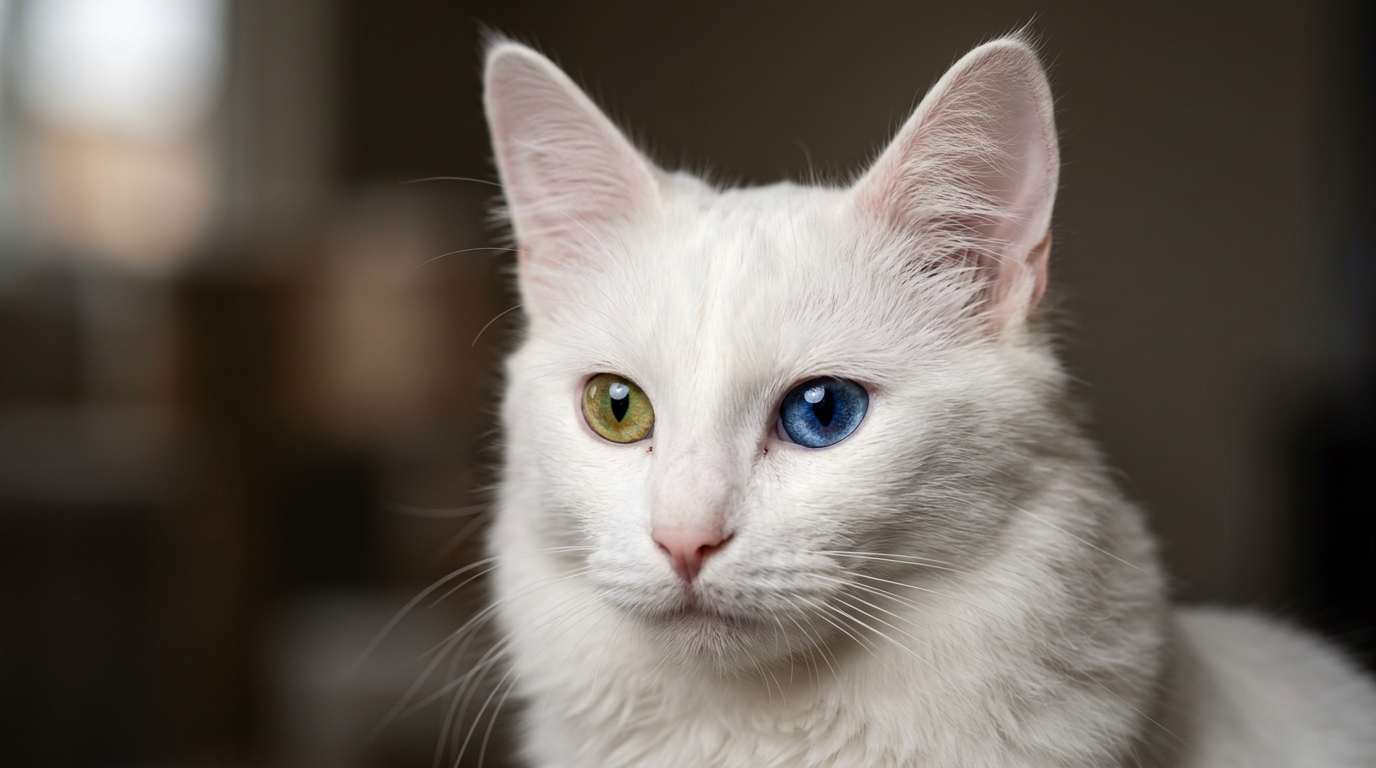
Eye color in Turkish Angoras is exceptionally diverse and striking. They can feature blue, green, amber, gold, or odd-eyes (one blue eye and one amber or green eye). While striking, eye color alone should never be used as the sole indicator of pure breed status.
Black, Orange and Other Turkish Angora Colors
Solid colors like a sleek Turkish Angora Cat black or a vibrant Turkish Angora Cat orange showcase the breed’s striking silhouette just as vividly as the traditional white Turkish Angora. Their single-layered coat catches the light differently depending on pigmentation, highlighting their graceful lines.
Turkish Angora Cat Personality and Temperament
Are Turkish Angoras Affectionate?
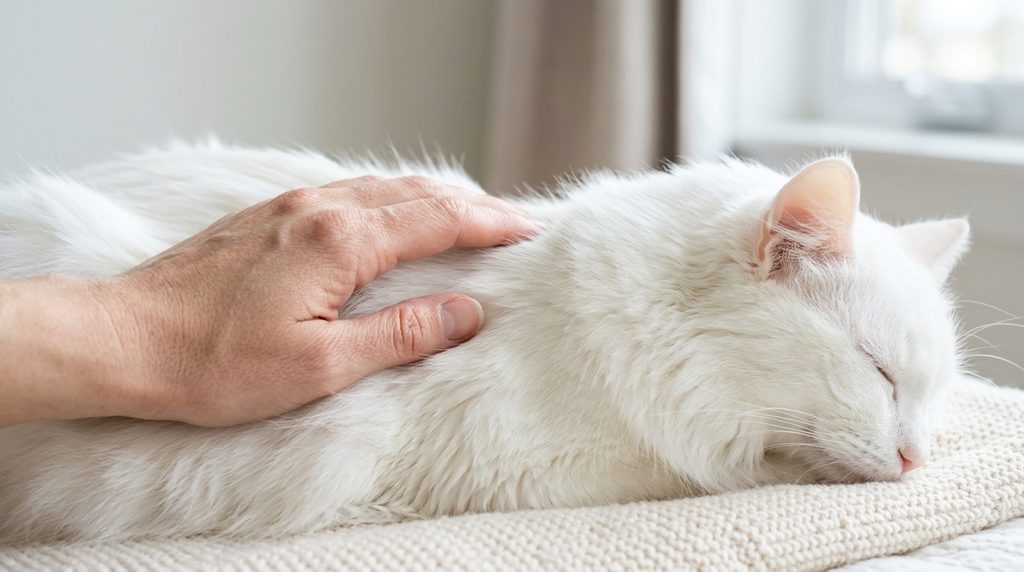
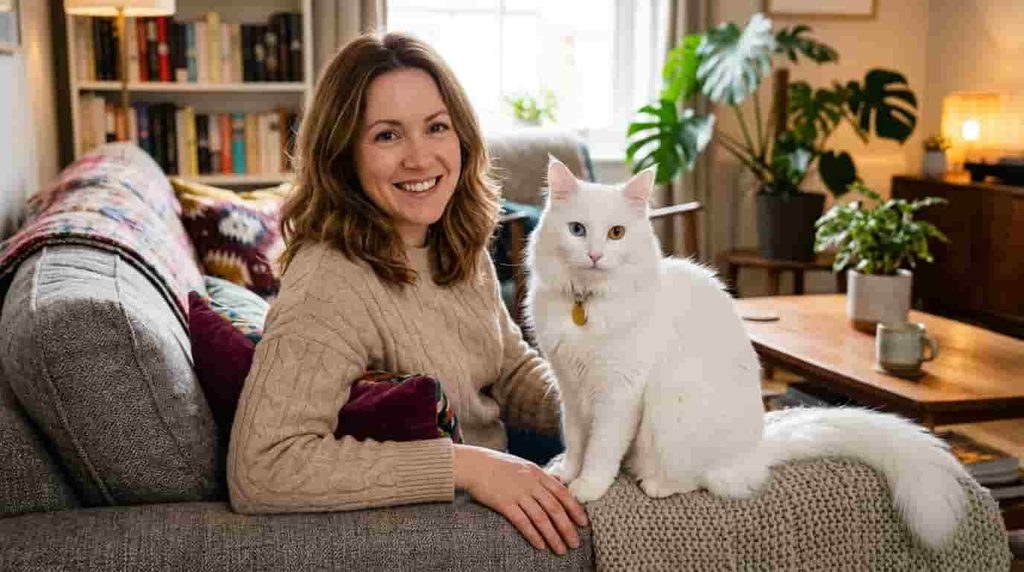
Turkish Angora cat personality traits center heavily around deep bonding, loyalty, and social engagement. They form powerful attachments to their human families, often choosing a favorite person to follow from room to room. While affectionate, they prefer interactive companionship over being treated like passive lap cats.
Are Turkish Angoras Intelligent?
Renowned for their sharp intellect and boundless curiosity, Turkish Angoras easily learn household routines, figure out puzzle toys, open doors, and invent games to keep themselves and their owners entertained.
Are They Vocal or Attention-Seeking?
They possess a soft, musical voice and love to “talk” to their owners. They communicate clearly when they want attention, playtime, or fresh food, thriving in homes where family members engage with them daily.
Do Turkish Angoras Get Along With Families and Other Pets?
Their confident and adaptable nature allows them to integrate smoothly into active households with children and cat-friendly dogs. However, because of their high energy, a Turkish Angora living with a busy family may become bored if it receives food and basic care but little active interaction or mental enrichment.
How Much Does a Turkish Angora Cat Cost?

What Determines the Price?
When exploring the Turkish Angora cat price, prospective owners will find that costs fluctuate based on several vital factors:
- Pedigree documentation and champion bloodlines
- Breeder reputation, ethical breeding practices, and health testing
- Geographic location and local market demand
- Kitten age, vaccination status, and spay/neuter agreements
- Registration papers with recognized feline associations
Turkish Angora Cat Price in Nigeria
Evaluating the price of a Turkish Angora cat in Nigeria involves looking at specialized import expenses, secure airline transport, health certifications, and limited local availability. Because dedicated ethical catteries breeding pure Turkish Angoras are rare locally, purchasing often requires importing from certified international breeders, significantly increasing overall acquisition costs.
International Price Comparisons
Regional variations in countries like India, Pakistan, and Bangladesh similarly reflect import duties, currency exchange rates, specialized veterinary quarantine fees, and transportation logistics rather than just baseline kitten value.
Adoption vs. Buying From a Breeder
While adopting a cat from a shelter is a deeply rewarding experience, finding a verified purebred Turkish Angora through rescue is uncommon. Buyers seeking specific breed characteristics, health guarantees, and verified lineage typically work directly with ethical breeders.
Turkish Angora Cat for Sale: How to Find One Responsibly
Questions to Ask a Breeder
When searching for a Turkish Angora cat for sale near me, ensure you work with a reputable Turkish Angora cattery by asking critical questions:
- Can you provide official registration and pedigree documentation?
- May I visit the cattery and meet the kitten’s parents onsite?
- What veterinary health screenings and vaccinations has the kitten received?
- At what age will the kitten be ready to leave its mother?
- What ongoing support and health guarantees do you offer?
Warning Signs of a Poor Seller
Steer clear of sellers who pressure you into quick online deposits, refuse to let you meet the parents, lack basic medical records, or keep kittens in cramped, unsanitary conditions.
Is the Turkish Angora Cat Hypoallergenic?
Are Turkish Angoras Truly Hypoallergenic?
No cat breed is entirely hypoallergenic. Cat allergies are triggered by proteins—primarily Fel d 1—found in a cat’s saliva, skin oils, and dander, rather than by the length of its fur.
Does the Turkish Angora Shed?
Despite having a fine, silky coat lacking a dense undercoat, Turkish Angoras still shed seasonally. Because their coat is single-layered, however, many owners find grooming easier to manage compared to double-coated breeds.
Practical Steps for Allergy-Sensitive Homes
Allergy sufferers considering a Turkish Angora should spend extended time around the specific cat before adoption, maintain rigorous home cleaning routines, use HEPA air purifiers, and designate pet-free zones like bedrooms.
Turkish Angora Cat Care and Grooming
Grooming a Long-Haired Coat
Grooming a Turkish Angora is relatively straightforward because their silky single coat is less prone to severe matting than heavy double coats. Weekly brushing with a stainless-steel comb or soft slicker brush removes loose hairs and maintains their radiant sheen.
Nutrition and Water
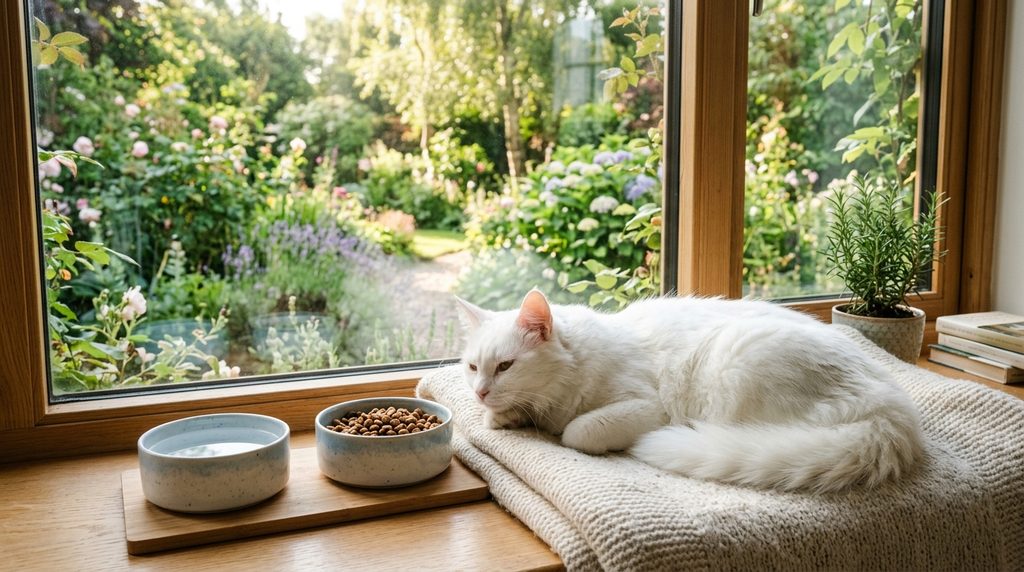
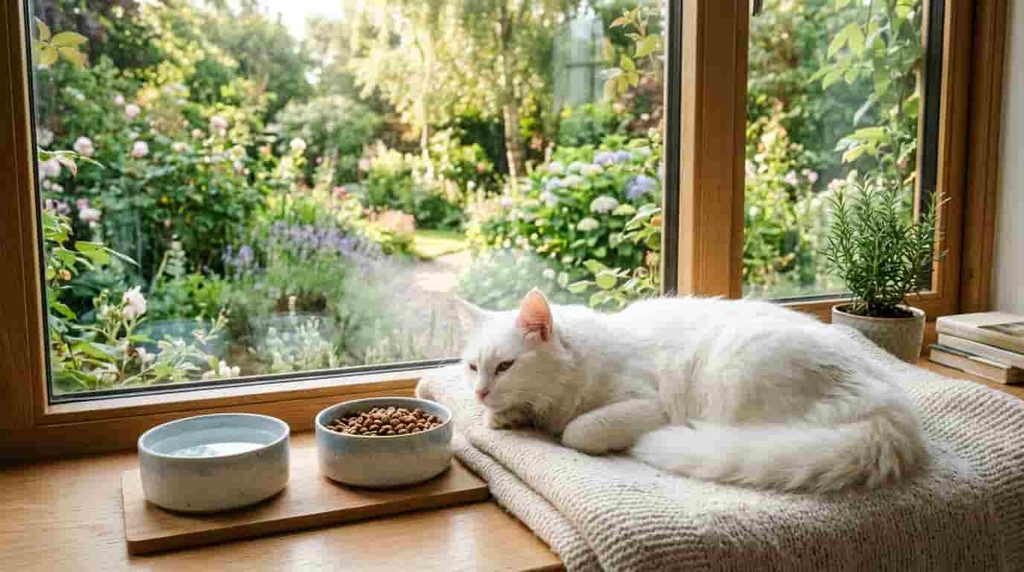
Provide a balanced, high-protein diet tailored to their life stage and activity level, alongside fresh, clean water daily. Proper hydration supports urinary tract health and keeps their silky coat in top condition.
Exercise and Mental Stimulation
Provide climbing trees, interactive wand toys, puzzle feeders, and daily play sessions to satisfy their athletic instincts and keep their sharp minds engaged.
Routine Cat Care
Maintain regular nail trimming, dental hygiene, ear cleaning checks, litter box cleanliness, and routine veterinary wellness exams.
Turkish Angora Health and Lifespan
General Health Considerations
Turkish Angoras are generally a robust, healthy natural breed with a strong genetic foundation. Responsible breeders screen for hereditary conditions to ensure long-term vitality.
White Coat and Hearing Considerations
Historically, white-coated cats with blue eyes sometimes carried a higher incidence of congenital deafness. Ethical breeders selectively manage breeding lines to minimize health risks, and veterinary hearing evaluations can verify an individual kitten’s auditory health.
When Should You Call a Veterinarian?
Contact your veterinarian immediately if you notice sudden lethargy, refusal to eat, labored breathing, persistent digestive upset, or dramatic behavioral shifts.
What Are Turkish Angora Kittens Like?
Kittens are bundles of high-energy curiosity, constantly exploring high perches, chasing toys, and engaging family members. Ensuring they receive proper early socialization and high-quality nutrition sets the foundation for a confident, well-adjusted adult cat.
How Can I Tell If My Cat Is a Turkish Angora?
Look at the Whole Cat
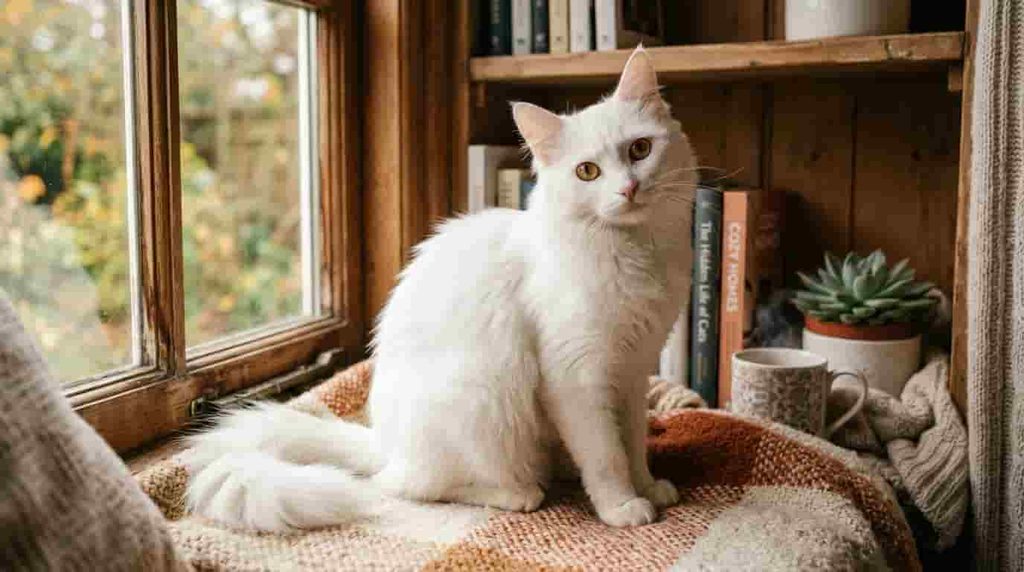
To determine if your cat is a Turkish Angora, evaluate its overall proportions: a slender, muscular body, a wedge-shaped head with large tufted ears, almond-shaped eyes, and a long, plumed tail.
Why Appearance Alone Is Not Enough
Because many domestic long-haired cats share similar visual traits, physical appearance alone cannot confirm purebred lineage without official pedigree papers or genetic documentation from a recognized registry.
Turkish Angora Compared With Other Long-Haired Cats
Turkish Angora vs. Oriental Longhair
When comparing elegance and body type, the Oriental Longhair Cat: Price, Personality, Colors, Lifespan and Breed Guide highlights sleek, wedge-headed profiles, whereas Turkish Angoras feature a slightly more moderate, athletic wedge and a silky single coat.
Turkish Angora vs. Siberian
Contrasting with the heavy-boned, massive triple coat of the Siberian Cat: Price, Personality, Hypoallergenic Traits and What Makes Them Special , the Turkish Angora offers a lighter, silkier, and more slender structure.
Turkish Angora vs. Neva Masquerade
While distinct from the colorpoint markings and robust frame explored in the Neva Masquerade Cat: Price, Personality, Size, Colors and Health, the Turkish Angora is celebrated for its diverse solid and patterned coat variations.
Is a Turkish Angora Cat Right for You?
A Turkish Angora may suit owners who:
- Want an affectionate, highly interactive feline companion.
- Enjoy an active, intelligent cat that participates in household life.
- Have time for regular grooming and interactive play.
Think carefully if you:
- Prefer a quiet, independent lap cat that requires minimal engagement.
- Have little time for daily play and environmental enrichment.
- Are choosing a pet solely based on coat color or appearance.
FAQ: Turkish Angora Cat Questions
1. Are Turkish Angora cats expensive?
Prices vary depending on pedigree documentation, breeder reputation, location, and registration papers.
2. Are Turkish Angora cats hypoallergenic?
No cat is entirely hypoallergenic, and individual allergy responses vary significantly based on personal sensitivity.
3. Are Turkish Angora cats good pets?
Yes, their affectionate, intelligent, and social temperament makes them wonderful companions for active households.
4. Can Turkish Angora cats be black or orange?
Yes, the breed is officially recognized in a wide variety of colors and patterns beyond traditional white.
5. How can I know whether my cat is a real Turkish Angora?
Appearance alone cannot establish pedigree; official registration documents provide the only definitive proof.
Conclusion — Is the Turkish Angora Cat Right for You?
The Turkish Angora Cat combines breathtaking elegance, remarkable intelligence, and deep emotional loyalty into an unforgettable companion. From their silky coats and expressive eyes to their playful, athletic nature, they bring immense joy to homes that match their active lifestyles. Evaluating their care requirements, grooming needs, and personality ensures a harmonious, lifelong relationship. Have you ever lived with a Turkish Angora, or are you considering welcoming one into your home?