Neva Masquerade Cat: Price, Personality, Size, Colors and Health
Introduction — What Is a Neva Masquerade Cat?
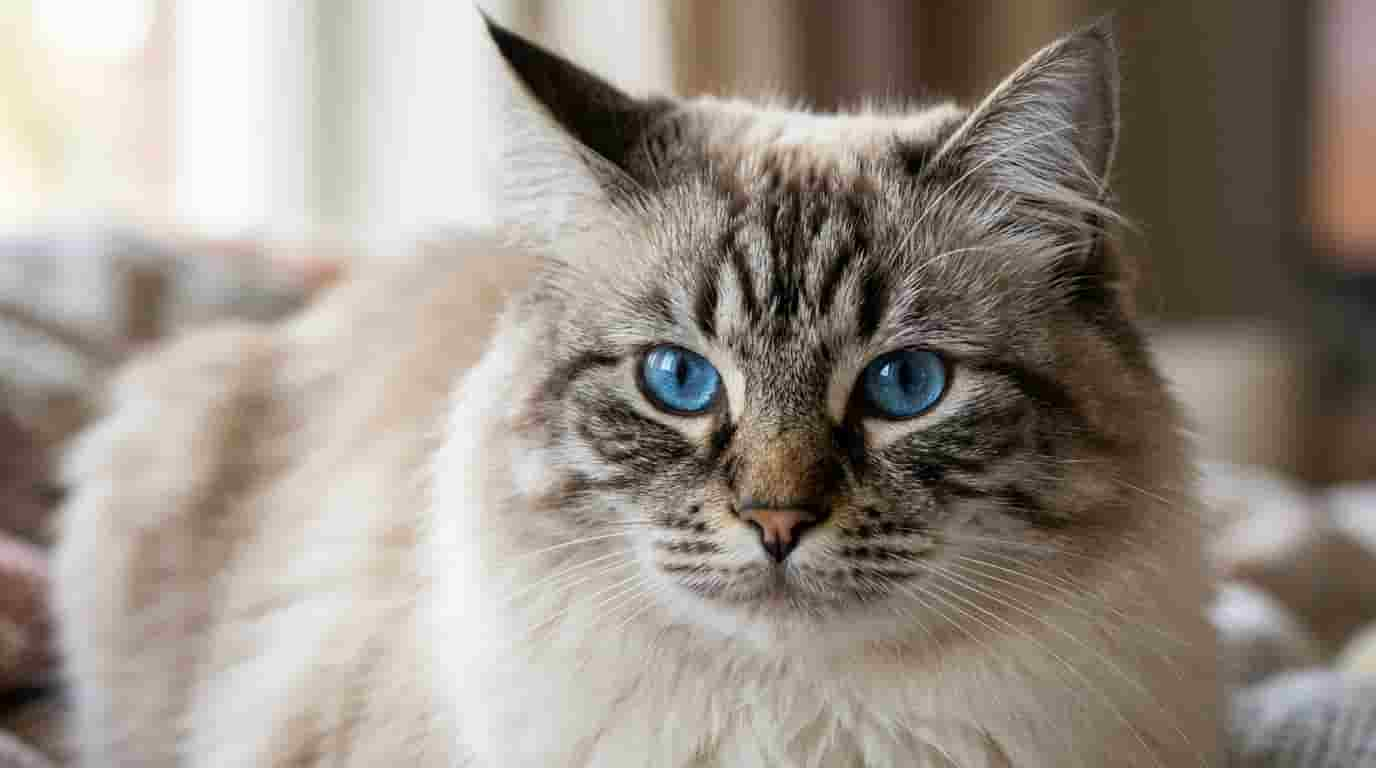
The Neva Masquerade Cat immediately captures attention with its enchanting combination of a luxurious long coat, striking blue eyes, and a distinct colorpoint pattern. As a magnificent feline that bridges the gap between classic elegance and robust natural charm, this cat brings together a stunning appearance and the well-loved traits of the traditional Siberian breed.
When people search for information regarding the Neva Masquerade Cat, they are usually looking to understand several key aspects of its life and care:
- Appearance: Featuring a magnificent long coat, deep blue eyes, and a classic colorpoint pattern with a darker face, ears, legs, and tail.
- Personality: Known for being affectionate, intelligent, and deeply devoted to their human companions.
- Size: A substantial, sturdy, and muscular build that can surprise those used to more delicate breeds.
- Price: Understanding the financial investment required when purchasing from a reputable breeder.
- Allergy Concerns: Investigating whether their coat characteristics make them more suitable for allergy sufferers.
- Health and Lifespan: Learning about their general robustness, expected longevity, and potential medical considerations.
This article provides a comprehensive exploration of everything you need to know about this remarkable cat. Importantly, while they share deep roots with standard Siberians, our focus remains squarely on the unique identity, traits, and care requirements of the Neva Masquerade.
What Is a Neva Masquerade Cat?
Neva Masquerade and the Siberian breed
To truly understand the Neva Masquerade Cat, one must look at its relationship with the broader Siberian cat population. The Siberian is a naturally occurring (“landrace”) cat breed originating from Russia, known for thriving in harsh climates with a dense, triple coat. Within this gene pool, colorpoint variants—cats carrying the Himalayan gene that restricts dark pigmentation to the cooler extremities of the body—appear naturally.
When these colorpoint Siberian cats emerged, they were given the distinct name Neva Masquerade, referencing the Neva River region. Because of this dual heritage, readers will frequently encounter various terms across literature and registries, such as:
- Siberian Neva Masquerade
- Russian Neva Masquerade
- Simply the Neva Masquerade breed
To explore more about their parent line, check out this detailed guide on the Siberian Cat: Price, Personality, Hypoallergenic Traits and What Makes Them Special
Why is it called Neva Masquerade?
The name carries a poetic nod to its geographic origins and appearance. “Neva” refers to the Neva River flowing through St. Petersburg, Russia, where these striking colorpoint cats first gained prominent local recognition and selective appreciation. The term “Masquerade” was inspired by the dark, mask-like pigmentation covering the cat’s face, making them look as though they are perpetually dressed up for a masked ball. While folklore surrounds many ancient cat breeds, this geographic and visual connection remains the most widely accepted explanation for the name, avoiding unverified historical myths.
Is the Neva Masquerade a separate breed?
Classification of the Neva Masquerade varies depending on the specific feline registry or international organization. Some major cat fancier associations classify the Neva Masquerade as a distinct breed or a separate division within the Siberian breed category, while others treat them simply as a color variation of the standard Siberian. This nuance is especially important for readers searching for a “Neva Masquerade cat Siberian,” as breed standards and competition eligibility can differ if you plan to show your cat. Regardless of registry politics, their physical type, heavy coat, and affectionate temperament closely mirror their non-colorpoint Siberian cousins.
Neva Masquerade Cat Appearance and Size
How big does a Neva Masquerade Cat get?
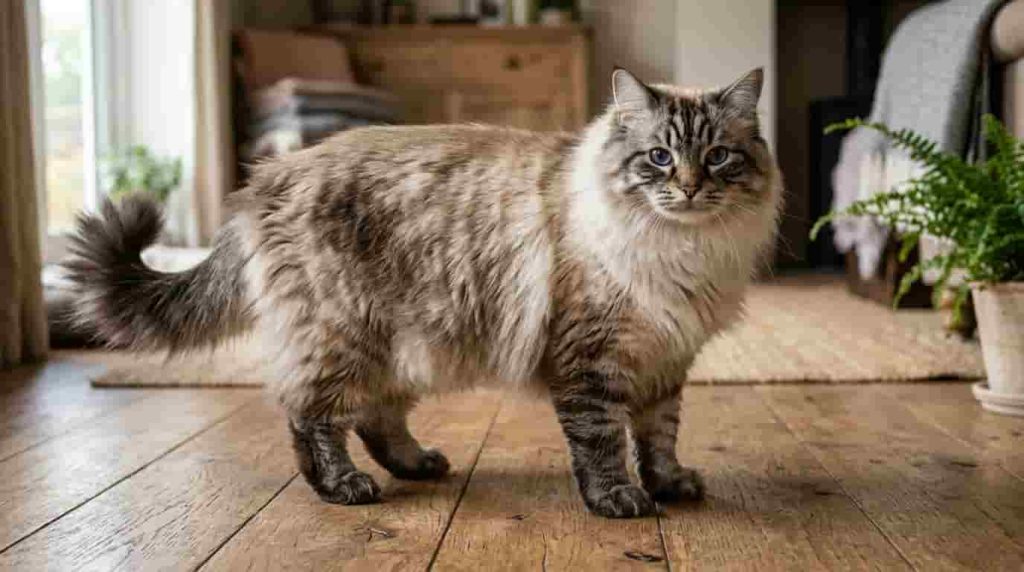
The Neva Masquerade is a substantial, large-bodied feline. Adult males typically weigh between 12 to 20 pounds (approx. 5.5 to 9 kg), while females are somewhat smaller, generally ranging from 8 to 14 pounds (approx. 3.6 to 6.4 kg). They feature a powerful, barrel-like torso, a rounded chest, and heavy-boned legs that give them an athletic, rugged appearance. Like many large forest cat breeds, Neva Masquerades mature very slowly, often taking up to three to five years to reach their full physical size and coat maturity.
Coat and body characteristics
Beyond their weight, their anatomy screams power and adaptability. Key physical attributes include:
- A dense, semi-long to long triple coat designed to repel water and withstand bitter cold.
- A prominent neck ruff that frames the face like a luxurious collar.
- A full, bushy tail that balances their heavy frame.
- Large, rounded paws often featuring tufts of fur between the toes to help navigate deep snow in their native environment.
- A solid, rectangular body structure with a slightly arched back.
When comparing long-haired feline coat styles and body types across different graceful breeds, enthusiasts often look at options like the Oriental Longhair Cat: Price, Personality, Colors, Lifespan and Breed Guide to understand variations in coat maintenance and elegance.
Blue eyes and colorpoint markings
One of the most breathtaking features of the Neva Masquerade is its intense blue eyes, which range from pale sky blue to deep sapphire. Coupled with the colorpoint pattern—where the body is lighter in tone and the face, ears, legs, and tail feature rich, darker pigmentation—they present a striking contrast.
Quick Appearance Checklist:
- Long coat: Dense, water-resistant, and plush.
- Blue eyes: Ranging from light blue to deep sapphire.
- Colorpoint pattern: Darker mask, ears, legs, and tail.
- Large, sturdy body: Heavy-boned and muscular.
- Full tail: Plumed and well-balanced.
- Distinctive facial markings: Highlighting an expressive, alert gaze.
Neva Masquerade Cat Colors and Patterns
What colors can Neva Masquerade cats have?
Recognized color possibilities for the Neva Masquerade follow standard colorpoint genetics, tied closely to approved breed standards. Common point colors include:
- Seal point: Dark brown to black points against a fawn or cream body.
- Blue point: Slate grey or blue-grey points against a cooler white or platinum body.
- Red point: Rich orange-red or apricot points.
- Cream point: Delicate, pale buff or cream points.
- Tabby/lynx point variations: Distinct striping overlaid on any of the point colors (e.g., seal lynx point, blue lynx point).
- Tortie point variations: Mottled patches of red or cream breaking up the dark points, commonly seen in females.
Colors are never bred or evaluated purely for superficial keyword coverage; rather, they reflect established genetic combinations recognized by major feline authorities.
Why does the coat change with age and temperature?
The colorpoint pattern is governed by a form of temperature-sensitive albinism. An enzyme responsible for pigment production (tyrosinase) is heat-sensitive; it becomes inactive at normal internal body temperatures, but activates in the cooler extremities of the body—such as the ears, face, paws, and tail.
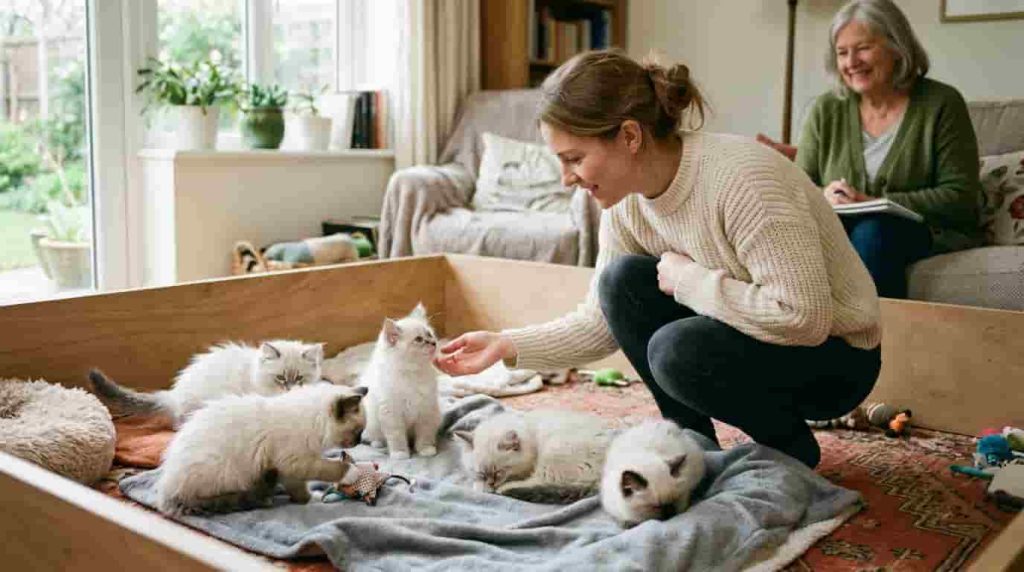
Because kittens develop inside a warm womb, Neva Masquerade kittens are born almost entirely white or cream. As they grow and venture into cooler ambient room temperatures, their extremities darken progressively. Furthermore, older cats or cats living in colder climates may experience overall body darkening as their core temperature drops slightly during winter months.
Do Neva Masquerade kittens look different from adults?
Yes, dramatically so. A newborn Neva Masquerade kitten gives little immediate visual clue to its adult coloration, appearing ghost-white or pale beige. It takes several weeks or even months for the points to become clearly defined, and the final contrast between body color and point pigmentation continues to mature well into their second year of life.
Neva Masquerade Cat Personality and Temperament
What is the temperament of a Neva Masquerade cat?
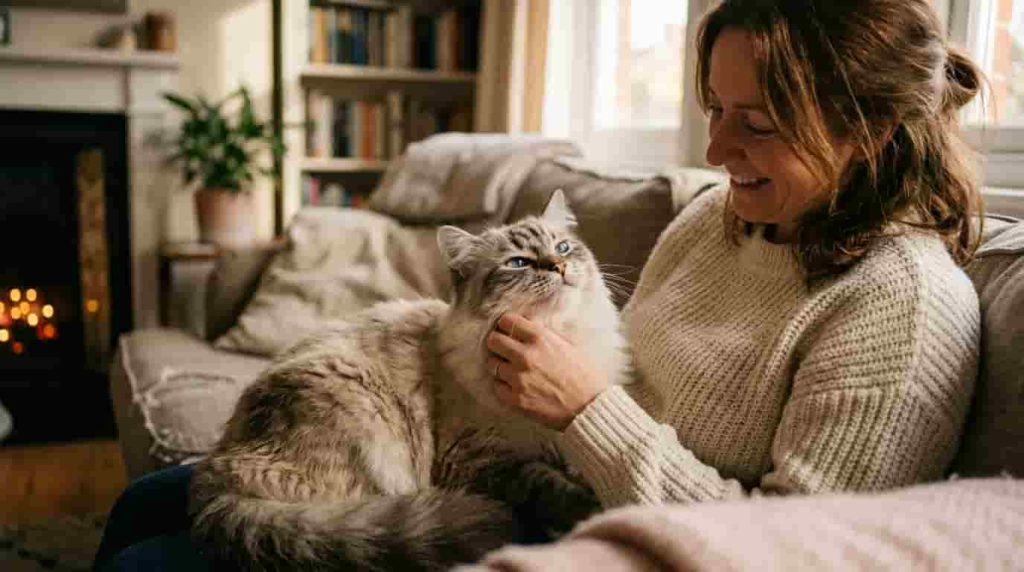
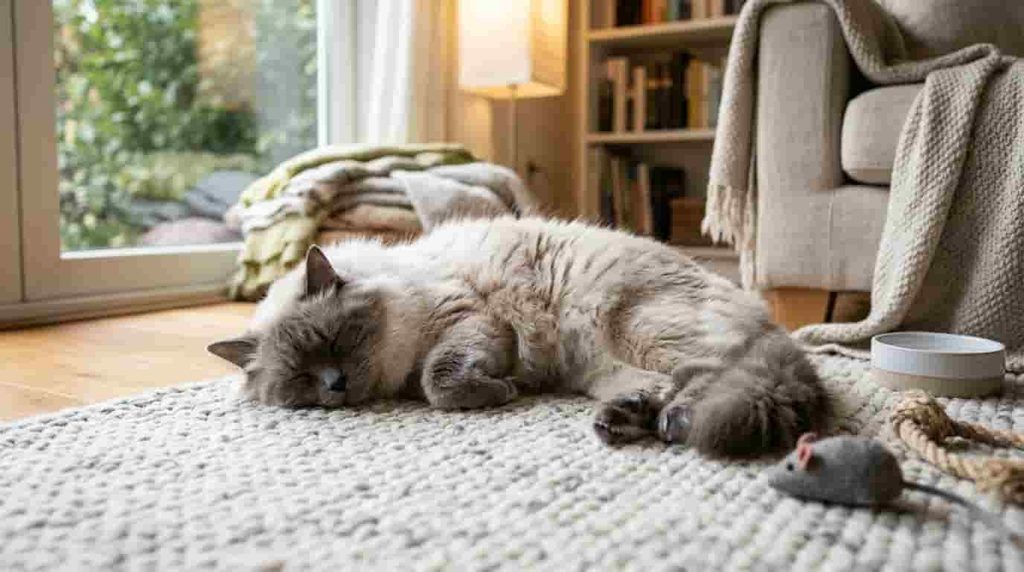
The temperament of a Neva Masquerade cat is widely celebrated for being exceptionally well-balanced, affectionate, and engaging. They are known to form deep, loyal bonds with their human families, often acting more like dogs in their desire to follow owners from room to room, greet them at the door, and participate in household activities. While they love attention, they are rarely overly demanding or high-strung; instead, they possess a calm, confident demeanor. Of course, individual personalities vary from cat to cat based on socialization and early life experiences.
Are Neva Masquerade cats good family cats?
Due to their gentle and patient nature, Neva Masquerades integrate wonderfully into diverse households. They typically do very well with:
- Families with children, provided kids are taught to handle pets respectfully.
- Multi-pet households, as they often coexist peacefully with other cat-friendly pets and dogs.
- Single adults or seniors looking for an affectionate, steady companion.
Proper, gradual introductions are always essential when introducing a new cat to existing pets or young children.
Are Neva Masquerade cats vocal?
While they do communicate with their humans, they are generally not considered an excessively loud or obnoxious breed. They use soft chirps, trills, and gentle meows to express their desires—such as requesting dinner or drawing attention to a favorite toy—rather than constant, disruptive vocalizing.
Are they intelligent?
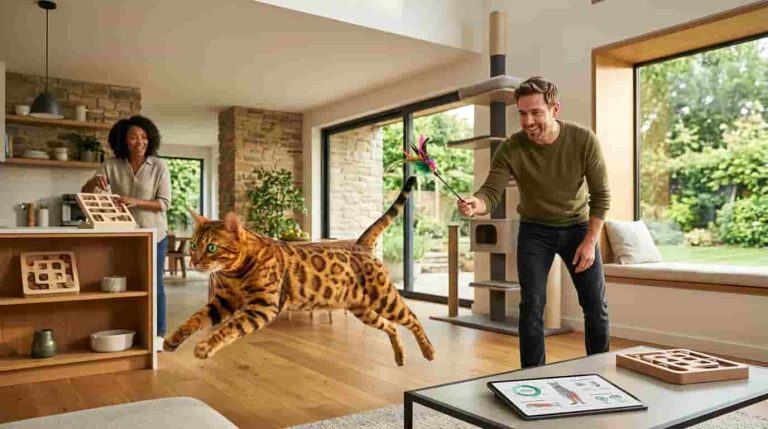
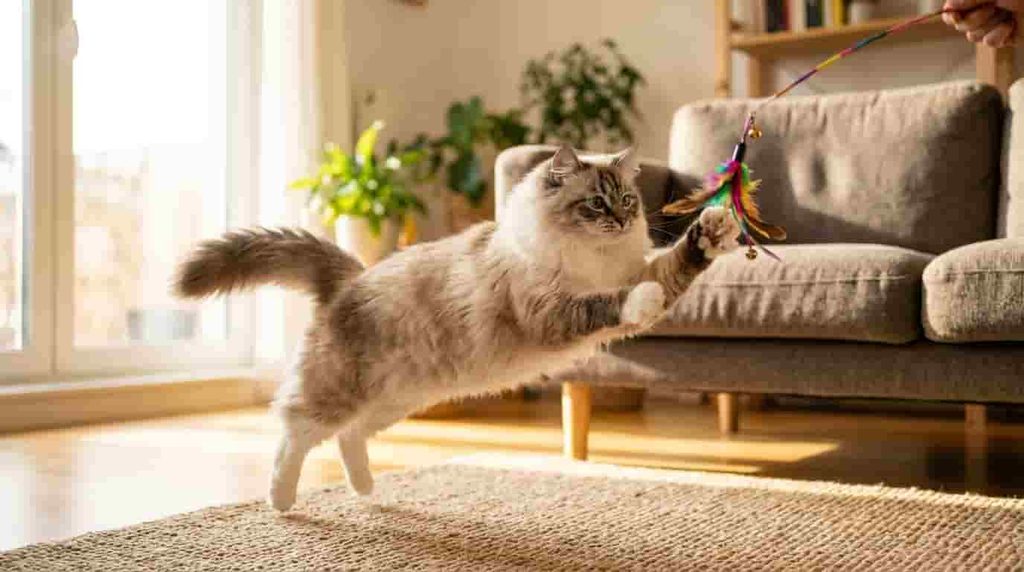
Connecting directly with the traits of an intelligent cat breed, the Neva Masquerade possesses sharp problem-solving capabilities. They enjoy interactive play, easily learn household routines, and can master tricks like fetching small objects or opening lever-style doors. Providing puzzle feeders and interactive toys is an excellent way to keep their active minds stimulated.
Neva Masquerade Cat Price and Cost
How much does a Neva Masquerade cat cost?
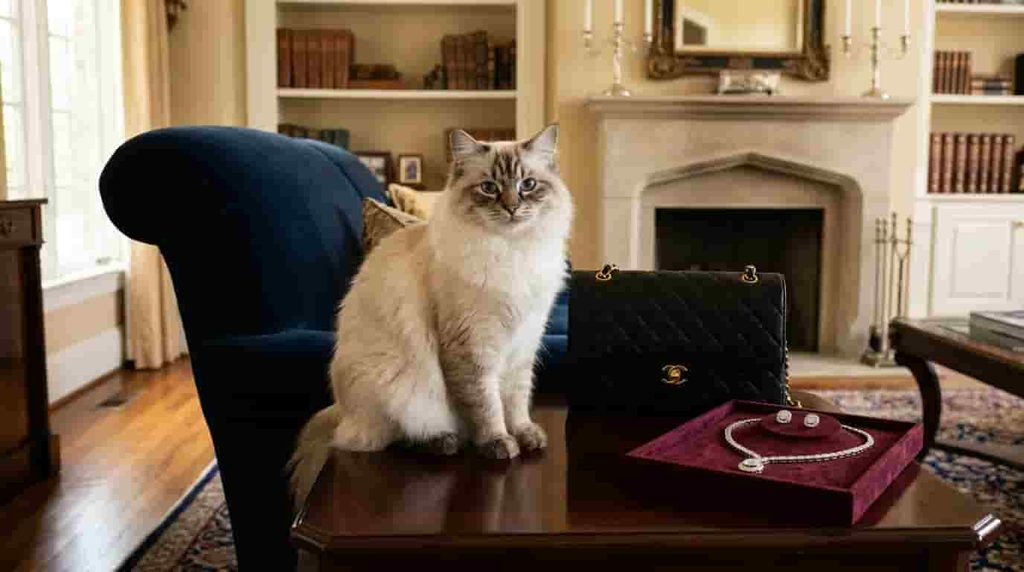
When researching the Neva Masquerade cat price, prospective owners will find that costs vary significantly depending on several variables. Generally, a pet-quality Neva Masquerade kitten from a reputable breeder can range anywhere from $1,000 to $2,500 USD (or equivalent local currencies), while breeding or show-quality specimens with exceptional champion lineages may command even higher prices.
What affects the price?
Several key factors influence the final cost of a kitten:
- Geographic Location: Availability and local cost of living in countries where specialized breeding programs are rare.
- Breeder Reputation: Ethical breeders invest heavily in health screenings, premium nutrition, and proper veterinary care.
- Pedigree and Registration: Official papers from recognized associations establishing lineage.
- Health Screening: Genetic testing of parents for hereditary conditions.
- Age and Altering Status: Kittens sold spayed/neutered with microchips and initial vaccinations.
What other costs should owners budget for?
Initial purchase price is only part of the equation. Ongoing and setup costs include:
- Premium cat food and fresh water fountains.
- High-quality grooming tools (metal combs, slicker brushes).
- Litter boxes, litter, and scratching posts.
- Routine veterinary care, annual wellness exams, and booster vaccinations.
- Parasite prevention (fleas, ticks, worms).
- Pet insurance policies to safeguard against unexpected medical emergencies.
What about adoption?
Because Neva Masquerade cats are a specialized, relatively uncommon breed, finding one through traditional animal shelters or breed-specific rescues can be challenging. However, retired breeding cats or adults needing rehoming occasionally appear through specialized breed rescue networks, offering an alternative to purchasing a kitten.
Are Neva Masquerade Cats Rare?
When asking, “Are Neva Masquerade cats rare?”, the answer depends heavily on your geographic location. In parts of Europe and Russia, where Siberian variants have been established for decades, they are relatively well-known and accessible. However, in other regions, finding a dedicated Neva Masquerade breeder can require patience, travel, or joining a waiting list. Because they require specific breeding practices to maintain both the colorpoint gene and the authentic Siberian type, they are less commonly encountered than standard domestic cats or more widespread purebreds, though this rarity should be viewed as a reflection of specialized breeding rather than a marketing gimmick.
Is the Neva Masquerade Cat Hypoallergenic?
Are Neva Masquerade cats hypoallergenic?
A clear answer must be stated upfront: no cat is completely 100% hypoallergenic. Cat allergies are rarely triggered by fur length itself, but rather by proteins—most notably Fel d 1—found in the cat’s saliva, sebaceous glands, and dander, which are spread onto the fur during grooming.
Why do people consider Siberian cats more allergy-friendly?
Anecdotal reports and some preliminary biochemical observations suggest that certain Siberian cats (including Neva Masquerades) may produce lower baseline levels of the Fel d 1 protein compared to many other cat breeds. Consequently, individuals with mild-to-moderate cat allergies sometimes report experiencing fewer symptoms around Siberians. However, scientific evidence cannot guarantee universal suitability, and individual allergic reactions vary wildly from person to person.
How can allergy sufferers reduce exposure?
If you suffer from allergies but are considering a Neva Masquerade, take practical precautions:
- Spend extended time in direct contact with the specific cat or breeder before committing.
- Maintain strict cleaning routines, including washing bedding and vacuuming frequently with HEPA filtration.
- Designate certain areas (like the bedroom) as cat-free zones if symptoms flare up.
- Wash your hands thoroughly after petting or grooming your cat.
- Consult an allergist or healthcare professional to evaluate your personal sensitivity levels.
Neva Masquerade Cat Health and Lifespan
Are Neva Masquerade cats healthy?
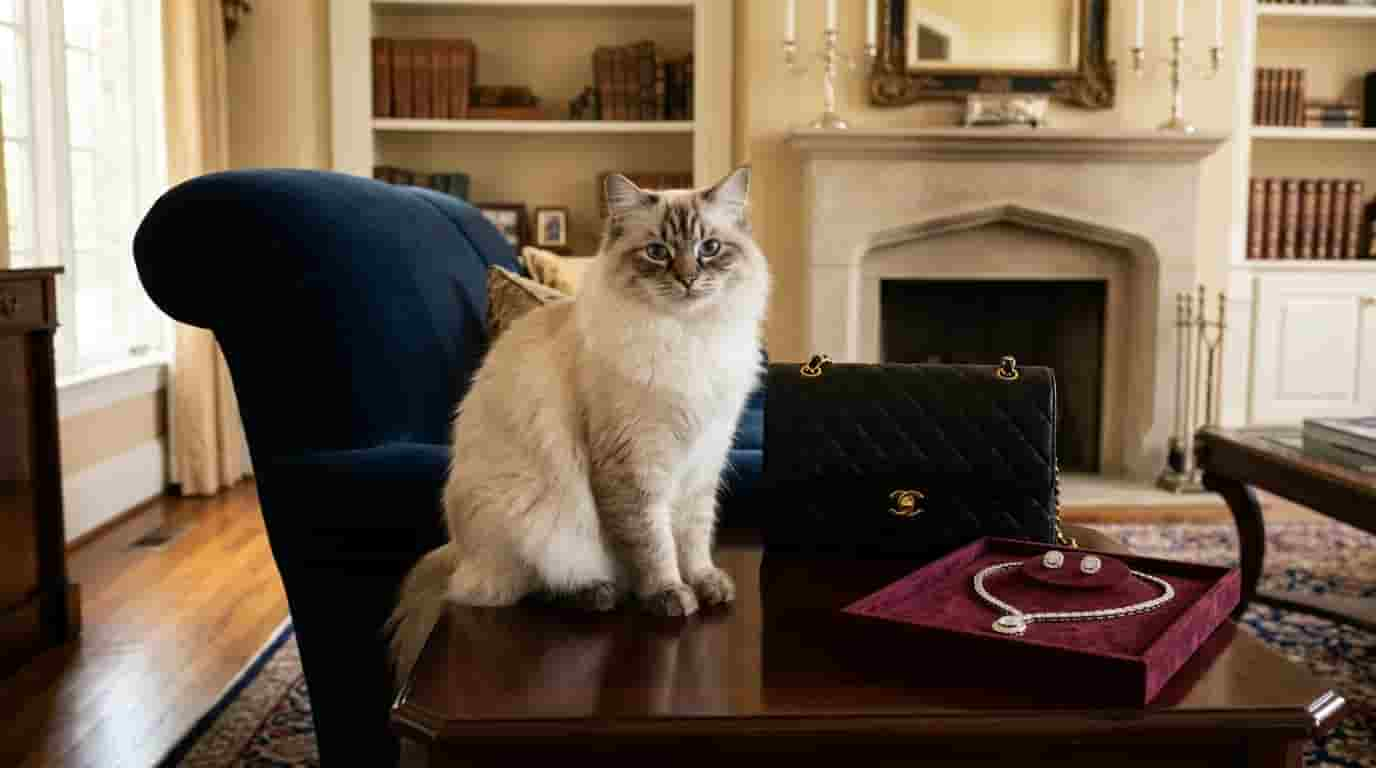
Generally speaking, the Neva Masquerade is a robust, hardy natural breed. Because they evolved in harsh Siberian climates, they lack many of the exaggerated physical traits that plague heavily manipulated flat-faced or ultra-short breeds. However, maintaining good health relies heavily on responsible breeding practices, proper nutrition, weight management, and consistent veterinary care.
How long does a Neva Masquerade cat live?
With excellent care, proper nutrition, and indoor living, a healthy Neva Masquerade cat typically enjoys a lifespan of 12 to 15 years (and sometimes upwards of 15–18 years). Lifespan is heavily influenced by genetics, early preventative care, diet, and minimizing environmental stress.
Health issues owners should know about
While generally healthy, responsible owners should remain vigilant regarding certain conditions that can occasionally affect large forest cats:
- Hypertrophic Cardiomyopathy (HCM): A common form of feline heart disease. Ethical breeders screen parent cats via echocardiograms.
- Polycystic Kidney Disease (PKD): A genetic disorder causing cyst formation in the kidneys; screening tests are available.
- Hip Dysplasia: Though less common than in dogs, heavy-boned cats can experience malformation of the hip joint. Regular weight management helps mitigate this risk.
Choosing a responsible breeder
Always source your kitten from a transparent breeder who provides comprehensive health records, veterinary examinations, genetic screening test results for parents, and proof of proper kitten socialization. Avoid backyard breeders or online sellers who cannot verify parental health backgrounds.
Neva Masquerade Cat Grooming and Care
How much grooming does a Neva Masquerade need?
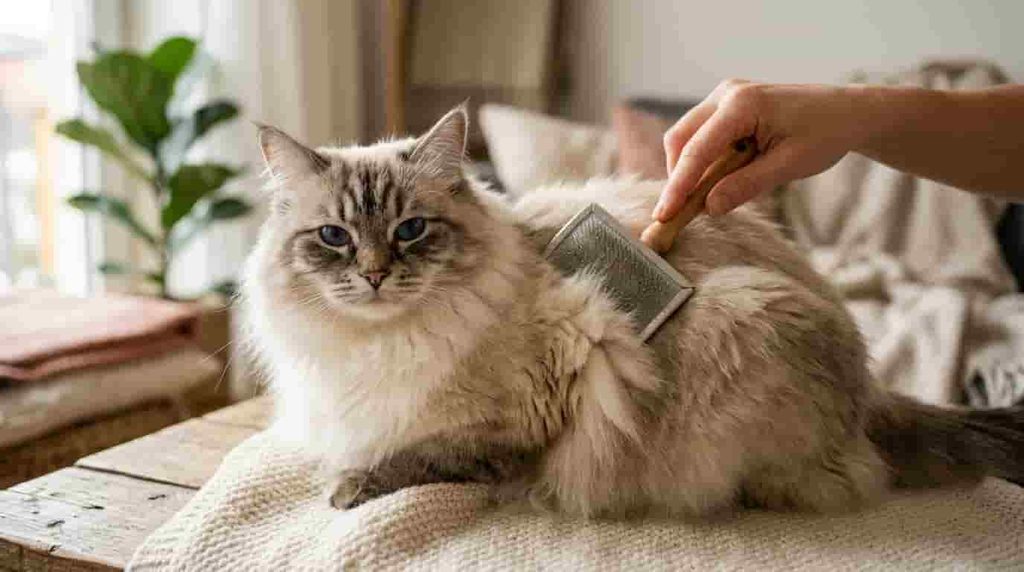
Despite their luxurious, long plush coats, Neva Masquerade cats are surprisingly manageable because their coat texture is heavy and resilient rather than prone to cottony matting. However, regular maintenance is still required:
- Brushing: Aim for thorough brushing 2 to 3 times a week using a metal greyhound comb and slicker brush to remove loose undercoat hairs.
- Seasonal Shedding: During spring and autumn coat blowouts, daily brushing becomes necessary to prevent hairballs and painful mats.
- Target Areas: Pay extra attention to areas prone to friction and tangling, such as behind the ears, the armpits, and the thick ruff around the neck.
Bathing and coat care
Routine bathing is generally unnecessary for a healthy indoor cat, as they maintain their own coat hygiene meticulously. However, an occasional bath with a specialized cat-safe shampoo can be helpful during heavy shedding seasons or before cat shows. Professional grooming is rarely required if owners maintain a steady home brushing routine.
Other routine care
Keep your cat in peak condition by incorporating these maintenance habits:
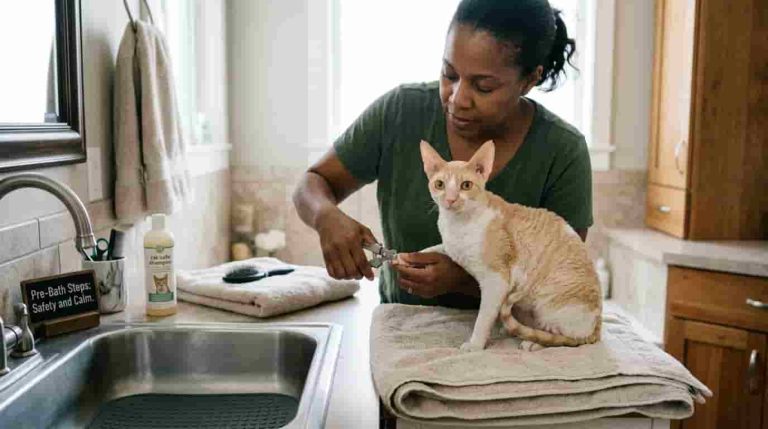
- Nail Trimming: Clip sharp tips every 2 to 3 weeks.
- Dental Care: Brush teeth regularly or provide dental treats to prevent plaque buildup.
- Ear Checks: Inspect ears weekly for wax accumulation or signs of irritation.
- Parasite Prevention: Keep up with veterinarian-recommended flea and tick prevention protocols.
Neva Masquerade Cat vs. Ragdoll
Many prospective owners weigh the Neva Masquerade against other large, blue-eyed colorpoint breeds like the Ragdoll, or even evaluate traits shared with other distinct long-haired lineages found in profiles such as the Turkish Angora Cat: Price, Personality, Temperament, Colors and Care . Both the Neva Masquerade and Ragdoll are affectionate and stunning, yet they possess distinct origins and traits.
| Feature | Neva Masquerade | Ragdoll |
| Breed Background | Siberian / natural forest cat colorpoint variety | Purpose-bred domestic cat developed in the 1960s |
| Coat | Long/semi-long, dense, water-resistant triple coat | Semi-long, plush, single-to-moderate undercoat (less water-resistant) |
| Eyes | Blue (ranging from pale to deep sapphire) | Striking blue eyes |
| Colorpoint pattern | Yes (distinct darker points) | Yes (pointed, bicolor, or mitted patterns) |
| Body type | Strong, substantial, heavy-boned, rectangular | Large, substantial, heavy, but softer muscle tone |
| Temperament | Social, active, intelligent, and dog-like | Generally gentle, relaxed, and famously limp when held (“ragdoll” effect) |
| Grooming | Regular brushing (especially during shedding) | Regular brushing (silky coat is somewhat less prone to heavy matting) |
| Key distinction | Natural Siberian heritage and weather-resistant coat | Distinct Ragdoll breed characteristics and docile flop |
In everyday behavior, the Neva Masquerade tends to be slightly more athletic and agile compared to the famously relaxed Ragdoll, while both excel as loving, people-oriented family pets.
Is a Neva Masquerade Cat Right for You?
A Neva Masquerade may suit you if…
- You want an affectionate, deeply social companion that greets you at the door.
- You enjoy interactive, intelligent cats that can learn games and routines.
- You have the time and willingness to maintain a long, plush coat through regular brushing.
- You adore larger, substantial cats with a powerful, wild-adjacent look.
- You are captivated by striking blue eyes and rich colorpoint markings.
- You can comfortably budget for responsible ownership, premium nutrition, and veterinary care.
Consider another option if…
- You cannot commit to regular grooming sessions and hate dealing with cat hair.
- You require a guaranteed 100% hypoallergenic pet due to severe allergies.
- You prefer a completely independent, low-maintenance cat that requires minimal attention.
- You are financially unprepared for the higher purchase costs and ongoing veterinary expenses associated with large purebred cats.
How to Find a Neva Masquerade Cat
Finding a reputable breeder
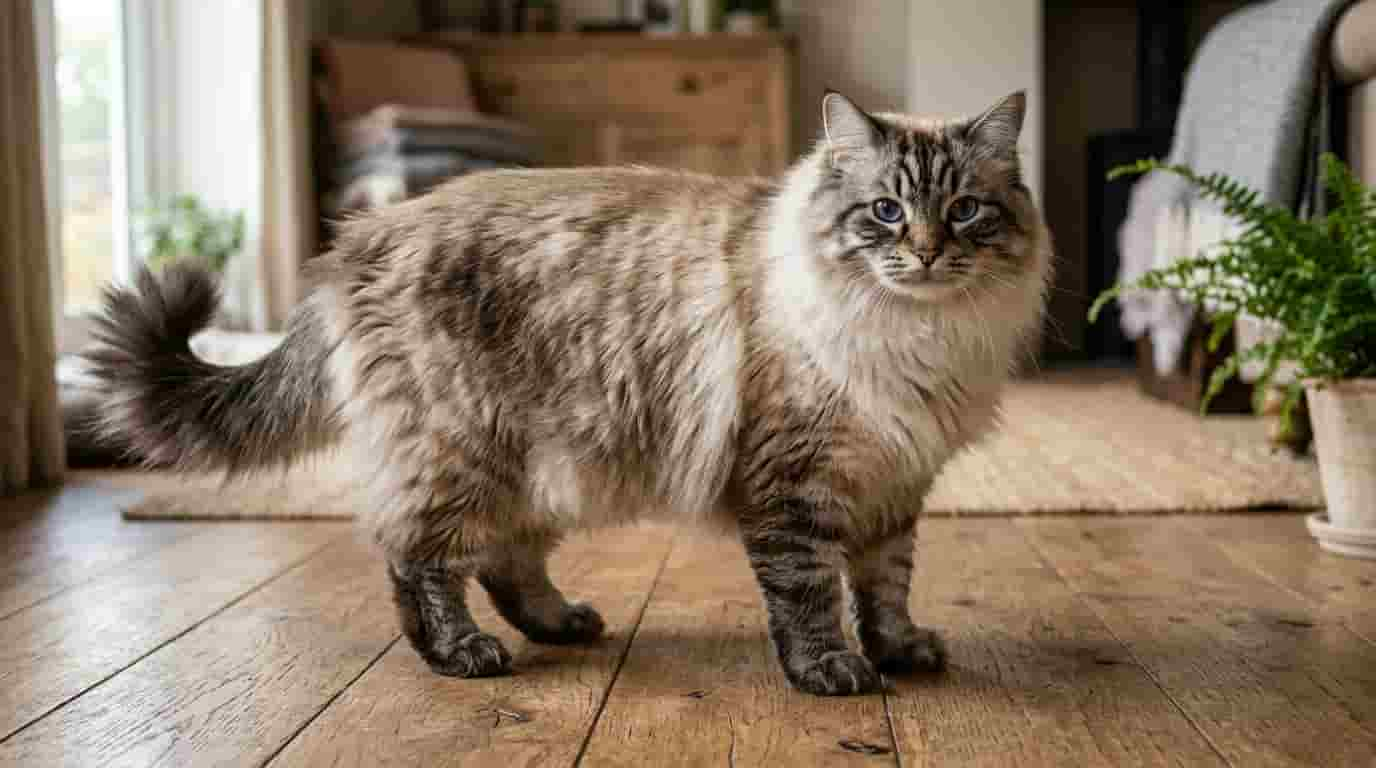
Securing a healthy kitten begins with targeting dedicated, ethical breeders. Look for professionals who are registered with recognized feline associations, maintain clean and open catteries, and prioritize health testing over high-volume sales. A reputable breeder will always welcome your questions, allow you to view the kitten’s living environment, and provide complete documentation.
Questions to ask before buying
- What health testing has been performed on the parent cats (e.g., HCM, PKD)?
- Can I review the kitten’s veterinary records and vaccination history?
- Am I allowed to meet the mother (and father, if available onsite)?
- How are the kittens socialized with humans and household noises prior to adoption?
- What vaccinations, deworming, and parasite treatments have already been administered?
- What type of health guarantee or contract comes with the adoption?
- What ongoing support does the breeder provide after I take the kitten home?
What about a Neva Masquerade cat for sale?
When searching online listings for a “Neva Masquerade cat for sale,” always exercise caution. Verify that the seller is an ethical breeder rather than an irresponsible broker or scammer. Prioritize transparency, health screening, and personal interaction over bargain pricing.
Frequently Asked Questions About the Neva Masquerade Cat
FAQ 1: Are Neva Masquerade cats rare?
Availability varies significantly by region. While well-established in parts of Europe and Russia, they can be harder to find elsewhere due to specialized breeding requirements.
FAQ 2: How much does a Neva Masquerade cat cost?
Prices vary widely based on geographic location, breeder reputation, pedigree lines, and whether the cat is intended for companionship or breeding. Expect to invest $1,000 to $2,500+ USD for a well-bred kitten.
FAQ 3: What is the temperament of a Neva Masquerade cat?
They are affectionate, intelligent, playful, and deeply loyal. While individual personalities vary, they generally enjoy close human companionship and adapt well to family life.
FAQ 4: Are Neva Masquerade cats healthy?
Yes, they are generally a robust, hardy natural breed. Responsible breeding practices, proper nutrition, and routine veterinary care are essential to ensuring a long, healthy life.
FAQ 5: Are Neva Masquerade cats hypoallergenic?
No cat is completely allergen-free. While some people with mild allergies report fewer symptoms around Siberians and their colorpoint variants due to potentially lower Fel d 1 protein levels, individual reactions vary.
Conclusion — Is the Neva Masquerade Cat a Good Companion?
The Neva Masquerade Cat offers an extraordinary blend of striking visual beauty and wonderful companionship. With its magnificent long coat, deep blue eyes, and enchanting colorpoint markings, it stands out as a true treasure of the cat world. Backed by a sturdy physical structure, high intelligence, and a deeply affectionate, dog-like personality, this breed fits wonderfully into the lives of dedicated cat lovers.
Whether you are charmed by their unique Siberian heritage, captivated by their gorgeous appearance, or drawn to their loyal temperament, responsible ownership is key to a rewarding experience. Have you ever lived with a Neva Masquerade cat, or are you currently considering welcoming one into your home? Share your thoughts and experiences below!