Siberian Cat: Price, Personality, Hypoallergenic Traits and What Makes Them Special
Introduction — What Makes the Siberian Cat Special?
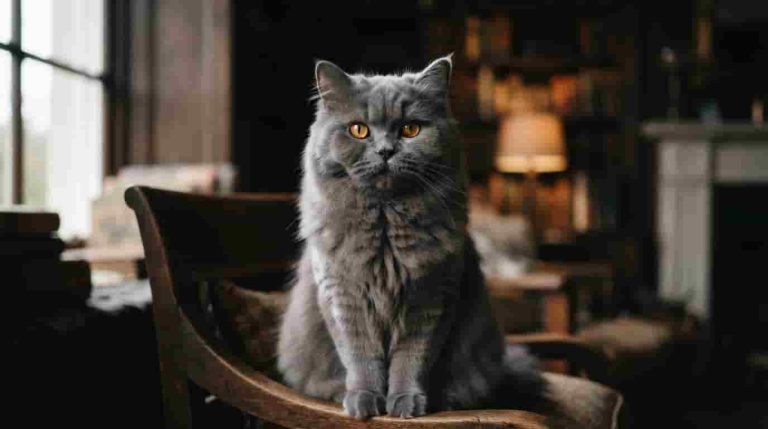
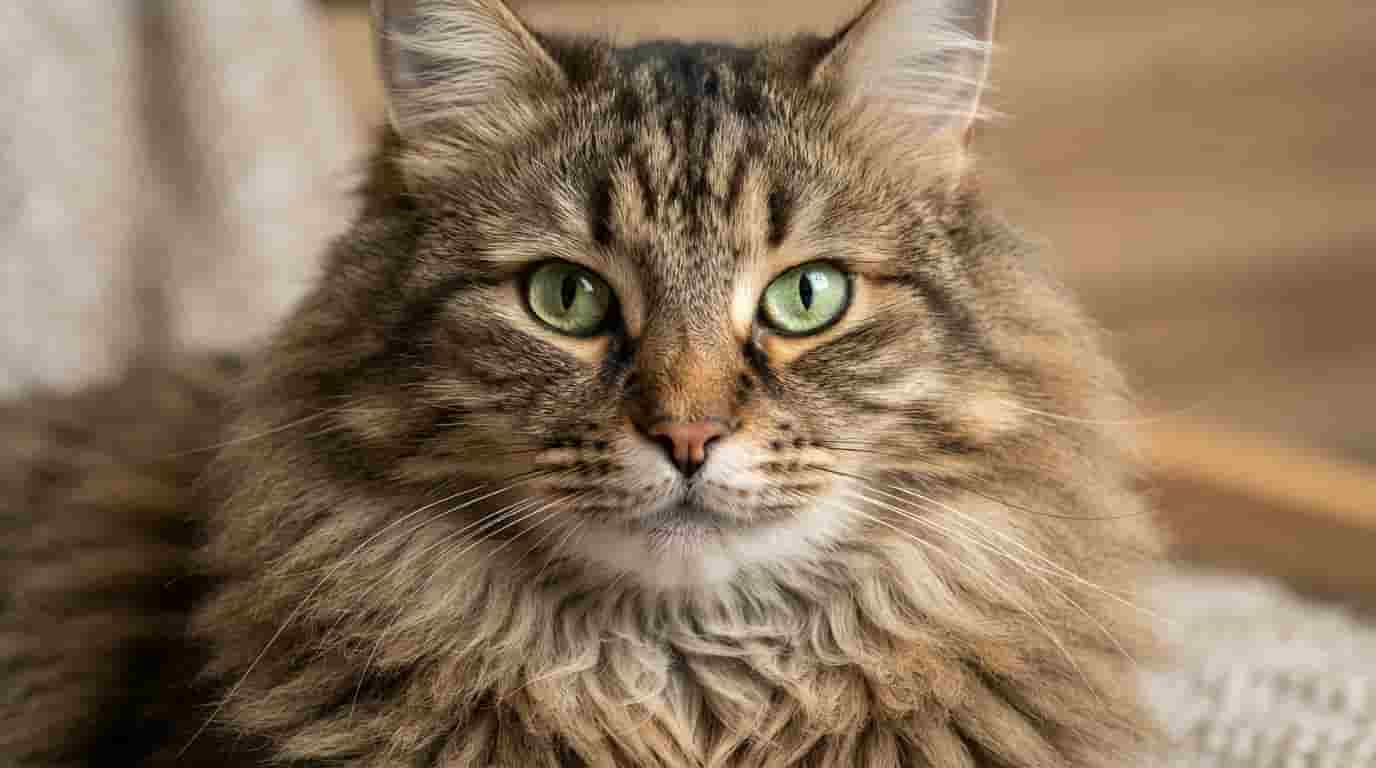
Siberian Cat enthusiasts and potential owners often find themselves drawn to this magnificent long-haired Russian breed, especially when searching for a pet that combines natural forest-cat resilience with a potentially allergy-friendly coat. Originating from the harsh, cold climates of Russia, the Siberian cat is a natural landrace breed known for its dense, water-resistant triple coat, robust and muscular build, and exceptionally affectionate, dog-like personality.
People are frequently interested in the breed for several key reasons:
- Its reputation as a potentially more allergy-friendly feline for those sensitive to cats.
- Its striking wild appearance, featuring large, expressive eyes, a broad body, and a full, plumed tail.
- Its playful, highly intelligent, and deeply social temperament.
- How price and availability can vary significantly depending on the breeder, pedigree, and geographic location.
This comprehensive guide will cover everything you need to know about the Siberian cat, exploring its personality, price, size, characteristics, shedding tendencies, grooming needs, hypoallergenic claims, health, and how to choose a responsible breeder.
What Is a Siberian Cat?
Where did the Siberian cat come from?
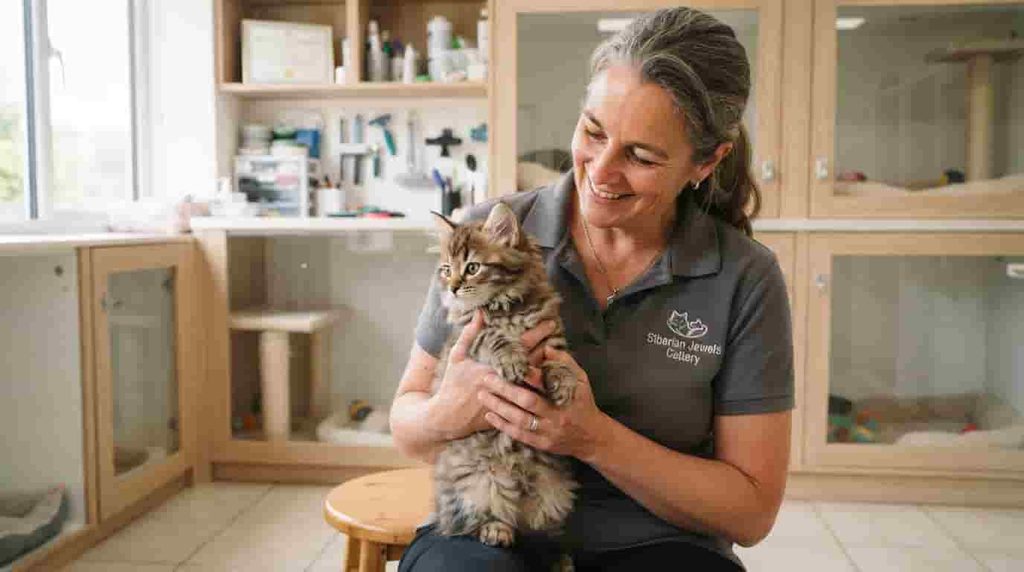
The Siberian cat is a naturally occurring breed with deep roots in Russia, where it thrived for centuries in demanding weather conditions without human intervention. As a true landrace breed, its physical traits evolved naturally to survive freezing winters, featuring a thick, weather-resistant coat and a powerful frame. While tall tales and folklore have long surrounded Russian cats, historical records show that they began gaining formal recognition outside Russia in the late 20th century, quickly capturing the hearts of cat fanciers worldwide.
What are the main Siberian cat characteristics?
Defining physical and behavioral traits make the Siberian unmistakable:
- A strong, substantial, and rounded body structure with heavy bone density.
- A long or semi-long triple coat complete with a thick ruff around the neck.
- A full, bushy tail that balances its large overall appearance.
- A modified wedge-shaped head with large, expressive eyes and gently rounded contours.
- Remarkable agility and adaptability, retaining strong hunting instincts and a love for exploring water.
Why are Siberian cats so popular?
The breed’s immense popularity stems from a rare combination of rugged, wild beauty and a wonderfully sweet, people-oriented temperament. Unlike some independent breeds, Siberians actively seek out human interaction, making them delightful companions for families, couples, and individuals alike.
Siberian Cat Appearance, Size and Coat
How big does a Siberian cat get?
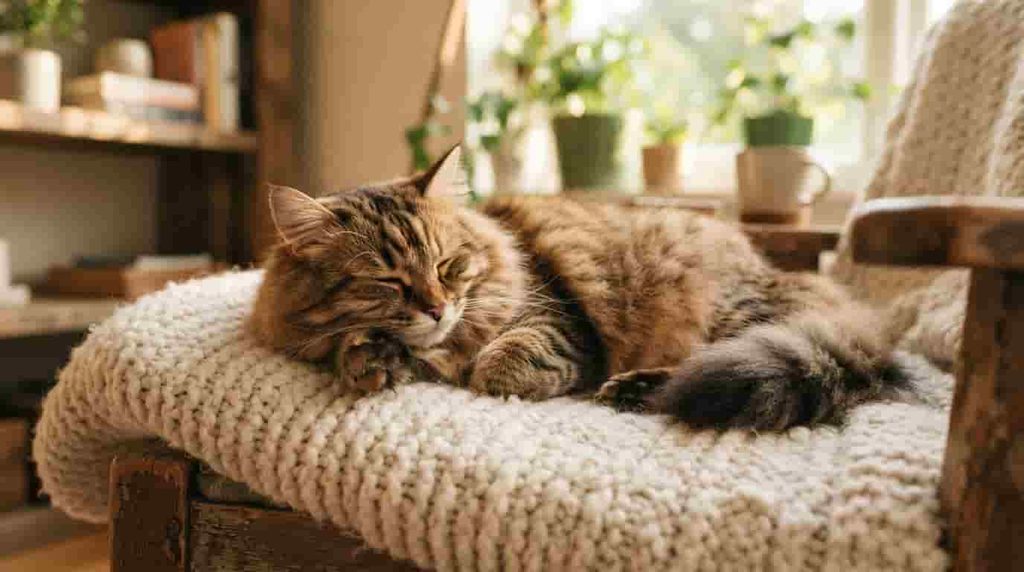
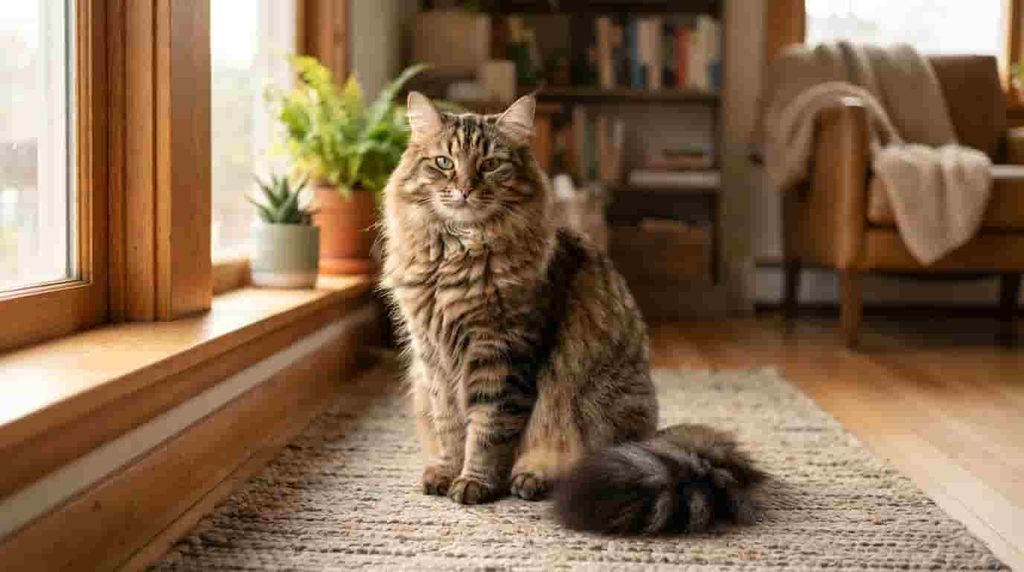
The Siberian cat is a large, substantial feline with a powerful muscular build. Because they are slow-maturing, it can take up to three to five years for a Siberian to reach its full physical size and coat maturity. Males are typically noticeably larger and heavier than females, sporting broad chests and substantial bone structure.
What does a Siberian cat look like?
Structurally, a Siberian presents a distinctly rounded, barrel-like appearance rather than a sleek, oriental silhouette. Key visual elements include:
- Strong, muscular legs with large, rounded paws designed to walk easily over deep snow in their native habitat.
- A full, plumed tail carried with a proud curve.
- A dense, multi-layered coat that feels resilient and springy to the touch.
- Expressive, slightly oval eyes that are large and wide-set, glowing in shades of green, gold, or copper (and blue in colorpoint variants).
- Moderately sized ears with rounded tips, often adorned with lynx-like ear tufts.
Siberian cat colors and patterns
Siberian cats occur in a remarkably wide array of coat colors and patterns, ranging from solid blacks, blues, reds, and creams to striking tabbies, tortoiseshells, and bicolors. This includes the classic Siberian cat white markings that can appear as small blazes or broad patches against colored fur, as well as the specialized colorpoint variant commonly known as the Neva Masquerade.
Why is the Siberian coat so thick?
Their coat is a masterpiece of natural engineering, consisting of three distinct layers: a dense undercoat, an insulating middle layer, and a coarse, water-repellent outer guard hair. This complex adaptation protects the cat against extreme cold, moisture, and wind.
Siberian Cat Personality and Temperament
What is a Siberian cat’s personality like?
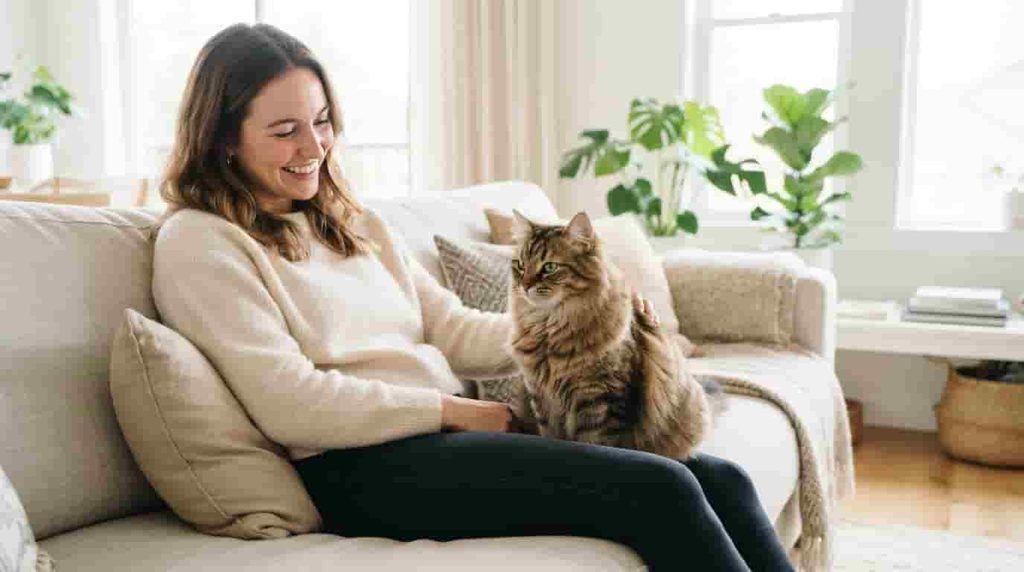
Siberians are celebrated for an exceptionally balanced, affectionate, and confident temperament. Commonly recognized traits include:
- Deep affection and loyalty toward their chosen human families.
- High intelligence and keen curiosity about household activities.
- Playful energy that often persists well into their adult years.
- A remarkably social and welcoming nature with visitors.
- Fearless adaptability to new environments, sounds, and routines.
Are Siberian cats good pets?
Addressing the common question of whether a Siberian cat is a good pet, the answer is a resounding yes for the right household. They fit wonderfully into active homes with children, couples, and even households with cat-friendly dogs, provided proper introductions are made. Their steady nerves and playful patience make them fantastic companions.
Are Siberian cats affectionate?
Siberians are intensely affectionate without being overly needy. They love to greet owners at the door, follow them from room to room, and curl up beside (or on) you while you relax, offering a deeply rewarding companionship.
Are Siberian cats intelligent?
Possessing a remarkably intelligent mind, Siberians easily master household rules, solve puzzle feeders, learn to fetch toys, and enjoy interactive play sessions that challenge their problem-solving capabilities.
Siberian Cat Price: How Much Does One Cost?
How much does a Siberian cat cost?
When exploring the Siberian cat price, prospective owners will find that costs vary widely based on several defining factors. Generally, a pet-quality Siberian kitten from a reputable, health-testing breeder ranges anywhere from $1,200 to $2,500 USD, while exceptional show or breeding lines can cost significantly more.
Siberian cat price in the USA
In the United States, prices fluctuate depending on regional demand, breeder reputation, and whether the kitten comes with registration papers or breeding rights. Ethical breeders who invest in comprehensive genetic screenings and top-tier veterinary care price their kittens to reflect those vital health safeguards.
Siberian cat price in India
For buyers researching regional markets like the Siberian cat price in India, costs are heavily influenced by limited local availability, specialized import expenses, vaccination protocols, and secure transportation fees required to bring kittens safely from established catteries.
What does the purchase price include?
A responsible purchase price typically covers:
- Initial veterinary examinations and comprehensive health certificates.
- Age-appropriate core vaccinations and deworming treatments.
- Microchipping and official registration paperwork or pedigree documents.
- Early socialization and a starter kit of food or litter.
Siberian Cat for Sale: How to Find a Responsible Breeder

What should you look for in a Siberian cat breeder?
Finding a healthy kitten requires targeting ethical, transparent breeders. Look for professionals who:
- Freely share health records and genetic screening results for parents.
- Maintain exceptionally clean, spacious living environments where cats interact freely as family members.
- Provide well-socialized, confident kittens that have reached at least 12 to 14 weeks of age.
- Offer a clear, protective sales contract and health guarantee.
Questions to ask before buying a kitten
- What specific genetic testing has been performed on the parent cats?
- Can I review the veterinary records for both the kitten and its parents?
- Are the parents available for me to meet onsite?
- How are the kittens socialized to everyday household noises and handling?
- What ongoing support do you offer after adoption?
Red flags when searching for a Siberian cat for sale
Beware of online listings featuring suspiciously low prices, rushed sales without contracts, refusal to let you visit the cattery, or dirty environments. Protecting yourself from irresponsible breeding mills ensures a healthier, happier companion.
Is the Siberian Cat Hypoallergenic?
Are Siberian cats hypoallergenic?
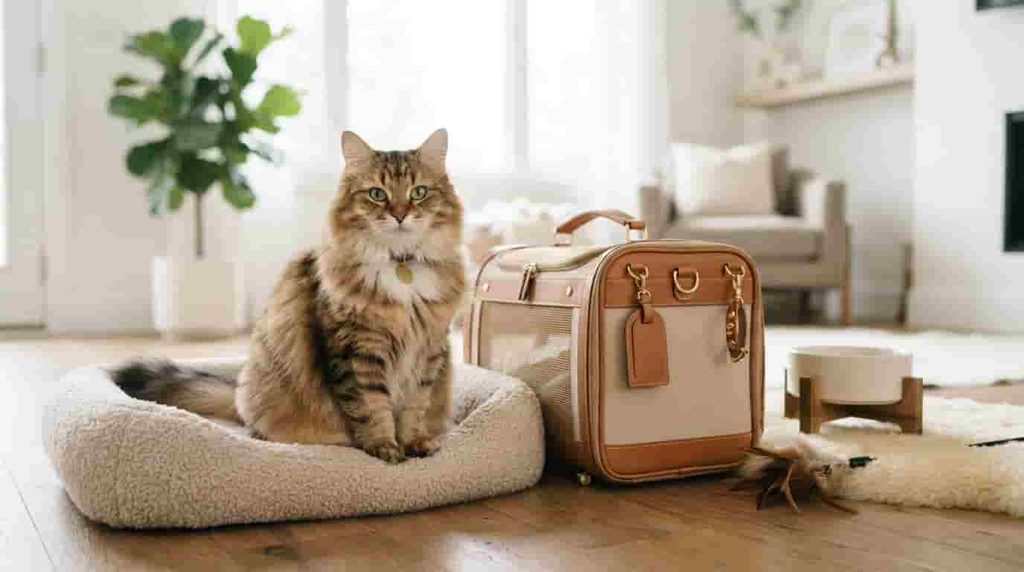
While many people hope to find a truly hypoallergenic pet, no cat can be described as 100% allergen-free. However, Siberian cats are widely discussed and sought after because they are often found to be more manageable for individuals with mild-to-moderate cat allergies.
What causes cat allergies?
Cat allergies are primarily triggered not by fur, but by a specific protein called Fel d 1, which is produced in the cat’s saliva, sebaceous glands, and skin cells. When cats groom themselves, this protein dries on their fur and dander, becoming airborne and triggering allergic reactions.
Why do people call Siberian cats hypoallergenic?
Anecdotal reports and limited biochemical studies suggest that many Siberian cats produce lower baseline levels of the Fel d 1 protein compared to standard domestic cats. Because of this reduced allergen production, allergic individuals frequently experience fewer sneezing fits or skin irritations when spending time with a Siberian.
Can someone with allergies live with a Siberian cat?
If you suffer from allergies, take smart precautions before committing:
- Spend time interacting directly with the specific cat or breeder you plan to adopt from.
- Consult a healthcare professional or allergist to evaluate your sensitivity thresholds.
- Maintain clean indoor air using HEPA filters and regular vacuuming.
- Designate pet-free zones like the bedroom to give your immune system a break.
Siberian cats vs other hypoallergenic cats
While other breeds are also discussed in allergy-friendly contexts, the Siberian stands out due to its heavy triple coat combined with potentially lower Fel d 1 protein expression, offering a unique option for animal lovers.
Siberian Cat Shedding and Grooming
Do Siberian cats shed a lot?
Despite their luxurious fur, Siberian cats do not shed constantly at maximum volume, but they do experience significant seasonal coat changes (“blowouts”) in spring and autumn as they transition between winter and summer coats.
How often should you groom a Siberian cat?
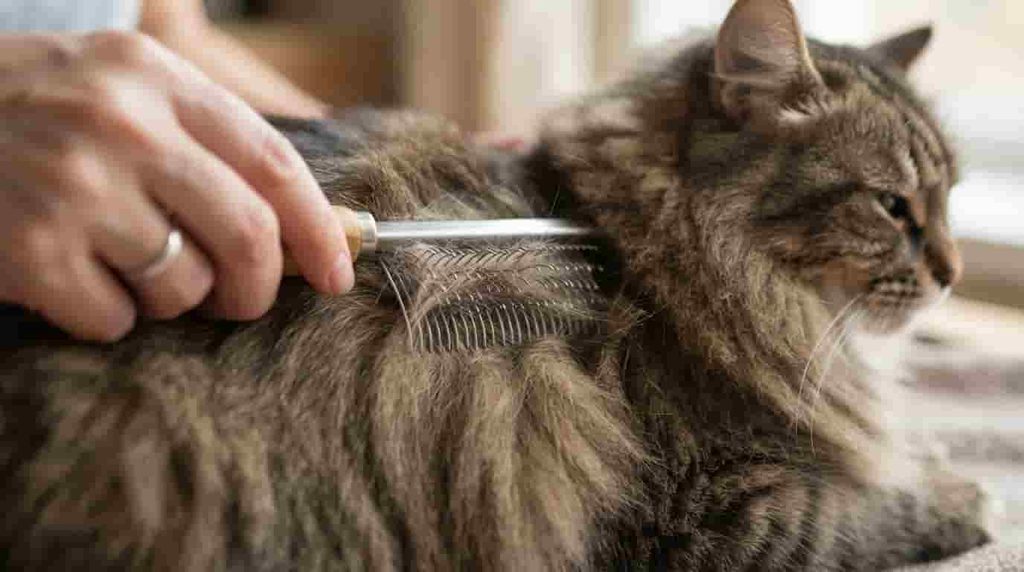
Regular grooming is essential to keep their triple coat free of tangles. Aim for thorough brushing 2 to 3 times a week using a metal comb and slicker brush, increasing frequency to daily sessions during seasonal shedding peaks.
What does Siberian cat care involve?
Comprehensive care includes routine nail trimming, dental hygiene maintenance, ear cleaning, fresh water provision, and high-quality nutrition designed to support skin and coat health.
Common grooming mistakes
Avoid aggressive brushing that damages guard hairs, ignoring small mats until they tighten into painful pelts, or shaving the cat’s coat unnecessarily, as their natural layers protect against both cold and heat.
Siberian Cat Health and Lifespan
Are Siberian cats generally healthy?
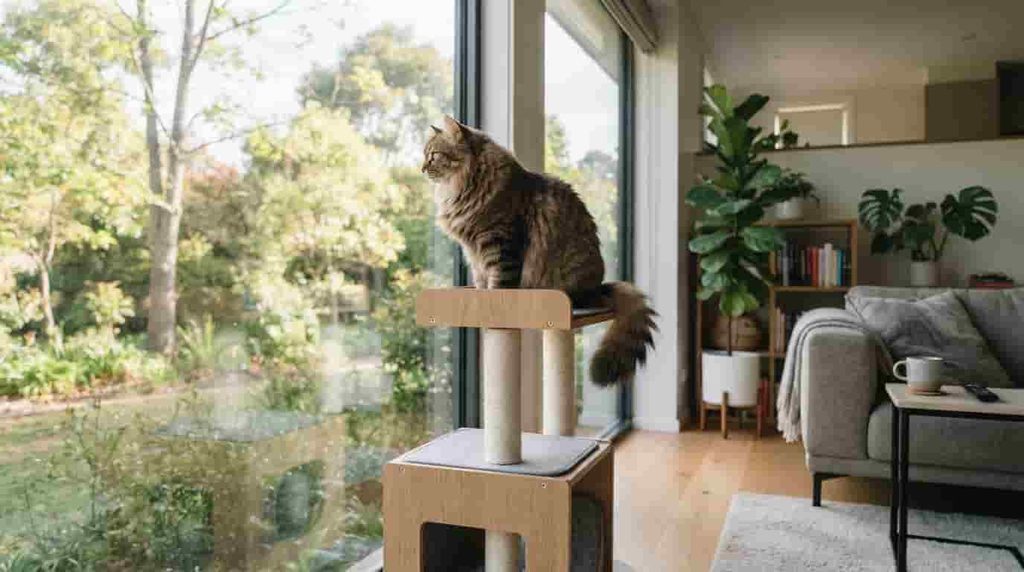
Siberians are generally a robust, hardy natural breed with strong immune systems. Their natural evolution helped eliminate many weaknesses found in overly manipulated breeds, though responsible breeding and proper veterinary care remain vital.
Health concerns Siberian cat owners should know about
Owners should remain mindful of conditions that can occasionally affect large forest cats, such as Hypertrophic Cardiomyopathy (HCM)—a hereditary heart condition screenable via echocardiogram—and Hip Dysplasia, which can be managed with proper weight control.
How long do Siberian cats live?
With optimal indoor care, premium nutrition, and routine veterinary wellness checks, a healthy Siberian cat typically enjoys a long lifespan of 12 to 15 years or more.
Siberian Cat Kittens: What Should New Owners Expect?
What should you look for in a healthy Siberian kitten?
A healthy Siberian kitten is bright, energetic, and curious, featuring clear eyes, a clean nose, a soft shiny coat, and an outgoing, playful demeanor.
When should a kitten go to its new home?
Kittens should remain with their mother and littermates until they are at least 12 to 14 weeks old to ensure proper emotional maturation, immune system development, and social confidence.
Adoption versus buying from a breeder
While rescue options are wonderful, finding a purebred Siberian through rescue is rare; thus, most owners work directly with ethical breeders to secure a healthy, well-documented kitten.
What Makes Siberian Cats Special?
The unique magic of the Siberian cat lies in its combination of native wild resilience, breathtaking appearance, high intelligence, and deeply affectionate nature. Whether you appreciate their color variety, their impressive size, or their reputation among allergy sufferers, they offer an unmatched companionship experience.
Siberian Cat vs. Other Long-Haired Breeds
Siberian Cat vs. Oriental Longhair
When exploring long-haired choices, looking at the Oriental Longhair Cat: Price, Personality, Colors, Lifespan and Breed Guide highlights the contrast between the slender, sleek Oriental and the heavy-boned, robust frame of the Siberian.
Siberian Cat vs. Turkish Angora
Similarly, comparing coat styles and body types with the Turkish Angora Cat: Price, Personality, Temperament, Colors and Care reveals distinct differences in elegance, coat layering, and physical stature.
Siberian Cat vs. Neva Masquerade
The Neva Masquerade is simply the striking colorpoint variety of the Siberian breed. To dive deeper into how this striking sibling variant differs in appearance, explore our guide on the Neva Masquerade Cat: Price, Personality, Size, Colors and Health
Is a Siberian Cat Right for You?
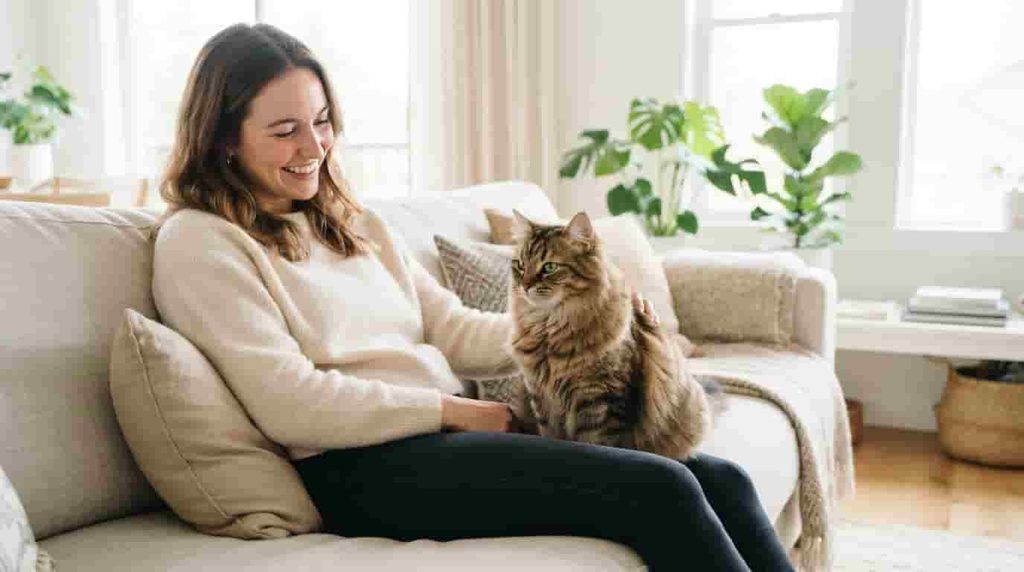
A Siberian cat may suit your lifestyle if…
- You want an interactive, dog-like companion that greets you warmly.
- You love substantial, powerful long-haired cats with striking expressions.
- You have time for regular grooming and interactive play sessions.
- You understand that “hypoallergenic” means reduced allergen potential rather than zero allergens.
Think carefully if…
- You dislike routine brushing and managing shedding hair.
- You require a guaranteed 100% allergen-free environment.
- You cannot budget for quality nutrition and veterinary healthcare.
A realistic hypothetical example
Consider a family where one member has mild cat allergies and loves active pets. By visiting a breeder to test individual reactions, they discover their symptoms remain minimal around a specific Siberian kitten, leading to a wonderful, lifelong companionship.
Frequently Asked Questions About Siberian Cats
1. How expensive is a Siberian cat?
Prices typically range from $1,200 to $2,500+ USD depending on pedigree, health screenings, and breeder reputation, alongside ongoing care costs.
2. Is a Siberian cat a good pet?
Yes, their affectionate, intelligent, and playful temperament makes them exceptional companions for families and individuals.
3. How much does a Siberian breed cat cost?
Regional location, import fees, and registration papers heavily influence the final purchase price set by ethical breeders.
4. What is so special about Siberian cats?
Their combination of natural forest-cat resilience, stunning triple coats, high intelligence, and allergy-friendly reputation sets them apart.
5. Are Siberian cats hypoallergenic?
No cat is completely allergen-free, but Siberians often produce lower levels of the Fel d 1 protein, making them more manageable for some allergy sufferers.
Conclusion — Is the Siberian Cat Worth Considering?
The Siberian Cat offers an extraordinary mix of rugged beauty, intelligence, and deep affection. From their weather-resistant coats and striking eyes to their playful personalities and potential allergy-friendly traits, they make wonderful additions to the right homes. Evaluating whether their grooming needs, temperament, and ownership costs fit your lifestyle ensures a rewarding partnership. Have you ever lived with a Siberian cat, or are you considering welcoming one into your home?