Why Is My Kitten Not Gaining Weight? Common Causes and What to Do
Introduction:
A kitten weight lost issue causes deep worry for loving owners watching their small pet struggle to grow properly. What hidden health condition prevents a young feline from adding healthy grams during critical growth weeks?
Mark brought home a rescued four month old companion named Leo. Mark provided expensive wet food dishes, fresh water bowls, and cozy sleeping spaces every single day.
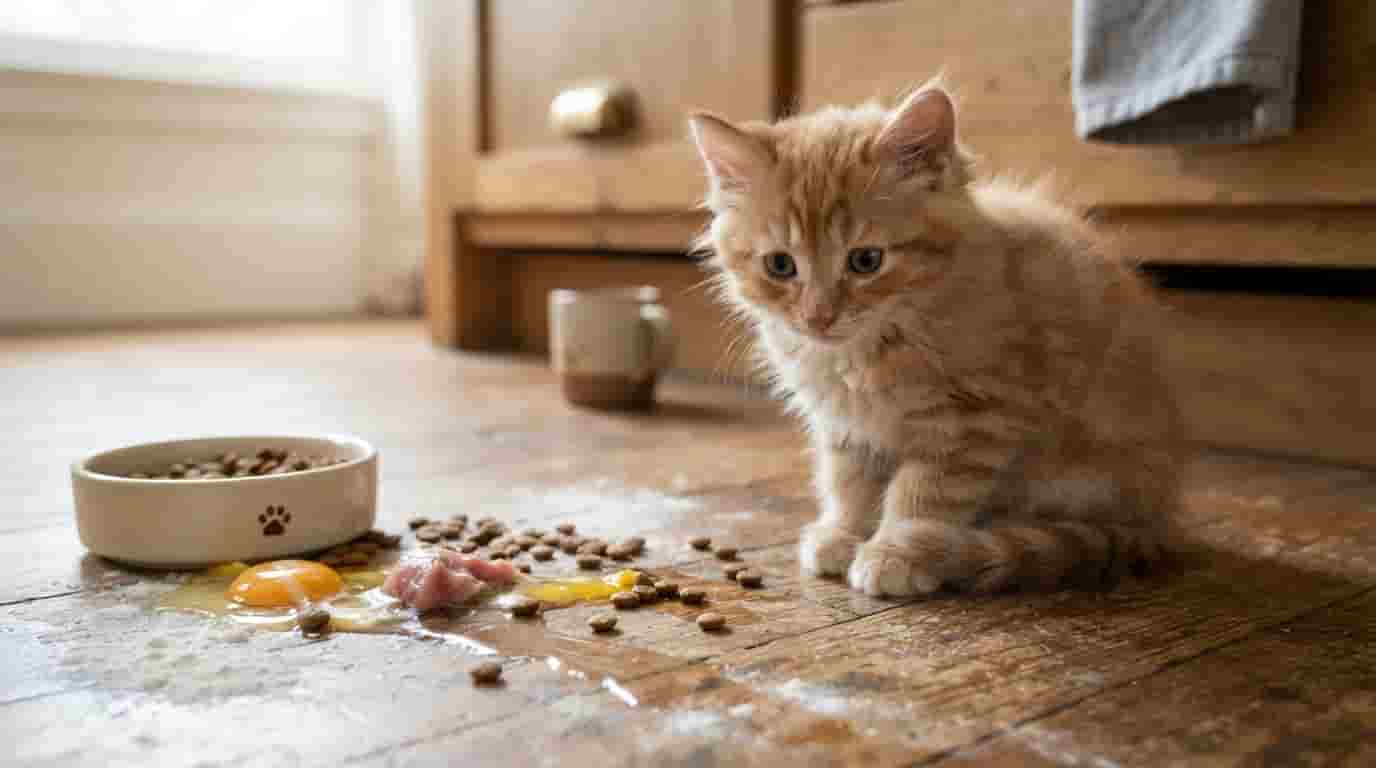
Yet, weekly scale readings showed a troubling downward trend. Leo ate his food eagerly, but his tiny ribs felt increasingly prominent under his soft fur coat.
Mark felt utterly confused by this mysterious physical decline. Why would an energetic pet lose body mass despite consuming full food portions regularly?
Growing animals double their birth size rapidly during early developmental months. Consequently, any sudden drop in physical mass signals an underlying physical issue that requires swift attention.
Understanding body condition changes helps you spot health threats early and fix growing problems safely. Let us uncover the hidden causes behind poor growth and explore practical steps to protect your young companion.
1. Uncovering Hidden Parasites Behind Kitten Weight Lost
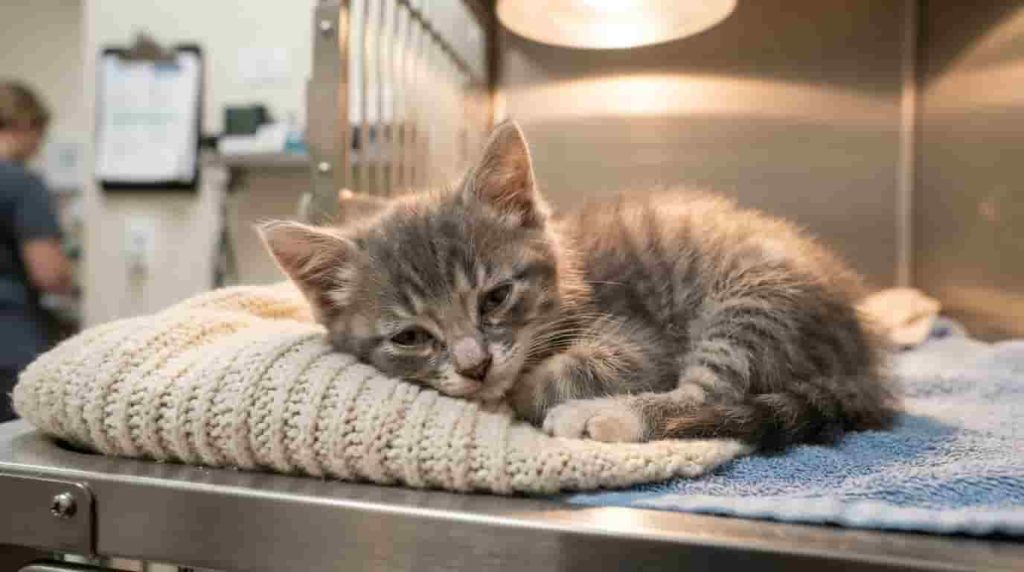
Internal parasites like roundworms and coccidia frequently trigger sudden kitten weight lost in young adopted animals. These microscopic invaders live inside intestinal tracts, consuming essential nutrients before the host body can absorb them properly.
As a result, growing pets suffer from nutritional deficits even while eating massive daily meals. Parasite infestations cause bloated bellies, dull fur coats, and loose stools that drain physical stamina quickly.
Managing Internal Parasites and Kitten Weight Loss Symptoms
Recognizing parasite signs helps owners initiate effective kitten weight loss treatments through professional veterinary testing. Schedule a fresh stool examination with your local clinic to identify specific internal worm species accurately.
Veterinarians prescribe targeted deworming medications that clear intestinal tracts without harming delicate digestive linings. You can discover why distressed pets cry loudly by reading Why Is My Kitten Crying All Night? Causes and Solutions today.
Expert insights from the Cornell Feline Health Center confirm that routine deworming prevents severe nutritional deficiencies in young felines. Clearing internal parasites restores full nutrient absorption, allowing your pet to rebuild muscle tissue naturally.
2. Navigating Nursing Failures and Caloric Deficits
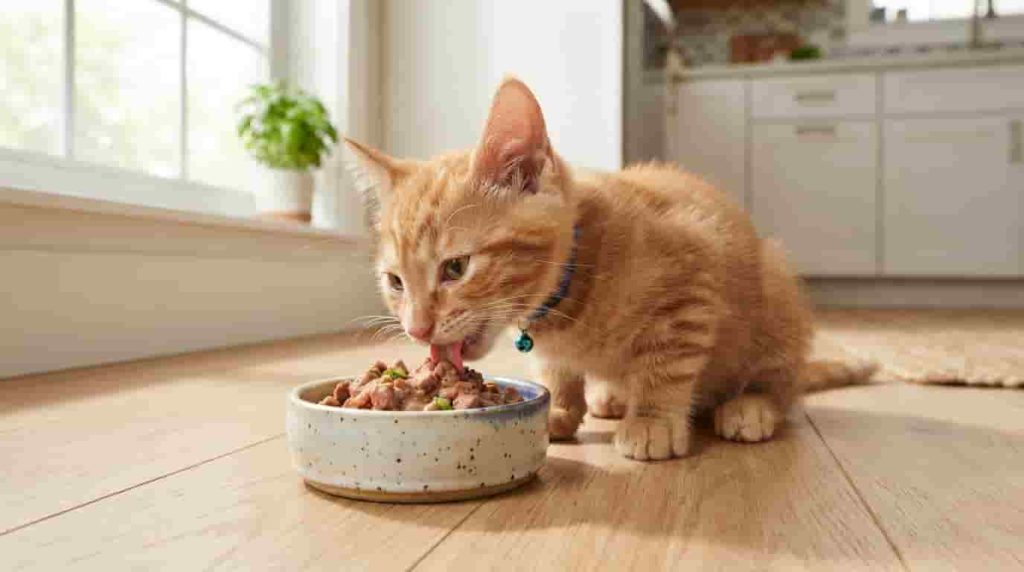
Nursing kittens depend entirely on rich maternal milk for early immune protection and rapid physical growth. If a mother cat faces illness or stress, her daily milk production drops significantly below normal levels.
You can learn about maternal nursing problems by exploring How to Tell if a Mother Cat Is Rejecting Her Kittens right now.
Without sufficient milk, young animals experience rapid physical decline within twenty four hours. Thus, hand feeding commercial milk replacer formula becomes essential to save weak, vulnerable pets.
Establishing Effective Healthy Kitten Growth Diets
Implementing proper feeding schedules supports healthy kitten growth when natural nursing fails completely. Feed commercial milk replacer formula using warm bottles every two to three hours around the clock.
As your pet grows, introduce calorie-dense kitten wet food mixed with warm formula gradually.
- Weigh your pet daily on a digital kitchen scale at the exact same hour.
- Feed high-protein wet food formulated specifically for early growth stages.
- Offer small, frequent meals throughout the day to prevent stomach upset.
- Ensure clean, fresh water remains available near every feeding station.
Providing adequate calories daily protects delicate young bodies from dangerous energy crashes and weakness.
3. Investigating Digestive Disorders and Food Intolerances
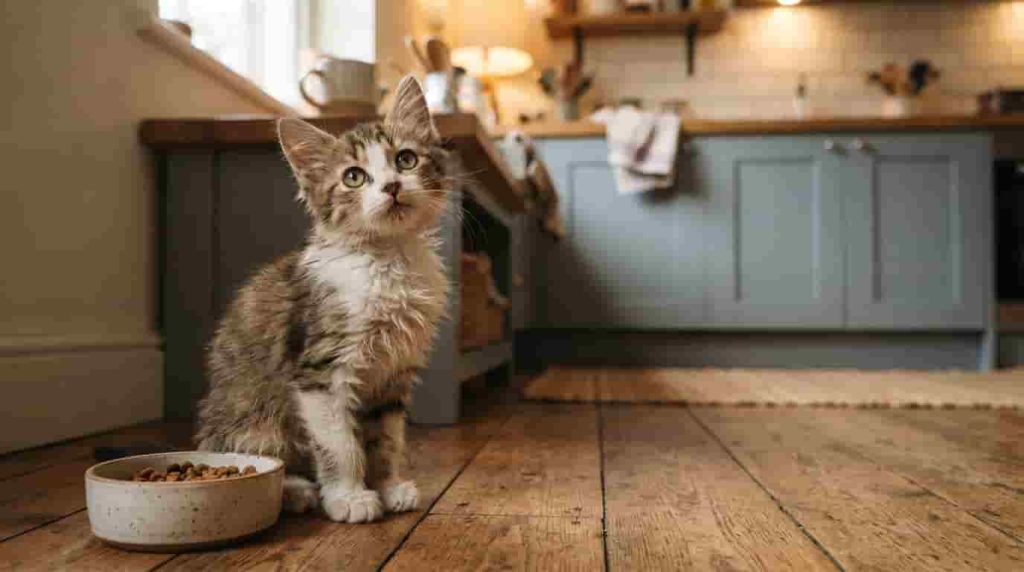
Inappropriate food choices trigger chronic diarrhea, vomiting, and steady physical mass reduction in growing animals. Cow milk, low-quality commercial kibble, and rich human food scraps irritate delicate intestinal linings easily.
When inflammation damages intestinal walls, digestive systems fail to absorb essential fats and proteins efficiently. Therefore, feeding improper diets leads directly to nutritional starvation and weakness.
Implementing Smart Feline Weight Management Strategies
Applying proper feline weight management practices ensures your pet receives optimal nutrition during critical growth months. Transition your pet slowly over seven days when changing food brands or flavor formulas.
Consult your veterinarian to select balanced commercial diets tailored specifically for growing felines.
You can also read about behavioral training for single pets in How to Prevent Single Kitten Syndrome: Tips for Raising a Well-Adjusted Cat today.
Guidance from the American Veterinary Medical Association highlights the importance of feeding balanced diets designed for early growth. High-quality animal proteins strengthen developing muscles while keeping digestive tracts calm and healthy.
4. Identifying Serious Systemic Infections and Health Threats
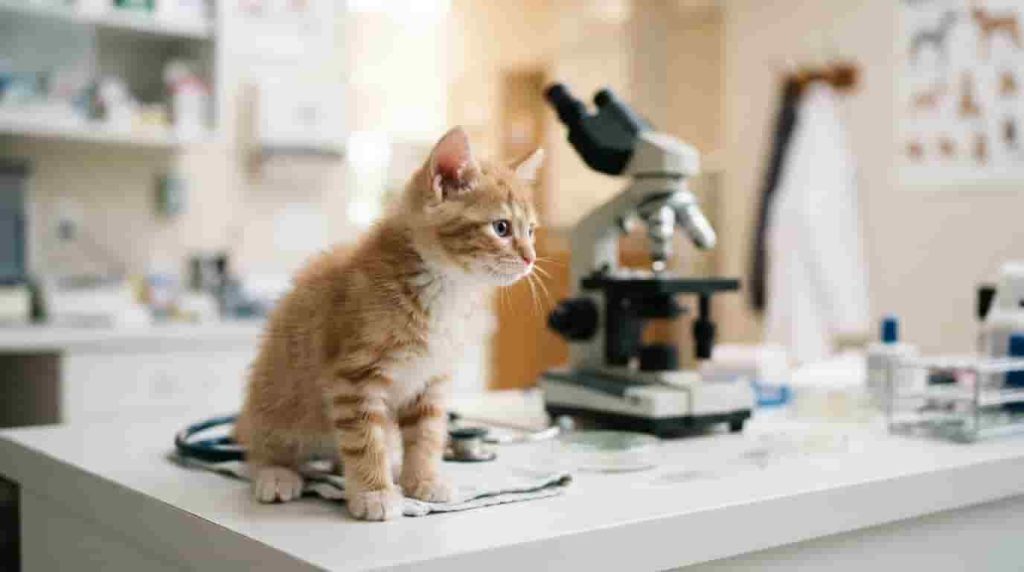
Upper respiratory infections and viral diseases ruin appetite levels, preventing young animals from smelling food properly. Feline panleukopenia, infectious peritonitis, and severe viral infections destroy healthy blood cells and tissues rapidly.
If a sick pet stops eating completely, body mass drops to dangerous levels within two days.
Applying Urgent Veterinary Advice for Weight Loss Concerns
Seeking professional veterinary advice for weight loss situations prevents life-threatening complications in weak young pets. Veterinarians perform blood panels, fluid therapy, and antibiotic treatments to fight severe underlying infections.
Early medical intervention stabilizes critical body functions, giving young bodies the strength to recover fully.
- Contact your veterinarian immediately if your pet refuses food for twelve hours.
- Check gum color daily to ensure tissues remain healthy pink rather than pale white.
- Monitor body temperature because hypothermia threatens weak, underweight young pets.
- Administer prescribed medications strictly according to veterinary instructions without skipping doses.
Prompt veterinary treatment halts physical decline, restoring vitality and playfulness to your companion.
5. Mastering Accurate Weight Tracking at Home
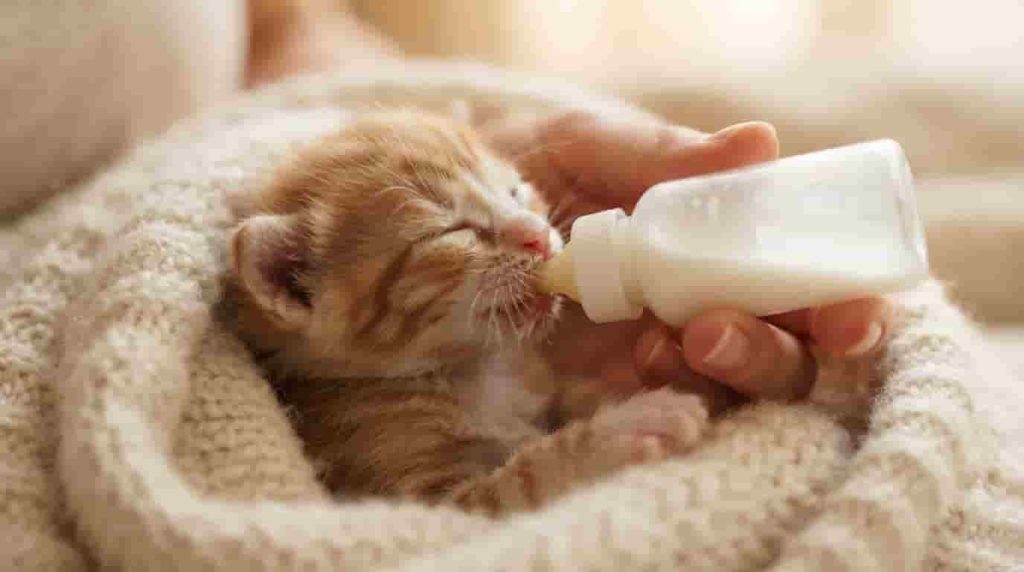
Relying on visual checks alone often masks early physical mass changes until severe weakness occurs. Using a precise digital scale helps you catch subtle weight trends before visible symptoms appear.
Record daily weight measurements in a dedicated notebook to track growth progress accurately.
Implementing Reliable Monitoring Kitten Weight Routines
Establishing consistent monitoring kitten weight habits provides clear evidence of your pet’s daily physical development. Weigh your companion before morning feedings to obtain accurate, unbiased baseline readings every single day.
Healthy young animals should gain approximately fifteen grams every day during early growth stages.
- Place a digital kitchen scale on a flat, stable table surface.
- Position a light container on top and press the tare button to zero the scale.
- Gently place your pet inside the container and record the exact gram display.
- Compare daily readings to ensure a continuous upward growth trend occurs.
Tracking daily measurements gives you complete confidence in your pet’s ongoing health and recovery journey.
Final Thoughts on Kitten Weight Lost
Resolving a kitten weight lost crisis requires careful monitoring, proper nutrition, targeted parasite control, and timely veterinary care. You now understand how internal parasites, nursing issues, digestive distress, and viral infections disrupt normal growth cycles.
Taking action quickly transforms a frail, struggling pet into a thriving, energetic adult cat.
Replacing worry with accurate home tracking ensures your companion receives the exact care required for healthy development. Prioritizing proper nutrition and routine veterinary visits builds a strong foundation for lifelong feline health.
Has your young pet ever suffered an unexpected growth setback or mass drop? Share your personal experiences and recovery stories in the comments section below!
Frequently Asked Questions
A young pet eating well but losing mass often suffers from internal parasites like roundworms or coccidia. These parasites consume nutrients directly from digested food inside the intestines before the body absorbs them. Schedule a professional veterinary stool exam to identify and treat internal parasites effectively.
Healthy growing pets gain approximately fifty to one hundred grams every week during early developmental stages. Tracking daily progress using a digital kitchen scale helps you catch growth delays early. Consistent mass gain indicates proper nutrient absorption and healthy physical development.
Feed high-calorie wet food formulated specifically for growing felines, supplemented with warm kitten milk replacer if necessary. High-protein canned foods provide essential nutrients that build muscle mass and support rapid physical development. Consult your veterinarian before introducing high-calorie nutritional supplements.
Yes, rapid physical mass loss in a young pet constitutes a serious medical emergency requiring prompt veterinary evaluation. Small bodies possess minimal fat reserves, making them vulnerable to dehydration, low blood sugar, and organ failure. Seek professional medical care immediately if physical decline continues.
Yes, moving into a new home or facing loud environments creates emotional stress that reduces daily appetite levels. Stress disrupts normal digestion, leading to temporary eating refusal and subtle mass reduction in sensitive pets. Create a quiet, secure safe space to help your companion feel comfortable while eating.