
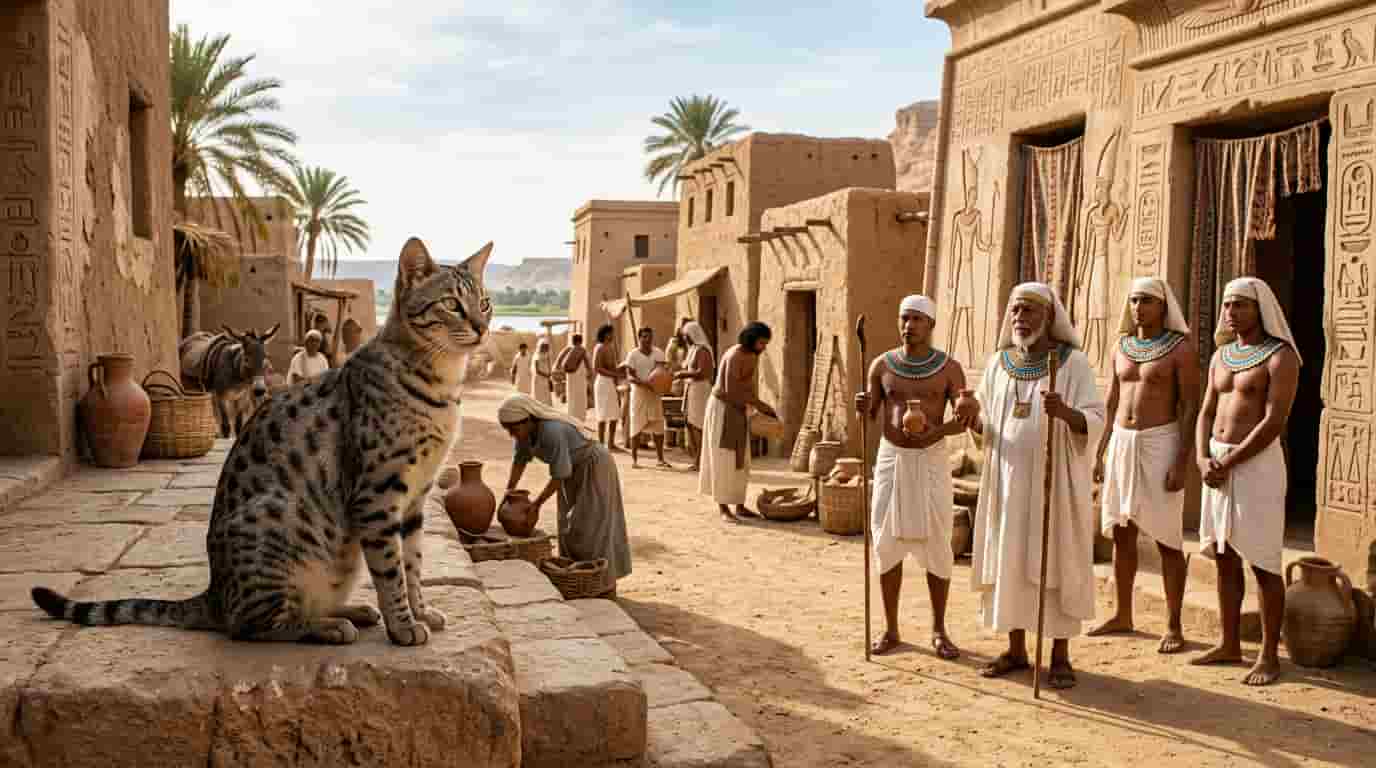
Killing a cat in ancient Egypt: 5 Reasons It Was A Serious Crime
Introduction:
Killing a cat in ancient Egypt brought immediate and severe consequences. Have you ever wondered why a civilization would elevate a house pet to such a protected status? This strict stance originated from a blend of religious devotion, practical necessity, and cultural identity. Exploring this topic reveals fascinating details about how the ancient world viewed our feline companions.
Most people know that Egyptians loved cats, but the legal reality went much deeper than simple affection. Whether intentional or accidental, harming a feline triggered harsh penalties under the law. Understanding these regulations provides a window into a society where animals held immense power. Let us break down the five primary reasons why this act was treated as a major offense.
1. Cats Represented the Goddess Bastet

The primary reason involved deep religious devotion. Egyptians believed that cats acted as earthly vessels for the goddess Bastet. She symbolized home, fertility, protection, and joy. Because of this divine connection, people viewed cats as sacred entities rather than mere animals.
Harming a cat meant striking a physical blow against a deity. This sacrilege threatened the spiritual balance of the entire community. Therefore, the legal system treated it with the same gravity as an assault on a temple official. If you want to explore the broader context of this worship, read 7 Reasons Ancient Egyptians Worshipped Cats for more historical background.
Ancient Egyptian Cat Worship Laws and Social Order
These religious beliefs heavily influenced ancient egyptian cat worship laws. The state and the church operated as one unit, meaning religious rules dictated civil behavior. Any violation of these standards weakened the authority of the Pharaoh. Consequently, the government enforced strict compliance to maintain social harmony.
Citizens understood that their own safety depended on keeping the gods happy. If a cat suffered, the goddess might withdraw her protection from the city. This collective fear ensured that everyone respected the feline population. It created a self-regulating system built on shared spiritual values.
2. Cats Provided Essential Economic Protection
Beyond religion, cats served a vital practical function. Ancient Egypt relied heavily on agriculture, specifically grain production. Rats, mice, and snakes constantly threatened these vital food supplies. Cats naturally hunted these pests, acting as a biological defense system for the kingdom.
The economic value of a single cat was immense. By keeping granaries free of rodents, they prevented famine and economic collapse. Killing a cat in ancient Egypt meant destroying a valuable public asset. The law punished this waste of resources to discourage others from doing the same.
Historical Laws About Cats in Ancient Egypt and Agriculture
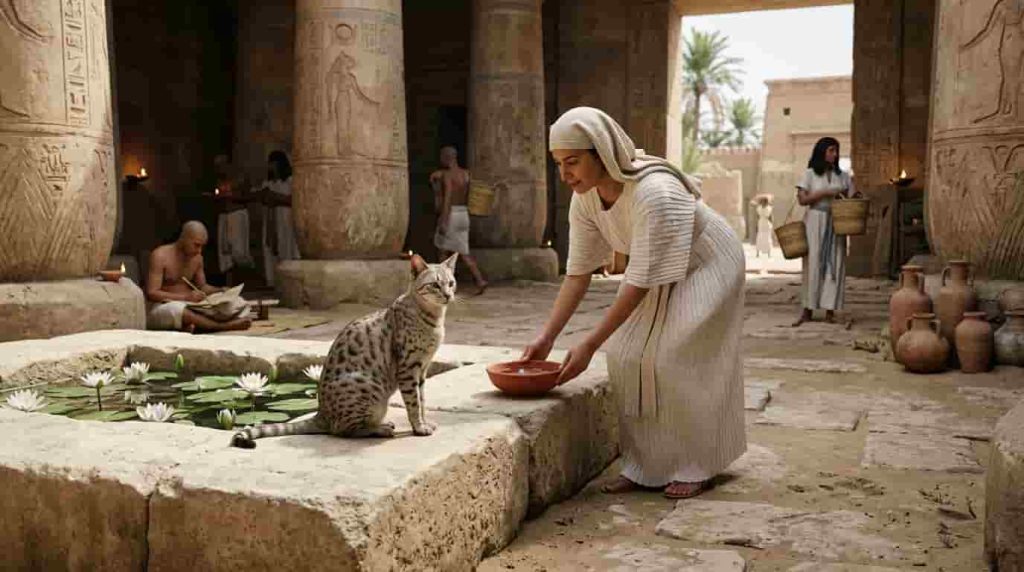
The government recognized this utility through formal historical laws about cats in ancient egypt. Officials understood that protecting cats directly correlated to protecting the national budget. A healthy feline population meant a well-fed civilization. Therefore, the state prioritized their safety as a matter of survival.
You might compare this to modern pest control methods. However, instead of using chemicals, they relied on agile hunters. This sustainable approach kept their ecosystem balanced for centuries. It highlights how they integrated nature into their infrastructure.
3. The Legal System Demanded Strict Accountability
The Egyptian legal system required absolute order. Specific feline regulations in ancient egypt laid out clear punishments for offenders. If someone killed a cat, the law often required a trial to determine the circumstances. Even accidental deaths faced scrutiny, as the law prioritized the life of the cat above human excuses.
Historical records indicate that punishments ranged from heavy fines to capital punishment. The severity depended on whether the act was deliberate. However, the default societal response often bypassed the courts. Angry mobs frequently took justice into their own hands before the law could even intervene.
Feline Legislation in Ancient Egypt and Public Outrage
This intense public reaction defined feline legislation in ancient egypt. Historians note that if a foreigner accidentally killed a cat, the local population might execute them on the spot. The state often struggled to restrain this collective anger. It proves that the protection of cats was not just a written rule, but a deeply ingrained cultural mandate.
This level of enforcement sounds extreme to modern ears. However, it effectively deterred potential harm. It established a standard where human life was secondary to the sanctity of the cat. This hierarchy of value remains one of the most unique aspects of their legal history.
4. Cats Reflected the Cultural Identity of Egypt
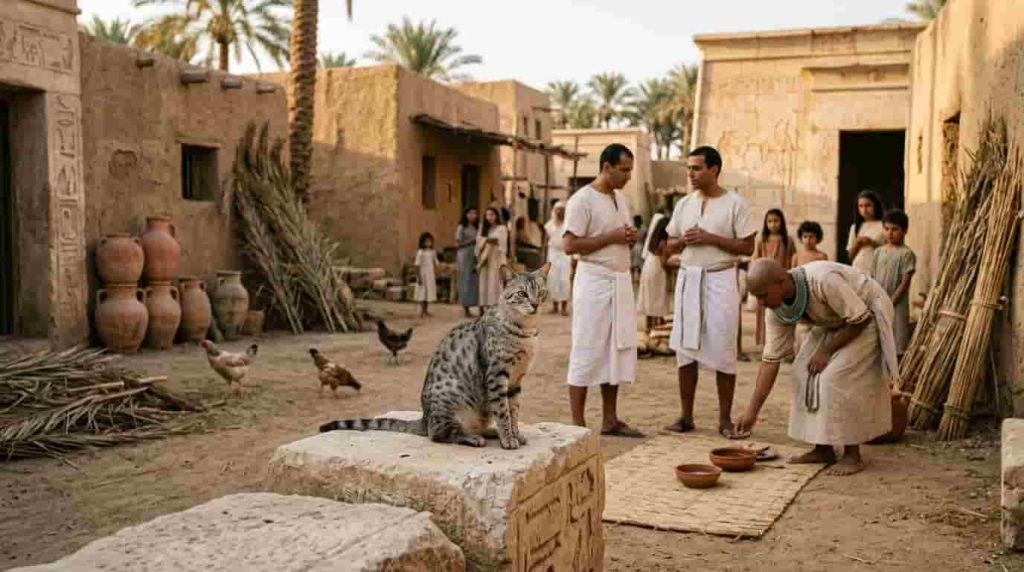
Cats were a point of national pride. Foreign travelers frequently noted the peculiar devotion Egyptians displayed toward their pets. This love became a cornerstone of their global reputation. Protecting cats became a way to preserve their distinct cultural identity against outside influence.
By enforcing laws against killing a cat in ancient egypt, the ruling class reinforced Egyptian values. It separated them from neighboring cultures that did not share this reverence. It became a unifying element for the population. They took pride in being the people who cherished the sacred feline above all others.
Cat Rules in Ancient Egypt and Daily Life
These cat rules in ancient egypt extended into the home. Families treated their pets like children. When a house cat died naturally, the entire household shaved their eyebrows as a sign of mourning. This ritualized grief shows how deeply they integrated cats into their personal lives.
Such emotional bonds naturally led to legal protections. When you view a creature as a family member, you demand laws that treat them as such. This domestic foundation supported the broader legal framework. It made the transition from a personal pet to a protected national icon seamless.
5. They Served as Guardians of the Afterlife

The final reason centers on the journey after death. Egyptians believed in a complex afterlife where animals could assist or hinder the deceased. Cats were thought to guide souls and ward off evil spirits in the underworld. Killing a cat in ancient Egypt disrupted this cosmic safety net.
People believed that harming a cat could curse the perpetrator’s own afterlife. This spiritual insurance policy drove the creation of ancient egyptian feline decrees. They wanted to ensure safe passage for themselves and their loved ones. Protecting the guide meant securing the destination.
Ancient Egyptian Feline Decrees and Cosmic Balance
These ancient egyptian feline decrees focused on maintaining Ma’at, the concept of truth and cosmic order. Any disruption to this balance required immediate correction. If a cat died, the law required proper mummification and burial to honor its role. This ensured the spirit could continue its work in the next world.
The resources dedicated to these burials were staggering. They used fine linens, precious oils, and dedicated cemeteries. This commitment proves that their legal focus was not just about the present life. It spanned across eternity, cementing the cat as a permanent fixture of Egyptian civilization.
The Modern Perspective on Ancient Laws
Looking back at these practices, we see a fascinating duality. The ancient world balanced extreme reverence with strict legal frameworks. While we do not practice the same rituals today, we can appreciate the spirit behind them. They valued a creature that offered companionship and protection.
If you enjoy learning about the history of our pets, you might also like 7 Ancient Cat Myths That Survived For Thousands Of Years to see what else has endured. The legacy of the Egyptian cat continues to influence how we treat our own animals. We owe much of our current pet culture to these early pioneers.
Expert Insights on Feline Welfare
Veterinary professionals often emphasize how far we have come in animal care. Experts at PetMD note that while we no longer treat cats as gods, our modern medical standards provide a better quality of life. We focus on nutrition, preventative medicine, and behavioral health. This science-based approach ensures they live longer, healthier lives than their ancestors.
However, the core sentiment remains unchanged. We still find immense value in the presence of a cat. Whether they are hunting mice in a granary or curling up on your sofa, they provide comfort. Recognizing the historical weight of killing a cat in ancient egypt helps us appreciate the journey of the domestic cat.
The Evolution of Cat Governance
The shift from ancient theocracy to modern secular law changed how we view animal rights. Today, we base our laws on animal welfare rather than religious doctrine. We have moved away from capital punishment for animal cruelty, focusing instead on rehabilitation and fines. This shift reflects a broader change in human values.
Despite these changes, the fundamental idea persists: animals deserve protection from human malice. The ancient egyptian legal system for cats was an early precursor to modern animal cruelty laws. It was flawed and extreme, yet it laid a conceptual foundation. It proved that a society can choose to value the lives of non-human creatures.
Lessons from Historical Regulations
We can draw several lessons from historical regulations for cats in ancient egypt. First, laws are most effective when they align with cultural values. Second, protecting animals often yields secondary benefits, such as economic stability. Finally, the way a society treats its animals speaks volumes about its character.
As you reflect on these five reasons, consider your own relationship with your pet. Do you provide them the care and respect they deserve? The ancient Egyptians certainly took this to an extreme, but the core message remains valid. Cherish your cat, for they are truly remarkable companions.
Conclusion
The legal status of cats in the Nile Valley was truly unprecedented. Killing a cat in ancient egypt was a serious crime because it violated the religious, economic, and social fabric of the kingdom. Through the worship of Bastet, the protection of agriculture, and the promise of a safe afterlife, the state built a system around the feline. While the penalties were severe, they underscored a profound truth. The Egyptians understood that cats were not just animals, but essential partners in human life.
We hope this exploration of ancient egyptian cat deity laws was as engaging for you as it was for us. The history of our pets is often just as complex as our own. Please share your thoughts or your favorite historical cat fact in the comments below! We would love to hear what surprised you the most about the ancient legal system.
Frequently Asked Questions
Not always, but it was a distinct possibility. The law distinguished between accidental and intentional killing, though public anger often resulted in immediate violence regardless of legal rulings.
The laws protected all cats, including household pets and stray cats. Because the entire species was considered sacred, no cat was viewed as fair game for harm.
Foreigners faced the highest risk. Because they did not understand or respect the local customs, they frequently broke the laws accidentally and suffered severe consequences from local mobs.
The household went into official mourning. This included shaving their eyebrows and holding a funeral ceremony to ensure the cat transitioned safely into the afterlife.
Historical accounts from writers like Herodotus provide the most detailed records of these events. He documented the extreme lengths Egyptians went to when protecting their feline companions.