Cat Clay Litter: Is It Safe and Healthy for Cats?
Introduction
Cat Clay Litter. Many cat owners use clay litter every day without a second thought, yet wonder whether inhaled dust, clumping ingredients, or artificial fragrances could pose hidden health risks to their feline companions.
The short answer is that cat clay litter can be suitable and safe for many cats, but overall safety depends heavily on the specific product, its dust levels, whether it contains added fragrances, how it is maintained, and your individual cat’s health. No single litter type is automatically best for every home.
This guide explores what clay litter is, clumping versus non-clumping varieties, potential benefits and drawbacks, dust and allergy concerns, how it compares to alternatives, and when a different litter may be a better choice for your pet.
What Is Cat Clay Litter?
How Clay-Based Cat Litter Is Made
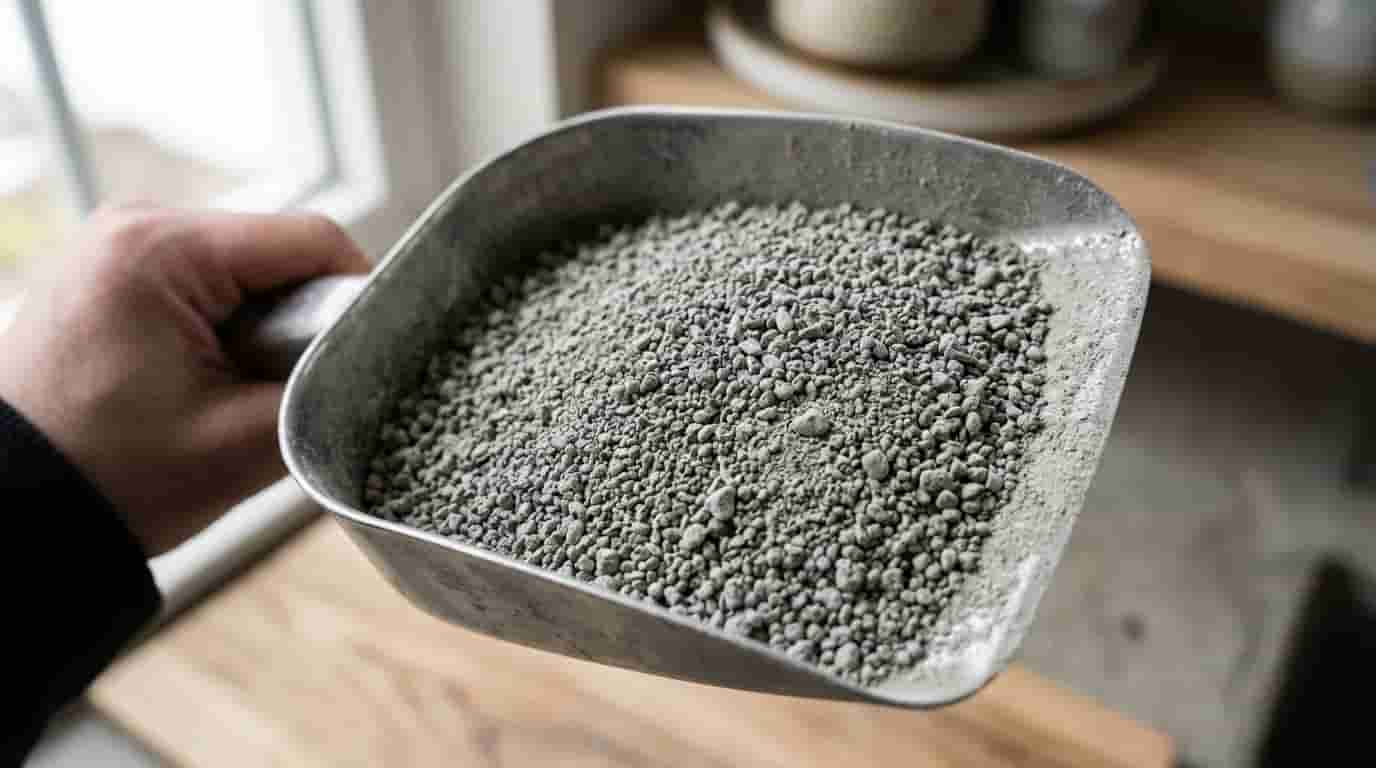
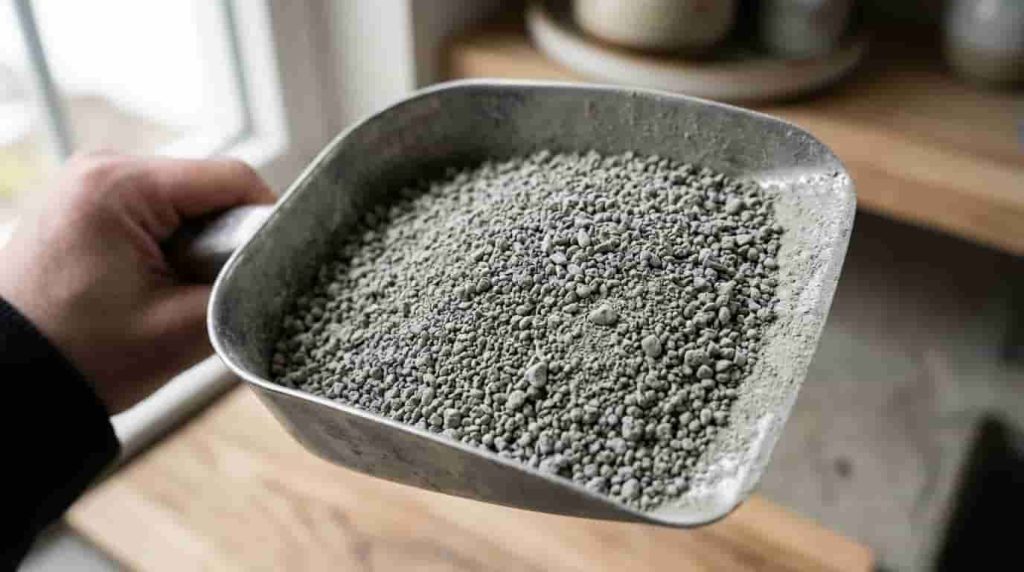
Cat clay litter is manufactured from naturally occurring clay minerals, primarily bentonite or fuller’s earth, which are processed and sized for high absorbency. These products generally fall into two broad categories: clumping clay litter and non-clumping clay litter. Each formulation behaves differently in the litter box and affects daily cleaning routines in unique ways.
Clumping Clay Litter vs. Non-Clumping Clay Litter
- Clumping clay litter: Contains sodium bentonite, which forms solid, scoopable clumps when exposed to moisture. This allows owners to remove urine easily without replacing the entire box.
- Non-clumping clay litter: Absorbs liquid throughout the box without forming rigid clumps. It requires more frequent total box changes to manage odor and hygiene effectively.
Choosing between the two depends on your cleaning preferences, odor management goals, and how sensitive your cat is to box texture.
Is Cat Clay Litter Safe for Cats?
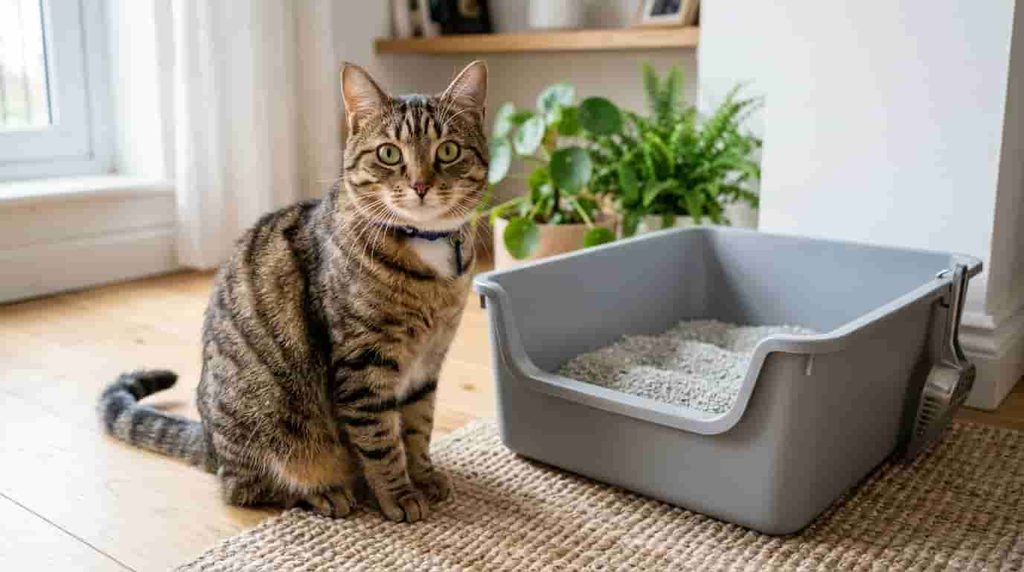
Many cats use clay litter throughout their lives without experiencing any obvious problems. However, product characteristics and individual sensitivities matter a great deal. Litter safety should always be evaluated alongside dust exposure, added fragrances, accidental ingestion risks, respiratory sensitivity, and the cat’s age and health status.
Is Clay Litter Safe for Adult Cats?
For healthy adult cats, quality clay litter is generally well-tolerated. Maintaining proper litter box hygiene and choosing a low-dust, reputable product helps minimize potential irritation.
Are There Extra Concerns for Kittens?
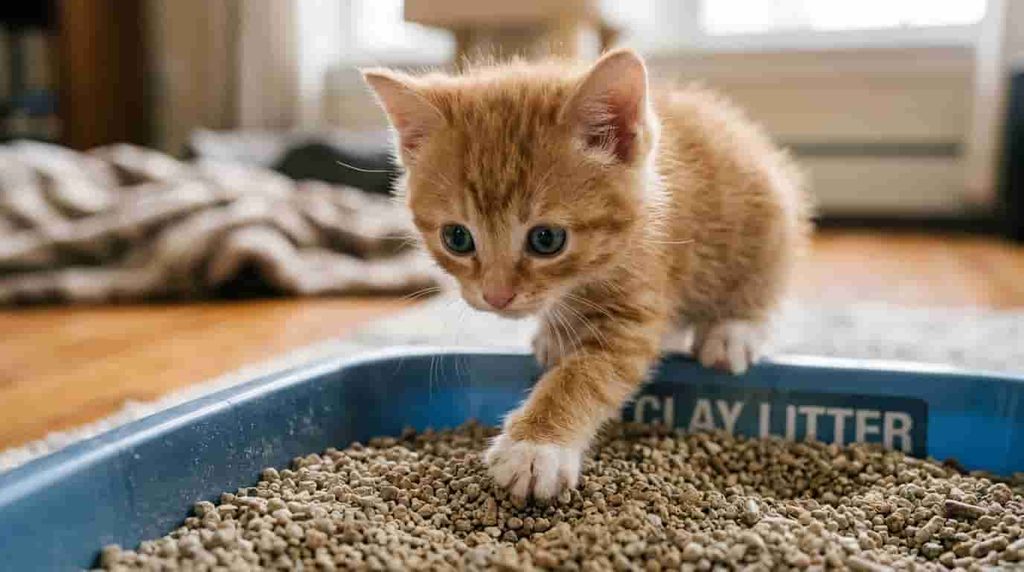
Kittens require closer supervision around the litter box. Their natural curiosity can lead them to taste or ingest litter particles, which can cause digestive upset. Owners should select products carefully and consult a veterinarian if any unusual litter box behaviors arise.
What Are the Disadvantages of Using Clay Cat Litter?
Dust Can Be a Concern
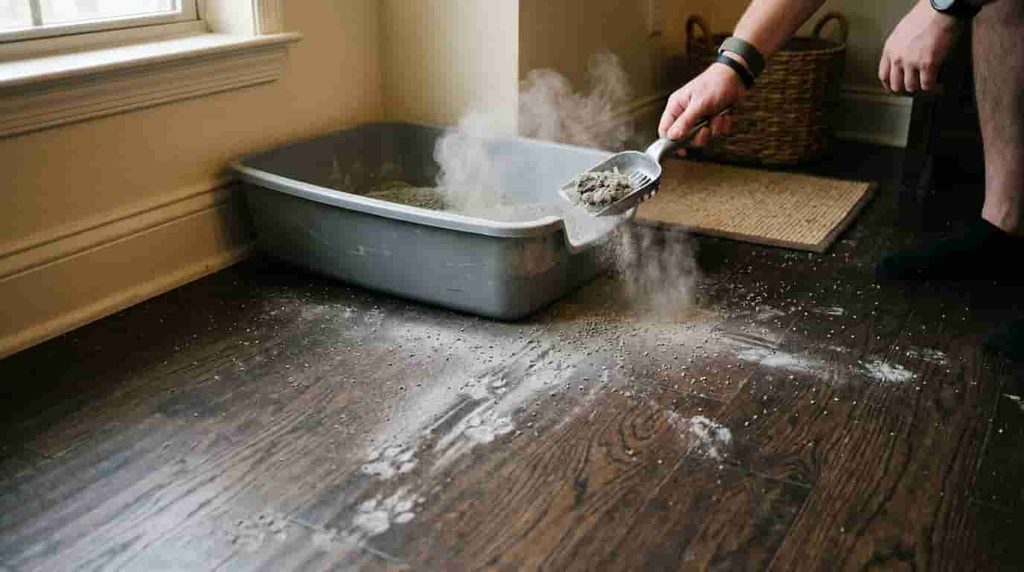
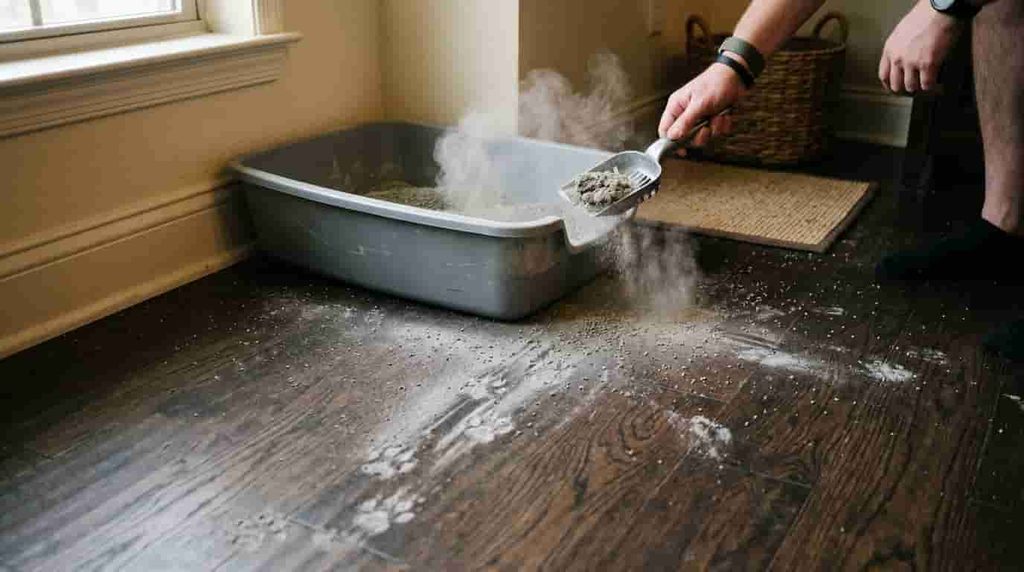
Some clay litters produce more airborne dust than others during pouring and digging. This dust can sometimes irritate the eyes and respiratory tracts of sensitive cats and humans. Seeking out low-dust cat litter or dust-free cat litter options can greatly reduce this issue.
Some Cats May Dislike Fragrances
Many manufactured litters feature heavy chemical scents to mask odors, but these fragrances can be overwhelming or unpleasant for cats with sensitive noses. Unscented cat litter is often a much better choice for feline comfort. For a deeper look at this topic, read Cat Scented Litter: Is It Safe and Better Than Unscented?
Tracking and Cleanup
Fine clay particles easily stick to paws and travel outside the box, landing on floors and furniture. Using targeted litter mats and choosing larger-particle clay can help mitigate tracking.
Environmental Considerations
Traditional clay strip-mining and non-biodegradable disposal have different ecological footprints compared to plant-based products, though eco-friendly clay litter and natural cat litter alternatives each come with their own trade-offs.
Can Cat Clay Litter Cause Allergies or Respiratory Problems?
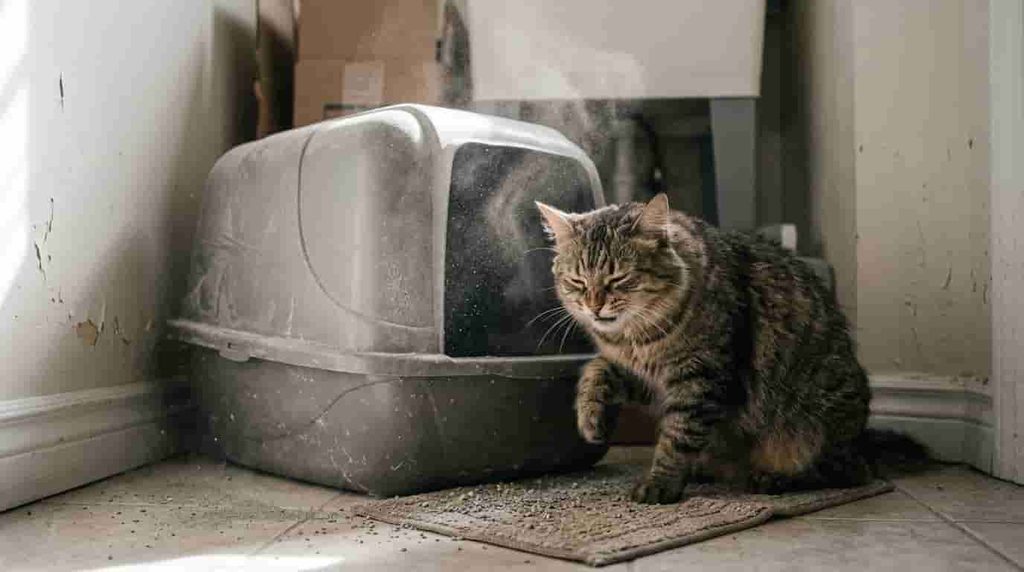
While true allergic reactions to clay itself are relatively uncommon, dust and chemical additives can cause physical irritation and sensitivity.
Signs Your Cat May Not Be Comfortable With the Litter
- Reluctance or refusal to use the litter box
- Sneezing, coughing, or watery eyes around the box area
- Excessive paw-shaking or grooming immediately after exiting the box
- Sudden changes in bathroom habits
Note: These signs can stem from various medical or behavioral issues and should not be automatically blamed solely on the litter.
How to Choose a Safer Cat Clay Litter
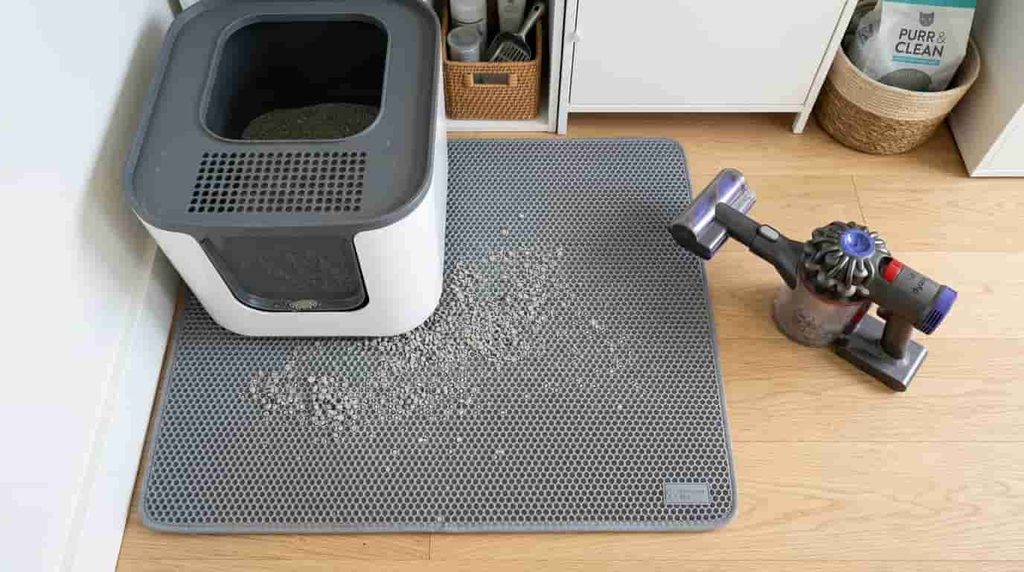
Look for Low-Dust Options
Prioritize brands that explicitly state they use dedusting manufacturing processes to keep the air and box area clean.
Consider Unscented Formulas
Avoid artificial scents that can deter your cat from using the box or trigger respiratory distress.
Choose Between Clumping and Non-Clumping Carefully
Assess your cleaning routine and your cat’s foot-texture preferences before settling on a permanent formula.
Is Clay Litter Good for Multiple Cats?
In multi-cat households, managing hygiene becomes even more critical. Odor control clay litter can help manage smells, but multiple-cat homes must still prioritize frequent scooping, adequate box availability, and low dust accumulation to prevent box avoidance.
What Is the Healthiest Type of Litter for Cats?
There is no single litter material that is automatically healthiest for every cat. The best choice balances low dust, minimal fragrance, comfortable texture, and easy cleaning. When exploring beyond clay, many owners look into natural alternatives:
- When Pine Litter May Be Worth Considering: Compressed pine offers natural odor control and low dust, making it a popular plant-based choice. Learn more in Cat Pine Litter: Pros, Cons, Safety and How It Works.
- When Paper Litter May Be Worth Considering: Recycled paper pellets are exceptionally gentle and virtually dust-free, often recommended post-surgery. Explore the details in Cat Paper Litter: Is It Safe, Effective and Worth Using?.
Do Vets Recommend Clay Litter?

Veterinarians do not issue a blanket recommendation for or against clay litter. Recommendations depend entirely on the individual cat’s age, respiratory health, existing medical conditions, and bathroom habits. Always seek personalized veterinary guidance if your cat exhibits respiratory symptoms or litter box aversion.
When Should You Switch From Clay Litter?
Consider transitioning to a different litter if your cat consistently avoids the box, if the dust level triggers coughing in your home, if artificial fragrances bother your pet, or if your veterinarian advises a medical change.
How to Change Cat Litter Without Stressing Your Cat
Transition gradually over a week by mixing a small amount of the new litter into the old clay litter, slowly increasing the ratio until your cat fully adjusts.
How to Use Cat Clay Litter More Safely
- Select low-dust or dust-free formulas whenever possible.
- Stick to unscented varieties to protect sensitive feline respiratory systems.
- Scoop waste daily and scrub the box regularly.
- Monitor your cat for any sudden behavior or breathing changes.
Is Cat Clay Litter Right for Your Cat?
Clay litter remains a practical, highly functional choice for millions of households, provided your cat accepts the texture and the product meets your home’s health and cleanliness standards.
Final Thoughts on Cat Clay Litter
Cat Clay Litter can be a practical and suitable choice for many cats, but the specific product and your cat’s individual needs should always guide your decision. By prioritizing low-dust options, avoiding harsh fragrances, maintaining strict box hygiene, and consulting your veterinarian when health concerns arise, you can ensure a safe and comfortable environment for your pet.
What type of litter does your cat prefer, and have you ever needed to switch formulas to keep them happy? Let us know below!
Frequently Asked Questions
Many cats use clay litter successfully throughout their lives, but dust levels, artificial fragrances, and individual sensitivities can affect its overall safety and comfort.
The primary drawbacks include airborne dust, tracking throughout the house, potential fragrance irritation, and environmental considerations regarding disposal.
Clumping litter offers superior ease of scooping and spot-cleaning, whereas non-clumping options may suit certain kittens or specific cat preferences better.
There is no universal answer; the healthiest litter is whatever option keeps your cat comfortable, dust-free, respiratory-healthy, and consistently using the box.
A switch is worth exploring if your current clay litter creates excessive dust, triggers sensitivities, or causes your cat to avoid the box entirely.