
Can Cats See in the Dark? How Well Can Cats See at Night?
Introduction
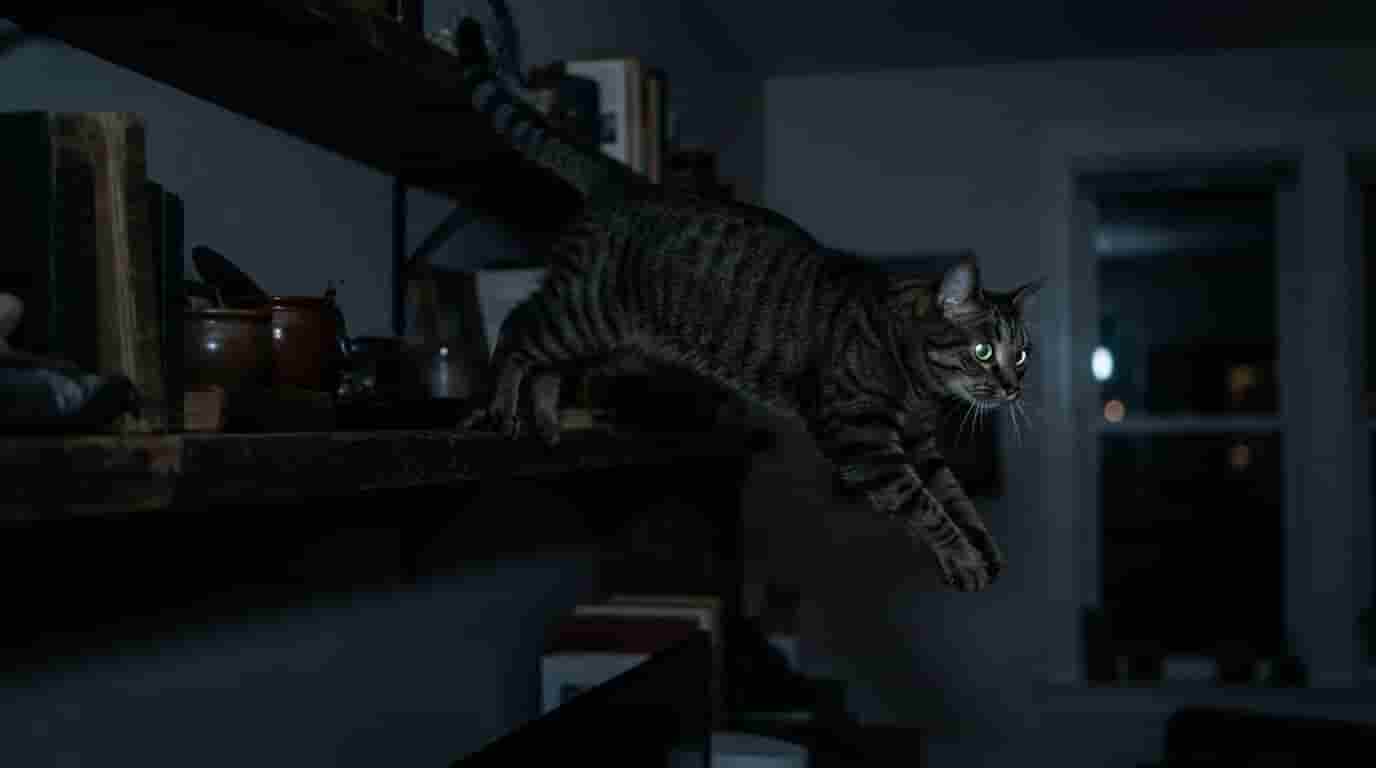
Can Cats See in the Dark? Cats cannot see in complete darkness, but they see extremely well in very low light. Their eyes are specially adapted to detect and use small amounts of available light to navigate their surroundings.
Several key factors drive feline night vision, including:
- A high number of specialized rod cells
- Large pupils that admit more light into the eye
- A reflective layer behind the retina
- Other unique features of feline eye structure
This article explores how cats see at night, how their vision compares with humans and other animals, and whether owners should leave a light on for them.
Can Cats See in the Dark?
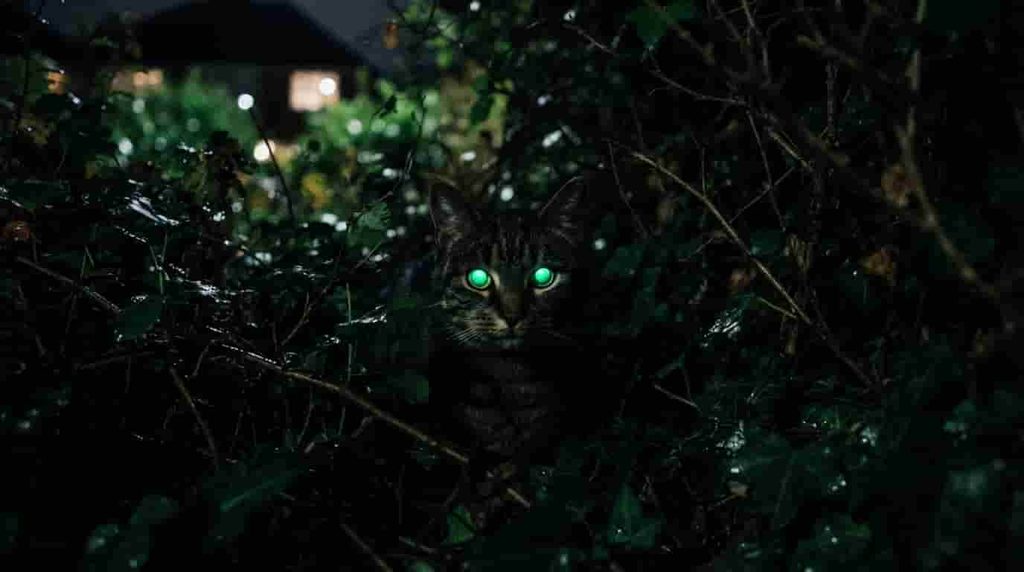
Cats cannot see in pitch-black, complete darkness, but they excel in low-light conditions. There is a distinct difference between true darkness and low-light environments. While a dim room may appear completely dark to a human eye, it can still provide enough visual information for a cat to navigate comfortably. Key aspects of this ability involve cat night vision, feline night vision, low light vision in cats, and overall cat eyesight.
Can Cats See in Complete Darkness?
Without any visible light at all, the eyes have nothing to detect. The common myth that cats can see perfectly in total darkness is scientifically false. When visual information is limited, cats rely heavily on their other senses, including acute hearing, a powerful sense of smell, and sensitive facial whiskers, to move around safely.
How Well Can Cats See in a Dark Room?
How well a cat sees depends entirely on how much light is present. Small amounts of moonlight, street light filtering through a window, or ambient indoor light give cats plenty of visual cues. A completely dark room poses challenges for them just as it does for humans, but a dimly lit room is easily managed.
Why Cats Have Such Good Night Vision
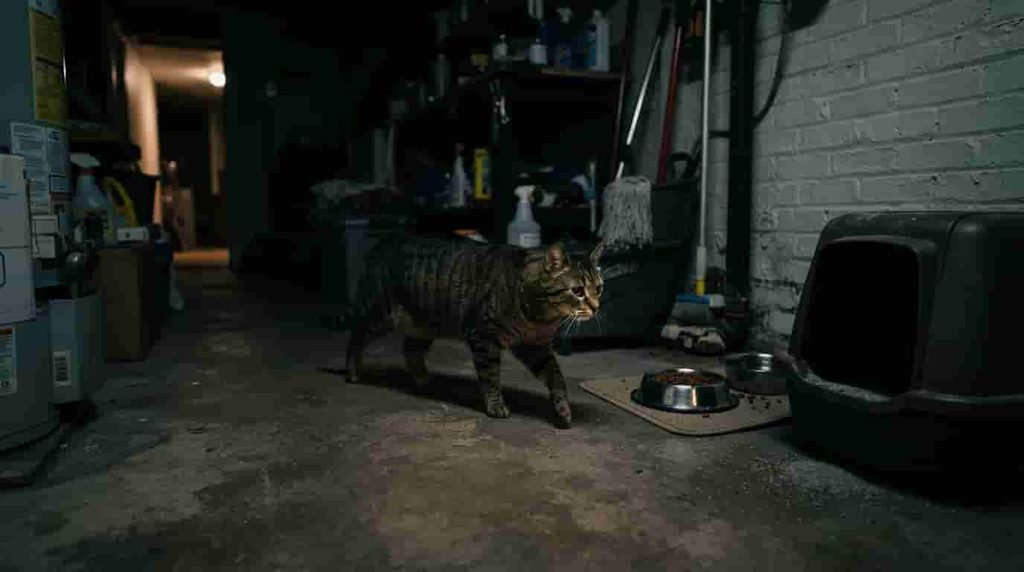
No single feature gives cats their exceptional night vision; instead, several advanced structural adaptations work together.
Rod Cells Help Cats Detect Low Light
The retina contains two main types of light-sensitive cells: cones (which handle color and detail in bright light) and rods (which detect motion and function in dim light). Cats have a vastly higher concentration of rod cells, making them incredible at operating in dim conditions and hunting during twilight hours.
Large Pupils Let More Light Into the Eye
In dim conditions, a cat’s pupils expand dramatically, allowing more available light to flood the eye. To learn more about how the aperture adapts during arousal and low light, check out Why Do Cats’ Pupils Get So Big? What Dilated Pupils Mean
.
The Tapetum Lucidum Reflects Light
The tapetum lucidum is a reflective layer located behind the retina. This acts like a biological mirror, reflecting light back through the retina to give light-sensitive cells a second opportunity to detect it. This cat eye reflective layer is central to the science of cat eyes and creates a fascinating optical phenomenon in cat eyes.
Why Do Cats’ Eyes Glow at Night?
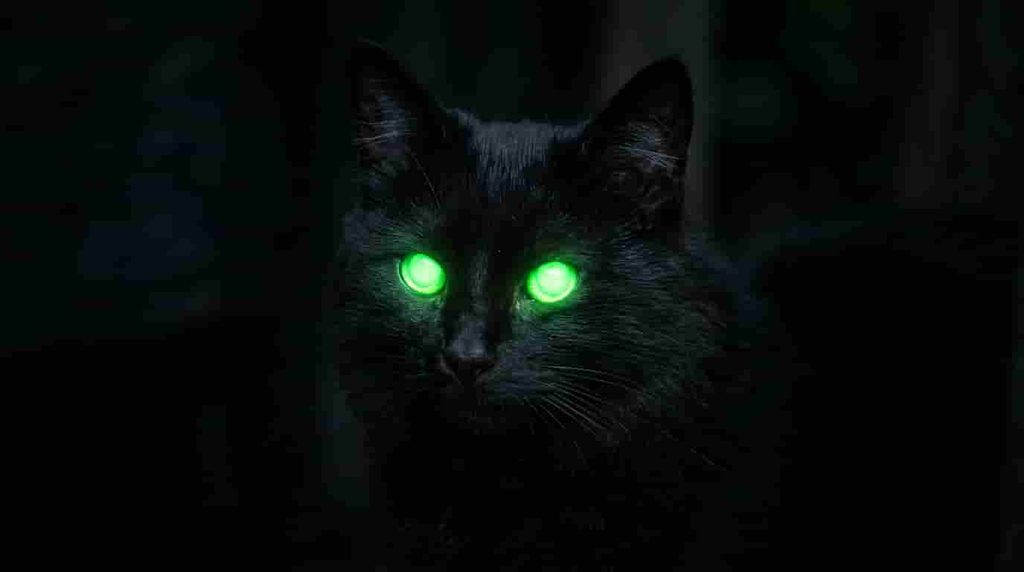
Cats’ eyes do not actually produce light; the visible glow is entirely reflected external light. The tapetum lucidum causes this effect, producing cats’ eyes reflection, feline ocular reflection, nocturnal eye shine, and a general cats’ eye shine explanation.
Why Do Cats’ Eyes Reflect Light at Night?
Headlights, flashlights, and camera flashes create noticeable eye shine when the angle between the light source, the cat’s eyes, and the observer aligns. For a deeper dive into this phenomenon, read Why Do Cats’ Eyes Glow at Night? The Science Behind Their Eye Shine
.
How Cats See in Low Light Compared With Humans
Feline vision and human vision differ significantly in their respective evolutionary strengths.
Cats Are Better at Detecting Movement in Dim Light
Because of their high rod cell density, cats excel at picking up minor movements and changes in contrast in the dark, which serves their natural predatory instincts.
Human Vision Has Different Strengths
Humans enjoy superior visual sharpness (acuity) and richer color perception in bright daylight, meaning cats do not universally “see better” than humans in every scenario.
Do Cats Have Better Night Vision Than Humans?
Cats are far better adapted to low-light conditions than humans, but they still share the same physical limitation of being unable to see in absolute, pitch-black darkness.
Can Cats See Better in the Dark Than Dogs?
Both cats and dogs possess a tapetum lucidum and strong low-light adaptations, but their visual profiles differ based on their breeding history and evolutionary backgrounds. Neither species holds a universal advantage in every single low-light environment.
Do Cats See Clearly at Night?
Seeing in low light and seeing fine detail are two different functions. A cat may excel at tracking movement in the dark without perceiving the same sharp, crisp details that a human sees in bright daylight. This balance defines cat vision at night, feline vision, and how well do cats see at night.
What Do Cats See in the Dark That Humans May Miss?
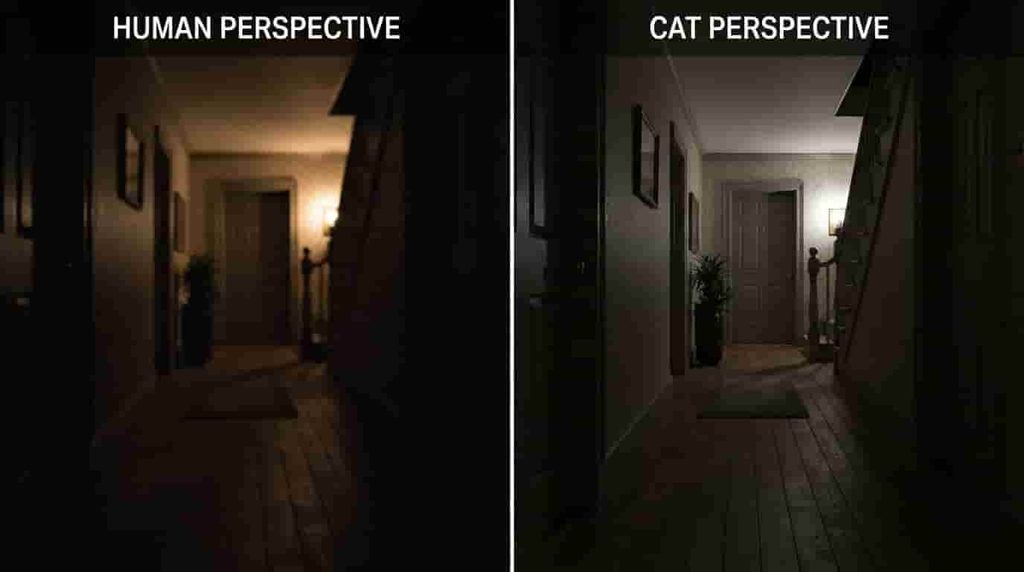
Cats make superior use of faint ambient light, effortlessly tracking movement and contrast in shadows. They do not possess supernatural or invisible sight, but their heightened senses work in tandem with their vision.
Hypothetical Example: A cat and a person enter a dim hallway at night. The person may struggle to identify objects in the shadows, while the cat easily detects movement and navigates around familiar furniture using low-light vision and tactile whiskers.
Should You Leave a Light On at Night for Your Cat?
Healthy cats generally do not need a bright light left on solely to help them see at night. Familiar surroundings and predictable layouts matter far more than artificial lighting.
Is It Cruel to Leave a Cat in the Dark?
Normal darkness is not harmful or cruel. Cats naturally rest and function across changing light cycles, and access to clean water, food, a litter box, and safe resting areas matters much more than leaving a lamp burning.
When a Small Light Might Be Helpful
A gentle nightlight can be beneficial in specific situations, such as:
- An older cat experiencing age-related vision decline
- A new cat adjusting to an unfamiliar home
- A multi-level home with stairs or tricky obstacles
Can Cats Find Their Litter Box, Food, and Water in the Dark?
Familiar surroundings and scent cues help cats navigate effortlessly at night. However, complete darkness can occasionally slow them down. To help them, keep essential resources in fixed, consistent locations and avoid rearranging furniture unnecessarily.
How a Cat’s Pupils Support Night Vision
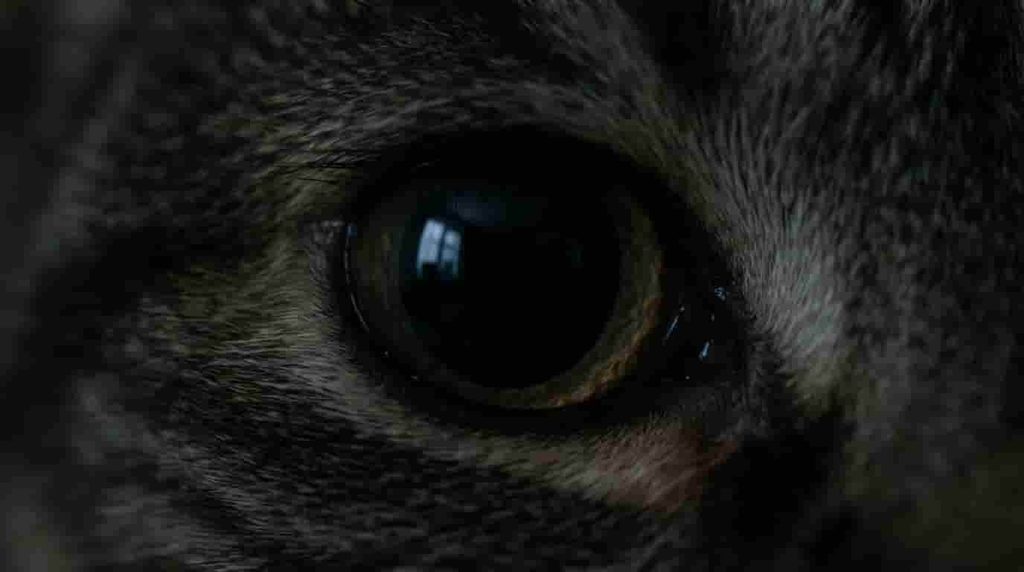
A cat’s vertical pupils can narrow to a fine slit in blinding sunlight or expand into wide, full circles in dim environments to control light exposure. To explore the evolutionary mechanics behind pupil shapes, see Why Do Cats Have Vertical Pupils? The Surprising Reason Behind Them
.
Common Myths About Cats and Darkness
- Myth 1: Cats Can See in Complete Darkness.Fact: Cats require some available light to see.
- Myth 2: Cats See Everything Clearly at Night.Fact: Low-light sensitivity trades off against fine visual sharpness.
- Myth 3: Glowing Eyes Mean a Cat Can See in Total Darkness.Fact: Eye shine is just a reflection mechanism, not a source of sight.
- Myth 4: Every Cat Sees the Same Way.Fact: Age, individual health, and eye conditions impact visual capacity.
What Can Changes in Your Cat’s Eyes Tell You About Their Health?

Unusual changes in a cat’s eyes or vision can indicate underlying medical concerns. Watch for sudden cloudiness, persistent discharge, squinting, redness, uneven pupil sizes, or sudden difficulty navigating familiar rooms. Consult a veterinarian if you notice any sudden or concerning symptoms.
When Should You Contact a Veterinarian About Your Cat’s Vision?
Seek prompt veterinary evaluation if you observe:
- Sudden, unexplained vision changes
- Bumping into walls or furniture
- Sudden asymmetry in pupil size
- Persistent squinting or eye closure
- Signs of eye pain or discomfort
- Sudden cloudiness or unusual ocular appearance
Can Cats See in the Dark? The Bottom Line
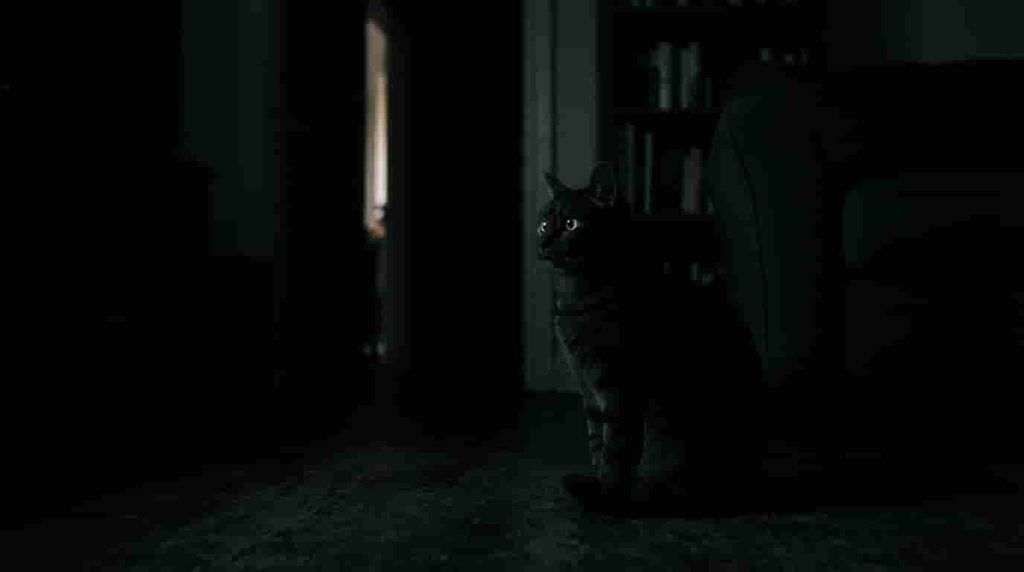
Can Cats See in the Dark? Cats cannot see in complete darkness, but they are highly adapted to see exceptionally well in very low light. Their large pupils, specialized rod cells, reflective eye layer, and keen senses all help them navigate the night. A cat’s eyes are designed to make the absolute most of available light rather than create light from nothing.
Have you ever watched your cat effortlessly chase a toy across a dimly lit room at midnight? Share your experiences below!
Frequently Asked Questions
Most healthy cats do not need a bright light left on, though individual cats with vision difficulties or those in unfamiliar environments may benefit from gentle nightlighting.
Cats cannot see without any available light, though their hearing and whiskers help them navigate absolute darkness safely.
Eye shine varies due to chemical and structural differences in the tapetum lucidum, as well as the angle of the incoming light source and the observer’s position.
Domestic cats share the same fundamental visual anatomy and night vision capabilities regardless of whether they live exclusively indoors or spend time outside.
Aging and certain medical conditions can degrade vision over time; consult a veterinarian if you notice a decline in your cat’s ability to navigate in dim light.