
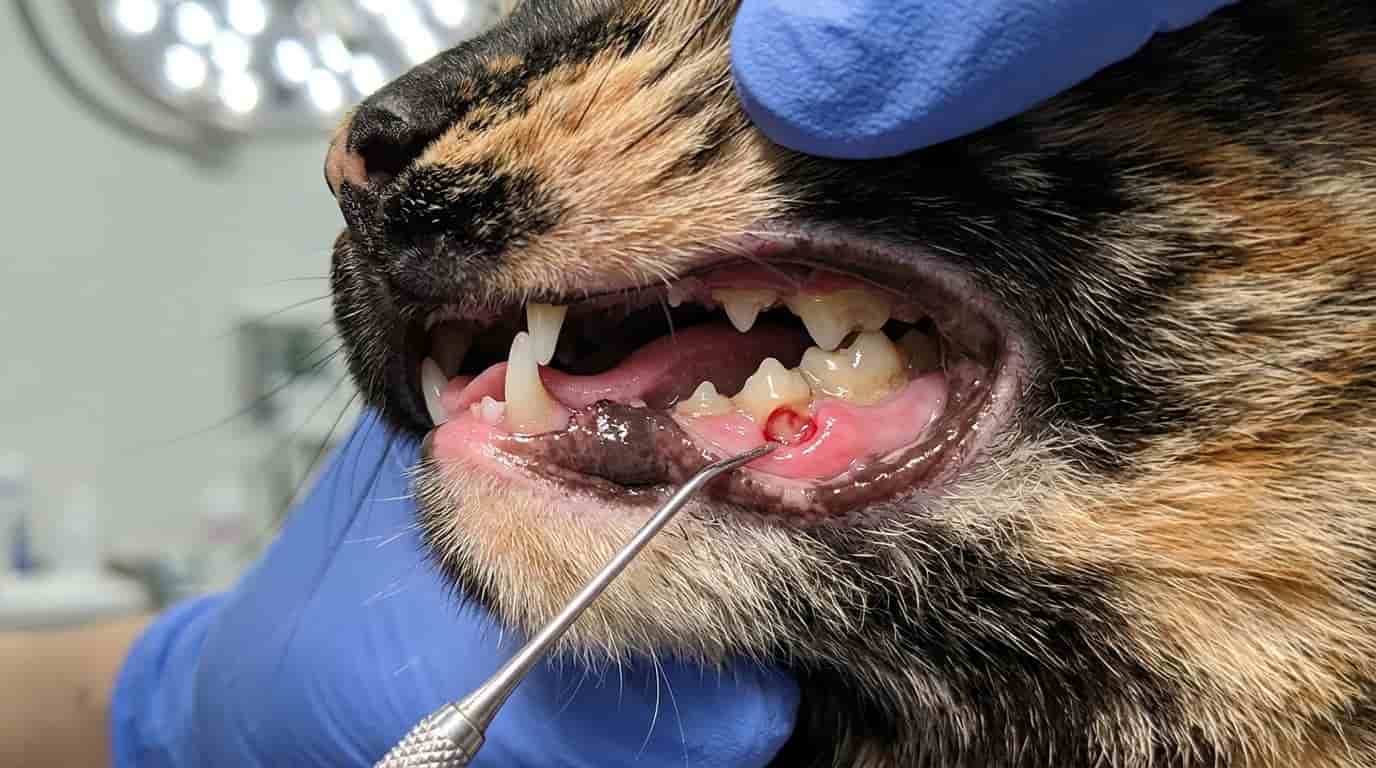
Cat Dental Disease: How to Spot Rot and Prevent Tooth Loss
Introduction:
Cat dental disease is one of the most common health problems veterinarians treat every single day. Yet most cat owners never even think about their cat’s teeth until something goes seriously wrong. By that point, their cat has already been living in quiet, hidden pain for weeks or even months.
Here is a startling fact. According to the Cornell University College of Veterinary Medicine, an estimated 50 to 90 percent of cats over four years old suffer from some form of cat dental disease. That is an overwhelming majority of the pet cats living in homes right now.
The challenge is that cats hide pain exceptionally well. Therefore, dental problems often go undetected until they reach an advanced and much more serious stage. However, knowing exactly what to look for changes everything about how early you catch and treat these problems.
This guide covers the real warning signs owners miss, the specific conditions that cause tooth loss, and the simple steps you can start taking today to protect your cat’s mouth. Additionally, you will learn how cat dental disease connects to serious problems in other areas of your cat’s overall health.
Cat Dental Disease: The Most Common Conditions You Need to Know
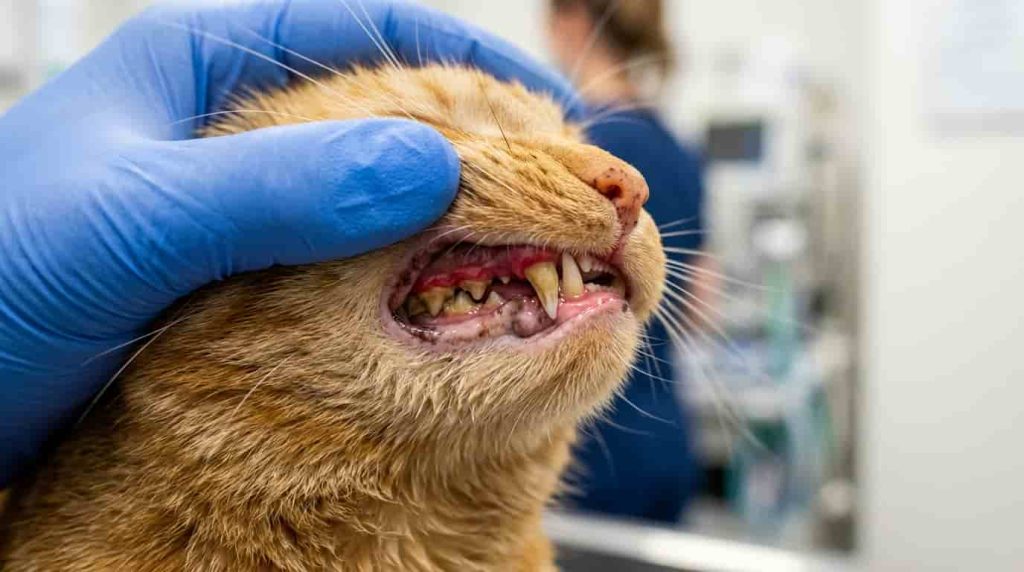
Cat dental disease is not a single condition. It is actually an umbrella term covering several different problems that develop in and around your cat’s teeth and gums. Understanding each one helps you recognize what you are dealing with far more quickly.
Feline periodontal disease is the most widespread dental condition in cats by far. It starts when plaque builds up along the gumline and hardens into tartar within just a few days. Over time, this tartar pushes bacteria beneath the gumline, causing painful inflammation and eventually destroying the bone that holds teeth in place.
Cat gingivitis is an early stage of periodontal disease that is still fully reversible with proper care. The gums appear red, swollen, and irritated rather than a healthy pale pink. This stage represents your best window of opportunity to intervene before serious damage takes hold.
Tooth resorption affects a significant number of cats and causes the tooth structure to literally break down from the inside outward. It is extremely painful, and yet cats rarely show obvious signs until the damage becomes severe. Many veterinarians consider this one of the most underdiagnosed sources of chronic feline pain.
Feline stomatitis causes severe, widespread inflammation throughout the entire mouth. Cats with this condition experience intense pain that makes eating extremely difficult. Furthermore, stomatitis often requires aggressive veterinary treatment including the extraction of multiple teeth.
Early Signs of Dental Disease in Cats That Owners Miss
Catching cat dental disease early makes treatment simpler, less expensive, and far less painful for your cat. The problem is that most early signs are subtle enough for owners to overlook for months at a time.
Watch closely for these warning signs:
- Bad breath that smells noticeably foul or rotten rather than just mildly unpleasant
- Yellow or brown buildup visible along the gumline or on the surface of the teeth
- Red or swollen gums that look inflamed rather than a smooth healthy pink
- Drooling more than usual or leaving wet spots where your cat rests their chin
- Pawing at the mouth or face repeatedly without any obvious external cause
- Dropping food while eating or suddenly preferring soft food over dry kibble
- Eating on one side of the mouth only to avoid painful areas on the other side
- Reduced grooming because opening the mouth or moving the jaw causes discomfort
Many cat owners notice their cat seems less interested in food and assume their cat is simply being picky. However, a sudden change in eating habits is one of the clearest early signals that something is wrong inside the mouth.
Consider the experience of Linda in Portland, Oregon. Her seven-year-old cat Miso started leaving half his dry food bowl untouched every evening. Linda assumed Miso was bored with the flavor. At the next vet visit, the veterinarian discovered three teeth with significant resorption lesions. Miso had been quietly managing serious mouth pain for an unknown stretch of time before the diagnosis.
Why Cat Dental Health Affects Far More Than Just the Teeth

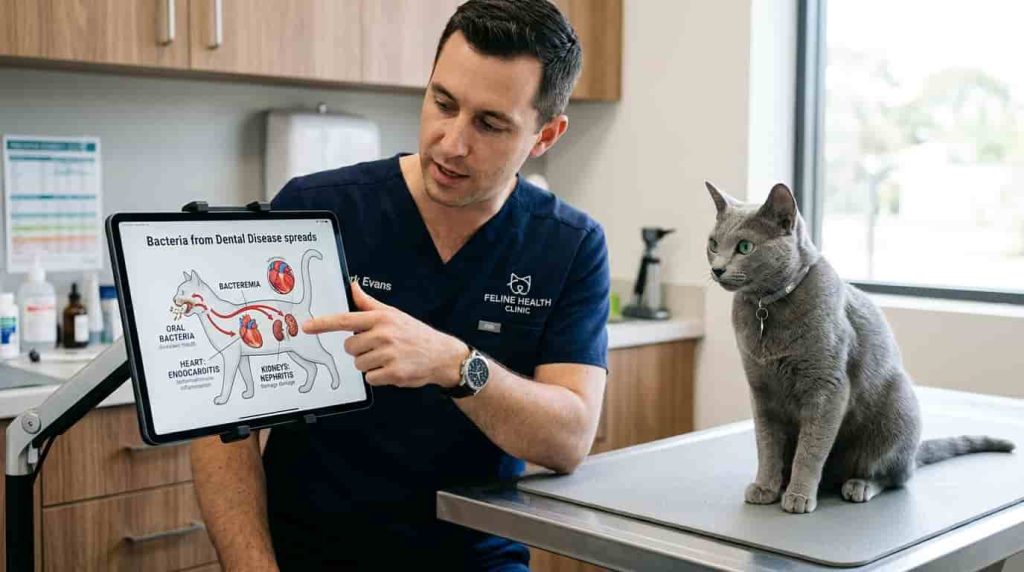
Many people treat cat oral health as a cosmetic issue or a low-priority concern compared to other health problems. This perspective is a serious and potentially dangerous mistake. Cat dental disease does not stay contained to the mouth.
Bacteria from infected gums enter the bloodstream every time your cat eats, chews, or swallows. These bacteria travel to major organs and cause inflammation and damage over extended periods of time. The kidneys, heart, and liver are the three organs most frequently affected by untreated dental infections.
This connection makes cat oral care directly relevant to preventing larger systemic health crises later in life. If your cat already has concerns in this area, reading about cat kidney health gives you crucial context about how oral bacteria can contribute to renal stress. Furthermore, cats managing cat diabetes symptoms face additional complications when dental disease goes untreated because chronic infection raises blood sugar regulation challenges significantly.
Additionally, the immune system works harder when fighting persistent oral infections. Over time, this constant immune burden weakens your cat’s overall ability to fight off other illnesses and infections effectively.
How to Build a Dental Care Routine for Your Cat at Home

Preventing feline dental disease starts at home with consistent daily habits. Many owners assume that professional cleanings alone are enough to protect their cat’s teeth. However, home care between those annual or biannual vet visits makes an enormous difference in how quickly tartar builds up.
Here is a practical step-by-step approach to cat dental hygiene at home:
1. Start with finger rubbing before introducing a toothbrush. Gently rub your finger along your cat’s gumline daily for one to two weeks first. This gets your cat comfortable with the sensation of something touching their teeth and gums before any brushing begins.
2. Introduce cat-specific toothpaste gradually. Use only toothpaste formulated for cats. Human toothpaste contains ingredients that are toxic to cats and should never be used on them. Let your cat taste the toothpaste from your finger so they begin to associate it with something positive.
3. Begin gentle brushing in short sessions. Use a soft-bristled cat toothbrush or a finger brush and focus on the outer surfaces of the back teeth first. These surfaces accumulate the most tartar and benefit most from regular brushing. Aim for thirty seconds per side initially and build up gradually over time.
4. Add dental support products between brushing sessions. Dental water additives, dental treats with the Veterinary Oral Health Council seal of approval, and dental chew toys all help reduce plaque buildup between brushing sessions. They do not replace brushing, but they do provide meaningful additional support.
5. Schedule professional dental cleanings annually. Your veterinarian performs thorough cat dental cleanings under anesthesia to clean beneath the gumline where home brushing simply cannot reach. These cleanings catch problems that would otherwise silently worsen between home care sessions.
When to Take Your Cat to the Vet for Dental Problems
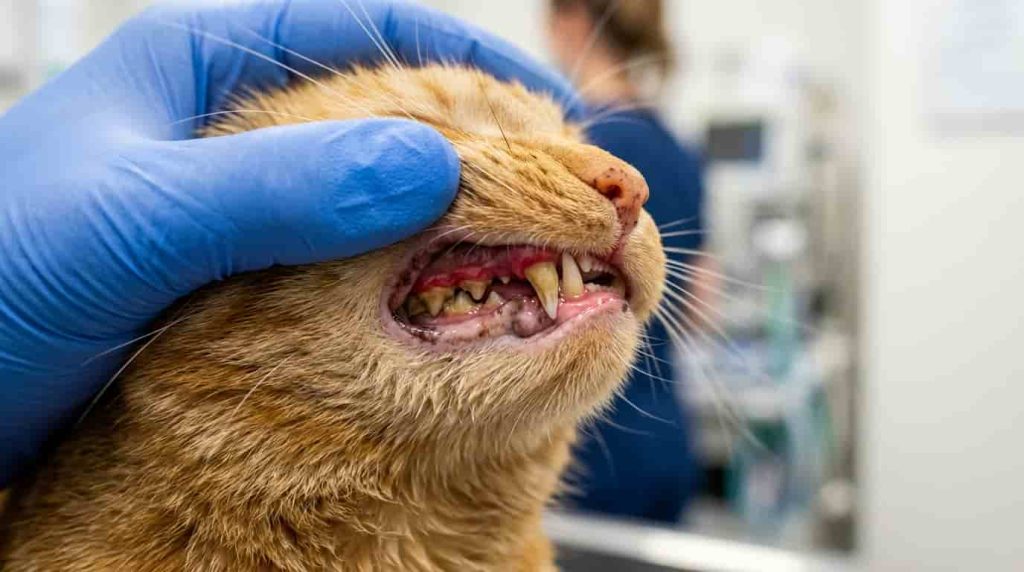
Some situations require professional veterinary attention without delay. Do not wait for your cat’s next routine checkup if you notice any of the following:
- Visible broken or cracked teeth
- Bleeding gums that do not resolve within a day or two
- A lump or swelling along the jaw or under the chin
- Your cat completely refusing to eat for more than 24 hours
- Severe drooling mixed with blood or brown discoloration
- Any sign of extreme mouth pain such as loud vocalizations while eating
Dental procedures for cats require general anesthesia to allow the veterinarian to do a thorough examination and cleaning safely. While this concerns some owners, the ASPCA confirms that modern veterinary anesthesia protocols make professional dental cleanings safe for the vast majority of healthy adult cats.
Delaying necessary dental treatment always makes the eventual procedure more complex and more expensive. Early-stage cat gingivitis requires a relatively simple cleaning. Advanced feline periodontal disease with bone loss may require multiple extractions and a significantly longer recovery period afterward.
It is also worth noting that cats dealing with ongoing stress or flea infestations sometimes show worsening dental inflammation because of the effect chronic stress has on the immune system. Staying current with cat flea prevention is therefore part of keeping your cat’s overall health in strong shape year-round.
Conclusion
Cat dental disease is silent, incredibly common, and entirely preventable with the right approach and consistent care. Start by checking your cat’s mouth once a week for any of the early warning signs covered in this article.
Build a simple home dental hygiene routine using cat-safe toothpaste and a soft brush. Schedule annual professional cleanings with your veterinarian so problems beneath the gumline never go undetected. Remember that protecting your cat’s teeth also protects their kidneys, heart, and overall quality of life.
Catching and treating cat dental disease early gives your cat years of pain-free eating, comfortable grooming, and genuinely better health. Have you ever dealt with dental problems in your own cat? Share your story in the comments below and let others know what warning signs you first noticed!
Frequently Asked Questions
Look for bad breath, yellow or brown buildup on the teeth, red swollen gums, and changes in eating habits like dropping food or avoiding dry kibble. Any of these signs warrants a veterinary dental exam as soon as possible. Cats hide pain well, so even subtle changes deserve prompt attention.
Most veterinarians recommend a professional cat dental cleaning once every year for adult cats. Cats with a history of dental disease or fast tartar buildup may need cleanings every six months instead. Your vet will recommend the right frequency based on your individual cat’s oral health history.
Yes, daily brushing at home is one of the most effective ways to prevent plaque buildup and slow the progression of dental problems. Use only toothpaste specifically formulated for cats and a soft-bristled cat toothbrush. Start slowly and build the habit gradually so your cat learns to tolerate and eventually accept the routine.
Untreated dental disease causes chronic pain, tooth loss, and serious bacterial infections that can spread to the kidneys, heart, and liver over time. Many cats with severe untreated dental disease lose multiple teeth and require complex surgical extractions. Starting treatment early prevents this painful and costly outcome.
Coverage for dental disease varies significantly between insurance providers and individual policy plans. Some plans cover dental illness but exclude dental accidents, while others exclude pre-existing dental conditions entirely. Always read the specific dental coverage terms carefully before choosing a pet insurance plan for your cat.