Cat Flea Prevention: The Best Ways to Keep Bugs Off Your Cat
Introduction:
Cat flea prevention is one of the most important things you can do to protect your cat’s health and comfort every single year. Most owners only start thinking about fleas after they spot one jumping across their couch cushion. By that point, your home and your cat are already dealing with a full infestation that takes weeks to completely eliminate.
Here is the reality that shocks many cat owners for the first time. Adult fleas living on your cat actually represent only about five percent of the total flea population in your home. The remaining ninety-five percent consists of eggs, larvae, and pupae hiding in your carpet, furniture, and bedding right now.
This is exactly why prevention beats treatment every single time. Stopping fleas before they establish themselves saves you enormous time, money, and stress compared to fighting an active infestation after the fact. Furthermore, fleas cause health problems in cats that extend well beyond simple itching and discomfort.
This guide gives you a complete picture of the best flea prevention options available today. You will also learn how fleas affect your cat’s wider health, which products actually work, and how to flea-proof your home environment as effectively as your cat itself.
Cat Flea Prevention: Why It Matters More Than Most Owners Realize

Many cat owners treat fleas as a minor nuisance rather than a genuine health threat. However, fleas cause serious medical problems in cats that go far beyond surface-level scratching and skin irritation.
Here is what fleas actually do to a cat’s body over time:
- Flea allergy dermatitis develops when cats become hypersensitive to flea saliva. A single flea bite triggers intense itching, hair loss, and painful skin lesions in sensitive cats. This condition becomes one of the most common skin problems veterinarians treat in cats each year.
- Tapeworm infection occurs when cats groom themselves and accidentally swallow infected fleas. The tapeworm uses the flea as an intermediate host and establishes itself in your cat’s intestinal tract. Therefore, a flea problem almost always brings a tapeworm problem right alongside it.
- Anemia develops in kittens, elderly cats, and small cats when heavy flea infestations consume enough blood to cause dangerous drops in red blood cell counts. Severe anemia from fleas can become life-threatening remarkably quickly in vulnerable cats.
- Bartonella infection also known as cat scratch disease spreads through flea feces entering scratched skin. While this condition affects humans more visibly than cats, it shows that fleas carry bacterial pathogens as well as parasites.
According to the ASPCA, fleas remain one of the most common external parasites affecting domestic cats worldwide and represent a year-round health risk in most climates rather than a seasonal concern alone.
The chronic immune stress of a persistent flea infestation also compounds other health conditions your cat may already manage. Cats dealing with cat diabetes symptoms or cat kidney health challenges face additional strain on their systems when fleas add a layer of ongoing immune activation and discomfort simultaneously.
How to Tell If Your Cat Already Has Fleas
Before choosing a prevention approach, confirm whether your cat currently has fleas or whether you are starting from a clean baseline. These two situations call for different first steps.
Check for these signs of an active flea problem:
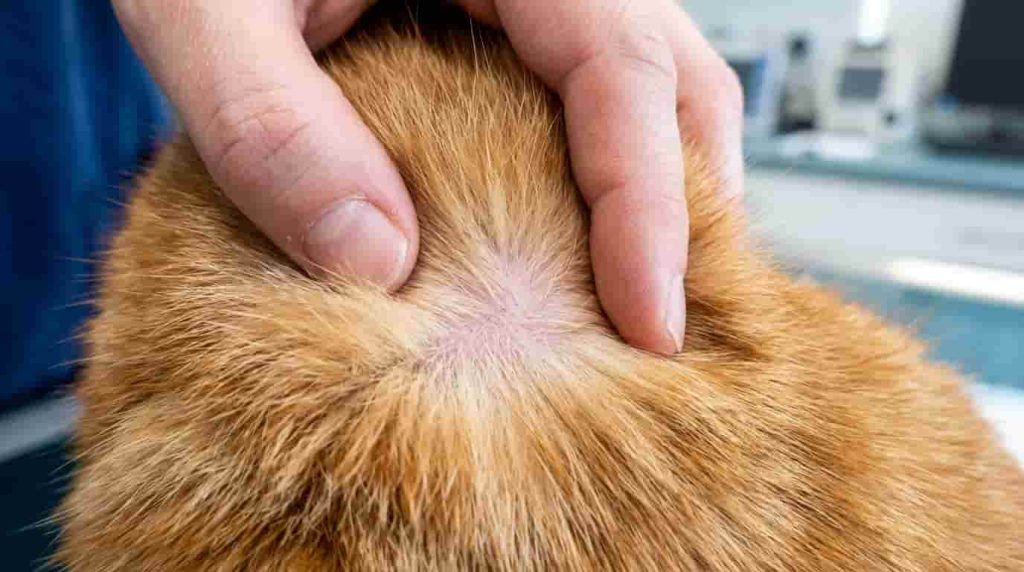
- Flea dirt which looks like tiny black or reddish-brown specks in your cat’s coat, particularly around the base of the tail and belly area
- Excessive scratching, biting, or grooming concentrated around the neck, head, and tail base
- Hair loss or bald patches from constant scratching and overgrooming of affected areas
- Small red bumps or scabs along the back, belly, and inside the hind legs
- Restlessness particularly at night when flea activity increases and biting intensifies
A simple test confirms whether those black specks are flea dirt or ordinary debris. Place a few specks on a damp white tissue and press gently. Flea dirt dissolves into a reddish-brown smear because it consists primarily of digested blood. Regular dirt stays dark and does not smear in the same distinctive way.
If your cat tests positive for fleas, treat the infestation first before switching into a pure prevention routine. Starting preventive products on a cat that already carries an active flea burden reduces their effectiveness significantly.
The Best Flea Prevention Products for Cats Available Today
The feline flea control market offers more options than ever before, which helps but also creates genuine confusion for cat owners trying to choose wisely. Understanding how each category of product works helps you select the right tool for your specific situation and cat.
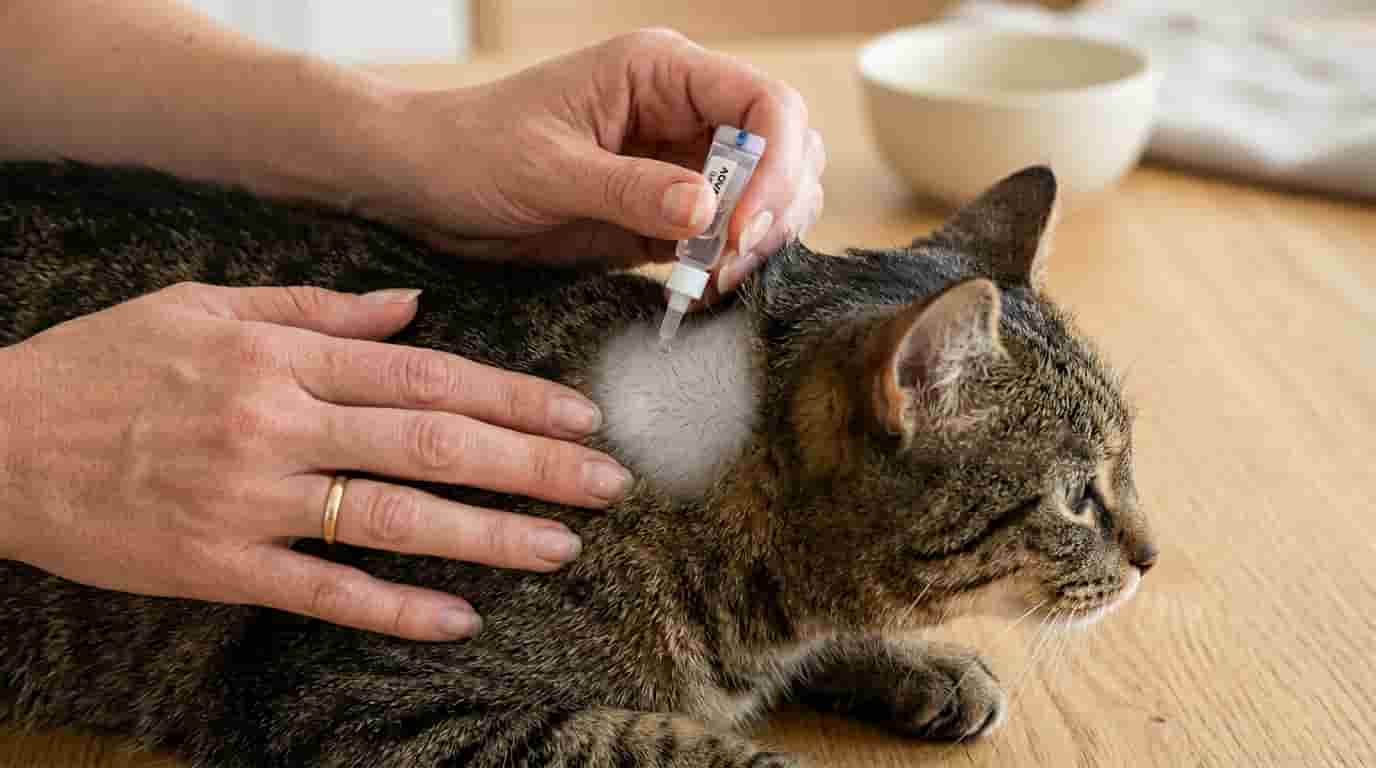
Topical flea prevention for cats represents the most widely used category by cat owners globally. These spot-on treatments apply directly to the skin between your cat’s shoulder blades once monthly. They spread through your cat’s natural skin oils and kill fleas on contact before they can bite. Products in this category include well-known brands that your veterinarian can recommend based on your cat’s specific weight and health history.
Oral flea prevention works from the inside out by circulating the active ingredient through your cat’s bloodstream. When a flea bites your cat, it ingests the medication and dies before completing its reproductive cycle. Oral treatments work particularly well for cats with skin sensitivities who react poorly to topical applications.
Flea prevention collar for cats has improved dramatically in recent years compared to older collar technologies. Modern prescription-grade collars release active ingredients continuously over several months, providing sustained protection between other treatment applications. However, always choose veterinary-recommended collars because some over-the-counter collars contain ingredients that can cause serious toxicity in cats.
Flea prevention products for cats also include environmental sprays, household foggers, and premise treatments. These products target the ninety-five percent of the flea population living in your home rather than on your cat. Using a cat-safe household spray alongside your cat’s personal prevention product creates a far more complete and effective barrier.
Consider the experience of Rachel in Brisbane, Australia. Her indoor cat Noodle developed severe flea allergy dermatitis despite rarely going outside. Rachel could not understand how Noodle kept getting exposed to fleas in a seemingly controlled environment. Her vet explained that fleas hitch rides indoors on clothing, shoes, and through window screens with remarkable ease. Rachel started treating both Noodle with a monthly topical treatment and treating her home environment with a veterinary-recommended household spray. Noodle remained completely flea-free for the following year.
Natural Flea Prevention for Cats: What Works and What to Avoid

Many cat owners prefer natural approaches to flea control, either as a standalone strategy or alongside conventional products. Some natural options genuinely support prevention. Others popular on the internet carry real dangers for cats that owners need to understand clearly before using them.
Safe and helpful natural approaches include:
- Regular fine-tooth combing with a flea comb to physically remove adult fleas and flea dirt from the coat. This works best as a monitoring and early detection tool rather than a standalone prevention strategy.
- Frequent vacuuming of all carpets, furniture, and baseboards to remove flea eggs and larvae from your home environment before they complete their development cycle.
- Washing your cat’s bedding weekly in hot water to kill eggs and larvae hiding in fabric fibers throughout your home.
- Diatomaceous earth food-grade formula applied carefully to carpets and pet bedding can help reduce environmental flea populations when used correctly and kept away from your cat’s respiratory system.
Approaches to strictly avoid include:
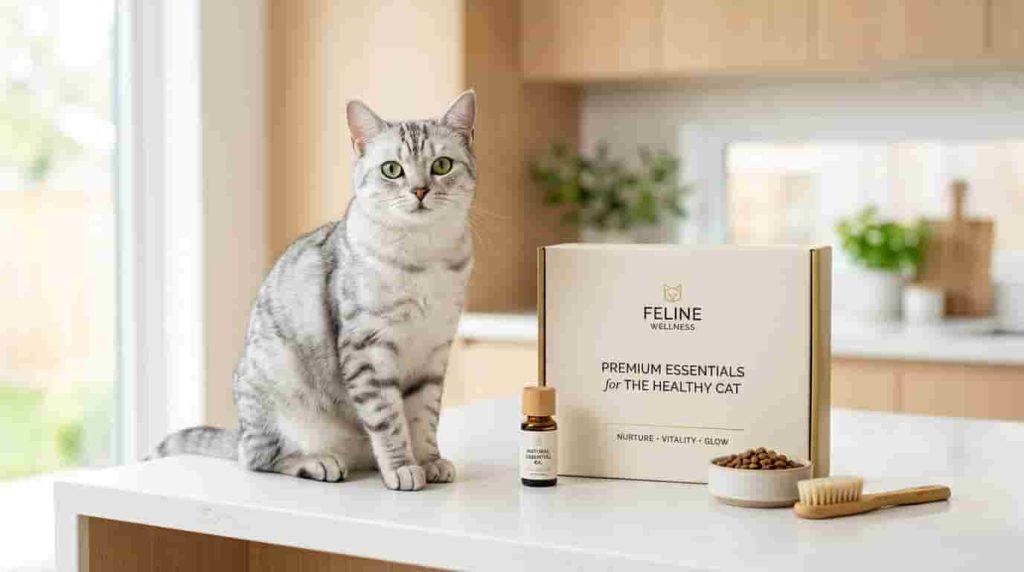
- Essential oils including tea tree, lavender, eucalyptus, and peppermint oils. These are highly toxic to cats because their livers cannot metabolize these compounds safely at all.
- Garlic or onion-based remedies which are toxic to cats regardless of the form or amount used.
- Dog flea products on cats under any circumstances. Permethrin-based dog treatments cause fatal neurological toxicity in cats even in very small amounts.
Natural approaches work best as complementary support alongside a proven veterinary-recommended cat flea medication rather than as complete replacements. Your vet helps you build a safe and effective combination strategy based on your cat’s individual health and lifestyle.
How to Flea-Proof Your Home Alongside Treating Your Cat

Treating your cat without treating your home guarantees that fleas return within weeks every single time. Effective feline flea control always addresses both simultaneously for lasting results.
Follow this step-by-step home flea-proofing process:
1. Vacuum every surface thoroughly and immediately. Vacuum all carpets, rugs, upholstered furniture, and along every baseboard in the entire home. Empty the vacuum canister outside in a sealed bag immediately after finishing to prevent fleas from escaping back into the house.
2. Wash all fabric items your cat contacts regularly. This includes bedding, cat blankets, cushion covers, and any clothing your cat sleeps on frequently. Use the hottest wash setting safe for each fabric to kill eggs and larvae effectively.
3. Apply a cat-safe household flea spray. Treat all carpeted areas, furniture, and soft furnishings with a veterinary-approved household treatment. Pay particular attention to areas where your cat rests most frequently because those spots harbor the highest concentration of developing flea stages.
4. Treat all pets in the household simultaneously. Fleas move freely between pets in the same home. Treating one animal while leaving others untreated creates a continuous reservoir of reinfestation. Every cat and dog in your household needs treatment at the same time.
5. Maintain monthly prevention without gaps. Missing even a single month of prevention gives fleas enough time to re-establish themselves. Consistent year-round cat flea prevention prevents this cycle from restarting and protects your cat’s health continuously.
Staying proactive about your cat’s overall preventive health care protects more than just their coat. If your cat also struggles with cat dental disease, addressing both flea and dental health together significantly reduces the total immune burden your cat carries at any given time.
Conclusion
Cat flea prevention works best when you start before fleas ever appear rather than scrambling to eliminate them after the fact. The right monthly treatment for your cat combined with consistent home environment management creates a genuinely flea-free life for your pet year-round.
Choose a vet-recommended product appropriate for your cat’s weight, age, and health status. Treat your home environment alongside your cat every single time. Avoid natural remedies that carry toxic risks for cats and always keep dog flea products completely separate from anything used on cats.
With consistent cat flea prevention in place, your cat stays comfortable, healthy, and protected from the serious health consequences that unchecked flea infestations cause over time. Have you battled fleas with your cat before? Share your story in the comments below and tell us which approach worked best for keeping them gone for good!
Frequently Asked Questions
The most effective options include monthly topical spot-on treatments, oral medications, and modern prescription-grade flea collars recommended by your veterinarian. The best choice depends on your individual cat’s health history, weight, and tolerance for different application methods. Always consult your vet before choosing a product rather than relying on over-the-counter options alone.
Yes, indoor cats get fleas surprisingly often because fleas enter homes on clothing, shoes, and through open windows and doors. Even cats that never go outside can develop a flea infestation from these indirect exposure routes. Maintaining year-round prevention for indoor cats is therefore just as important as for cats that go outside regularly.
Start by applying a veterinarian-recommended topical or oral flea treatment to kill adult fleas on your cat quickly. Use a flea comb to physically remove fleas and flea dirt from the coat immediately while the treatment takes effect. Simultaneously treat your entire home environment to prevent reinfestation from the eggs and larvae already living in your carpets and furniture.
Veterinary-recommended prescription-grade flea collars are safe and effective for most healthy adult cats when used correctly. Many over-the-counter flea collars contain older chemical compounds that can cause skin reactions or toxicity in sensitive cats. Always check with your vet before using any flea collar and remove it immediately if you notice any signs of irritation, hair loss, or behavioral changes.
Most topical and oral flea prevention products require monthly application to maintain continuous protection. Some newer products offer longer protection periods of up to three months per dose. Follow the specific product instructions exactly and do not extend intervals beyond what the manufacturer recommends because flea protection diminishes predictably as the dosing period ends.