
Why Is My Cat Not Eating? Causes, Warning Signs and What to Do
Introduction:
Why Is My Cat Not Eating is a question that can become worrying quickly when a cat suddenly refuses a meal. As obligate carnivores, felines rely on consistent energy intake to maintain their delicate metabolic balance. When a cat skips a bowl of food, it naturally triggers concern for any attentive pet owner.
Appetite loss in cats—known medically as anorexia or hyporexia—can stem from a vast spectrum of triggers. These range from benign preference shifts, minor stress, or minor changes in food texture, to severe internal pain, acute nausea, dental disease, or progressive systemic illness.
To understand the urgency of the situation, you should assess several critical factors:
- Duration: How long has the cat gone without eating any food?
- Fluid Intake: Is your cat still drinking water normally, or refusing liquids too?
- Associated Symptoms: Is the refusal paired with vomiting, diarrhea, or excessive drooling?
- Behavior: Is the cat sleeping significantly more, hiding, or exhibiting altered posture?
- Food Engagement: Does the cat approach the bowl with interest only to walk away, or ignore it entirely?
- Body Condition: Is there visible or rapid weight loss occurring alongside the appetite shift?
- Onset: Did the appetite drop happen suddenly or gradually over several weeks?
A cat refusing food should not simply be ignored, particularly when the refusal continues beyond a day or when accompanying physical symptoms appear. Prolonged fasting in felines carries serious health risks, including hepatic lipidosis (fatty liver disease).
This guide breaks down the core causes of feline appetite loss, sudden dietary refusal, food aversion, safe home care strategies, what to avoid, and exact indicators for when to seek immediate professional veterinary care.
Why Is My Cat Not Eating?
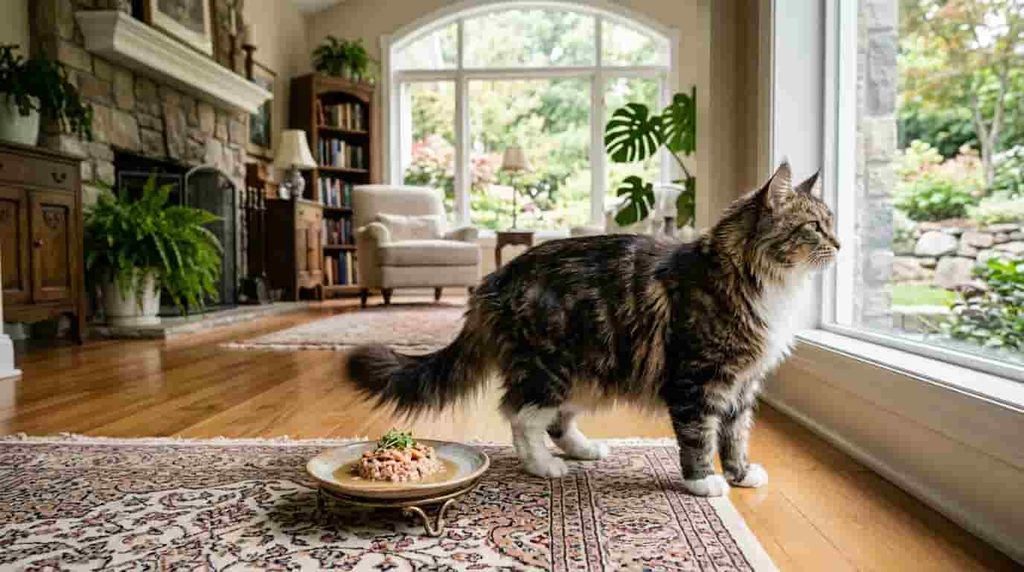
Understanding why a cat refuses food begins with looking at appetite loss not as a standalone illness, but as a symptom. Feline appetite is tightly regulated by central nervous system pathways, metabolic signals, and sensory feedback like smell and taste. When physical discomfort, emotional distress, or physiological disruption occurs anywhere in the body, the drive to eat is often the first mechanism to shut down.
Reasons for a cat not eating generally fall into four primary categories: physical illness, oral pain, environmental stress, or food-specific issues. Because cats naturally mask signs of pain and vulnerability, reduced food intake is frequently the earliest visible clue that something inside their body or environment is out of balance.
Is your cat refusing food or simply eating less?
Differentiating between partial appetite loss (hyporexia) and complete food refusal (anorexia) is vital for assessing your cat’s health:
- Skipping a single meal: Occasionally caused by minor stomach upset, temperature shifts, or temporary disruption.
- Eating smaller portions: Consuming only a fraction of normal daily intake; often signals subtle nausea, low-grade pain, or early systemic disease.
- Complete refusal: Rejecting all meals, treats, and food types entirely; requires close tracking and rapid intervention.
- Approaching food but walking away: Showing clear hunger cues but failing to swallow; typically indicates mouth pain, nausea, or severe olfactory loss.
The specific pattern provides your veterinarian with clues regarding whether the problem is mechanical, physiological, or sensory.
How long has your cat gone without eating?
The length of time a cat goes without nourishment directly dictates the risk of severe complications. While a healthy adult cat skipping food for 12 to 24 hours warrants close observation, going beyond 24 to 48 hours without calories puts them at risk for metabolic imbalances.
Certain populations require much more immediate action:
- Kittens: Hypoglycemia (low blood sugar) and dehydration can develop within hours of food refusal.
- Senior cats: Age-related organ decline makes older felines far less resilient to caloric deprivation.
- Overweight or obese cats: High risk for hepatic lipidosis, a life-threatening liver condition triggered when the body rapidly mobilizes fat stores to compensate for zero food intake.
- Cats with pre-existing conditions: Felines managing kidney disease, diabetes, or hyperthyroidism can decompensate rapidly without regular nutrition.
What Causes Loss of Appetite in Cats?
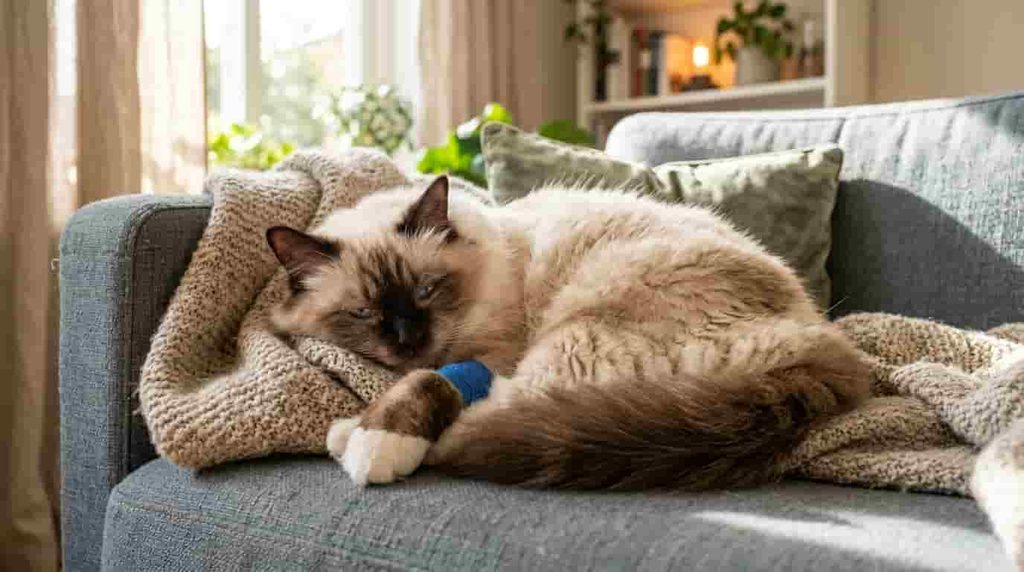
Identifying the precise causes of cat not eating requires a broad look at internal health, sensory function, and external environments. Rather than viewing appetite loss as a single diagnostic puzzle, veterinarians organize potential drivers into distinct physical and psychological categories.
Primary Categories of Feline Appetite Loss
- Illness & Systemic Issues: Viral or bacterial infections, organ dysfunction, toxic ingestion, or neoplasia.
- Dental & Oral Discomfort: Stomatitis, tooth resorption, periodontal disease, or fractured teeth.
- Nausea & GI Disruption: Gastritis, inflammatory bowel disease, hairballs, or intestinal obstructions.
- Environmental & Dietary Factors: Food aversion, sudden diet changes, moving/travel, or bowl placement issues.
Illness and pain
Systemic illnesses frequently suppress appetite through the release of inflammatory cytokines that affect the brain’s hunger center. Pain from any anatomical region—whether an injured limb, a urinary tract issue, or internal inflammation—creates systemic stress that turns a cat off food.
Common health underlying issues include:
- Infections: Viral (such as Feline Upper Respiratory Virus), bacterial, or fungal infections that induce fever and malaise.
- Organ dysfunction: Chronic kidney disease, liver disorders, or pancreatitis altering blood chemistry and metabolic waste processing.
- Toxin exposure: Ingestion of toxic houseplants (like lilies), human medications, or hazardous chemicals causing acute poisoning.
- Neoplasia: Tumors or systemic cancers that alter metabolic rates and cause chronic illness.
Cat Dental and mouth problems
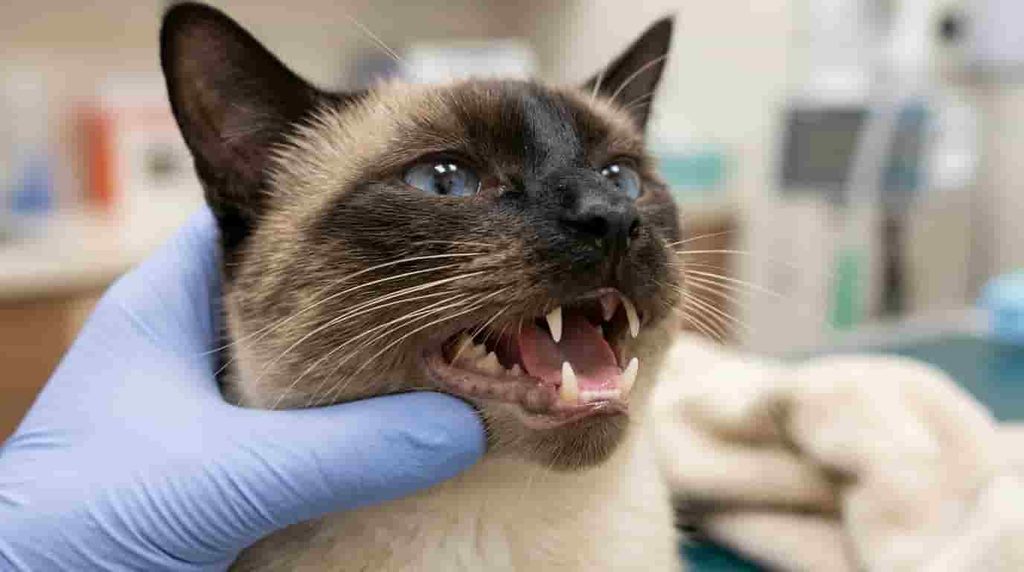
Sensory interaction with food requires a painless oral cavity. When chewing or swallowing causes sharp pain, a cat may be hungry but completely unable to consume hard or soft food.
Key signs of oral discomfort include:
- Excessive drooling or thick saliva around the mouth.
- Foul oral odor (halitosis).
- Dropping pieces of kibble or wet food while attempting to chew.
- Chewing awkwardly on only one side of the jaw.
- Pawing frantically at the mouth or face after smelling food.
Conditions like severe periodontal disease, tooth resorption, fractured teeth, or ulcerative stomatitis make the physical act of eating painful.
Cat Nausea and digestive problems
Nausea is a primary driver of sudden feline appetite loss. When a cat feels nauseous, the sight or smell of their regular diet can trigger an immediate protective repulsion.
Nausea and gastrointestinal distress often manifest with specific behavioral cues:
- Lip licking, excessive swallowing, or exaggerated dry heaving.
- Vomiting liquid, bile, digested food, or hairballs.
- Diarrhea or severe constipation resulting in abdominal strain.
- Lethargy, hunched body posture, and abdominal tenderness to the touch.
If your cat’s appetite loss is accompanied by frequent stomach upset, explore our detailed breakdown on Why Is My Cat Throwing Up? Causes, Types of Vomit and When to Worry
to better understand gastrointestinal triggers.
Stress and environmental changes
Cats are highly territorial creatures of habit. Subtle shifts in their living space can trigger anxiety significant enough to suppress their normal hunger response.
Common environmental stress triggers include:
- Relocating to a new house or temporary boarding facility.
- Introduction of a new pet, baby, or houseguest.
- Major alterations to daily household routines or feeding schedules.
- Inter-cat conflict or resource guarding near food bowls.
- Loud household noises, home renovations, or nearby construction.
While stress is a common cause of skipped meals, persistent appetite loss should never be assumed to be purely emotional without ruling out underlying medical problems.
Food-related causes
Cats possess a highly developed sense of smell and can be sensitive to subtle changes in their food’s quality, temperature, or ingredients.
Food-related issues include:
- Sudden diet changes: Abruptly switching brands, flavors, or textures without a transition period.
- Spoiled or rancid food: Fats in dry kibble going stale, or wet food left out too long at room temperature.
- Recipe reformulations: Manufacturers changing subtle ingredients or aromatics.
- Feline food aversion: A psychological response where a cat associates a specific food with a past episode of nausea, pain, or distress, causing them to permanently reject that food.
- Feeding location changes: Placing food bowls near noisy appliances, litter boxes, or high-traffic areas.
Why Is My Cat Not Eating Food All of a Sudden?

Acute anorexia—where a cat goes from eating normally to refusing all nourishment in a single day—is a clinical presentation that demands quick investigation. Sudden refusal typically signals an acute disruption rather than a slow, chronic disease process.
Check what changed recently
When addressing sudden appetite loss, trace back the preceding 24 to 48 hours to identify acute triggers:
| Potential Trigger Area | Specific Questions to Consider |
| Dietary Shift | Was a new brand, flavor, or batch opened? |
| Environment | Any sudden loud noises, visitors, or moving items? |
| Medical Care | Recent vaccinations, surgeries, or medications? |
| Toxin Risk | Access to new plants, chemicals, or small objects? |
Determining whether the sudden refusal stems from an environmental event or a biological symptom helps narrow down the appropriate home steps or veterinary interventions.
Sudden refusal plus other symptoms
Sudden appetite loss becomes an immediate medical priority when paired with acute physical symptoms. You should monitor closely for:
- Repeated bouts of vomiting or dry retching.
- Profuse, watery, or bloody diarrhea.
- Extreme weakness, unsteady gait, or collapse.
- Rapid, shallow, or open-mouth breathing.
- Vocalization indicating sharp internal pain when touched.
When acute refusal coincides with any of these secondary signs, home monitoring should be bypassed in favor of direct veterinary care.
Why Is My Cat Not Eating but Acting Normal?
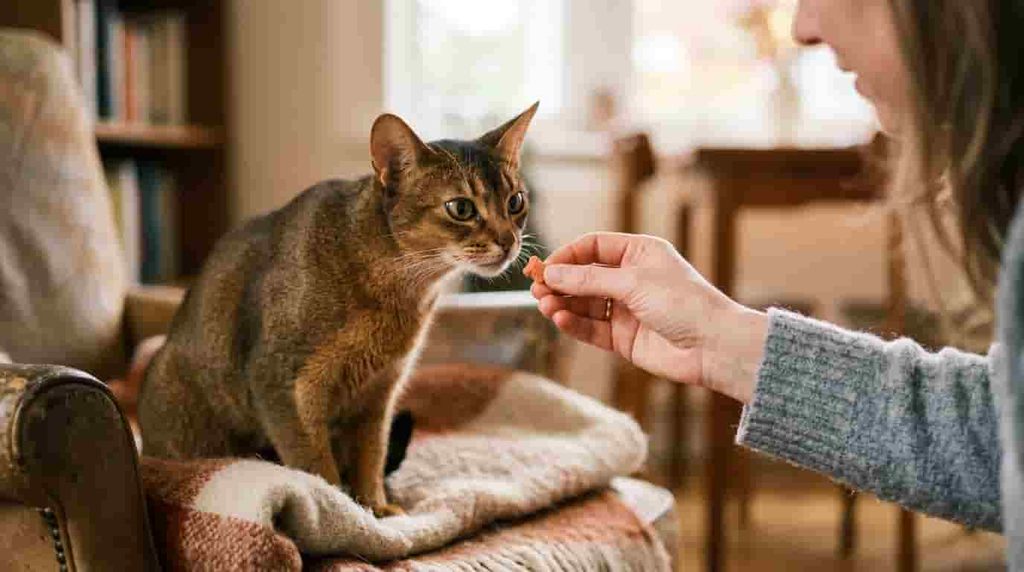
It can be perplexing when a cat refuses their food bowl yet continues to greet you at the door, solicit affection, and move around the home with apparent ease.
A normal-looking cat still needs monitoring
Cats have evolved as both predators and prey. In the wild, showing signs of weakness or illness makes an animal vulnerable to threats. Consequently, felines naturally mask early physical distress, maintaining normal social interactions even while internal disease begins to compromise their appetite.
Subtle signs of early illness in a seemingly normal cat include:
- Eating only a few bites of food before walking away.
- Sniffing treats eagerly but failing to take them into the mouth.
- Subtle drops in daily grooming, leading to a slightly unkempt coat.
- Minor shifts in sleeping locations or spending slightly more time resting.
- Slight changes in litter box habits or stool consistency.
Eating less than usual but acting normal
Why is my cat eating less than usual but acting normal? This scenario often represents early-stage disease or low-grade discomfort. Conditions like early kidney dysfunction, mild dental pain, or localized inflammation can suppress full appetite capacity without causing obvious lethargy.
Monitoring a cat that appears normal but consistently eats less than their routine calorie intake is essential. If partial appetite loss extends beyond 48 hours despite normal social behavior, a professional medical evaluation is recommended to catch underlying issues early.
Why Is My Cat Not Eating and Sleeping a Lot?

When appetite loss is paired with marked lethargy and increased sleep, the situation is more concerning than an isolated appetite shift.
- Appetite Loss + Increased Sleep$\rightarrow$ Systemic Biological Stress (Fever, Infection, Organ Strain, Pain) $\rightarrow$Requires Prompt Veterinary Assessment
What increased sleepiness can mean
Sleep patterns in cats are naturally generous, but a distinct increase in sleep duration paired with food refusal indicates that the body is diverting energy toward immune defense or coping with internal strain.
This combination often points toward:
- Systemic infection: High fever causing extreme fatigue and total loss of hunger.
- Advanced organ dysfunction: Accumulation of metabolic toxins in the blood (uremia) leading to drowsiness and severe nausea.
- Dehydration: Reduced fluid and calorie intake rapidly lowering circulatory volume and metabolic energy.
- Severe internal pain: Continuous pain causing exhaustion and total withdrawal from routine activities.
When to seek veterinary help
A cat that refuses food while becoming unusually quiet, unresponsive, or difficult to rouse from sleep should be seen by a veterinarian within 24 hours. Prolonged lethargy combined with zero food intake accelerates muscular wasting and metabolic compromise.
Why Is My Cat Not Eating or Drinking?
Refusing both solid food and liquid intake represents a critical situation. While cats can survive short spans on internal reserves, fluid loss quickly leads to dangerous physiological instability.
Why drinking matters
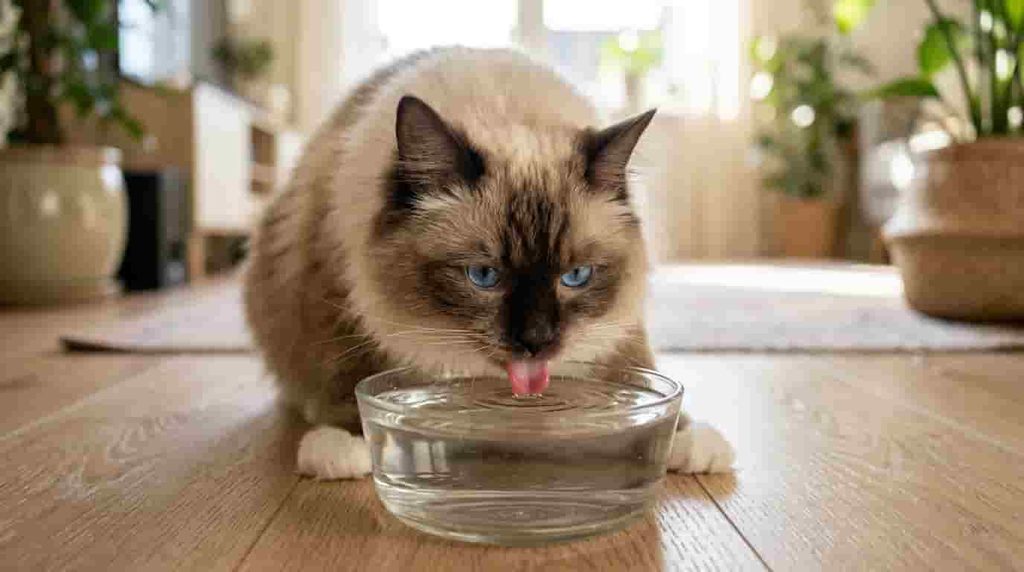
Hydration is essential for every physiological function in the feline body. Without consistent fluid intake:
- Cellular function declines rapidly, affecting organ performance.
- Blood volume drops, increasing strain on the cardiovascular system.
- Waste products accumulate in the bloodstream, heightening nausea.
- Electrolyte imbalances develop, impacting heart and muscle function.
If a cat is missing meals while simultaneously drinking large amounts of fluid, this points to a different metabolic path altogether. Read our comprehensive analysis on Why Is My Cat Drinking So Much Water? Causes and When to Worry
to understand how fluid shifts tie into metabolic health.
What to do
Ensure multiple clean bowls of fresh, cool water are placed in easily accessible, quiet locations throughout the house. If your cat refuses both food and water for more than 24 hours—or shows signs of dry gums, sunken eyes, or loss of skin elasticity—seek immediate veterinary intervention.
Why Is My Cat Not Eating but Drinking Water?
When a cat completely stops eating but continues to visit the water bowl regularly, it offers specific clues about their internal state.
What this combination can tell you
This pattern demonstrates that the cat retains the physical capability and neurological drive to swallow fluids, but experiences significant aversion to solid food.
| Possible Underlying Cause | Physiological Mechanism |
| Gastrointestinal Nausea | Fluids are tolerated better than solids. |
| Metabolic Toxins (Uremia) | High blood toxins drive thirst while nausea eliminates food desire. |
| Mechanical Oral Pain | Soft liquids bypass sore teeth or gums; chewing solid food causes sharp pain. |
What else should you check?
Track the following parameters to assist your veterinarian in establishing an accurate diagnosis:
- Water Consumption Volume: Is the cat sipping normally or drinking excessively large amounts?
- Urination Frequency: Are you finding larger or more frequent urine clumps in the litter box?
- Vomiting Patterns: Does the cat vomit up clear fluid or bile shortly after drinking water?
- Body Mass: Is there noticeable muscle wasting along the spine or hips despite steady water consumption?
Why Is My Cat Not Eating and Throwing Up?
The combination of food refusal and active vomiting is one of the most common reasons cat owners seek emergency veterinary care.
Occasional vomiting versus repeated vomiting
Context is essential when evaluating a cat experiencing both appetite loss and stomach upset:
- Occasional Vomiting: Bringing up a single hairball or clear fluid once, followed by a temporary loss of appetite for one meal, may indicate mild, transient stomach irritation.
- Repeated Vomiting: Throwing up multiple times over 12 to 24 hours, struggling to keep water down, or retching continuously indicates a more severe gastrointestinal disruption.
When vomiting and appetite loss need prompt attention
Seek prompt professional care if food refusal and vomiting are accompanied by:
- Bright red blood or dark, coffee-ground material in the vomit.
- Total refusal to hold down small sips of water.
- Severe lethargy, vocalizing in pain, or hiding in unusual spots.
- Abdominal distension or hard, rigid abdominal muscles.
To learn more about identifying different types of feline stomach upset, refer to our detailed resource on Why Is My Cat Throwing Up? Causes, Types of Vomit and When to Worry
Why Is My Cat Not Eating Wet Food?
When a cat rejects wet canned food while continuing to consume dry kibble or treats, the underlying issue is often related to sensory preferences, food handling, or specific oral mechanics.
Possible food-related reasons
Wet food is sensitive to environmental exposure and temperature variations. Common reasons for rejection include:
- Temperature Discomfort: Serving wet food straight from the refrigerator can numb aromatics and trigger cold sensitivity in teeth.
- Texture Preferences: Sudden changes from pate to gravies, morsels, or shredded textures.
- Stale or Spoiled Food: Wet food left in a bowl at room temperature for over 30 to 60 minutes oxidizes and deteriorates quickly.
- Recipe Adjustments: Subtle shifts in ingredient sourcing or palatability enhancers by the pet food manufacturer.
When it may indicate something more
If a cat suddenly stops eating wet food and also shows difficulty processing hard kibble, or begins dropping food out of their mouth while attempting to chew, oral inflammation or dental fractures should be investigated by a veterinarian.
Why Is My Cat Not Eating Dry Food?
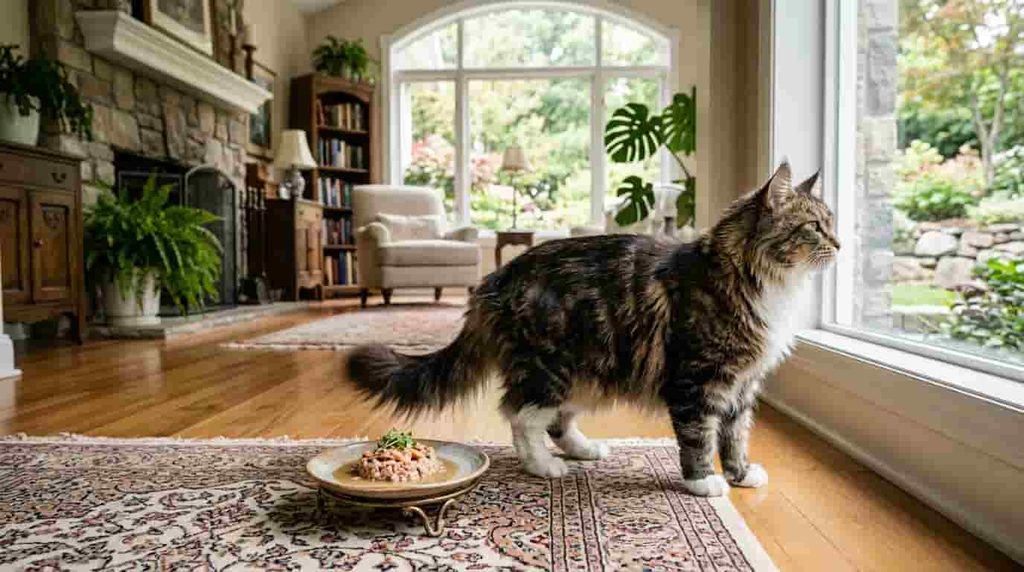
Conversely, a cat that ignores dry kibble while eagerly accepting wet food often points toward mechanical discomfort within the oral cavity.
Why cats may reject dry food
Crunching hard kibble requires significant jaw force and places direct pressure on the teeth, periodontium, and gums.
| Category | Potential Oral or Sensory Driver |
| Dental & Periodontal Pain | Fractured teeth, tooth resorption (FORLs), or inflamed gums make crunching painful. |
| Oral Lesions & Ulcers | Stomatitis or mouth sores hurt when hard edges of kibble rub against them. |
| Age-Related Wear | Senior cats with worn or missing teeth struggle with hard shapes. |
| Rancidity | Fats on kibble surfaces can oxidize over time, altering smell and taste. |
What if the cat eats other foods?
If your cat rejects dry kibble but eats soft wet food or treats, this selective appetite strongly suggests an oral pain issue rather than generalized systemic nausea. A thorough dental checkup under veterinary supervision is the appropriate step.
Why Is My Cat Not Eating Her Food?
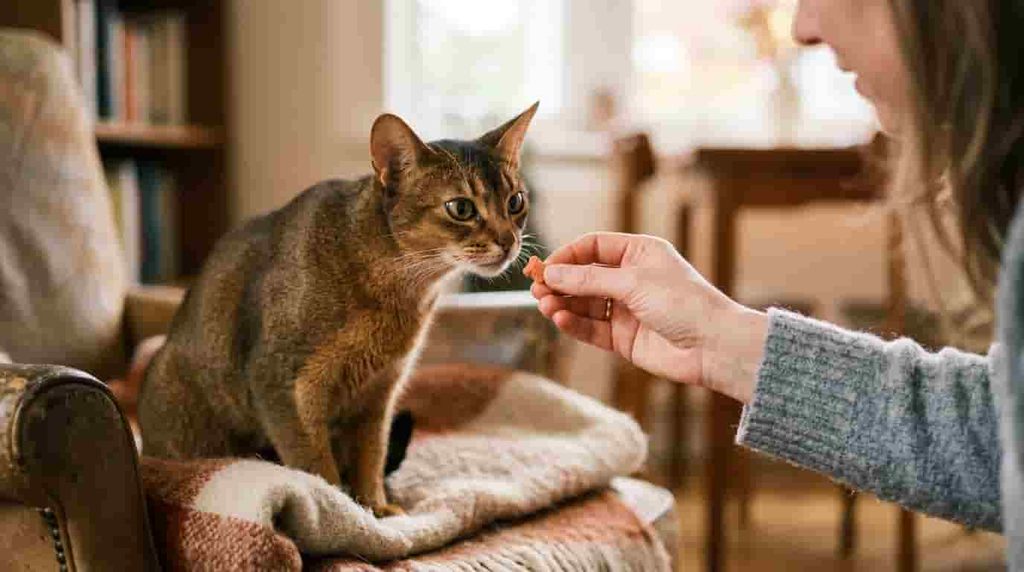
When a cat rejects their designated diet but continues begging for human scraps or searching for treats, owners often label the behavior as simple fussiness. However, subtle physical dynamics are often at play.
Interested in food but unable to eat
A critical distinction to make is whether your cat is experiencing a true loss of appetite or a physical inability to consume food.
Pay close attention to these specific behavioral cues around the food bowl:
- Approaching the bowl enthusiastically, sniffing food, but hesitating to bite.
- Picking up a piece of food, dropping it back into the bowl, and walking away.
- Chewing slowly on one side of the mouth with an awkward head tilt.
- Excessive drooling or pawing at the jaw immediately after attempting a bite.
- Hissing or growling at the food bowl out of frustration or pain.
These behaviors point directly to localized oral pain, jaw trauma, or sensory nausea rather than simple picky behavior.
What Do You Do When a Cat Won’t Eat?
When faced with a cat refusing meals, taking structured, safe steps at home helps protect your cat’s health while gathering useful details for your veterinarian.
- Step 1: Inspect Food Quality & Clean Environment
- Step 2: Offer Small, Warmed, High-Aroma Portions
- Step 3: Ensure Unobstructed Access to Fresh Water
- Step 4: Log All Intake, Outputs, & Behavioral Shifts
Make food easy to access
Ensure feeding stations are placed in quiet locations away from high-traffic zones, washing machines, or litter boxes. Use wide, shallow ceramic or stainless steel dishes to prevent “whisker fatigue”—a sensory overload caused when sensitive whiskers touch the sides of deep, narrow bowls.
Try small, appealing meals
Large portions of food can be overwhelming to a cat experiencing mild nausea. Offer small portions—roughly one to two tablespoons—multiple times throughout the day to reduce food aversion and encourage interest.
Consider food temperature and texture
Cats select food primarily by scent. Warming wet food to approximately body temperature (around 100°F / 38°C) volatilizes aromatic fats and oils, making the meal smell more appealing. Mix small amounts of warm water into canned food to create a smooth, easy-to-lick texture.
Keep fresh water available
Maintain multiple clean water bowls throughout the house. Consider using a circulating pet water fountain, as many cats are drawn to running water, which can help support hydration when solid food intake drops.
Monitor what actually gets eaten
Keep a written log or phone note of:
- The exact type and volume of food offered versus consumed.
- Fluid consumption patterns.
- Litter box activity (frequency, stool consistency, urine clump size).
- Observed behavior changes, resting postures, or physical symptoms.
How to Help a Cat Eat Again
Restoring a cat’s appetite requires minimizing stress and making food as sensory-appealing as possible without disrupting their digestion.
Return to familiar food when appropriate
Avoid introducing radically new brands or exotic protein sources when a cat is feeling unwell. Unfamiliar foods can trigger stomach upset or lead to new food aversions. Stick to familiar, high-palatability diets unless directed otherwise by your veterinarian.
Reduce feeding stress
In multi-pet households, competition or resource guarding can prevent a timid cat from eating comfortably. Feed cats in separate, closed rooms to ensure they can eat at their own pace without feeling threatened by other animals.
Make meals more appealing
Safe ways to increase food palatability include:
- Adding small amounts of warm, low-sodium chicken broth (ensuring it contains no onions, garlic, or artificial seasonings).
- Mixing in small toppings of plain, water-packed canned tuna or salmon juice as an aromatic topper.
- Using commercially available, veterinary-approved meal toppers designed to stimulate appetite.
Should I Use Appetite Stimulants for My Cat?
When a cat refuses food, owners may look into appetite-stimulating medications. While these treatments can be effective, they should always be managed by a veterinary professional.
Appetite stimulants are not a substitute for diagnosis
Using appetite stimulants without identifying the cause of anorexia can hide underlying health issues. Force-stimulating hunger when a cat has a complete intestinal blockage, acute pancreatitis, or a severe dental abscess can lead to further pain or complications.
When a veterinarian may consider appetite support
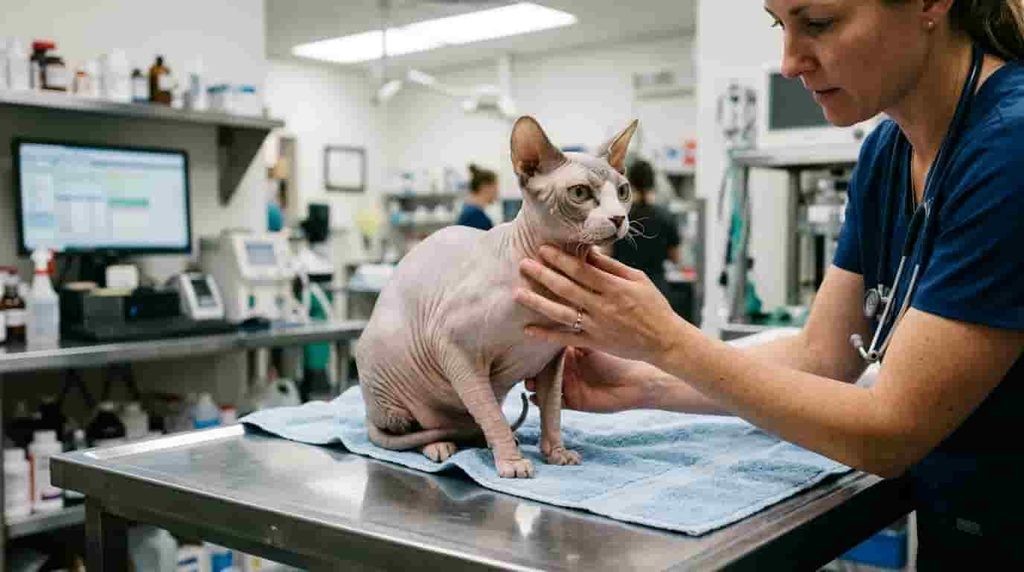
Veterinarians may prescribe targeted pharmaceutical appetite stimulants (such as mirtazapine or capromorelin) under specific clinical circumstances:
- As part of a treatment plan for chronic kidney disease or chemotherapy management.
- To support recovery from surgery after acute nausea has been controlled with anti-emetic medications.
- To prevent hepatic lipidosis in a cat recovering from a resolved illness.
These medications require precise dosing based on your cat’s weight and underlying organ function.
What Should You Avoid When Your Cat Won’t Eat?
When trying to get a cat to eat, certain common approaches can inadvertently worsen the situation or introduce new health risks.
| Avoid | Key Reason |
| Force-Feeding | Risk of aspiration pneumonia and severe, permanent food aversion. |
| Endless Diet Swaps | Causes digestive upset and makes tracking appetite trends difficult. |
| Human Medications | Extreme toxicity risk (e.g., acetaminophen is fatal to cats). |
| Assuming Pickiness | Delays diagnosis of treatable physical conditions. |
Do not force-feed without veterinary guidance
Syringe-feeding or forcing food into a cat’s mouth without proper medical training can cause severe complications. If a cat inhales food particles into their lungs, it can lead to aspiration pneumonia—a life-threatening condition. Force-feeding can also create intense food aversion, causing the cat to permanently reject that diet.
Do not keep changing foods endlessly
Offering ten different varieties of food within a few hours can overwhelm a nauseous or stressed cat. This approach makes it difficult to track what the cat actually tolerates and can trigger gastrointestinal upset from rapid diet switches.
Do not give human medications
Never administer human medications, pain relievers, or over-the-counter supplements to a cat without explicit instruction from a veterinarian. Common over-the-counter medications like acetaminophen (Tylenol) or ibuprofen are highly toxic to felines and can lead to rapid organ failure.
Do not assume picky eating
Assuming a sudden refusal of food is simply picky behavior can delay treatment for underlying medical conditions. Healthy adult cats rarely skip food for extended periods out of stubbornness alone.
Do not wait indefinitely
Waiting several days to see if a cat’s appetite returns on its own increases the risk of dehydration, weight loss, and fatty liver disease. Early veterinary intervention leads to better outcomes.
Why Is My Cat Not Eating After Vaccination?
It is relatively common for cats to experience mild changes in behavior and appetite following routine vaccinations.
What to monitor after vaccination
Vaccines stimulate the immune system to build protection against infectious diseases. This immune response can cause mild, temporary side effects over the first 24 to 48 hours:
- Mild lethargy or sleeping more than usual.
- Slight reduction in daily food intake.
- Low-grade fever.
- Minor tenderness or swelling at the injection site.
When to contact the veterinarian
While mild appetite suppression for a short window post-vaccination can occur, you should contact your veterinarian if your cat experiences:
- Persistent loss of appetite lasting beyond 24 to 36 hours.
- Repeated vomiting or severe diarrhea.
- Facial swelling, hives, or intense itching.
- Open-mouth breathing, coughing, or difficulty breathing.
If respiratory signs or panting develop, review our detailed guide on Why Is My Cat Breathing With Its Mouth Open? Causes and When to Worry
for critical guidance on feline respiratory distress.
When Should I Worry About My Cat Not Eating?
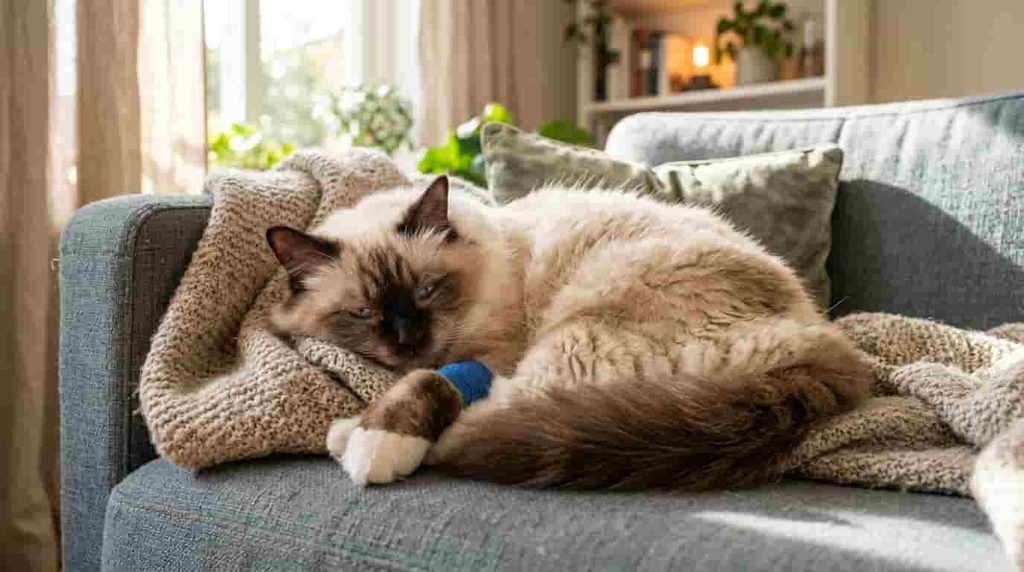
Knowing when to monitor at home versus when to seek professional veterinary care is key to managing your cat’s health safely.
- Close Monitoring: Skipped single meal; active, normal hydration & stool; resolves within 24 hours.
- Veterinary Attention Needed: Refusing food $> 24$ hours; paired with vomiting/diarrhea; showing lethargy or weight loss.
- Immediate Emergency Care: Refusing food AND water; extreme weakness or collapse; open-mouth breathing or severe pain.
Monitor closely
Home monitoring for up to 24 hours may be appropriate if:
- The cat skips one meal but remains energetic, affectionate, and active.
- There are no accompanying symptoms like vomiting, diarrhea, or coughing.
- The cat continues to drink water and use the litter box normally.
- There is a clear, mild explanation (such as a temporary household disruption).
Contact your veterinarian
Schedule a veterinary appointment within 24 hours if:
- Total food refusal extends past 24 hours.
- The cat’s overall food intake drops significantly for more than two consecutive days.
- Appetite loss is accompanied by progressive weight loss—for more details on body condition changes, see our resource on Why Is My Cat Losing Weight? Causes, Warning Signs and What to Do.
- The cat has a pre-existing medical condition, such as diabetes or kidney disease.
Seek prompt veterinary care
Go to an emergency veterinary clinic immediately if appetite loss is paired with:
- Complete refusal of both food and water for more than 24 hours.
- Repeated, unmanageable vomiting or fluid expulsion.
- Severe lethargy, disorientation, or inability to stand.
- Open-mouth breathing, rapid breathing, or gasping.
- Pale, blue, or yellow-tinged gums.
How a Veterinarian Finds Out Why a Cat Is Not Eating
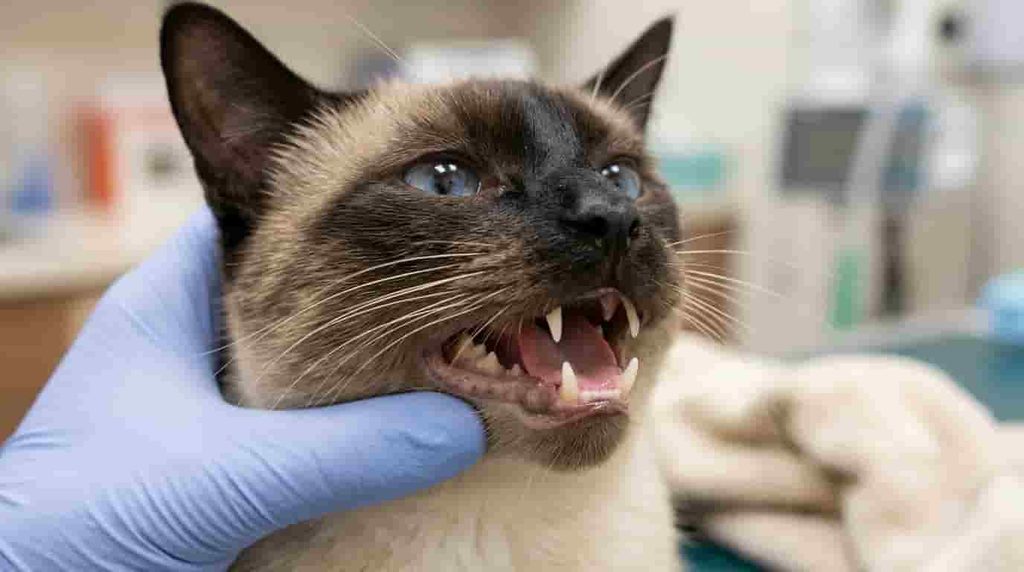
Because appetite loss can stem from many different causes, veterinarians use a structured diagnostic approach to identify the underlying issue.
Questions the veterinarian may ask
Your veterinary team will begin by taking a detailed history. Be prepared to share:
- The exact date and time your cat’s eating habits changed.
- Your cat’s regular diet, feeding schedule, and recent treats.
- Any changes to food brands, flavors, or storage methods.
- Water intake, urination habits, and stool consistency.
- Observed behaviors around the food bowl (e.g., sniffing then backing away).
- Recent travel, household shifts, or new pets.
- Current medications, supplements, or recent vaccinations.
Physical examination
The veterinarian will perform a physical examination to check for clinical signs:
- Oral Cavity: Inspecting teeth, gums, tongue, and throat for sores, tartar build-up, tumors, or foreign objects.
- Abdominal Palpation: Feeling the stomach, intestines, kidneys, and liver for swelling, pain, masses, or blockages.
- Auscultation: Listening to heart and lung sounds for murmurs, irregular rhythms, or fluid accumulation.
- Hydration Status: Checking skin elasticity, eye position, and gum moisture.
- Vital Signs: Measuring body temperature, pulse, and respiration rate.
Possible diagnostic tests
Depending on physical findings, your veterinarian may recommend targeted diagnostic testing:
| Diagnostic Test | Clinical Purpose |
| Complete Blood Count (CBC) | Evaluates red and white blood cells for signs of infection, inflammation, or anemia. |
| Blood Chemistry Panel | Assesses kidney function, liver enzymes, blood sugar, protein levels, and electrolytes. |
| Urinalysis | Evaluates kidney concentrating ability, urinary tract health, and glucose levels. |
| Imaging (X-rays / Ultrasound) | Checks for intestinal blockages, organ enlargement, tumors, or abdominal fluid. |
Cat Not Eating: A Simple Monitoring Checklist
Use this checklist to track your cat’s appetite, behavior, and physical signs before your veterinary visit.
- ☐ Timeline: Note the date and time food refusal began.
- ☐ Food Intake: Document the exact volume of wet or dry food consumed.
- ☐ Water Intake: Track changes in fluid consumption (increased, decreased, or absent).
- ☐ Gastrointestinal Signs: Record any occurrences of vomiting, dry retching, or diarrhea.
- ☐ Litter Box Activity: Check urine clump sizes and stool consistency daily.
- ☐ Energy Level: Note if your cat is active, quiet, hiding, or unusually lethargic.
- ☐ Oral Cues: Watch for drooling, bad breath, dropping food, or chewing on one side.
- ☐ Dietary Changes: List any recent shifts in food brands, flavors, or treat types.
- ☐ Medical Events: Note recent vaccinations, medications, surgeries, or vet visits.
- ☐ Environmental Shifts: Document recent moves, visitors, home renovations, or new pets.
Frequently Asked Questions About Cats Not Eating
What do you do when a cat won’t eat?
First, check for immediate emergency warning signs like severe lethargy, vomiting, or breathing difficulty. Offer a small, warmed portion of their familiar food in a quiet, undisturbed area and ensure fresh water is nearby. If food refusal lasts past 24 hours, contact your veterinarian for guidance.
When should I worry about my cat not eating?
You should be concerned if your cat refuses all food for more than 24 hours, or shows a persistent drop in intake over two or more days. Immediate care is needed if appetite loss is paired with vomiting, diarrhea, weakness, or breathing issues.
What causes loss of appetite in cats?
Appetite loss can stem from physical illnesses (such as kidney disease or infection), dental pain, nausea, toxic ingestion, environmental stress, or subtle food changes. A veterinary exam is the most reliable way to pinpoint the cause.
Why is my cat eating less than usual but acting normal?
Cats often mask early physical discomfort or illness while maintaining their usual social behaviors. Reduced appetite can indicate early dental issues, low-grade nausea, or metabolic shifts before clear symptoms appear.
Can stress cause a cat to stop eating?
Yes, significant stress from household moves, new pets, or routine changes can temporarily suppress a cat’s appetite. However, persistent food refusal should not be attributed to stress alone without ruling out underlying medical problems.
Conclusion
Why Is My Cat Not Eating can have a simple explanation, but sudden or persistent appetite loss should always be taken seriously. Because felines depend on consistent daily nutrition to support their metabolic and liver health, skipping food for extended periods introduces real health risks.
Key takeaways to remember include:
- Appetite loss can stem from stress, food changes, dental pain, nausea, or underlying physical illness.
- Refusing a specific diet or texture is different from rejecting all food and water entirely.
- Accompanying signs like lethargy, drinking changes, vomiting, and weight shifts provide crucial health context.
- Refusing food alongside severe physical symptoms requires prompt veterinary assessment.
- Safe home care focuses on providing a quiet environment and fresh water while avoiding forced feeding or unauthorized medications.
- A professional veterinary evaluation is the safest way to identify and treat unexplained appetite loss.
A change in eating habits is information—not simply a behavior to ignore. If your cat’s appetite has shifted recently, what changes have you noticed in their routine or behavior? Share your questions and experiences below, or reach out to your local veterinary clinic for tailored medical advice.