Why Is My Cat Breathing With Its Mouth Open? Causes and When to Worry
Introduction:
Why Is My Cat Breathing With Its Mouth Open? Causes and When to Worry
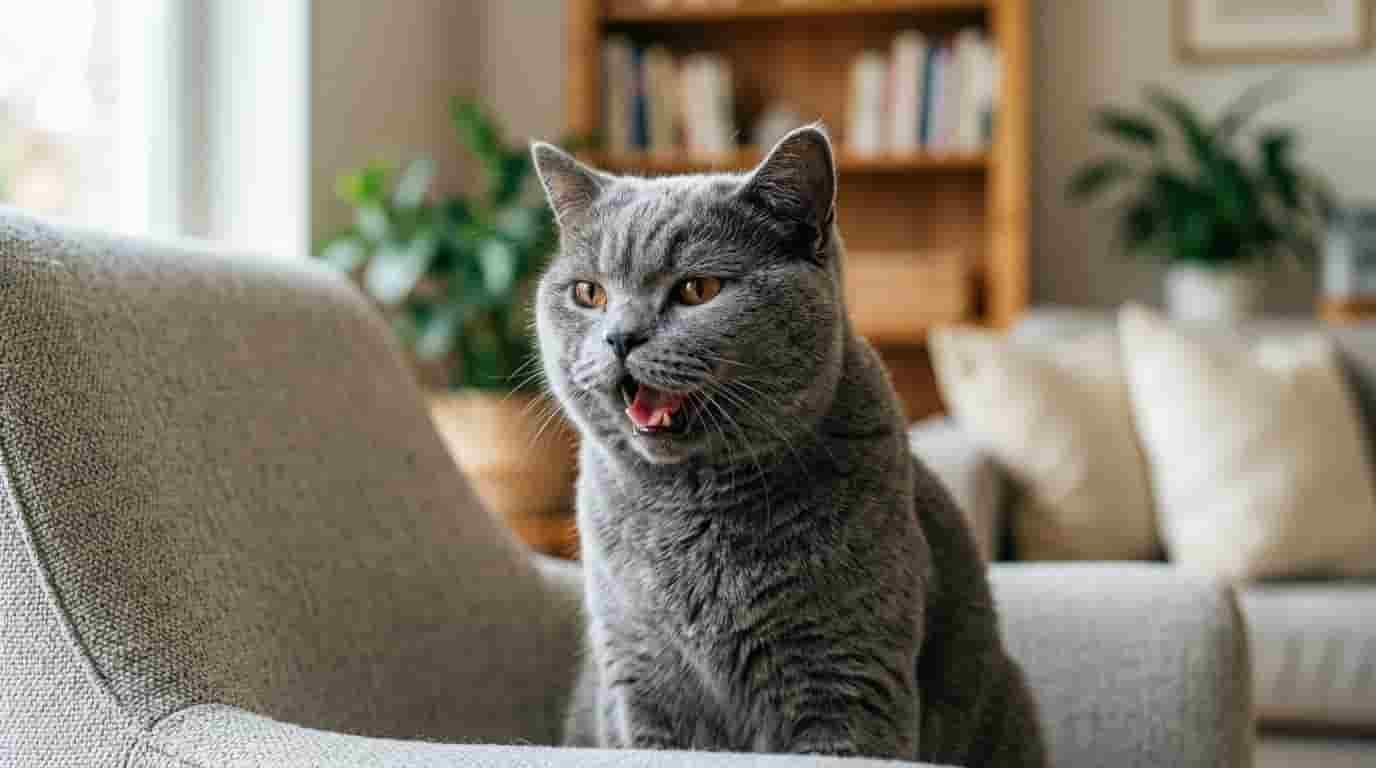
Seeing your cat breathe through its mouth can be an alarming experience for any pet owner. Under normal circumstances, cats are obligate nasal breathers, meaning they rely almost exclusively on their nose to draw air into their lungs. When a cat begins breathing with its mouth open, it is often a sign that their body is working significantly harder than usual to move oxygen. While brief panting can occasionally occur after intense physical activity or an overwhelming event, open-mouth breathing in cats at rest is rarely normal and can indicate underlying respiratory distress or another urgent medical issue.
Knowing how to differentiate between temporary exertion and a veterinary emergency is crucial. An open mouth might mean your pet is simply cooling down after playing, but it can also signal severe conditions like feline asthma, upper respiratory infections, or cardiovascular disease. Understanding why this happens, recognizing the accompanying warning signs, and knowing when to seek immediate veterinary care will empower you to protect your cat’s health. This guide breaks down the primary causes of open-mouth breathing, contrasts harmless panting with true respiratory distress, outlines immediate steps to keep your pet safe, and details what you can expect during a veterinary evaluation.
Why Is My Cat Breathing With Its Mouth Open?
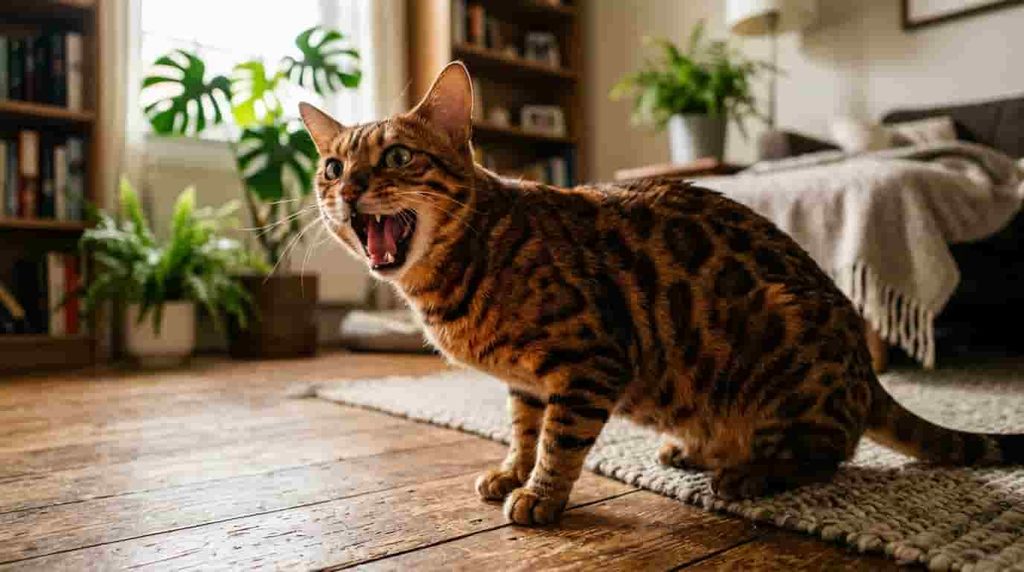
To understand why open-mouth breathing in cats is concerning, it helps to understand their normal physiology. Unlike dogs, who routinely pant to cool themselves down or express excitement, cats possess an upper respiratory tract designed to handle all their oxygen needs via nasal airflow. Their nasal passages act as natural filters and humidifiers, conditioning the air before it reaches the delicate tissues of the lungs.
When a cat transitions to open-mouth breathing, it means the normal airflow pathway through the nose is obstructed, or the lungs and cardiovascular system require far more oxygen than nasal breathing can currently deliver. In simple terms, open-mouth breathing is a compensatory mechanism: your cat is attempting to bypass resistance in the nose or expand air intake to compensate for a lack of oxygen in the bloodstream.
Is open-mouth breathing normal in cats?
Open-mouth breathing is almost never considered a normal baseline behavior for felines. However, context and duration play a critical role in determining whether it is a fleeting reaction or a sign of severe illness.
There are limited situations where brief, mild panting might occur without indicating an immediate disease process. For example, a young cat that has just sprinted around the house during a high-energy play session may open its mouth to pant for a minute or two while its heart rate settles. Similarly, a cat experiencing extreme acute stress—such as during a stressful car ride to an unfamiliar location—might briefly pant.
However, persistent open-mouth breathing, mouth breathing while at rest, gasping, or open-mouth breathing accompanied by heavy chest movements is always abnormal. If your cat is resting on the sofa and suddenly starts breathing through its mouth, this should be treated as a serious sign that requires close monitoring or immediate veterinary intervention.
What does abnormal cat breathing look like?
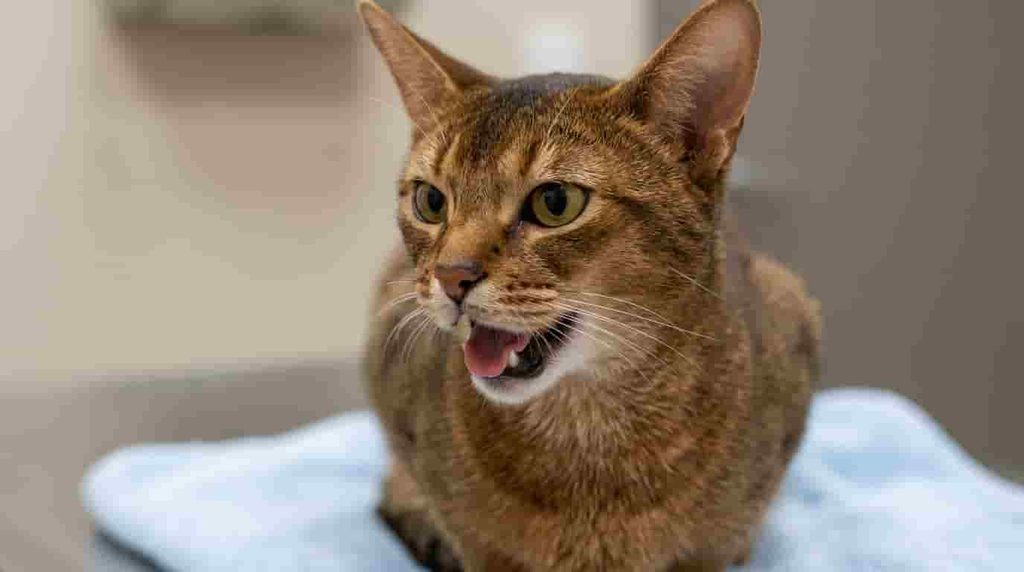
Recognizing abnormal breathing involves looking beyond just whether the mouth is open. You need to observe the entire body, noting breathing rate, effort, posture, and visible signs of systemic oxygen deprivation.
- Rapid breathing (tachypnea): The chest or abdomen rises and falls far more quickly than the normal resting rate of 15 to 30 breaths per minute.
- Increased breathing effort (dyspnea): The chest and abdominal muscles contract forcefully with each breath. You may notice a pronounced “heaving” movement in the flanks.
- Postural changes: A cat struggling to breathe will often sit or stand with its neck stretched forward and its elbows flared outward away from the chest. This posture helps open up the airway to allow maximum oxygen intake.
- Gasping or noisy breathing: You may hear wheezing, raspy sounds, or high-pitched squeaks as air moves through narrowed airways.
- Cyanosis or abnormal gum color: Healthy cat gums are light pink. Gums that appear pale, gray, blue, or purple indicate severe oxygen depletion in the tissues, which is a life-threatening emergency.
- Lethargy, weakness, or collapse: If oxygen levels drop too low, the cat may become unresponsive, lose motor control, or collapse completely.
Common Causes of Open-Mouth Breathing in Cats
Open-mouth breathing is a clinical sign, not a standalone diagnosis. It points to an underlying issue affecting the respiratory system, cardiovascular system, or overall body chemistry.
Stress, fear, or anxiety
Intense emotional distress triggers a surge of adrenaline, raising heart rate, blood pressure, and respiratory demand. Cats subjected to unfamiliar environments, loud noises, territory conflicts with other animals, or the stress of a carrier ride may display acute panting.
While stress-induced panting can look alarming, it should rapidly subside once the cat is removed from the stressful trigger and allowed to relax in a safe, quiet space. If the breathing does not normalize after 15 to 20 minutes in a calm environment, an underlying physical issue may be compounding the stress.
Overexertion after intense play
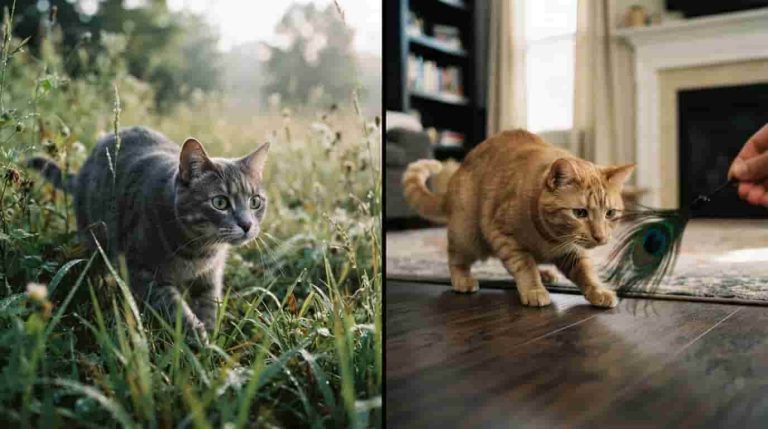
You might wonder: Why is my cat breathing with its mouth open after playing? Energetic kittens and young adult cats sometimes push their physical limits during play. Sprinting, jumping, and chasing toys can push muscle oxygen demand higher than what normal nasal breathing can briefly supply.
This type of panting should be short-lived, lasting only a couple of minutes after the play session stops. As the cat rests, its breathing should steadily transition back to smooth, quiet nasal inhales. If your cat frequently pants after minimal physical activity, or if the panting takes a long time to resolve, it suggests reduced cardiopulmonary stamina that warrants a veterinary workup.
Heat and overheating
During warm weather, you may ask: Why is my cat breathing with its mouth open in summer? Unlike humans, who sweat across their skin, cats have limited sweating capabilities, primarily located in their paw pads. When exposed to high ambient temperatures, humid environments, or poorly ventilated spaces (like a hot room or car), a cat may pant to evaporate moisture from its tongue and respiratory tract to dissipate heat.
Overheating can quickly escalate into heatstroke, a dangerous medical crisis. Signs that overheating is present alongside open-mouth breathing include:
- Excessive drooling or thick saliva
- Bright red or extremely pale gums
- Restlessness, disorientation, or agitation
- Vomiting or diarrhea
- Extreme weakness, stumbling, or collapse
If heatstroke is suspected, immediate cooling measures and emergency veterinary care are vital.
Respiratory infections
Upper and lower respiratory infections are common causes of breathing difficulties in cats. Viral pathogens like Feline Herpesvirus (FHV-1) and Feline Calicivirus (FCV), as well as secondary bacterial infections, cause heavy inflammation, swelling, and mucus accumulation in the nasal passages.
When nasal tissues swell completely shut, the cat is forced to breathe through its mouth simply to move air. Respiratory infections are often accompanied by sneezing, nasal discharge, eye drainage, fever, and a noticeable drop in appetite because cats rely on their sense of smell to stimulate their desire to eat. If your cat’s breathing issues are accompanied by a complete refusal to eat, reading Why Is My Cat Not Eating? Causes, Warning Signs and What to Do can provide crucial insights into managing this complex combination of symptoms.
Feline asthma and airway inflammation
Feline asthma is a chronic inflammatory disease of the lower airways that affects millions of cats. When triggered by environmental allergens—such as dusty cat litter, cigarette smoke, incense, perfume, or mold spores—the bronchioles in the lungs constrict, swell, and fill with mucus.
This airway constriction makes it incredibly difficult for the cat to push air out of the lungs, leading to chest tightness, coughing fits, wheezing, and dramatic open-mouth breathing. A cat experiencing an acute asthma attack may stretch its neck out and gasp for air, requiring immediate therapeutic intervention to dilate the airways.
Heart and other serious medical problems
Cardiovascular conditions, such as Hypertrophic Cardiomyopathy (HCM), are a leading cause of feline respiratory distress. When the heart muscle becomes diseased, it loses its ability to pump blood efficiently, leading to fluid buildup in or around the lungs—a condition known as pulmonary edema or pleural effusion.
As fluid fills the chest cavity or air sacs, the available space for oxygen exchange shrinks dramatically. Cats with heart disease often exhibit rapid, shallow breathing that progresses to open-mouth breathing at rest. Heart-related breathing distress can emerge suddenly and is a true medical emergency.
Foreign objects or airway obstruction
Cats are curious creatures, and occasionally small foreign objects, blades of grass, or polyps can become lodged in the nasopharynx or trachea. A physical blockage partially or fully obstructs the passage of air, forcing the cat to open its mouth and work frantically to draw breath. Airway obstructions require urgent intervention to safely clear the passage before total respiratory failure occurs.
Pain or severe underlying illness
Cats are masters at concealing physical discomfort, but severe systemic pain, abdominal trauma, or advanced internal illness can dramatically alter their breathing patterns. Conditions like internal bleeding, severe anemia (which lowers oxygen-carrying red blood cells), or advanced metabolic diseases can cause rapid, heavy, open-mouth breathing as the body attempts to compensate for systemic distress. When systemic issues lead to broad illness signs across multiple body systems, owners may also notice weight loss over time; reviewing Why Is My Cat Losing Weight? Causes, Warning Signs and What to Do can help connect these underlying physical signs.
Cat Panting vs. Respiratory Distress: How Can You Tell the Difference?
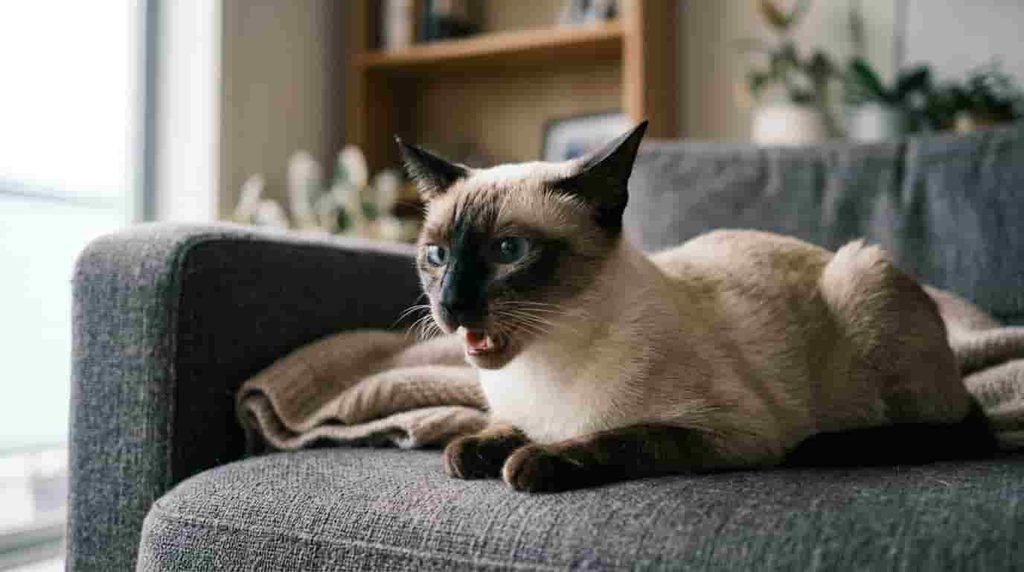
Differentiating between benign panting and life-threatening respiratory distress is one of the most critical skills a cat owner can possess. While both involve an open mouth, the context, duration, and body posture are completely different.
| Observation Parameter | Temporary Exertional Panting | Possible Respiratory Distress |
| Trigger Context | Follows intense play, heat, or acute stress | Occurs while at rest, sleeping, or minimal movement |
| Duration | Short-lived; resolves within a few minutes of rest | Persistent, worsening, or comes in recurrent waves |
| Body Posture | Relaxed posture once resting; sits or lies normally | Neck extended, elbows flared out, unable to lie down |
| Chest & Abdominal Effort | Moderate effort that steadily decreases | Violent, heavy heaving of chest and belly muscles |
| Gum Color | Healthy pink | Pale, gray, blue, purple, or muddy brown |
| Overall Behavior | Alert, responsive, quickly returns to normal activity | Lethargic, anxious, hiding, weak, or unresponsive |
Signs your cat may be struggling to breathe
If you notice any of the following manifestations, your cat is likely experiencing severe feline respiratory distress and needs professional help immediately:
- Open-mouth breathing while completely at rest or sleeping
- Visible cat gasping for air, often accompanied by soft crying or anxious vocalizations
- A resting respiratory rate exceeding 30 to 40 breaths per minute
- Marked abdominal effort, where the belly expands and contracts deeply with each breath
- A rigid stance with the head held low, neck extended, and elbows spread wide
- Inability to find a comfortable position, repeatedly standing up and shifting
- Cat emergency breathing sounds, such as severe wheezing, gurgling, or harsh stridor
Is Open-Mouth Breathing in Cats an Emergency?

In the vast majority of cases, open-mouth breathing in cats should be treated as a potential emergency until proven otherwise. Because cats hide respiratory compromise so effectively, by the time they resort to mouth breathing, their compensation mechanisms are often completely exhausted.
When to seek emergency veterinary care
Do not hesitate or adopt a “wait and see” approach if you observe any of the following red-flag scenarios. Go directly to an emergency veterinary hospital if your cat:
- Is open-mouth breathing while resting or lying down
- Has pale, blue, purple, or gray gums or tongue
- Exhibits severe abdominal pumping while breathing
- Shows sudden weakness, unsteadiness on its feet, or complete collapse
- Appears confused, unresponsive, or in a state of extreme panic
- Is open-mouth breathing alongside signs of heat exposure or heatstroke
- Has a known history of heart disease or asthma and isn’t responding to prescribed rescue treatments
Can a cat breathing through its mouth mean it is dying?
It is understandable to wonder if open-mouth breathing means a cat is dying. While open-mouth breathing does not automatically mean death is imminent, it does signal that the cat’s body is experiencing a critical failure in its ability to deliver oxygen to vital organs.
If severe respiratory distress is left unaddressed, oxygen deprivation (hypoxia) can rapidly lead to cardiac arrest or organ failure. However, if the underlying cause—such as an asthma attack, fluid buildup, or a blockage—is identified and treated promptly by a veterinarian, many cats can be stabilized and recover successfully. The key factor is how quickly the cat receives professional oxygen therapy and medical stabilization.
What Should I Do If My Cat Is Breathing With Its Mouth Open?
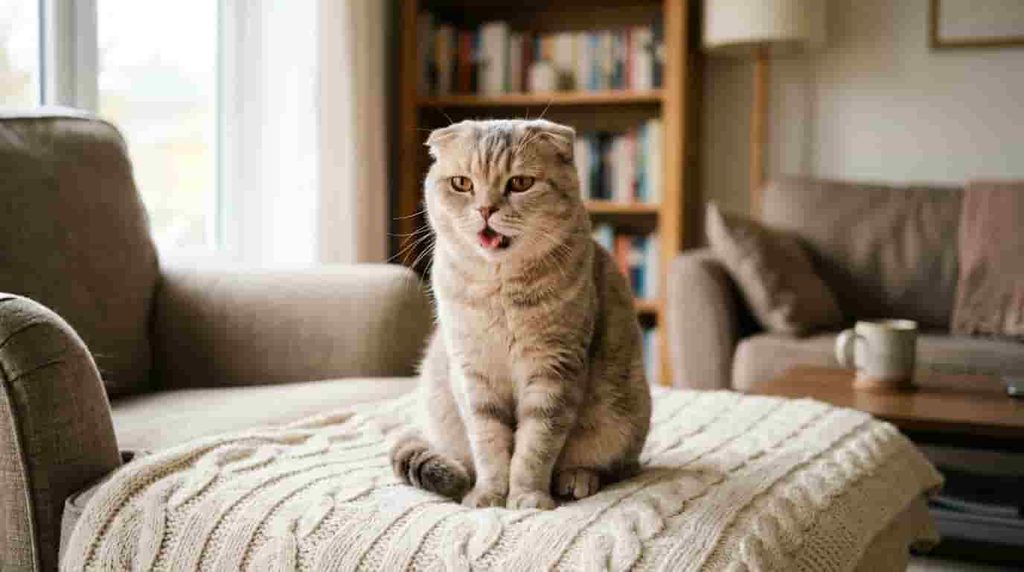
If you notice your cat breathing with its mouth open, taking the right steps at home can prevent the situation from worsening before you reach a clinic.
Stay calm and reduce stress
Cats are exceptionally perceptive to human emotion. If you panic, scream, or move frantically, your cat’s stress levels will spike, increasing their heart rate and oxygen demand, which worsens respiratory distress. Speak in a quiet, reassuring tone and move deliberately.
Move the cat to a quiet, comfortable area
If your cat is in a hot environment or exposed to a stressor (such as a loud household appliance or another pet), gently shift them to a cool, quiet, dim room. Ensure the room has good ventilation. If heat is a factor, turn on an air conditioner or fan, but do not blow cold air directly into the cat’s face.
Avoid forcing food, water, or medication
Never attempt to force a cat in respiratory distress to swallow water, food, or home remedies. If a cat cannot breathe properly, liquid or food can easily enter the trachea and lungs (aspiration), causing immediate choking or severe pneumonia. Furthermore, do not administer medications prescribed for humans or other pets. If your cat shows concurrent gastrointestinal signs like vomiting alongside breathing changes, you can read more about gastrointestinal distress in Why Is My Cat Throwing Up? Causes, Types of Vomit and When to Worry, but address the breathing emergency first.
Do not wait for the episode to become severe
Because felines can decompensate rapidly, waiting to see if the breathing improves on its own is dangerous. If the breathing is happening at rest or is accompanied by posture changes or abnormal gum color, transport the cat to a vet immediately.
Contact a veterinarian or emergency clinic
Call your veterinary clinic or local emergency hospital while you are on your way. This allows the medical team to prepare an oxygen cage and stabilization equipment before you arrive. When calling, be prepared to share:
- When the open-mouth breathing started
- Whether it occurred at rest or after physical activity/stress
- Any additional symptoms (coughing, gum color changes, weakness)
- Any potential exposure to extreme heat, toxic plants, or small objects
- Pre-existing medical conditions, such as known heart murmurs or asthma
How Do Vets Find the Cause of Breathing Problems in Cats?
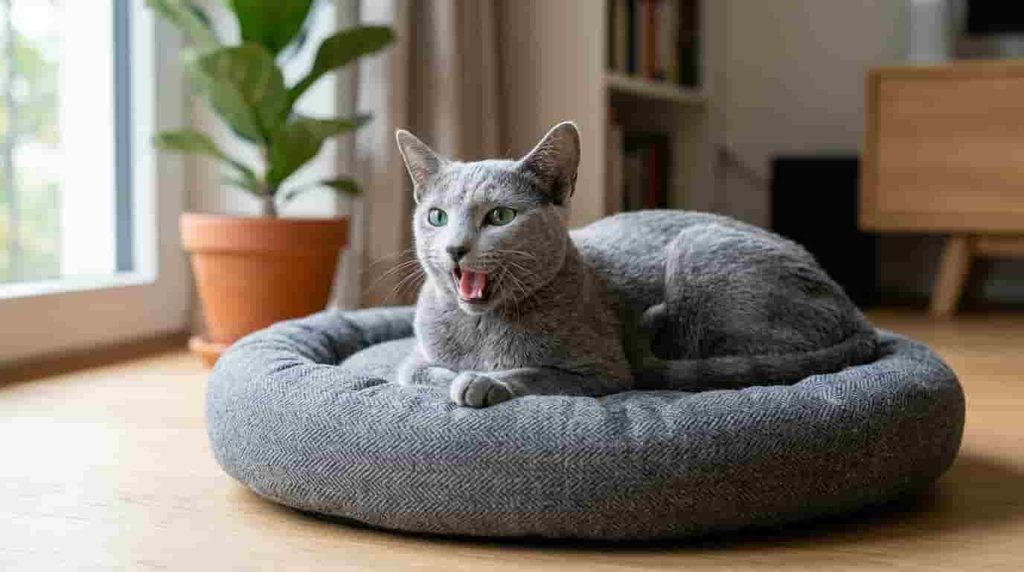
When you arrive at the veterinary clinic with a cat experiencing open-mouth breathing, the medical team will prioritize immediate stabilization over lengthy diagnostic conversations.
Initial assessment
The veterinarian will perform a rapid physical assessment, paying close attention to:
- Airway and breathing mechanics: Assessing respiratory rate, effort, and sound patterns.
- Cardiovascular status: Checking gum color, capillary refill time, pulse quality, and heart rhythm using a stethoscope.
- Oxygenation levels: Placing a soft oxygen mask near the cat’s nose or placing the cat into a temperature-controlled, high-oxygen chamber to reduce stress and improve tissue oxygenation immediately.
In severe cases, diagnostic work is paused until the cat has spent time resting in an oxygen chamber to stabilize its vital signs.
Possible diagnostic tests
Once the cat is stable enough to tolerate gentle handling, the veterinarian will run targeted tests to identify the underlying cause of the respiratory distress:
- Chest X-rays (Radiographs): Digital X-rays allow the vet to visualize the lungs, heart, airways, and chest cavity. They can detect pneumonia, asthma, fluid in the lungs (pulmonary edema), fluid around the lungs (pleural effusion), masses, or an enlarged heart.
- Thoracic Ultrasound (Focused Echo/TFAST): A quick ultrasound scan can confirm whether fluid is present in the chest cavity or around the heart and evaluate heart muscle thickness and contractility.
- Blood Work: A complete blood count (CBC) and blood chemistry panel check for infection, inflammation, kidney or liver dysfunction, and anemia. Blood gas analysis measures oxygen and carbon dioxide levels directly.
- ProBNP Blood Test: A specific biomarker test that helps differentiate whether respiratory distress is caused by heart disease or a primary lung issue.
Treatment depends on the underlying cause
Treatment strategies vary entirely based on the diagnosis:
- Asthma: Managed with bronchodilators to open airways and corticosteroids to suppress inflammation.
- Heart Failure: Treated with diuretics to flush excess fluid from the lungs, along with heart medications to support cardiac function.
- Infections: Managed with targeted antibiotics, antivirals, nebulization therapy, and supportive care.
- Pleural Effusion: Requires thoracocentesis, a procedure where a needle is used to drain fluid from the chest cavity to allow the lungs to re-expand.
What About a Cat Breathing With Its Mouth Open and Sneezing?
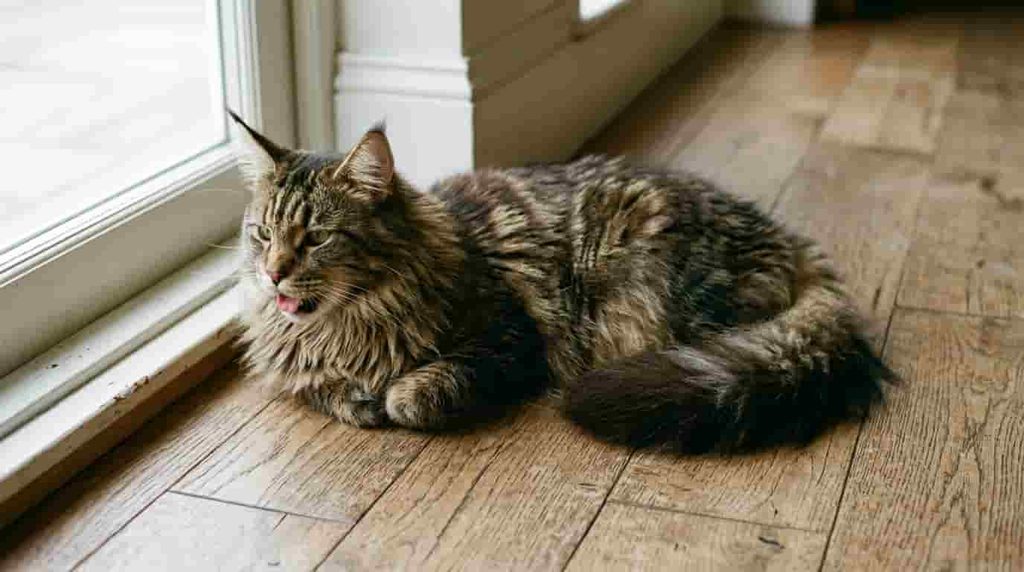
When open-mouth breathing occurs alongside frequent sneezing, the primary suspect is typically a severe upper respiratory tract issue.
Upper respiratory infections (URIs), nasal polyps, fungal infections, or inhaled nasal foreign bodies (such as grass awns) can produce intense nasal inflammation and thick mucus buildup. When both nasal passages become completely plugged, the cat can no longer draw air through its nose, leaving open-mouth breathing as its only choice.
Common accompanying signs of this combination include:
- Frequent paroxysmal sneezing
- Thick yellow, green, or bloody nasal discharge
- Crusty eye discharge and conjunctivitis
- Fever and profound lethargy
- Loss of appetite and weight loss
While sneezing itself is a upper airway reflex, if the congestion is so severe that it forces the cat into open-mouth breathing, prompt veterinary care is necessary. Antibiotics, nasal decongestion in a clinical setting, nebulization, and supportive fluids may be required to clear the passages. In cases where chronic illness leads to dehydration from lack of drinking, understanding symptoms discussed in Why Is My Cat Drinking So Much Water? Causes and When to Worry
can help you spot metabolic secondary concerns during recovery.
What Does It Mean When a Cat Opens Its Mouth at You?
It is important to distinguish respiratory distress or panting from a unique, normal feline behavioral expression known as the Flehmen response.
When a cat encounters an interesting, complex scent—such as another cat’s pheromones, an unfamiliar shoe, or catnip—it may stand still, lift its head, curl back its upper lips, and hold its mouth slightly open for several seconds. To an unfamiliar owner, this can look like a strange grimace or open-mouth breathing.
During the Flehmen response, the cat is using a specialized olfactory organ located in the roof of its mouth called the vomeronasal organ (or Jacobson’s organ). By opening its mouth, the cat traps odor molecules and transfers them to this organ to analyze deep social or chemical information.
The key differences are duration and context: the Flehmen response lasts only 5 to 10 seconds, happens after sniffing an object, and is not accompanied by rapid chest movements, loud respiratory sounds, or physical distress.
Can Cats Breathe Through Their Mouth When Sick?
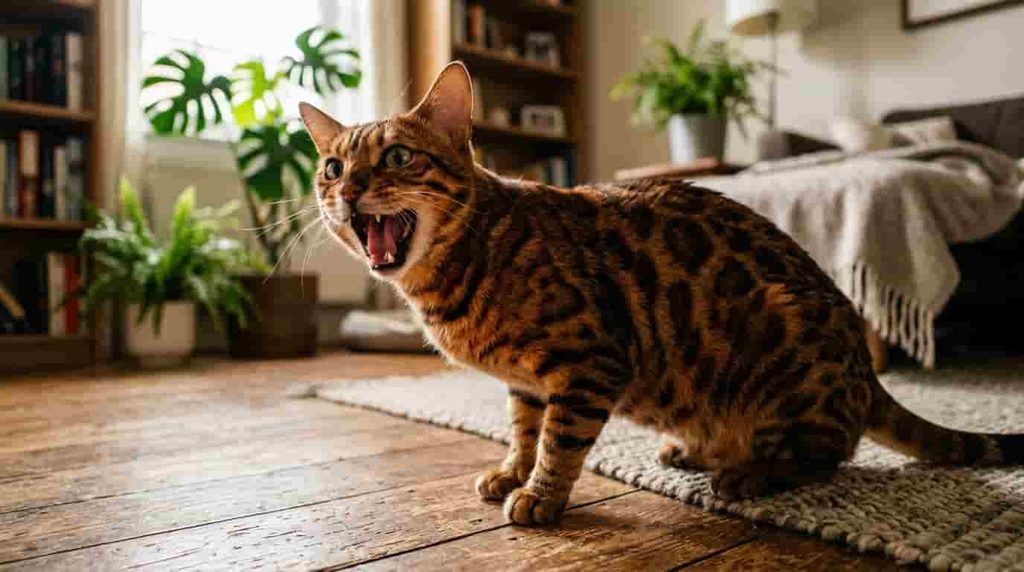
Cats can breathe through their mouth when sick, but it should never be dismissed as an expected side effect of illness. Mouth breathing is a severe secondary sign that indicates the underlying disease has impaired normal nasal or pulmonary function.
Whether a cat is suffering from systemic infections, advanced kidney disease causing metabolic acidosis, abdominal distension pressing on the diaphragm, or viral upper respiratory disease, open-mouth breathing means the body’s oxygenation balance is compromised.
If your cat is sick with a known condition and begins breathing with its mouth open, it signals a significant worsening of their state. You should not wait for a scheduled follow-up appointment; notify your veterinarian or seek emergency medical evaluation immediately.
How to Tell If Your Cat’s Breathing Is Getting Worse
When monitoring a cat with a known respiratory condition or evaluating a cat that has recently panted, having an objective observation checklist helps you determine if their condition is deteriorating.
The Observation Checklist
To monitor your cat effectively, track these key metrics:
- Breathing speed (Respiration Rate): Count the number of chest rises in 30 seconds while your cat is calm or resting, then multiply by 2. A rate consistently over 30 breaths per minute at rest is elevated; a rate over 40 requires veterinary attention.
- Breathing effort: Watch the abdominal area. Is the belly working hard to push air out? Is there a noticeable “jerk” at the end of each breath?
- Body posture: Is the cat sleeping normally curled in a ball, or are they sitting upright, refusing to lie down, with their neck extended?
- Gum and tongue color: Check the gums above the upper teeth. Are they healthy pink, or are they turning pale, grayish, or blue?
- Mental responsiveness: Is the cat interacting with you, or do they appear dazed, glass-eyed, or unresponsive?
Why resting breathing matters
Monitoring your cat’s breathing while they are sound asleep or deeply relaxed is the single most accurate way to evaluate lung function. Physical activity, stress, purring, and warm room temperatures all artificially elevate breathing rates.
A healthy cat at rest should take smooth, quiet breaths, with a resting respiratory rate between 15 and 30 breaths per minute. If you notice that your cat’s resting respiratory rate is creeping up over time—or if they open their mouth while resting—it is a clear indicator that their respiratory function is worsening and requires medical evaluation.
Common Mistakes Cat Owners Make When Their Cat Is Panting
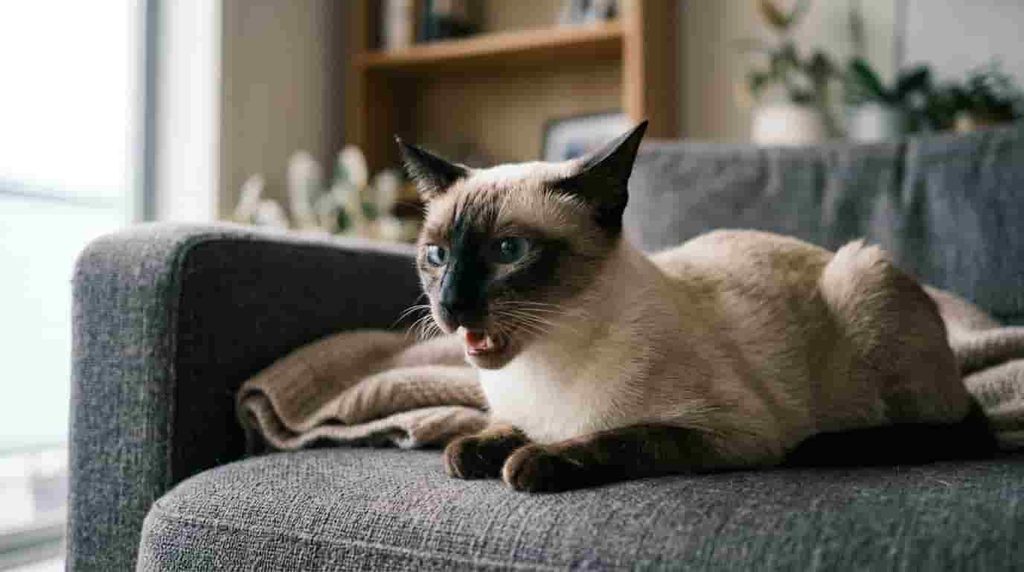
When faced with a cat breathing abnormally, well-meaning owners often make unintentional errors that can escalate the danger. Avoiding these common mistakes can save your cat’s life:
- Assuming every episode is just heat or stress: While heat and stress cause panting, assuming these are the only culprits can delay crucial treatment for heart failure or asthma. Always evaluate the full context.
- Waiting too long to seek veterinary care: Hoping that a cat breathing with its mouth open will “sleep it off” is a dangerous gamble. Felines can shift from mild distress to complete collapse in a short timeframe.
- Repeatedly picking up or restraining the cat: Restraining a cat that is struggling for air increases their panic and adrenaline, which raises oxygen demand and can trigger respiratory arrest. Handle them as little as possible.
- Attempting home remedies or human medications: Giving human pain relievers, antihistamines, or asthma inhalers not prescribed specifically for that cat can be fatal due to drug toxicity.
- Forcing food or fluids: Trying to offer water or wet food to comfort the cat can lead to aspiration into the lungs.
- Assuming recovery because panting temporarily stopped: A cat that stops open-mouth breathing may simply be exhausted, entering a state of severe hypoxia or shock rather than improving. Focus on resting respiratory rate and effort, not just mouth position.
When Should You Call the Vet About Cat Breathing Problems?
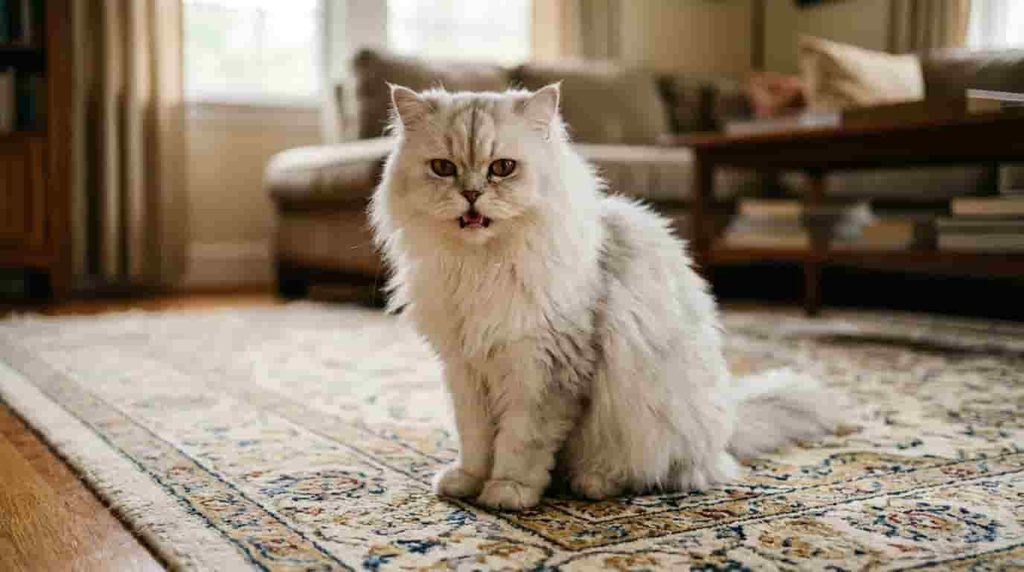
To help you decide on the appropriate course of action, use this decision framework based on your cat’s symptoms and behavior:
Monitor briefly only when:
- The panting occurred immediately after a high-speed play session or acute, short-lived stress.
- The cat quickly returns to normal nasal breathing within 2 to 5 minutes of rest.
- Gum color remains healthy pink, and the cat acts completely normal, alert, and responsive.
Contact a veterinarian promptly (same day) when:
- Open-mouth breathing episodes recur intermittently, even if short-lived.
- Breathing changes occur without any obvious exertion or heat exposure.
- The open-mouth breathing is accompanied by sneezing, coughing, eye discharge, or loss of appetite.
- Your cat’s resting respiratory rate is consistently between 30 and 40 breaths per minute.
Seek emergency veterinary care immediately when:
- Your cat is breathing with its mouth open while resting or sleeping.
- You observe obvious gasping, loud wheezing, or violent abdominal heaving.
- The gums, tongue, or lips appear pale, gray, blue, or purple.
- The cat stretches its neck out, flares its elbows, and refuses to lie down.
- The cat collapses, stumbles, becomes extremely weak, or is unresponsive.
Frequently Asked Questions About Open-Mouth Breathing in Cats
Why does my cat breathe with its mouth open after playing?
Short-lived panting after intense play can occur if your cat has exerted significant energy and needs extra oxygen to cool down. However, this panting should resolve within a couple of minutes of rest; if it persists, occurs after minimal activity, or happens frequently, consult your vet.
Do cats breathe through their mouths when they are sick?
Cats may breathe through their mouths when sick if an illness causes severe nasal congestion, lung inflammation, fluid accumulation, or severe systemic stress. Because mouth breathing indicates compromised breathing, it should never be ignored as just a typical sign of being sick.
Why is my cat breathing with its mouth open and sneezing?
The combination of open-mouth breathing and sneezing usually points to severe upper respiratory disease, heavy nasal congestion, or a nasal obstruction. When inflammation or mucus completely blocks the nasal passages, the cat is forced to breathe through its mouth.
Why is my cat breathing heavily even though its mouth is closed?
Closed-mouth heavy breathing indicates elevated respiratory effort or rapid breathing (tachypnea) caused by conditions like early-stage asthma, mild heart disease, fluid buildup, fever, or pain. Even with a closed mouth, unusually rapid or deep chest movements warrant a veterinary examination.
Why does my cat open its mouth when smelling something?
When a cat holds its mouth slightly open after sniffing an object, it is performing the Flehmen response. This behavior allows scent molecules to reach the vomeronasal organ in the roof of the mouth for deep scent analysis, and it is completely normal and unrelated to respiratory distress.
Conclusion
Understanding why your cat is breathing with its mouth open comes down to recognizing the vital difference between temporary exertional panting and true respiratory distress. Because cats are obligate nasal breathers, persistent or resting open-mouth breathing is a clear signal that their body is struggling to obtain enough oxygen. While brief panting after high-speed play or an acute stressor can occasionally happen, open-mouth breathing while resting, gasping, heavy abdominal effort, pale or blue gums, and sudden collapse are urgent medical emergencies that require immediate veterinary intervention.
As a cat owner, focusing on your pet’s overall breathing effort, resting respiratory rate, posture, and demeanor will provide the clearest picture of their health. Prioritize calm, gentle handling to avoid worsening their distress, and never hesitate to seek emergency veterinary care when breathing appears abnormal. Early medical evaluation and stabilization remain the single best way to safeguard your cat’s life and long-term health.
Have you ever noticed unusual breathing patterns in your cat, or do you have questions about monitoring your pet’s resting respiratory rate? Share your experiences or ask your questions in the comments below!