Why Is My Cat Drinking So Much Water? Causes and When to Worry
Introduction:
Why Is My Cat Drinking So Much Water is a question worth paying attention to when your cat suddenly spends more time at the water bowl. Cats naturally evolved from desert-dwelling ancestors, meaning they possess a low natural thirst drive and typically extract much of their daily hydration directly from their food. When a feline companion begins returning to the water dish multiple times a day, lingering over the bowl, or drinking with unusual intensity, it understandably raises concern for any attentive owner.
Cats need water every day to maintain vital cellular functions, support digestion, and flush metabolic waste through their kidneys. However, a noticeable shift in daily water consumption can stem from a wide variety of explanations. In some instances, the increase is entirely harmless, driven by warm weather, high household activity, or a recent transition from wet canned food to dry kibble. In other cases, heightened thirst can serve as an early, subtle warning sign of an underlying medical condition, a reaction to medication, or a temporary recovery phase following surgery.
Evaluating your cat’s hydration habits requires looking at the broader picture. Drinking behavior should never be viewed in isolation; it must be assessed alongside changes in urination, appetite, weight, vomiting, and overall demeanor. This article will explain what counts as excessive drinking, explore common environmental and medical causes, highlight signs that make increased thirst more concerning, outline what owners can monitor at home, and clarify precisely when to contact a veterinarian.
Why Is My Cat Drinking So Much Water?
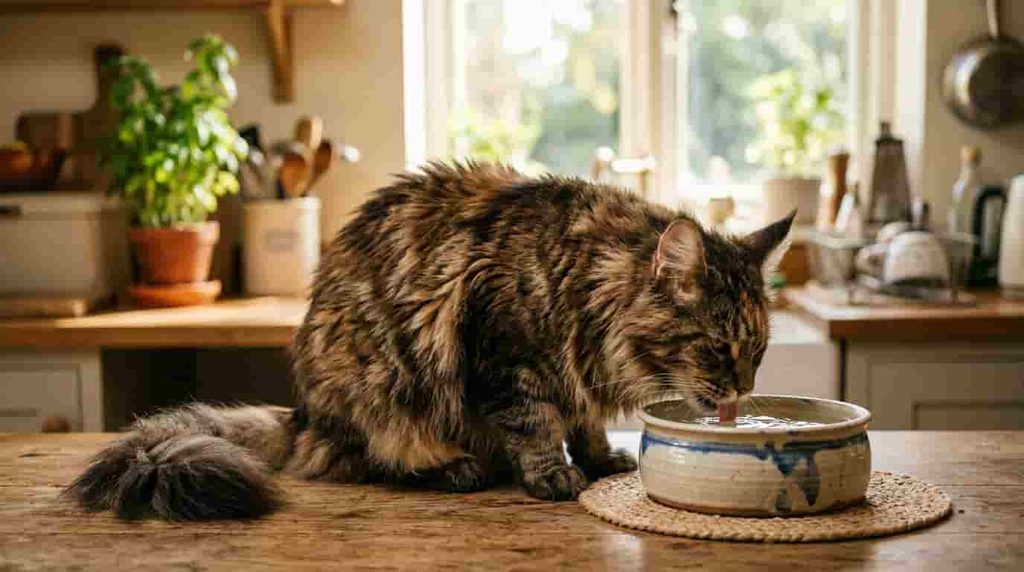
Determining why your cat is drinking more water requires looking closely at the overall context surrounding the change. Water consumption in felines is dynamic and responds to internal physiology as well as external surroundings. An increase in fluid intake is the body’s natural physiological mechanism to offset fluid loss or compensate for a lack of dietary moisture. Understanding the underlying trigger involves differentiating between routine lifestyle variations and persistent physical shifts.
A change in drinking does not always mean illness
A sudden or gradual increase in water bowl visits does not automatically indicate a serious medical problem. Several everyday environmental and dietary factors influence how much liquid a feline requires on a daily basis:
- Hot weather: Higher ambient temperatures cause cats to lose moisture through panting, footpad perspiration, and increased grooming, prompting them to drink more to cool down.
- Increased activity: Extended playtime, energetic zooming, or higher overall daily movement increases metabolic rate and fluid loss.
- Dry food diets: Kibble contains only about 6% to 10% moisture, whereas wet canned food contains roughly 70% to 80% water. Cats eating exclusively dry food must drink significantly more water to remain properly hydrated.
- Dietary changes: Switching brands, introducing higher-sodium treats, or altering meal schedules can temporarily adjust how often a cat visits the water bowl.
- Temporary fluid loss: Minor bouts of loose stool or mild exertion can temporarily raise hydration needs.
- Changes in routine: Moving water bowls to a more accessible location, installing a fresh circulating fountain, or settling into a new home can encourage a cat to drink more frequently simply due to novelty or ease of access.
Conversely, a cat eating mostly wet canned food will naturally consume very little standing water directly from the bowl because their dietary moisture intake fulfills their baseline physiological needs.
When increased drinking becomes a health concern
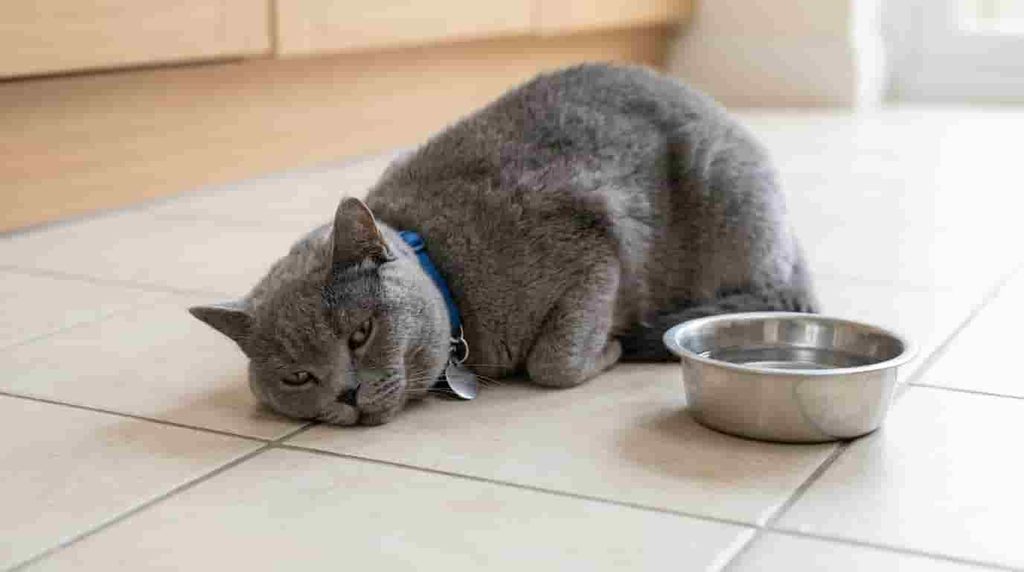
While minor fluctuations are completely normal, persistent or clearly unusual drinking patterns should be investigated closely, particularly when the behavior lasts for several days or progressively worsens. Excessive thirst in cats—medically referred to as polydipsia—often acts as the body’s compensatory reaction to abnormal fluid loss or metabolic imbalances.
You should treat increased water intake as a potential cat health concern when a cat drinking more water than usual also displays subtle or obvious physical changes. Key warning signs to watch alongside heightened thirst include:
- Significantly increased frequency or volume of urination (polyuria)
- Unexplained weight loss despite a stable or increased appetite
- Sudden drop in appetite or complete refusal to eat
- Frequent vomiting or bouts of diarrhea
- General lethargy, weakness, or muscle wasting
- Changes in social behavior, vocalization, or grooming habits
What Counts as Excessive Thirst in Cats?
Understanding normal feline hydration helps pet parents recognize when a shift in behavior warrants closer attention. On average, a healthy adult cat requires approximately 3.5 to 4.5 ounces of water per 5 pounds of body weight daily from all sources combined (food and bowl). However, measuring exact ounces in a multi-pet household or with a splashing cat can prove difficult.
Look for a change from your cat’s normal pattern
Rather than relying strictly on precise liquid measurements, veterinarians encourage owners to evaluate changes relative to their individual cat’s baseline habits. What is normal for a young, active cat on a dry food diet may be entirely excessive for a senior cat eating canned food.
Owners should watch for distinct behavioral indicators of excessive thirst:
- Noticeable changes in how frequently or how long the cat lingers over the bowl.
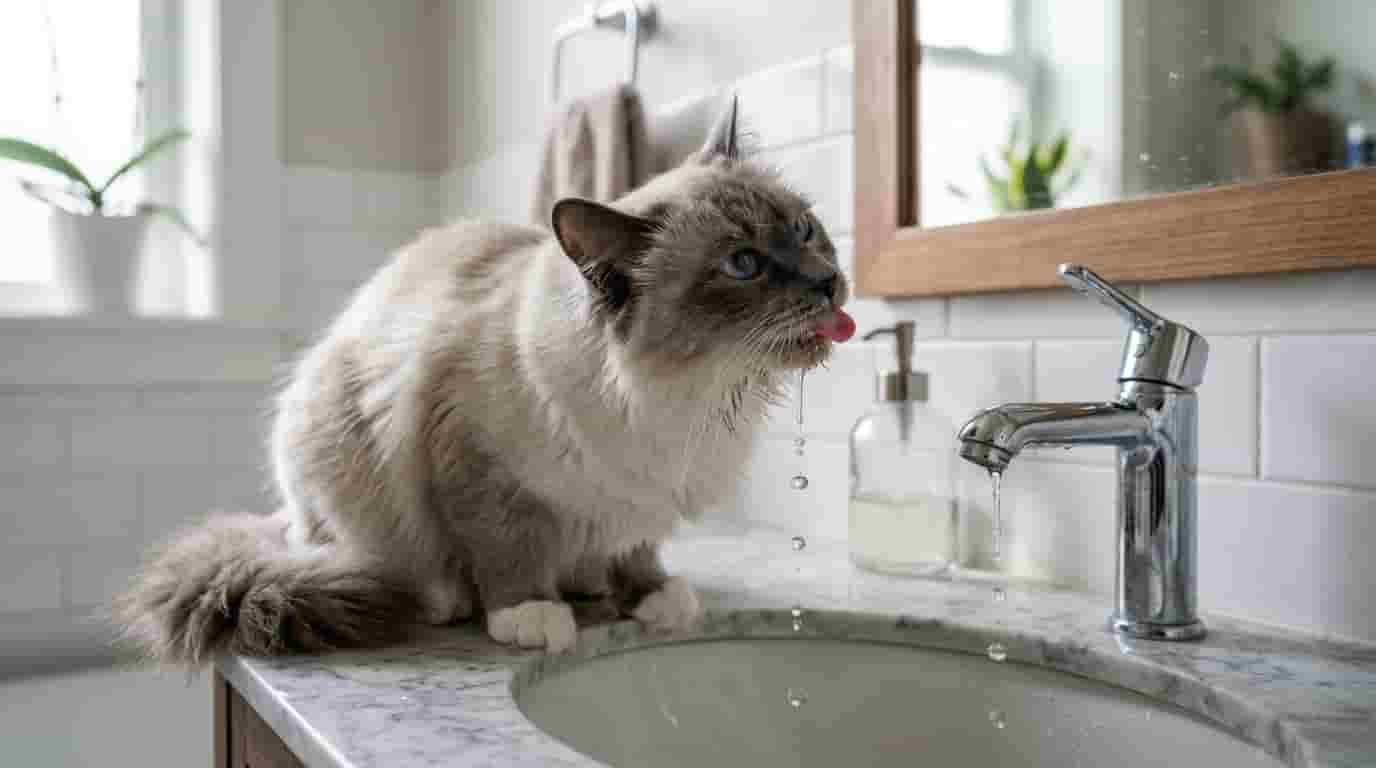
- Sudden interest in non-traditional water sources, such as running bathroom faucets, shower floors, toilet bowls, or outdoor puddles.
- Water bowls that require refilling much more often than usual.
- Repeatedly vocalizing or begging near water stations.
- A sudden shift from ignoring standing water to drinking intently multiple times per hour.
Drinking more and urinating more
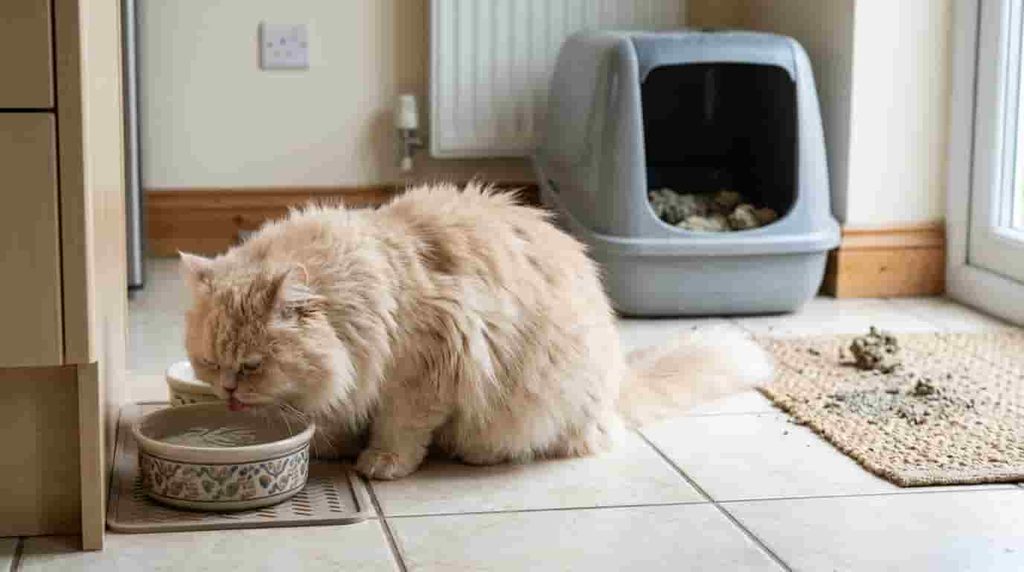
Thirst and urination are intimately connected through feline renal physiology. When the body excretes larger volumes of urine, the brain signals intense thirst to prevent life-threatening dehydration. Conversely, excessive fluid intake inevitably leads to fuller bladders and more frequent trips to the litter box.
Monitoring litter-box habits provides essential context. Owners often notice the water bowl emptying faster before realizing that the litter box contains unusually large, heavy urine clumps or that the cat is visiting the box twice as often as before. Recognizing this paired pattern early helps veterinarians narrow down potential causes much more efficiently.
Common Causes of Increased Water Intake in Cats
Non-medical and environmental factors frequently alter feline drinking patterns. Before assuming your cat has a chronic illness, consider these common daily influences.
Primary Drivers of Feline Thirst:
- Diet & Moisture: Dry kibble consumption versus high-moisture canned food diets.
- Environment: High heat, low humidity, or elevated physical activity levels.
- Fluid Compensation: Bouts of vomiting, diarrhea, or heavy panting.
- Stress & Routine: Changes in household dynamics, moving, or new bowl placement.
- Medical Factors: Prescription drugs, kidney function changes, or metabolic shifts.
Diet can affect how much your cat drinks
Diet plays an influential role in overall cat hydration levels. Wet canned foods supply substantial dietary moisture, mimicking the natural composition of prey. Cats fed exclusively wet food often appear to barely drink any standing water at all.
When an owner transitions a cat from canned food to dry kibble, the cat’s direct water bowl consumption will rise sharply to make up for the lost dietary fluid. This increase is a healthy, normal response to maintaining internal water balance.
Heat and increased activity
Environmental conditions directly impact daily fluid requirements. During hot summer months or in homes with intense central heating, cats lose moisture faster through evaporation and routine grooming. Elevated physical activity—such as extended play sessions, running, or climbing—burns energy and increases respiratory water loss, prompting the cat to seek out extra hydration.
Temporary fluid loss
Gastrointestinal disruptions such as vomiting or diarrhea cause rapid loss of body fluids and essential electrolytes. In response, a cat’s brain triggers thirst to restore systemic volume. If your cat experiences a brief stomach upset, you may notice a temporary increase in water intake over the following 24 to 48 hours.
If you want to understand what might be causing gastrointestinal distress, read our detailed guide on Why Is My Cat Throwing Up? Causes, Types of Vomit and When to Worry
Stress and environmental changes
Cats are highly sensitive to environmental disruptions. Changes such as moving to a new home, introducing a new pet, hosting visitors, or sudden loud noises can induce behavioral stress. Some stressed cats develop altered drinking habits—either drinking excessively as a displacement behavior or avoiding water bowls until quiet hours. While stress can alter routine habits, it should never be used as the default explanation for persistent, long-term excessive thirst.
Medications and recent treatment
Certain veterinary pharmaceuticals alter fluid balance and kidney filtration rates. Systemic steroids (such as prednisolone), diuretics (like furosemide used for cardiac issues), and specific anti-seizure medications naturally increase urine output and trigger heightened thirst. Always review potential side effects with your veterinarian if your cat begins drinking heavily after starting a new prescription.
Medical Causes of Excessive Drinking in Cats
When heightened thirst persists over several days or weeks without an environmental explanation, underlying systemic disease must be evaluated by a medical professional. Feline polydipsia is one of the most common presenting signs for several chronic feline health conditions.
Cat Kidney problems
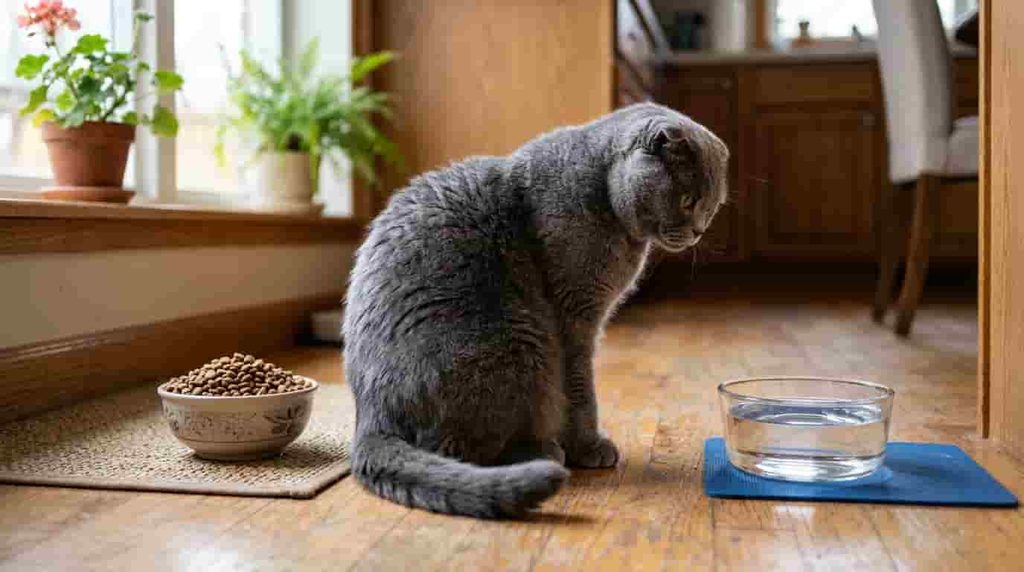
Feline chronic kidney disease (CKD) represents one of the most frequent diagnoses in mature and senior cats experiencing excessive thirst. The kidneys filter metabolic toxins from the bloodstream and concentrate urine to conserve body water.
When kidney tissue becomes damaged or ages, the organs lose their functional capacity to concentrate urine. As a result, water passes straight through the body into the bladder, producing large volumes of dilute urine. To prevent severe dehydration, the cat must drink increasingly large amounts of water. While kidney issues require careful clinical management, severe thirst alone does not confirm kidney disease without complete blood and urine diagnostic panels.
Diabetes and metabolic conditions
Feline diabetes mellitus is another widespread metabolic condition that drastically increases thirst and urination. In diabetic cats, the body either produces insufficient insulin or cannot utilize it effectively, leading to elevated glucose levels in the bloodstream.
When blood glucose exceeds the renal threshold, the kidneys spill excess sugar into the urine. This glucose pulls water along with it through osmotic diuresis, producing heavy urine output and triggering intense, persistent thirst. Diabetic cats often spend extended periods at the water bowl and may display a ravenous appetite alongside steady weight loss.
Other underlying health problems
Several additional internal medical conditions alter feline water intake:
- Hyperthyroidism: An overactive thyroid gland accelerates the metabolic rate, causing increased body heat, elevated heart rate, heightened thirst, frequent urination, and hyperactive behavior.
- Urinary Tract Infections (UTIs): Irritation and inflammation in the bladder or kidneys can alter drinking and elimination patterns.
- Hypercalcemia: Elevated calcium levels in the blood impair the kidney’s ability to concentrate urine, leading to secondary polydipsia.
- Liver Disease: Hepatic dysfunction impacts metabolic fluid regulation and toxin clearance, frequently driving thirst up.
Veterinary Insight: Avoid attempting to diagnose your cat based on symptoms alone. Many internal medical conditions present with identical symptoms—specifically the combination of increased drinking and larger urine volume. Professional blood panels and urinalysis are required to identify the precise underlying cause.
Why Is My Cat Drinking So Much Water and Peeing Everywhere?
One of the most concerning scenarios for cat owners is discovering that elevated water bowl visits are accompanied by inappropriate elimination or massive urine clumps in the litter box.
Why the two symptoms can appear together
In feline medicine, polydipsia (excessive drinking) and polyuria (excessive urination) almost always go hand in hand. When systemic conditions force the kidneys to excrete higher volumes of liquid, the body demands more water to replenish lost fluids. Conversely, if a condition drives primary thirst, the excess liquid must eventually exit through the bladder.
When urine volume increases dramatically, the bladder fills much faster than usual. A cat may struggle to reach the litter box in time, leading to accidental urination on carpets, beds, or near doorways. Additionally, if the litter box becomes overly saturated quickly, the cat may reject the wet box and seek out dry surfaces around the home.
What owners should monitor
If your cat is drinking heavily and urinating outside the box, carefully document the following details for your veterinarian:
- Frequency: How many times per day is your cat visiting the litter box?
- Volume: Are the urine clumps significantly larger than normal, or is the cat straining to produce tiny drops?
- Accident Locations: Are inappropriate urine spots located right next to the box or in entirely different rooms?
- Associated Symptoms: Note any shifts in energy, changes in eating habits, or visible discomfort while posturing.
Avoid assuming that out-of-box urination is purely a behavioral or disciplinary issue. In the vast majority of cases involving high water intake, inappropriate peeing is driven by an underlying physiological urgency.
Why Is My Cat Drinking So Much Water and Losing Weight?

The combination of increased water consumption and progressive weight loss is a classic clinical presentation that warrants prompt veterinary evaluation.
Why weight loss changes the picture
While temporary environmental shifts can explain mild changes in drinking, unexplained weight loss indicates that the body is in a negative energy balance or losing vital fluids and structural proteins. When high thirst and weight loss occur together, it strongly suggests that an underlying metabolic or organ-related disease is present.
In conditions like diabetes mellitus, the body cannot process glucose for energy, forcing it to break down muscle mass and fat stores instead—even if the cat is eating constantly. In chronic kidney disease, protein loss, nausea, and inefficient nutrient processing lead to gradual lean muscle wasting alongside heavy thirst.
What other signs matter?
When tracking weight loss and thirst, carefully observe these complementary clinical signs:
- Appetite Shifts: Unusually voracious eating or sudden refusal of food.
- Coat Quality: Unkempt, dull, greasy, or matted fur.
- Energy Levels: Lethargy, hiding, or unusual nighttime restlessness.
- Gastrointestinal Changes: Intermittent vomiting or loose, soft stools.
- Muscle Tone: Weakness in the back legs or a sunken flank appearance.
If you notice your cat dropping body weight alongside altered drinking habits, read our comprehensive article on Why Is My Cat Losing Weight? Causes, Warning Signs and What to Do
to help prepare for your veterinary visit.
Why Is My Cat Drinking So Much Water and Not Eating?
When a cat demonstrates excessive thirst while simultaneously losing interest in food, pet owners should take immediate notice. This combination often points to progressive systemic illness, dehydration, or acute internal discomfort.
Why loss of appetite matters
Cats require regular caloric intake and balanced nutrients to sustain metabolic health. When a cat stops eating (anorexia) or eats significantly less than normal, they lose a major source of natural dietary hydration.
If an underlying illness makes the cat feel nauseous or unwell, they may seek out cold water continuously to soothe an upset stomach or battle dehydration while completely rejecting solid food. Prolonged food refusal in cats can quickly lead to hepatic lipidosis (fatty liver disease), a dangerous liver complication that develops when the body mobilizes fat stores too rapidly.
To understand why your feline companion might be turning away from their food bowl, explore our guide on Why Is My Cat Not Eating? Causes, Warning Signs and What to Do
When this combination needs prompt attention
A cat that refuses food while drinking heavily should be evaluated by a veterinarian promptly. Seek professional care right away if the loss of appetite is accompanied by:
- Complete food refusal lasting more than 24 hours
- Repeated retching or vomiting after drinking water
- Severe lethargy, unwillingness to stand, or hiding in dark places
- Pale, yellowed (jaundiced), or dry, tacky gums
- Visible signs of pain, vocalization, or distress
Why Is My Cat Drinking So Much Water and Throwing Up?
Observing a cat gulp down large quantities of water only to vomit it up moments later is distressing for any owner. Understanding why this happens helps distinguish between simple overconsumption and systemic illness.
Drinking after vomiting
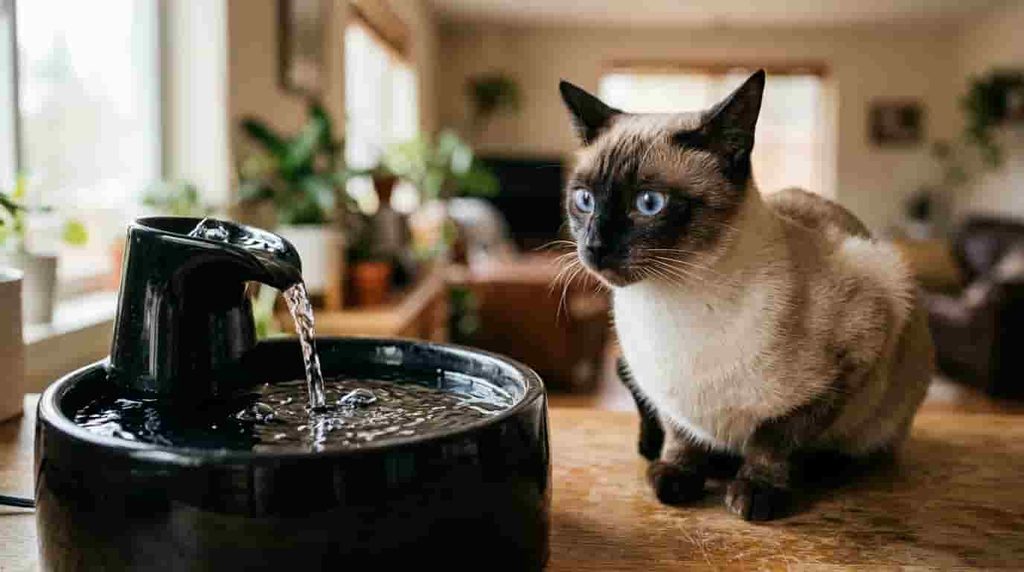
It is common for a cat to seek water immediately after throwing up. Vomiting empties the stomach and causes rapid fluid loss, leaving the mouth dry and triggering an immediate thirst response.
However, if a cat drinks rapidly on an irritated, inflamed stomach, the sudden volume of liquid stretches the stomach wall and triggers another immediate vomiting reflex. This creates a painful cycle where the cat drinks to relieve nausea and dry mouth, only to throw the water right back up.
When vomiting and increased thirst need veterinary attention
While an occasional hairball or minor stomach upset happens, drinking heavily alongside persistent vomiting requires professional veterinary diagnosis. Contact a veterinarian if you notice:
- Vomiting that persists for more than 12 to 24 hours
- Inability to keep even small sips of water down
- Blood or dark, coffee-ground-like material in the vomit
- Extreme weakness, confusion, or collapse
- Signs of abdominal pain (humped posture, guarding the stomach)
For a detailed breakdown of different types of feline vomit and their underlying causes, check out our resource on Why Is My Cat Throwing Up? Causes, Types of Vomit and When to Worry
Why Is My Cat Drinking So Much Water but Acting Normal?
It can be confusing when a cat drinks far more water than usual yet continues to purr, play, request affection, and act entirely healthy.
Why normal behavior does not always rule out a problem
Cats are naturally stoic animals. In the wild, displaying signs of weakness or illness makes a feline vulnerable to predators. Consequently, domestic cats often hide discomfort and maintain their normal daily routines during the early stages of internal disease.
Conditions like early-stage chronic kidney disease, mild hyperthyroidism, or early diabetes mellitus can drive up thirst long before the cat looks or acts visibly sick. An observant owner will often spot changes at the water bowl weeks before overt lethargy or physical weakness becomes apparent.
What subtle changes should you watch for?
Even if your cat seems happy and energetic, double-check for subtle physical and behavioral indicators:
- Slightly larger or more frequent urine clumps in the litter box
- Minor weight loss that occurs slowly over several months
- Changes in coat texture, such as mild dandruff or reduced self-grooming
- Unusual nighttime wakefulness or drinking trips during late hours
- A subtle preference for cooler sleeping spots on tile or linoleum floors
Why Is My Cat Drinking So Much Water in One Sitting?
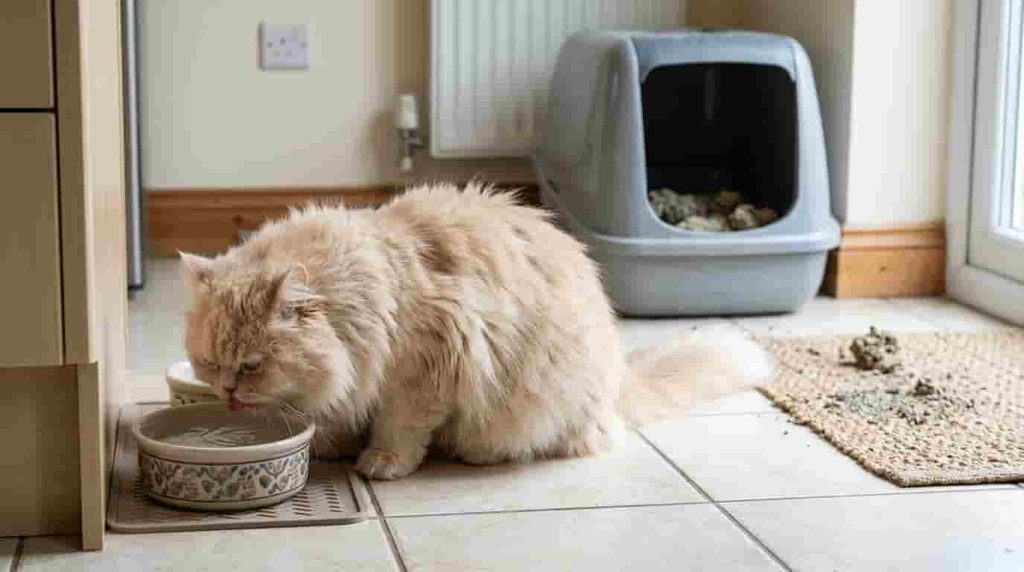
The pattern and speed of your cat’s drinking can provide helpful clues about what is driving their thirst.
Occasional large drinks
If your cat occasionally drains a water bowl or drinks continuously for several minutes, it often reflects short-term physiological needs. Common reasons for single, extended drinking sessions include:
- Consuming dry kibble immediately prior to visiting the water bowl
- Returning indoors after energetic play or exercise
- Rehydrating after spending time in a warm sunspot
- Recovering fluid balance after a warm, dry day
Repeated large drinks
When extended, single-sitting drinking sessions happen multiple times every day, it signals a persistent physiological urge rather than a passing thirst. Consistently filling up on large volumes of liquid can cause stomach distension and fluid regurgitation. If your cat repeatedly drinks heavily in single sittings, begin logging how often it happens and share those observations with your vet.
Why Is My Cat Drinking So Much Water Today?
A sudden, single-day surge in water intake usually stems from immediate environmental or lifestyle factors rather than sudden chronic illness.
Check recent changes
If your cat suddenly started drinking heavily today, evaluate these immediate variables:
- Weather Shifts: Did the indoor temperature spike or did central heat kick on?
- Dietary Factors: Did the cat receive salty treats, dry food, or new snacks today?
- Physical Activity: Was the cat unusually active or playing continuously today?
- Gastrointestinal Events: Did the cat throw up or have a loose stool earlier in the day?
- Stressful Events: Were there loud construction noises, visitors, or stressful events in the house today?
When one day becomes a pattern
A single day of heightened drinking is rarely a cause for alarm if the cat is eating, urinating normally, and acting bright. However, if the behavior continues into a second, third, or fourth day, the temporary explanation becomes less likely. Persistent shifts in daily drinking warrant systematic monitoring and a call to your veterinary clinic.
Why Is My Cat Drinking So Much Water in the Morning?
Some cat owners observe that their pets head straight to the water fountain or faucet first thing in the morning.
Look at the full 24-hour pattern
Drinking at a specific time of day usually reflects daily household schedules rather than a specialized medical condition. Cats are crepuscular creatures, meaning they are naturally most active during dawn and dusk.
Factors influencing morning drinking include:
- Restricted access to fresh water during nighttime hours
- Receiving dry morning meals right after waking up
- Increased morning household activity stimulating wakefulness and movement
- Natural circadian fluctuations in metabolic rate and urine production
Focus on your cat’s total 24-hour fluid consumption rather than focusing strictly on the morning hour.
Why Is My Cat Drinking So Much Water After Surgery?
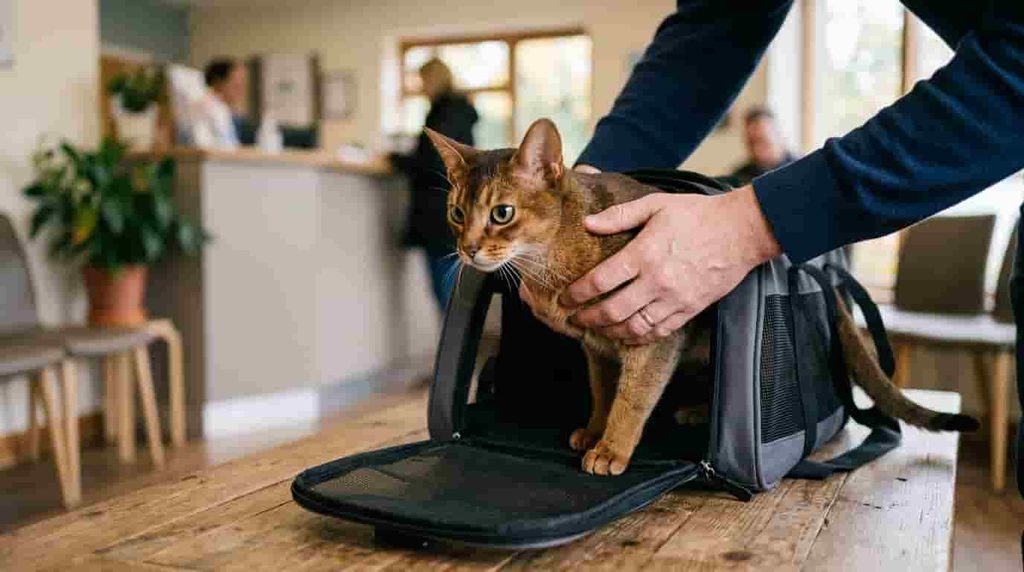
Post-operative recovery can temporarily alter a cat’s normal fluid balance and behavioral routine.
Recovery can change drinking behavior
It is common for cats to display altered drinking habits after returning home from a veterinary procedure. Factors driving post-surgery thirst include:
- Anesthetic Effects: Anesthetic agents and pre-medications can leave the mouth and throat feeling dry.
- IV Fluids: If your cat received intravenous fluids during surgery, their body balance may adjust over the following 24 to 48 hours.
- Prescription Drugs: Post-operative pain medications, antibiotics, or anti-inflammatories can alter thirst.
- Dietary Shifts: Transitioning to bland recovery foods or withholding food prior to surgery alters normal hydration routines.
When to contact the veterinary team
Always follow the specific post-operative discharge instructions provided by your surgeon. Contact your veterinary clinic promptly if post-surgery drinking is accompanied by:
- Repeated vomiting or inability to keep water down
- Complete refusal to eat beyond the timeframe advised by your vet
- Extreme lethargy, unresponsiveness, or inability to stand
- Pale or tacky gums
- Difficulty breathing or open-mouth panting
If your cat exhibits open-mouth breathing during recovery or at any other time, review our guide on Why Is My Cat Breathing With Its Mouth Open? Causes and When to Worry
for urgent guidance.
Do Sick Cats Drink More Water?
A common misconception among pet owners is that sick cats will always drink more water to help themselves heal. In reality, illness impacts feline hydration in complex ways.
Why drinking behavior varies with illness
Depending on the underlying disease, a sick cat may drink significantly more water, or they may stop drinking entirely:
| Medical Condition / State | Typical Impact on Water Intake | Primary Physiological Driver |
| Chronic Kidney Disease | Increased (Polydipsia) | Inability to concentrate urine; compensating for fluid loss |
| Diabetes Mellitus | Increased (Polydipsia) | Osmotic diuresis caused by excess glucose spilling into urine |
| Hyperthyroidism | Increased (Polydipsia) | Elevated metabolic rate and increased heat production |
| Severe Nausea / Toxemia | Decreased (Adipsia) | Systemic malaise, weakness, and loss of thirst drive |
| Advanced Lethargy / Fever | Decreased (Adipsia) | Lack of mobility or energy to reach the water bowl |
Look beyond the water bowl
Because illness can drive water intake either up or down, owners must evaluate the complete picture. Never rely solely on water consumption to determine whether your cat is healthy. Assess energy levels, appetite, elimination habits, weight stability, and overall coat condition alongside their drinking patterns.
How to Tell If Your Cat Is Drinking More Water Than Usual
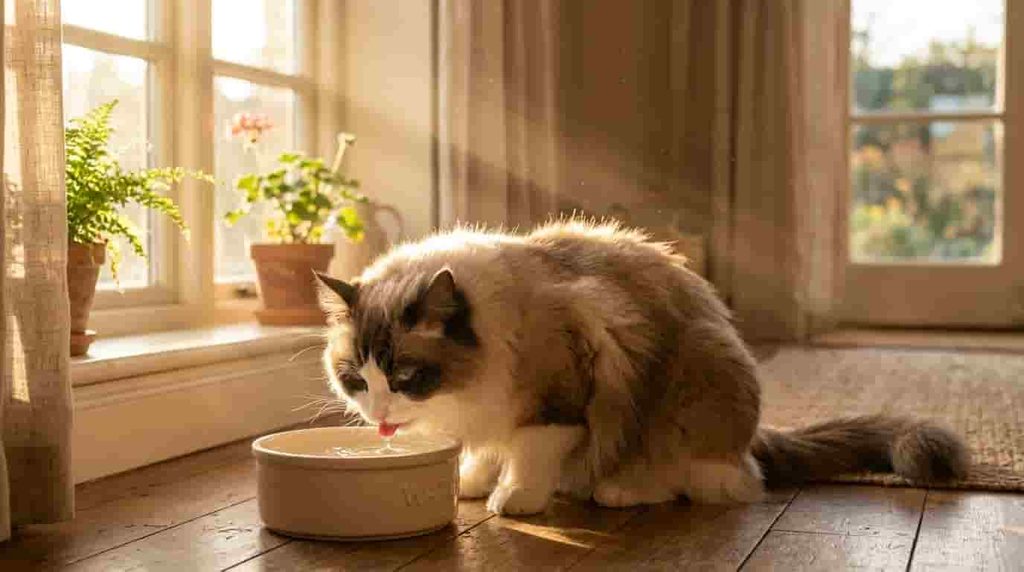
Accurately identifying increased thirst requires simple, consistent monitoring habits at home.
Watch the water bowls
To get an accurate sense of your cat’s baseline intake:
- Fill water bowls to the exact same line each morning.
- Use a measuring cup when refilling to track how many ounces are added daily.
- Keep the number and placement of water bowls consistent throughout the house.
Consider multiple water sources
Remember to account for every fluid access point in your home. If your cat drinks from bathroom sinks, shower trays, aquarium lids, or outdoor puddles, measuring the bowl alone will underestimate their total intake. Try to restrict access to unintended water sources while monitoring.
Monitor litter-box changes
Urine volume often reveals increased fluid intake faster than measuring bowls. Watch for:
- Clumps that are double or triple their usual size
- Having to scoop or change litter far more frequently
- Strong or unusually faint urine odors
Keep a simple health log
If you suspect a change, keep a 7-day log tracking daily observations:
- Water Intake: Normal, Slightly Increased, or Excessive
- Food Intake: Ate All, Ate Half, or Refused Food
- Litter Box: Normal Clumps, Unusually Large Clumps, or Accidents Outside Box
- Weight & Energy: Stable Weight/Active, Lethargic/Hiding, or Unusually Hyperactive
- Vomiting & Stool: None, Active Vomiting, or Diarrhea
How Do Vets Find Out Why a Cat Is Drinking So Much?
When you take your cat to a veterinary clinic for excessive thirst, the veterinary team follows a structured diagnostic approach to pinpoint the exact cause:
- Comprehensive Medical History: Owner observations, timeline, and intake logs.
- Full Physical Examination: Hydration evaluation, kidney size assessment, and thyroid check.
- Complete Blood Count (CBC) & Biochemistry Panel: Testing kidney function, liver enzymes, and blood sugar levels.
- Urinalysis: Checking Urine Specific Gravity (USG), protein, glucose, and bacterial infection.
- Advanced Diagnostics: Thyroid T4 testing, abdominal ultrasound, or X-rays as needed.
Questions your veterinarian may ask
Your vet will begin by gathering a detailed medical history. Be prepared to answer:
- When did you first notice the increase in drinking?
- Has the change occurred suddenly or developed gradually over months?
- What type of diet does your cat eat (dry, wet, or a combination)?
- Have you noticed changes in appetite, body weight, or energy?
- How often is your cat urinating, and have there been accidents outside the box?
- Is your cat currently taking any medications or supplements?
Physical examination
During the hands-on exam, the veterinarian will check:
- Hydration Status: Checking skin turgor (elasticity) and feeling if the gums are moist or tacky.
- Abdominal Palpation: Feeling the size, shape, and firmness of the kidneys, liver, and bladder.
- Thyroid Gland: Checking the neck for an enlarged thyroid nodule.
- Body Condition: Assessing muscle mass along the spine and hind legs.
Possible tests
To confirm a diagnosis, your vet will typically recommend standard diagnostic panels:
- Blood Biochemistry: Evaluates kidney values (BUN, creatinine, SDMA), blood glucose, liver enzymes, and electrolyte balance.
- Complete Blood Count (CBC): Checks for systemic infection, inflammation, or anemia.
- Urinalysis: Measures Urine Specific Gravity (USG) to evaluate kidney concentration ability, while testing for glucose, protein, ketones, and bacteria.
- Thyroid Testing (Total T4): Measures thyroid hormone levels in cats middle-aged and older.
What Should I Do If My Cat Is Drinking Excessively?
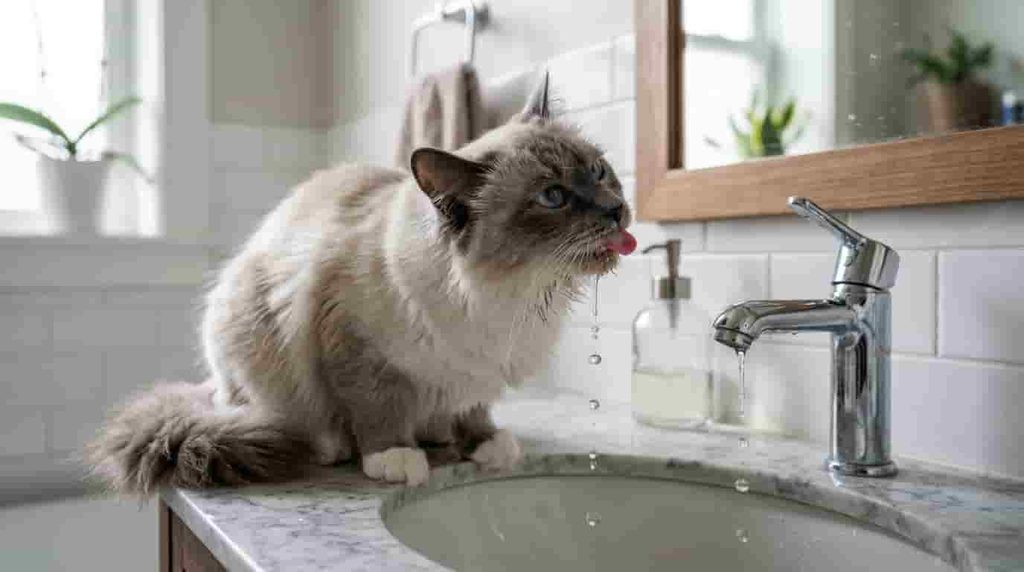
If you notice your cat spending excessive time at the water bowl, taking logical, safe steps at home is essential while organizing professional care.
Keep fresh water available
Never restrict your cat’s access to water. If an underlying medical condition (such as kidney disease or diabetes) is forcing the body to excrete high volumes of urine, limiting water intake will cause rapid, life-threatening dehydration and metabolic collapse. Always provide clean, fresh water in easily accessible bowls.
Monitor rather than guessing
Instead of attempting to guess the cause or waiting weeks to see if it stops, start tracking daily water consumption, food intake, litter box usage, and body weight. Documenting clear trends provides invaluable data for your vet.
Avoid self-treatment
Do not give human medications, herbal supplements, or home remedies to a cat drinking excessive water. Feline physiology is sensitive, and many over-the-counter substances are toxic to cats. Additionally, changing diets rapidly without medical guidance can complicate diagnostic test results.
Contact your veterinarian when the change persists
If heightened thirst lasts for more than a few days, or if it occurs alongside weight loss, appetite shifts, vomiting, or altered urination, schedule a veterinary consultation promptly. Early diagnosis of chronic feline conditions leads to significantly better long-term management outcomes.
When Should I Be Concerned If My Cat Drinks a Lot of Water?
Knowing how to prioritize your cat’s symptoms helps you decide whether to monitor at home, book a routine appointment, or seek emergency veterinary care.
Decision Framework: When to Seek Care
- Monitor Closely at Home: The drinking increase has a clear temporary explanation (hot day, recent diet switch) and the cat is bright, active, and acting completely normal.
- Schedule a Veterinary Appointment: Increased thirst persists for more than 3 days, or is accompanied by noticeable changes in weight, appetite, or urine volume.
- Seek Prompt Emergency Care: Increased drinking occurs alongside repeated vomiting, complete refusal to eat, severe weakness, collapse, or open-mouth panting.
Monitor closely
Monitoring at home is generally appropriate when:
- The increase in drinking has a clear, temporary explanation (e.g., hot weather or switching to dry food).
- Your cat is bright, alert, active, and eating normally.
- Urination volume remains proportional and normal.
- Drinking habits return to baseline within 48 to 72 hours.
Schedule a veterinary appointment
Recommend scheduling a formal veterinary evaluation within a few days when:
- Increased water intake persists for more than 3 to 4 days without an obvious environmental cause.
- The water bowl requires constant refilling compared to your cat’s baseline.
- Urination frequency or clump sizes have increased noticeably.
- You notice gradual, unexplained weight loss or subtle changes in coat quality.
Seek prompt veterinary care
Seek immediate or emergency veterinary attention if excessive drinking occurs alongside:
- Repeated vomiting or inability to keep fluids down
- Complete refusal to eat for more than 24 hours
- Severe lethargy, unresponsiveness, or inability to stand
- Open-mouth breathing, panting, or respiratory distress
- Visible signs of severe pain, vocalizing, or collapse
Common Mistakes Cat Owners Make About Excessive Drinking
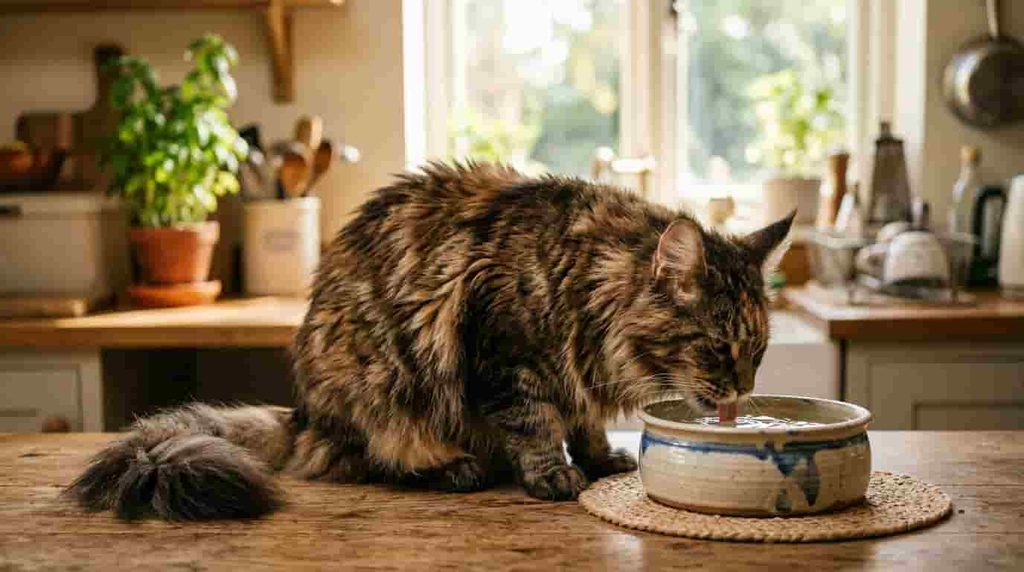
Navigating feline hydration changes can be tricky. Avoid these five common pitfalls:
- Mistake 1: Assuming more water is always healthy. While hydration is vital, an unexplained spike in thirst is often an early clinical symptom of internal disease rather than just a healthy habit.
- Mistake 2: Restricting water intake. Intentionally removing or limiting water bowls to curb frequent urination can cause rapid kidney failure and severe dehydration in a sick cat.
- Mistake 3: Blaming everything on hot weather. High temperatures do increase thirst, but persistent, heavy drinking during cool weather or across several weeks should never be dismissed as a seasonal adjustment.
- Mistake 4: Looking only at the water bowl. Focusing exclusively on liquid intake while ignoring appetite, weight changes, litter-box habits, and energy levels misses crucial diagnostic clues.
- Mistake 5: Waiting until the cat looks visibly sick. Felines hide illness remarkably well. Waiting until your cat is weak, withdrawn, or severely emaciated makes treatment significantly harder than addressing early symptoms.
Frequently Asked Questions About Cat Drinking Habits
How many times a day should my cat drink water?
Cats do not follow a fixed schedule for drinking water. Daily bowl visits vary depending on whether your cat eats dry kibble or wet canned food, active movement levels, and household temperatures. Rather than counting daily visits, focus on recognizing any sudden shift from your cat’s established routine.
What counts as excessive thirst in cats?
Excessive thirst (polydipsia) occurs when a cat drinks significantly more water than their established baseline requirement. This is typically characterized by frequent visits to the water bowl, lingering over water sources for extended periods, seeking out sinks or showers, and an accompanying increase in urine production.
Should I be concerned if my cat drinks a lot of water?
You should pay close attention if the increase in water intake persists for more than a few days or occurs alongside other symptoms. While temporary shifts can stem from diet or hot weather, persistent high thirst can indicate underlying health conditions like kidney disease, diabetes, or thyroid issues that warrant veterinary evaluation.
Do sick cats drink more water?
Some sick cats drink significantly more water to compensate for kidney dysfunction or metabolic illness, while others drink far less due to severe nausea, weakness, or lethargy. Because illness can alter drinking behavior in either direction, evaluating overall energy, appetite, and urine output alongside water intake is necessary.
Why is my cat drinking so much water but acting normal?
Cats instinctively hide symptoms of physical illness during early disease stages to protect themselves. Conditions like early chronic kidney disease or mild diabetes often trigger heightened thirst long before overt signs of weakness, lethargy, or loss of appetite appear. A persistent, unexplained change in drinking always warrants professional advice even if your cat seems energetic.
Conclusion
Why Is My Cat Drinking So Much Water can have a simple explanation, but persistent excessive thirst should not be ignored. Shifts in daily water consumption are frequently influenced by non-medical factors such as hot weather, higher activity, or eating dry kibble instead of canned food. However, when heightened thirst continues over time, it serves as one of the most reliable early indicators of internal feline health conditions.
Pay close attention when increased water bowl visits occur alongside larger urine clumps, accidents outside the litter box, unexplained weight loss, appetite shifts, vomiting, or lethargy. Senior cats and pets recovering from recent medical procedures or surgery require especially diligent observation. Always ensure clean, fresh water remains accessible at all times, and avoid restricting fluid access.
The most useful clue is not simply how much your cat drinks, but how that drinking has changed from normal and what else is happening. If you have noticed persistent shifts in your cat’s hydration habits, logging their daily patterns and consulting your veterinarian is the best path forward.
Has your cat’s drinking behavior recently changed, or have you noticed them lingering around water bowls more often? Share your experiences, questions, and observations in the comments section below!