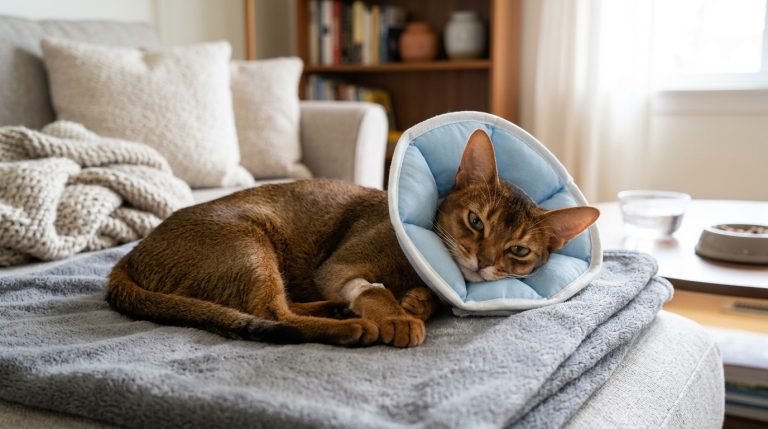

Cat Shedding: How to Reduce Excessive Cat Hair and Shedding at Home
Introduction:
Cat Shedding is a daily reality for millions of cat owners, often greeting us on furniture, clothing, bedding, and floors the moment we walk into a room. While some shedding is a completely normal, natural part of a feline life cycle as old or damaged hair is replaced, the sheer volume of fur left behind can sometimes feel overwhelming. The amount of hair a cat leaves behind varies considerably depending on coat type, seasonal shifts, age, indoor lifestyle, and overall health. Understanding the distinction between normal shedding and excessive or abnormal hair loss helps you address problems early. Managing loose hair effectively comes down to establishing reliable routines: regular brushing, selecting the right grooming tools, controlling loose hair around the home, monitoring the skin and coat for subtle changes, and knowing precisely when veterinary care is appropriate.
What Is Cat Shedding and Why Does It Happen?

Why do cats shed?
Cat fur naturally goes through active growth, resting, and replacement cycles. Old, weakened, or damaged hairs eventually loosen and fall out to make room for fresh new growth. Grooming removes a large portion of this loose hair naturally, which is why cats frequently swallow hair while licking themselves.
Do all cats shed?
Almost all cats with hair shed to some degree. However, the intensity and visibility of shedding vary dramatically between individual animals. While people often assume short-haired cats shed less, many short-haired breeds drop thousands of tiny, stiff hairs that weave deep into carpets and upholstery, whereas some long-haired cats drop larger, easier-to-collect clumps.
What affects how much a cat sheds?
- Genetics and breed: Different breeds carry distinct coat densities and single- or double-coat structures.
- Age and health: Younger cats typically maintain tightly regulated coats, while senior cats may experience changes in grooming habits.
- Indoor vs. outdoor lifestyle: Indoor cats exposed to artificial lighting and climate control often shed consistently year-round rather than dropping all their fur in massive seasonal waves.
- Seasonal changes: Shifting daylight hours trigger natural biological responses in many felines.
Shedding vs. hair loss
Normal shedding presents as loose hairs and a relatively even, full coat with no obvious bald areas and healthy skin underneath. Abnormal hair loss, conversely, involves distinct bald patches, thinning areas, broken hairs, excessive scratching or licking, irritated skin, and sudden changes in coat texture.
Is Excessive Cat Shedding Normal?

When shedding is probably normal
An increase in loose hair without any accompanying bald spots, consistent overall coat fullness, healthy skin, and an absence of constant itching typically point to normal biological shedding. This is especially true during expected seasonal transitions when cats shed their winter coats.
When shedding may be a warning sign
A sudden, dramatic increase in hair loss, visible bald patches, thinning fur, persistent scratching, excessive licking or chewing at specific areas, and skin redness, scabs, or sores indicate that something more serious may be happening beneath the surface.
Why excessive shedding should not always be treated as a grooming problem
Brushing physically removes loose hair from the coat, but it does nothing to treat underlying medical problems, nutritional imbalances, or skin parasites. If shedding is accompanied by skin changes or behavioral distress, focusing solely on hair management will leave the root problem unaddressed.
When should you call a veterinarian?
- Sudden or severe hair loss resulting in bald spots.
- Painful, red, or inflamed skin accompanied by scabs or sores.
- Persistent scratching, biting, or overgrooming of specific body zones.
- Lethargy, appetite changes, or other systemic signs of illness.
When Is Cat Shedding Season?

Do cats shed more during certain seasons?
Shedding season cats naturally experience is heavily influenced by changes in ambient temperature and, most importantly, hours of daylight. As daylight increases in the spring, cats shed their thick winter undercoats to prepare for warmer weather. As daylight shortens in the fall, they often drop lighter summer coats to grow thicker fur for winter.
Why indoor cats may shed differently
Indoor cats live in environments with artificial lighting and stable climate control, which can disrupt natural biological photoperiod cues. Consequently, many indoor cats shed steadily throughout the entire year rather than experiencing massive, distinct seasonal blowouts.
What owners may notice during heavier shedding periods
- An abundance of floating hair settling on furniture and baseboards.
- Significantly more loose hair extracted during every brushing session.
- Increased time spent by the cat on self-grooming.
- Hair accumulating rapidly on clothing and bedding.
How to prepare for heavier shedding
Proactive preparation makes high-shedding periods manageable. Keep grooming tools easily accessible, commit to more frequent brushing sessions, and increase household cleaning frequency before hair accumulates excessively.
How to Reduce Cat Shedding at Home

Brush your cat regularly
Establishing a consistent brushing routine is the single most effective way to capture loose hair before it scatters across your home. The ideal frequency depends entirely on your cat’s coat length and density. Short sessions performed frequently are far more effective and better tolerated than rare, marathon grooming events.
Choose the right brush
Different tools serve completely different purposes. Slicker brushes feature fine wire pins designed to grab loose topcoat and undercoat hair, while grooming combs help check for hidden tangles and tease apart minor knots. Bristle brushes smooth surface fur and distribute natural skin oils.
Groom according to coat type
Short coats require simple rubber mitts or soft bristle brushes to capture loose surface hairs. Medium and long coats demand a combination of wide-toothed combs, undercoat rakes, and slicker brushes to penetrate dense layers and prevent matting.
Make grooming comfortable
Pick a calm moment when your cat is relaxed, allow them to sniff the brush before starting, and begin with gentle strokes on preferred areas like the head and back. Work in small sections, never pull on tangled hair, and immediately stop if the cat shows signs of stress or agitation.
Check the skin while brushing
Use grooming sessions as an opportunity to inspect your cat’s skin for lumps, scabs, redness, parasites, or flaking, ensuring you catch minor health issues early.
Best Brushes for Shedding Cats

Slicker brush
Slicker brushes are exceptional for catching loose undercoat hair across almost all coat types. Use light, gentle pressure to avoid scratching the skin with the fine wire pins.
Grooming comb
A metal greyhound comb is invaluable for checking whether the coat is truly free of tangles, reaching deep through denser fur, and identifying hidden mats near the skin.
Bristle brush
Bristle brushes work well for surface grooming on short-haired cats, removing light loose hair and giving the coat a glossy, finished appearance at the end of a grooming session.
Undercoat tools
Specialized undercoat rakes penetrate thick double coats to remove dead hair trapped beneath the top layer. Use these tools carefully and sparingly, avoiding aggressive pressure that can damage the skin.
How to choose the right tool
- Short coat: Simple grooming brush or rubber mitt.
- Long or dense coat: Combination of a slicker brush and a metal comb.
- Matted coat: Avoid aggressive raking; use fingers or a wide-toothed comb to gently tease knots apart.
Cat Grooming Tips That Actually Help

Groom little and often
Consistency prevents hair accumulation and keeps the cat comfortable with the handling process.
Work with your cat’s tolerance
If your cat only tolerates two minutes of brushing at a time, conduct multiple short sessions throughout the day rather than forcing a lengthy grooming ordeal.
Pay attention to problem areas
Focus extra care on high-friction zones where mats and tangles form most easily, including behind the ears, around the neck, in the armpits, along the belly, on the hind legs, and at the base of the tail.
Never force a grooming session
Watch for tail swishing, flattened ears, skin twitching, or growling. Pause immediately if the cat becomes stressed to prevent negative associations with grooming.
Cat Hair Control: How to Manage Shedding Around the House
Focus on the source first
Capturing loose hair directly on the cat through regular brushing remains far more efficient than constantly battling hair scattered across furniture and floors.
Clean high-hair areas regularly
Focus cleaning efforts on areas where your cat spends the most time, including sofas, cat trees, blankets, and carpets.
Wash bedding and soft surfaces
Washable fabrics trap massive amounts of dander and loose hair. Regularly laundering cat beds and throw blankets in hot water keeps ambient hair under control.
Use practical hair-removal methods
Utilize vacuums with specialized pet-hair attachments, rubber lint-removal tools, and washable furniture covers to efficiently lift embedded fur from household fabrics.
Cat Hair Management: Diet, Hydration and Overall Health

Can food stop cat shedding?
Normal feline shedding cannot be completely eliminated through diet alone, as shedding is a natural biological process. However, optimal nutrition directly supports healthy skin and strong hair follicles, minimizing excessive breakage and dull coats.
Why a complete, balanced diet matters
High-quality proteins, essential fatty acids like omega-3 and omega-6, and balanced vitamins provide the building blocks necessary for a healthy, resilient coat. Avoid adding random supplements without explicit veterinary guidance.
Hydration and coat health
Adequate water intake supports overall physiological function, including skin elasticity and hydration. While clean water is essential for general health, it is not a standalone cure for heavy seasonal shedding.
Cat Shedding Remedies: What Works and What Does Not
What can genuinely help
- Regular, gentle brushing with appropriate tools.
- A complete and balanced diet suitable for your cat’s life stage.
- Routine veterinary care and parasite prevention.
- Consistent environmental hair-removal habits.
What should you be cautious about
- Miracle shedding cures or unverified dietary supplements.
- Aggressive brushing that scratches or irritates the skin.
- Excessive bathing without a clear medical or sanitary reason.
- Shaving a cat solely to eliminate shedding, which strips away vital natural insulation and protection.
Can bathing reduce shedding?
Bathing is not automatically necessary or helpful for everyday shedding. While occasional baths can help loosen dead undercoat hair during heavy seasonal changes, they should complement—rather than replace—routine brushing. For specific situations where bathing becomes necessary, refer to Cat Bathing: How to Bathe a Cat Safely Without Stress or Scratches for step-by-step guidance.
Does Grooming Help With Hairballs?
Why grooming can matter
Cats ingest significant amounts of loose hair during self-grooming. Removing that loose fur with a brush before the cat can swallow it dramatically reduces the volume of hair entering the digestive tract, minimizing hairball formation.
When hairballs are not simply a grooming issue
Frequent vomiting, repeated retching, sudden appetite changes, or lethargy indicate that hairballs may be a symptom of an underlying digestive or medical problem. Persistent symptoms require professional veterinary evaluation rather than simply brushing more often.
Cat Ear Cleaning and Other Grooming Tasks

Grooming is more than brushing
A comprehensive grooming routine encompasses not just the coat, but also regular body checks, ear inspections, and nail maintenance.
When owners need more detailed guidance
For specific maintenance tasks outside of coat care, consult Cat Ear Cleaning: How to Clean Cat Ears and Remove Black Wax Safely to manage ear health without risking injury. Additionally, incorporating safe claw maintenance keeps your cat comfortable, and you can review Cat Nail Trimming: How to Safely Cut Your Cat’s Nails at Home for proper techniques during routine care sessions.
Long Hair Cats and Shedding
Do long-haired cats shed more?
Longer hair makes shed fur significantly more noticeable as it collects on household surfaces, but it does not necessarily mean long-haired cats drop a greater volume of hair than short-haired breeds.
Why long coats need extra attention
Longer fur easily weaves together with loose hairs, creating stubborn tangles and painful mats if left unbrushed. Maintaining these coats requires a dedicated, consistent grooming schedule.
When to learn more about long-haired cats
To explore the specific needs, traits, and care requirements of long-coated felines, refer to Long Hair Cats: Breeds, Grooming, Care, Problems and What to Know for an in-depth breed and maintenance breakdown.
Common Mistakes That Can Make Cat Hair Management Harder
- Waiting until shedding becomes overwhelming before starting a brushing routine.
- Using the wrong brush type for your cat’s specific coat texture.
- Brushing too aggressively and causing skin irritation or fear.
- Ignoring small tangles until they escalate into severe, skin-pulling mats.
- Shaving the cat as a quick fix for normal shedding.
- Assuming every sudden surge in hair loss is a harmless seasonal change.
- Focusing exclusively on cleaning the house while neglecting the cat’s coat.
A Simple Cat Shedding Routine for Busy Owners

Daily
Perform a quick coat check and remove any loose surface hairs if needed. Quickly sweep or wipe high-use cat resting areas.
Several times a week
Brush the coat thoroughly using tools appropriate for your cat’s fur. Check high-friction areas behind the ears, under the legs, along the belly, and near the tail. Vacuum primary shedding zones.
Weekly
Wash cat bedding, inspect your grooming tools for wear, and check your cat’s skin and coat for any unusual changes.
When Cat Shedding Needs Veterinary Attention
Contact a veterinarian promptly if you observe bald patches, sudden or severe hair loss, persistent itching, excessive licking or chewing, red skin, scabs, parasites, or major texture changes in the coat. Abnormal hair loss can stem from underlying medical conditions, allergies, or hormonal imbalances that grooming alone cannot resolve. Never attempt to diagnose hair loss causes at home or delay professional care.
Frequently Asked Questions About Cat Shedding
Is it normal for cats to shed every day?
Yes, some daily shedding is completely normal as old hair follicles complete their natural growth cycle. The total amount of hair dropped each day varies depending on the individual cat, breed, and indoor environment.
How can I reduce my cat’s shedding naturally?
Reducing ambient shedding relies on consistent, gentle brushing, providing a complete and balanced diet, and maintaining overall health. Avoid unverified supplements or miracle cures that promise to stop natural biological shedding.
Do indoor cats shed more than outdoor cats?
Indoor cats often shed steadily throughout the entire year due to stable indoor lighting and temperatures. Outdoor cats typically experience dramatic, concentrated seasonal shedding phases triggered by natural daylight shifts.
Does brushing a cat reduce shedding?
Brushing collects loose hair before it scatters onto your furniture and carpets, significantly reducing the amount of hair floating around your home. However, it does not stop the cat’s natural biological shedding cycle.
Why is my cat losing hair in patches?
Patchy hair loss differs significantly from ordinary shedding and points to underlying medical issues such as parasites, skin infections, allergies, or stress. A professional veterinary evaluation is necessary to determine the exact cause.
Conclusion
Cat Shedding is an entirely normal part of sharing your home with a feline companion, but managing it effectively makes living together comfortable for everyone. By establishing a regular brushing routine, choosing the right tools, monitoring skin and coat health, managing loose hair in your living spaces, and recognizing when sudden shedding signals a medical concern, you can keep your cat healthy and your home clean. The goal is never to stop natural shedding entirely, but rather to make it completely manageable while staying alert to your cat’s overall well-being. How do you manage cat hair in your home? Share your favorite tips or experiences below!