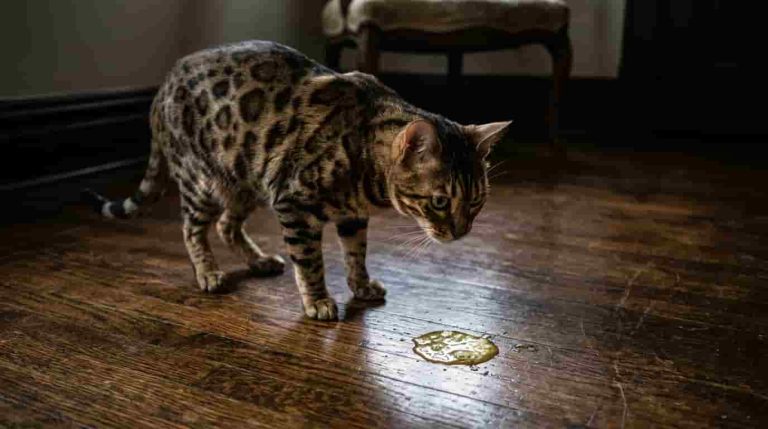

Cat Nail Trimming: How to Safely Cut Your Cat’s Nails at Home
Introduction:
Cat Nail Trimming is a routine task that many pet owners approach with a certain amount of anxiety, especially when dealing with a cat that dislikes having its paws handled. However, maintaining your cat’s claws does not have to become a stressful struggle filled with stress and resistance. The safest and most effective approach relies on gradual preparation, proper tools, and trimming only the appropriate, harmless tip of each claw. Some cats naturally wear down their claws by scratching on approved posts, while indoor cats and seniors with limited opportunities for natural wear often require regular human intervention. Cutting too far can injure the sensitive quick, causing pain and bleeding. This comprehensive guide will cover everything you need to know about when nail trimming is necessary, how to prepare your feline companion, which clippers to use, the correct cutting angle, how to handle difficult pets, and when to seek professional assistance.
Is It Necessary to Cut Your Cat’s Nails?
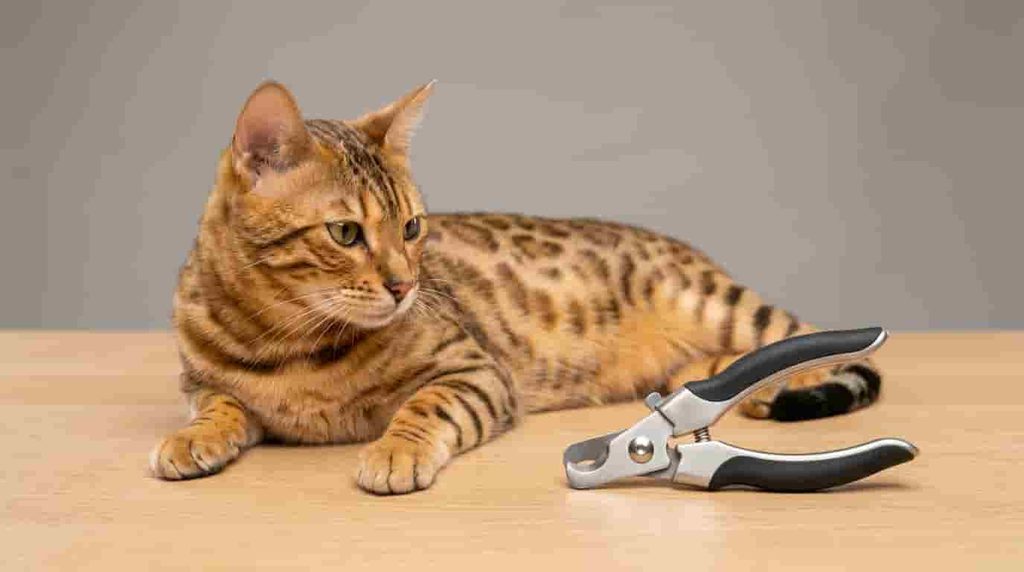
Why cat nail maintenance matters
When addressing the question of whether it is necessary to cut your cat’s nails, it helps to understand normal feline claw growth. Cats possess retractable claws made of keratin that grow continuously and shed outer sheaths over time. However, overgrown claws can easily become curved, overly sharp, and uncomfortable, frequently snagging on carpets, blankets, and furniture. Regular claw care is a fundamental component of general cat grooming and comprehensive pet care. While not every cat requires trimming at the exact same interval, monitoring claw length prevents physical discomfort and protects your household items.
Which cats may need more frequent trimming?
Several factors influence how quickly cat claws grow and whether they wear down naturally:
- Indoor lifestyle: Cats kept strictly indoors lack rough outdoor surfaces like concrete or tree bark to naturally blunt their claws.
- Age: Senior cats often experience reduced activity levels and thicker claws that do not shed as efficiently.
- Activity level and scratching behavior: Cats that actively use scratching posts maintain shorter claws than those that neglect them.
- Individual anatomy: Some cats have structural paw variations or joint stiffness that prevents normal claw retraction.
Signs your cat’s claws may be too long
- Claws remain visibly extended even when the cat’s paws are relaxed.
- Nails consistently snag on fabric or carpet loops.
- Claws grow into a sharp, circular curve.
- The claw presses toward or touches the delicate paw pad.
How Often Should You Trim a Cat’s Nails?
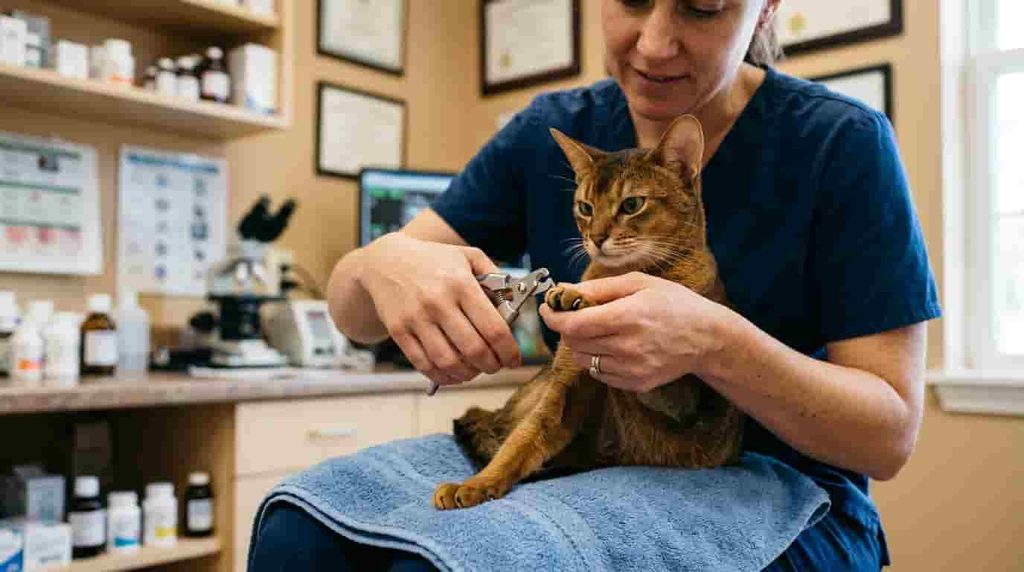
Cat nail trimming frequency depends on the individual
There is no single universal schedule for every cat. While some felines need their front claws attended to every two to three weeks, others can go a month or longer. Rear claws typically grow and wear down differently, often requiring less frequent attention. Regular paw checks are far more useful than forcing every cat onto a rigid calendar.
Create a simple nail-check routine
- Examine your cat’s paws gently during calm moments.
- Look closely at claw length and curvature.
- Perform cat nail trimming only when length or snagging issues dictate a need.
What You Need for Cat Nail Trimming at Home

Best cat nail clippers
Having the right tools ensures a clean cut without crushing the claw:
- Small scissor-style cat nail clippers: Offer excellent visibility and precise control for small claws.
- Guillotine clippers: Feature a fixed hole where the tip is inserted, though visibility can occasionally be limited.
What truly matters is choosing an appropriate size, a comfortable handle grip, a sharp cutting edge that prevents splitting, and tools that maintain clear visibility of the nail.
Other useful supplies
- High-value treats for positive reinforcement
- A soft towel or blanket for wrapping or comfort if needed
- Bright, focused lighting to clearly view the inner anatomy of the claw
- Styptic powder or a veterinarian-approved clotting agent to stop minor bleeding instantly if the quick is nicked
How to Prepare Your Cat Before Cutting the Nails
Preparation is often more important than the actual clipping process. A relaxed cat is infinitely safer to handle.
Get your cat comfortable with paw handling
Before introducing clippers, build tolerance through positive touch:
- Gently touch your cat’s shoulders or legs.
- Gradually move down toward the paws.
- Gently touch the soft paw pads without squeezing.
- Gently press a toe pad to extend a single claw.
- Reward calm behavior with treats and praise, repeating across multiple short sessions.
Choose the right time
Never attempt nail care when your cat is hyperactive, frightened, or resting after play. Choose a calm, quiet time when your cat is sleepy or relaxed. If a cat immediately pulls its paw away, they are not ready for clipping; take a break and resume training later.
How to Cut Cat Nails Properly: Step-by-Step Guide

Step 1 — Position your cat comfortably
Hold your cat securely on your lap or a stable surface, keeping your body weight light and non-threatening. Avoid forcing or pinning the entire body down.
Step 2 — Hold the paw gently
Support the paw in your hand without squeezing. Press lightly on the top and bottom toe pads to gracefully extend the claw.
Step 3 — Identify the quick
The quick is the inner core containing blood vessels and nerves. In clear or light-colored claws, it appears as a distinct pink triangle. In dark claws, the quick is harder to see, requiring you to focus exclusively on clipping the clear, sharp hook at the very tip.
Step 4 — Choose the cutting angle
Follow the natural downward curve of the claw. Remove only a small amount of the clear tip at a time, staying well away from the pink or dark quick. Never attempt to shorten the entire nail dramatically in one cut.
Step 5 — Make a controlled cut
Use one swift, confident motion. Check the cut surface and immediately offer a treat and praise.
Step 6 — Stop when your cat has had enough
You do not need to finish all eighteen claws in a single sitting. Several brief sessions spread across days are much better than forcing a long, stressful ordeal.
How to Do It by Yourself or With Two People
Working alone requires a secure, quiet environment where you can manage one paw or even a single nail at a time with treats close by. If your cat panics, attempts to escape aggressively, or poses a risk of severe biting, stop immediately.
When two people are available, one person can gently cradle, soothe, and distract the cat with treats while the second person handles the clippers. Both individuals must avoid using heavy, forceful restraint.
How to Trim a Cat That Hates It
Read your cat’s warning signals
Watch for tail flicking, ears flattening backward, body stiffening, low growling, or pulling the paw away. These signs indicate that the session should pause immediately.
Reduce restraint and build trust
Work slowly, keep sessions exceptionally brief, and reward every ounce of cooperation. Avoid chasing your cat around the house with clippers in hand. If intense panic or aggression occurs, stop and consider professional support.
First-Time Trimming and Tool Selection

Starting with training
Introduce clippers gradually by letting your cat sniff them while receiving a treat. Never rush the initial session. If you only clip one single nail on the first try, consider it a complete success.
Human and guillotine clippers
While human nail clippers can be used in a pinch, their flat blades crush feline claws from the sides rather than cutting cleanly from top to bottom, increasing the risk of splitting. Dedicated small-animal clippers offer vastly superior control.
What to Do If You Accidentally Cut the Quick
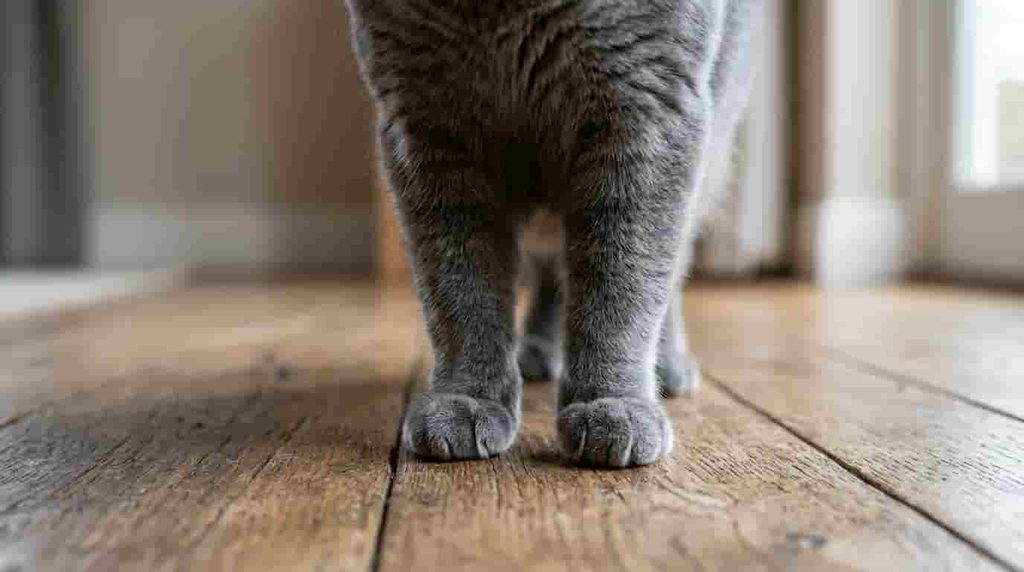
The quick contains rich blood vessels and nerve endings, meaning cutting into it causes sharp pain and bleeding. If this occurs:
- Stay calm to avoid alarming your cat.
- Apply a small amount of styptic powder directly to the bleeding tip with gentle pressure.
- Monitor the paw; seek professional veterinary advice if bleeding persists for more than a few minutes or if the cat remains in distress.
Common Cat Nail Trimming Mistakes to Avoid
- Cutting too much of the claw at once
- Nickingthed quick due to poor lighting
- Using dull, unsharpened, or improper clippers
- Holding the cat with excessive, rigid force
- Attempting to complete every claw in a single exhausting session
- Skipping paw-handling desensitization
- Punishing the cat for natural defensive reactions
- Rushing the process rather than prioritizing patience
Nail Trimming and Broader Grooming
Nail care is only one element of comprehensive feline maintenance. Maintaining overall hygiene requires coordinating several distinct grooming habits. For instance, managing loose fur before seasonal changes is essential, as detailed in Cat Shedding: How to Reduce Excessive Cat Hair and Shedding at Home. Additionally, routine care sessions provide a great opportunity to check for wax buildup or debris, which you can manage by reading Cat Ear Cleaning: How to Clean Cat Ears and Remove Black Wax Safely. Furthermore, while cats rarely need full baths, occasional washing may be necessary for specific situations, covered in Cat Bathing: How to Bathe a Cat Safely Without Stress or Scratches.
Long-Haired Cats
Long-haired felines require specialized attention because dense fur around the paws can obscure visual inspection of the claws. Owners must gently part the surrounding hair to expose each nail clearly before clipping, ensuring fur is never accidentally cut alongside the claw. For broader coat maintenance guidance, consult Long Hair Cats: Breeds, Grooming, Care, Problems and What to Know.
When to Choose Professional Cat Nail Trimming

Professional nail care services from a veterinarian, veterinary technician, or experienced groomer are invaluable when a cat becomes dangerously aggressive, when claws are severely overgrown or curling into the pads, or when physical limitations prevent you from safely managing the procedure at home.
A Simple Cat Nail Trimming Routine
- Before: Pick a calm time, ready your clippers and treats, ensure bright lighting, and test your cat’s relaxation level.
- During: Support the paw softly, extend one claw, locate the quick, clip the clear tip, reward compliance, and take frequent breaks.
- After: Inspect the paws, offer a final treat, and clean your tools.
Frequently Asked Questions
FAQ 1: Is it necessary to cut a cat’s nails?
Not all cats need routine trimming if they naturally wear down their claws, but indoor and senior cats often require regular human maintenance to prevent snagging and overgrowth.
FAQ 2: How often should I trim my cat’s nails?
Frequency varies significantly by individual lifestyle and activity; regular paw checks are far more effective than following a rigid calendar.
FAQ 3: Can I use human nail clippers on my cat?
While possible, human clippers crush claws from the sides and risk splitting them, making specialized small-animal clippers a much safer choice.
FAQ 4: What should I do if my cat won’t let me trim its nails?
Rely on gradual desensitization training, keep sessions short, and seek professional assistance if handling becomes unsafe.
FAQ 5: What happens if I cut the quick?
Cutting the quick causes brief pain and bleeding; apply styptic powder immediately with gentle pressure and consult a vet if bleeding persists.
Conclusion — Safe Cat Nail Trimming Takes Patience
Cat Nail Trimming can be performed safely and successfully at home when you approach the task with patience, proper tools, and respect for your cat’s boundaries. Inspect claws regularly rather than forcing a rigid schedule, identify the quick before every cut, and remove only the sharp tip. Taking frequent breaks and avoiding aggressive restraint protects both you and your feline companion. Professional help is always available and recommended whenever safety or severe resistance becomes a concern. Ultimately, successful claw care is built on mutual trust and gradual conditioning rather than speed.
Do you trim your cat’s nails successfully at home, or do you prefer relying on professional help? Share your thoughts below!