Salmonella in Cats: Symptoms, Treatment, Recovery and Prevention
Introduction:
Salmonella in Cats is a bacterial infection that can affect felines, although clinical illness is not inevitable after exposure. Many cats come into contact with the bacteria without ever developing noticeable health issues, while others experience significant digestive or systemic illness. For pet owners, learning about this condition involves understanding what symptoms to watch for, how veterinarians diagnose the infection, what treatment may involve, how long recovery can take, and whether cats can spread the bacteria to people or other pets in the household.
Cats can encounter Salmonella through several common routes, including contaminated commercial pet food, raw animal products, infected prey, contaminated outdoor environments, or direct contact with fecal material. While some adult cats possess strong immune defenses that suppress the bacteria, young kittens, elderly cats, and those with weakened immune systems face a higher risk of developing active disease. Suspected salmonellosis deserves prompt veterinary attention, especially when a cat displays significant diarrhea, vomiting, fever, weakness, dehydration, or other signs of distress. Early care and proper hygiene practices play a vital role in keeping both felines and human family members safe.
What Is Salmonella in Cats?
What is Salmonella?
Salmonella refers to a group of rod-shaped, Gram-negative bacteria that can cause a gastrointestinal or systemic infection known as salmonellosis. These bacteria exist globally and can infect a wide range of species, including mammals, birds, reptiles, and humans. In feline medicine, it is important to distinguish between simple exposure, asymptomatic infection, and active clinical disease. Exposure occurs when a cat ingests the bacteria. If the bacteria colonize the intestinal tract without causing physical illness, the cat is considered an asymptomatic carrier that may shed the bacteria in its feces. When the bacteria multiply, invade the intestinal lining, or spread into the bloodstream, the cat develops active salmonellosis in cats.
How Do Cats Get Salmonella?
Cats are naturally inquisitive carnivores, which exposes them to Salmonella through various dietary and environmental sources:
- Contaminated Food and Treats: Commercial dry kibble, canned foods, or pet treats can occasionally be contaminated with Salmonella during manufacturing, handling, or storage.
- Raw or Undercooked Animal Products: Raw meat, poultry, organs, unpasteurized milk, and raw eggs frequently harbor Salmonella bacteria.
- Hunting and Consuming Prey: Outdoor cats that hunt and eat wild rodents, birds, or reptiles are frequently exposed through infected tissue or digestive tracts of their prey.
- Contact With Infected Animals or Feces: Direct contact with the feces of an infected animal—whether another cat, a dog, a bird, or a livestock animal—is a primary transmission route.
- Contaminated Surfaces and Environments: Soil, outdoor water sources, dirty litter boxes, and unwashed feeding bowls can host the bacteria for extended periods.
| Primary Exposure Route | Common Examples |
| Dietary Sources | Raw diets, contaminated commercial kibble/treats, unpasteurized dairy |
| Wildlife Contact | Hunting rodents, songbirds, or reptiles |
| Environmental Exposure | Contaminated soil, puddles, unwashed food bowls |
| Fecal-Oral Route | Shared litter boxes, grooming after contact with infected feces |
Can Indoor Cats Get Salmonella?
While living strictly indoors significantly lowers a cat’s exposure opportunities by eliminating hunting and outdoor environmental contact, it does not completely eliminate the risk. Indoor cats can still contract Salmonella through contaminated commercial foods or treats, raw meat diets prepared in the home, cross-contamination from human food preparation areas, or bacteria brought indoors on shoes and clothing. Additionally, indoor pests such as mice or insects can introduce the bacteria into a household. Therefore, indoor living reduces but does not entirely remove the risk of bacterial exposure.
Salmonella Symptoms in Cats
Symptoms of Salmonella in cats can range from mild, self-limiting gastrointestinal upset to severe, life-threatening systemic disease. The severity of symptoms depends on the cat’s age, overall immune health, the specific strain of Salmonella, and the quantity of bacteria ingested.
Common Symptoms of Salmonella in Cats
When clinical salmonellosis develops, signs usually appear within 12 to 72 hours after exposure. The most frequently observed symptoms include:
- Diarrhea: Stools are often watery, frequent, and may contain mucus or fresh blood.
- Vomiting: Frequent or intermittent vomiting that can lead to rapid fluid loss.
- Reduced Appetite: Anorexia or a sudden refusal to eat normal food.
- Fever: Elevated body temperature as the immune system responds to bacterial inflammation.
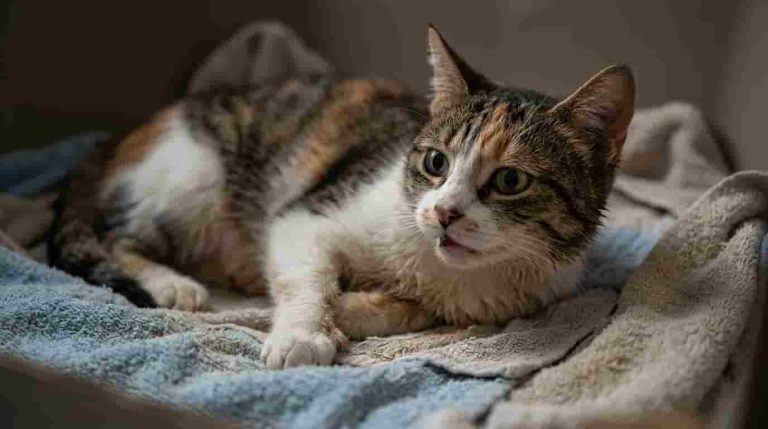
- Lethargy: Marked tiredness, weakness, or withdrawal from normal household activities.
- Abdominal Discomfort: Tenderness or crouching postures indicating abdominal pain.
- Dehydration: Dry gums, decreased skin elasticity, and sunken eyes resulting from fluid loss.
- Weight Loss: Rapid weight loss occurring in prolonged or chronic cases.
What Does Salmonella in Cat Poop Look Like?
Stool appearance alone cannot confirm a Salmonella infection, as many gastrointestinal conditions produce similar physical changes. However, diarrhea associated with Salmonella often presents as loose, watery, or foul-smelling stool. In more acute or severe cases, the intestinal lining becomes inflamed and eroded, leading to visible streaks of bright red blood (hematochezia) or clear-to-cloudy mucus in the stool. Dark, tarry stools (melena) may also occur if bleeding originates higher in the digestive tract. Because these visual signs overlap with parasitic infections, dietary indiscretion, and viral diseases, laboratory testing is essential for an accurate diagnosis.
Signs of More Serious Illness
In a subset of patients—particularly kittens, senior cats, or immunocompromised individuals—Salmonella can break through the intestinal barrier and enter the bloodstream, a condition known as bacteremia or sepsis. Warning signs of severe, life-threatening illness include:
- Extreme, profound weakness or sudden collapse
- Inability to hold down water or fluids
- Pale, grey, or tacky mucous membranes
- Unusually high fever or an abnormally low body temperature (hypothermia)
- Rapid, shallow breathing and elevated heart rate
- Jaundice (yellowing of the eyes, gums, or skin) indicating liver involvement
Cats exhibiting these severe systemic signs require immediate, emergency veterinary stabilization.
How Can I Tell If My Cat Has Salmonella?
It is impossible to confirm Salmonella based solely on physical symptoms. Digestive distress in cats is one of the most common reasons for veterinary visits, and the clinical presentation of salmonellosis mirrors numerous other health issues.
When evaluating a sick cat, veterinarians look closely at the patient’s recent history alongside physical signs. Key diagnostic considerations include:
- Dietary History: Recent shifts to raw food diets, feeding uncooked animal products, or recalls of commercial pet foods.
- Lifestyle and Environment: Outdoor access, observed hunting behavior, or contact with wild birds and rodents.
- Household Context: Recent gastrointestinal illness in human family members or other pets.
- Onset and Severity: How quickly the symptoms developed and whether fluid loss is leading to dehydration.
When Symptoms Are Not Enough
Because diarrhea and vomiting are non-specific signs, assuming every case of digestive upset is Salmonella can lead to incorrect care. A cat presenting with watery stool may instead be suffering from dietary indiscretion, inflammatory bowel disease (IBD), intestinal parasites (such as Giardia or roundworms), viral infections (like Feline Panleukopenia), or foreign body obstructions. Veterinary assessment and specific laboratory testing are the only reliable ways to identify the true cause and rule out other dangerous conditions.
Diagnosing Salmonella in Cats
How Is Salmonella Diagnosed?
Diagnosing salmonellosis involves combining a thorough physical examination with targeted laboratory diagnostics. Because Salmonella can be shed intermittently, veterinarians use specific methods to confirm the presence of the bacteria and assess the cat’s overall health:
- Fecal Culture: The traditional method for identifying Salmonella involves culturing a stool sample in a laboratory to grow and isolate the bacteria.
- Polymerase Chain Reaction (PCR) Testing: Fecal PCR testing detects Salmonella DNA rapidly and with high sensitivity, offering faster results than culture methods.
- Selective Media Isolation: Used to distinguish Salmonella from normal resident intestinal bacteria.
What Does a Positive Salmonella Test Mean?
Interpreting a positive Salmonella test requires clinical context. Finding Salmonella in a cat’s stool confirms that the bacteria are present and being shed, but it does not automatically prove that Salmonella is the primary cause of the cat’s current illness. Healthy cats can be subclinical carriers, shedding bacteria while suffering from an unrelated issue like a dietary allergy or viral infection. Conversely, a sick cat displaying classic symptoms alongside a positive culture or PCR test is generally diagnosed with active salmonellosis. Veterinarians evaluate the positive result in light of the cat’s fever, bloodwork, and intestinal symptoms.
Why Your Veterinarian May Recommend Additional Tests
To understand the full extent of the infection and check for complications, a veterinarian may recommend:
- Complete Blood Count (CBC): Checks for elevated or dangerously low white blood cell counts, which indicate severe infection or sepsis, and evaluates red blood cell levels for anemia.
- Serum Biochemistry Panel: Assesses kidney function, liver enzymes, and electrolyte balances distorted by fluid loss from vomiting and diarrhea.
- Abdominal Radiographs (X-rays) or Ultrasound: Helps rule out intestinal blockages, foreign objects, or abdominal abscesses.
Salmonella in Cats Treatment
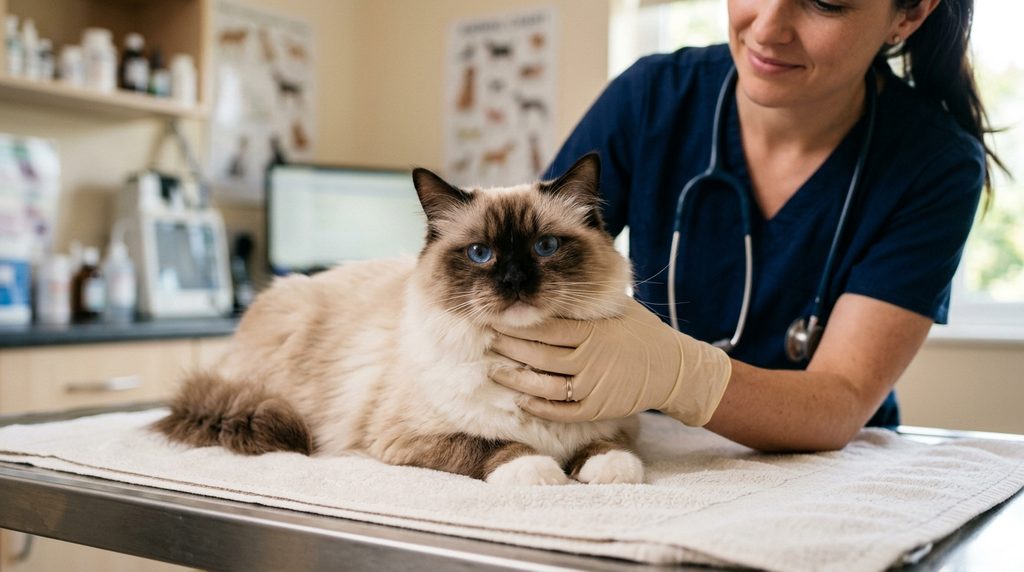
Treatment for Salmonella in cats depends on the severity of the illness, the age of the patient, and whether the infection remains localized in the gut or has spread systemically.
| Severity Level | Typical Care Location | Primary Treatment Focus |
| Mild | Home care under veterinary guidance | Subcutaneous fluids, bland diet, resting gastrointestinal tract |
| Moderate | Outpatient or short day-hospitalization | Antiemetics, oral/SC hydration, targeted gastrointestinal protectants |
| Severe | Intensive inpatient hospital care | IV fluids, systemic antibiotics, plasma/colloid therapy, continuous monitoring |
Supportive Treatment
For most cats with mild to moderate salmonellosis, supportive care forms the foundation of recovery. Because the digestive tract is inflamed, treatment focuses on allowing the gut to heal while maintaining hydration and electrolyte balance:
- Fluid Therapy: Restoring hydration through subcutaneous (SC) or intravenous (IV) fluids is critical to correct fluid loss from diarrhea and vomiting.
- Nutritional Support: Once active vomiting is controlled, feeding a highly digestible, bland gastrointestinal diet helps nourish intestinal cells and speed recovery.
- Antiemetic Medications: Drugs such as maropitant citrate may be prescribed to control nausea and vomiting, allowing the cat to retain fluids and nutrition.
- Probiotics: Specific veterinary probiotics may be introduced during recovery to help restore a healthy balance of beneficial gut microflora.
Do Cats With Salmonella Need Antibiotics?
Antibiotics are not automatically prescribed for every cat diagnosed with Salmonella. Veterinary guidelines recommend reserving antibiotic therapy for severe cases—such as cats with systemic illness, high fever, bloody diarrhea, suspected bacteremia, or those that are severely immunocompromised or very young.
Using antibiotics in mild, localized gastrointestinal cases can prolong the duration of bacterial shedding in feces, disrupt the normal gut microbiome, and contribute to the development of antibiotic-resistant bacterial strains. When antibiotics are necessary, veterinarians select specific drugs based on culture and sensitivity testing. Owners should never administer leftover human or veterinary antibiotics without professional direction.
Salmonellosis in Cats Treatment: Why Home Treatment Can Be Risky
While mild stomach upset might seem manageable at home, attempting to treat suspected Salmonella without veterinary oversight carries significant risks. Cats can dehydrate rapidly, and mild gastrointestinal signs can escalate into life-threatening sepsis within hours. Safe home management should only occur after a veterinarian has evaluated the cat.
While arranging veterinary care, owners can support their cat by:
- Providing continuous access to fresh, clean water
- Keeping the cat in a quiet, warm, and easily cleanable space
- Carefully monitoring food intake, water consumption, stool consistency, and energy levels
- Avoiding over-the-counter human medications, anti-diarrheal products, or unverified “natural” remedies, many of which are toxic to cats
Can a Cat Survive Salmonella?
Yes, many cats can recover completely from Salmonella infections, particularly when the illness is identified early and managed with appropriate supportive care. However, the overall prognosis depends heavily on the speed of veterinary intervention and the individual health status of the cat.
When Salmonella Becomes More Serious
The prognosis becomes guarded to grave when Salmonella bacteria cross into the bloodstream, causing systemic inflammatory response syndrome (SIRS), sepsis, or septic shock. Severe loss of intestinal mucosa can lead to protein-losing enteropathy, extreme electrolyte imbalances, and multi-organ failure. Cases involving severe necrotizing enteritis or systemic spread require aggressive, round-the-clock intensive hospital care.
Cats at Greater Risk of Complications
Certain patient populations face a significantly higher risk of severe complications or mortality:
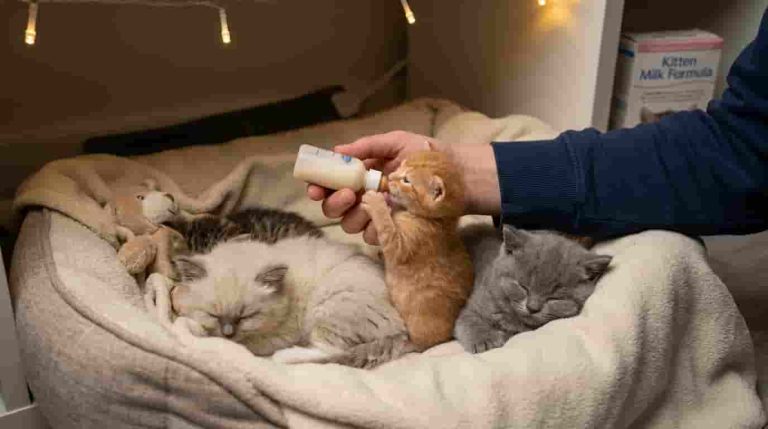
- Pediatric Patients (Kittens): Young kittens have limited fluid reserves and immature immune systems, making them vulnerable to rapid dehydration and systemic infection.
- Geriatric Cats: Older cats often have declining immune function or co-existing chronic conditions.
- Immunocompromised Felines: Cats infected with Feline Leukemia Virus (FeLV), Feline Immunodeficiency Virus (FIV), or those undergoing immunosuppressive therapies (such as chemotherapy or high-dose steroids).
- Cats With Pre-existing Disease: Individuals with chronic kidney disease, diabetes mellitus, or pre-existing inflammatory bowel disease.
Salmonella in Cats Recovery Time
There is no single recovery timeline for every cat infected with Salmonella. Recovery duration varies based on the severity of the initial infection, how quickly treatment began, and the patient’s underlying health.
For mild to moderate cases treated promptly with supportive care, clinical signs like vomiting and fever often resolve within 3 to 7 days, while stool consistency typically improves over 1 to 2 weeks. In severe cases requiring hospitalization and intensive fluid therapy, complete physical recovery may take 3 to 6 weeks. It is crucial to note that clinical recovery does not mean the bacteria are gone; cats can continue shedding Salmonella in their feces for weeks or even months after symptoms disappear.
Signs Your Cat Is Recovering
Positive indicators that your cat is responding well to treatment include:
- Gradual return of normal appetite and interest in food
- Increased energy, alertness, and grooming behavior
- Reduction or complete cessation of vomiting
- Progressive firming of the stool from watery to formed
- Adequate hydration, evidenced by moist gums and normal skin turgor
- Normal urination frequency and volume
When Recovery Is Not Going as Expected
Contact your veterinarian immediately if you observe any of the following warning signs during the recovery period:
- Relapse or worsening of diarrhea or vomiting
- Complete loss of appetite lasting more than 24 hours
- Recurrence of fever or profound lethargy
- Development of pale gums or cold extremities
- Appearance of fresh blood in the stool or vomit
Is Salmonella in Cats Contagious?
Yes, Salmonella is highly contagious. The bacteria spread primarily via the fecal-oral route, meaning infection occurs when susceptible animals or humans ingest microscopic amounts of infected fecal material.
Can Salmonella Spread From Cats to Other Cats?
Salmonella spreads easily between cats sharing a living space. Transmission occurs when a healthy cat ingests bacteria shed in an infected cat’s feces. Common household transmission points include:
- Shared litter boxes where feces accumulate or dust is kicked up
- Grooming coat surfaces contaminated with fecal particles
- Shared food and water bowls positioned near litter areas
- Contaminated bedding, toys, or resting spots
In multi-cat households, isolating an infected or recovering cat in a separate, easily sanitized room with its own litter box and feeding station is critical to prevent spread.
Can Salmonella Spread Between Cats and Dogs?
Both cats and dogs are susceptible to Salmonella infection and can transmit the bacteria to one another. Dogs that ingest cat feces from garden soil or litter boxes (coprophagy) are at high risk of contracting the infection. If one pet in a multi-pet household is diagnosed with salmonellosis, strict hygiene measures should be applied across all household animals.
Can Humans Get Salmonella From Cats?
Yes, Salmonella is a zoonotic pathogen, meaning it can pass from animals to humans. However, human infection is rarely caused by simply touching or owning a cat. Instead, transmission occurs when people accidentally ingest bacteria from surfaces, litter boxes, or pet food contaminated with infected fecal material.
How Can Cat Owners Reduce Their Risk?
Cat owners can minimize the risk of household transmission by practicing consistent hygiene habits:
- Wash Hands Thoroughly: Always wash hands with soap and warm water for at least 20 seconds after cleaning litter boxes, handling pet food, or touching a sick cat.
- Practice Litter Box Safety: Scoop litter boxes daily and use dedicated scoopers. Wear disposable gloves if cleaning a sick cat’s box.
- Keep Pet Cleaning Away From Human Food: Do not clean litter boxes, pet bowls, or pet toys in sinks used for human food preparation.
- Sanitize Surfaces: Clean and disinfect contaminated floor areas, litter boxes, and feeding stations using bleach-based or veterinary-grade disinfectants.
- Avoid Facial Contact: Avoid kissing your cat on the mouth or face, especially when the cat is ill or eating raw food.
Who Should Take Extra Precautions?
While healthy adults may experience mild, self-limiting food poisoning from Salmonella, certain vulnerable individuals are at risk of severe, life-threatening zoonotic illness. Extra precautions must be taken by:
- Infants and children under 5 years of age
- Elderly adults
- Pregnant individuals
- Immunocompromised persons (e.g., individuals undergoing organ transplants, chemotherapy, or living with HIV/AIDS)
In households with high-risk individuals, feeding raw diets to cats should be avoided, and litter box duties should be assigned to non-vulnerable family members.
Salmonella in Cat Food: What Owners Should Know
Contaminated pet food represents a major vector for introducing Salmonella into the home environment. Both commercial diets and raw feeding protocols carry distinct risks that owners should understand.
Can Raw Food Increase Salmonella Risk?
From a microbiological food safety perspective, raw meat diets present a higher risk of Salmonella contamination compared to commercially cooked kibble or canned foods. Multiple veterinary and public health studies demonstrate that raw poultry, beef, and pork products frequently contain viable Salmonella species. Cats fed raw meat diets regularly shed Salmonella in their feces—even when showing no outward signs of illness—creating a persistent environmental contamination risk for human family members. While proponents of raw feeding cite potential dietary benefits, public health organizations like the CDC and the American Veterinary Medical Association (AVMA) advise against feeding raw animal products to pets due to infectious disease risks.
Safe Food-Handling Habits
Whether feeding dry kibble, wet canned food, or cooked diets, safe food handling protects both pets and owners:
- Check Recalls: Stay informed about pet food recalls issued by food safety authorities.
- Proper Storage: Store dry pet food in its original bag inside a clean, airtight container in a cool, dry place.
- Bowl Hygiene: Wash pet food and water bowls daily with hot, soapy water. Use stainless steel or ceramic bowls rather than plastic, which can develop microscopic scratches that harbor bacteria.
- Safe Disposal: Discard uneaten canned or fresh food left out at room temperature for more than 30 to 60 minutes.
- Handwashing: Wash hands after handling any pet food, treats, or chews.
What Naturally Kills Salmonella?
Addressing Salmonella requires distinguishing between environmental disinfection, food preparation, and treating an active infection inside a living animal.
Online sources sometimes promote home remedies, herbal extracts, or dietary supplements as “natural antibacterials” to treat bacterial infections in pets. There are no proven natural remedies that safely treat an active Salmonella infection inside a cat. Administering unverified substances—such as essential oils, garlic, or concentrated herbal extracts—can cause severe liver toxicity or chemical damage to a cat’s delicate digestive system.
For environmental sanitation and food safety, Salmonella is killed naturally by specific physical and chemical processes:
- Heat: Heating food or surfaces to an internal temperature of at least 165°F (74°C) destroys Salmonella bacteria rapidly.
- Disinfectants: Dilute household bleach solutions (1 part bleach to 32 parts water) or veterinary-grade quaternary ammonium compounds kill Salmonella on non-porous surfaces.
- Desiccation and UV Light: Direct sunlight and dry conditions reduce bacterial survival on outdoor surfaces over time.
Preventing Salmonella in Cats
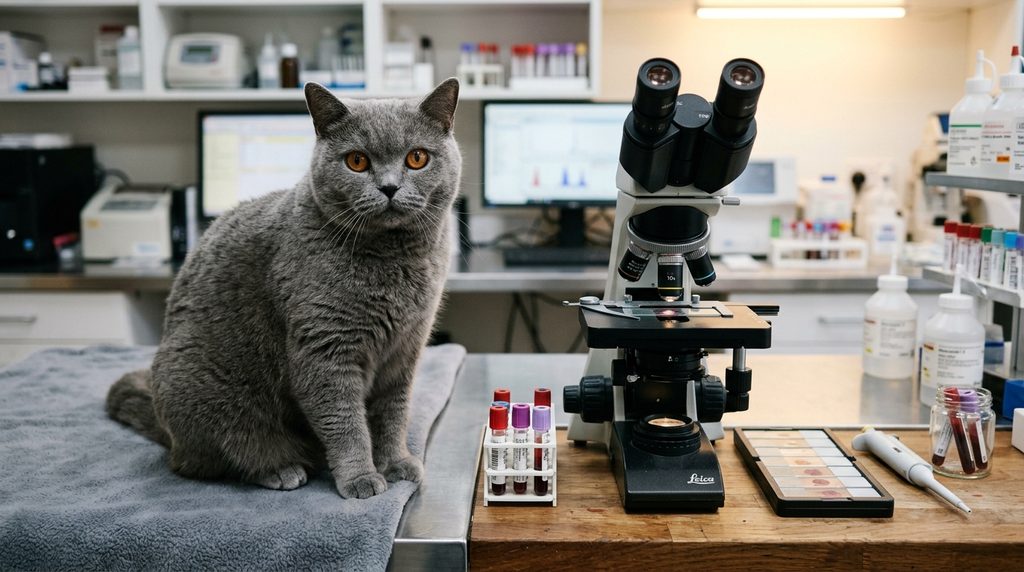
Preventing Salmonella involves controlling exposure routes, maintaining food safety, and practicing good household hygiene.
Food Safety
- Avoid feeding raw or undercooked meat, poultry, eggs, or unpasteurized dairy.
- Choose high-quality, commercially prepared cooked diets or balanced homemade meals designed by a board-certified veterinary nutritionist.
- Wash feeding tools and countertops after preparing pet food.
Litter Box Hygiene
- Scoop litter boxes at least once daily to prevent feces from accumulating.
- Wash litter pans thoroughly with hot water and disinfectant every 2 to 4 weeks.
- Place litter boxes away from human dining and food preparation areas.
Reduce Exposure to Contaminated Environments
- Keep cats strictly indoors to eliminate opportunities for hunting birds and rodents.
- Cover outdoor sandboxes to prevent stray cats from defecating in them.
- Prevent cats from drinking standing outdoor water or puddles.
Prevent Cross-Contamination
Bacteria move easily across household surfaces via inanimate objects (fomites). Prevent cross-contamination by designating separate sponges or brushes for cleaning pet items, washing pet bedding regularly in hot water, and cleaning shoes worn in farm or outdoor environments before walking through the home.
Common Mistakes Cat Owners Make
Navigating a bacterial illness requires avoiding common misconceptions and management errors.
| Common Mistake | Why It Is Harmful | Correct Approach |
| Assuming all diarrhea is Salmonella | Misdiagnoses underlying conditions like parasites or blockages. | Seek veterinary diagnostics to identify the exact cause. |
| Treating at home with OTC human drugs | Many human anti-diarrheals (e.g., Pepto-Bismol) are toxic to cats. | Use only medications prescribed by a veterinarian. |
| Giving leftover antibiotics | Can cause toxicity, gut dysbiosis, and antibiotic resistance. | Administer antibiotics only under veterinary direction. |
| Neglecting hygiene during recovery | Increases the risk of human infection and pet reinfection. | Wear gloves, scoop daily, and wash hands frequently. |
| Stopping care when symptoms clear | Cats may still shed bacteria or experience symptom relapse. | Complete all prescribed medication courses and follow-up care. |
When Should You Take a Cat With Salmonella Symptoms to the Vet?
Contact Your Veterinarian Promptly If Your Cat Has:
- Diarrhea lasting longer than 24 to 48 hours
- Intermittent or repeated vomiting
- Low-grade fever or mild lethargy
- Partial or complete loss of appetite
- Visible mucus or minor blood spots in the stool
- Mild signs of dehydration (e.g., tacky gums)
Seek Urgent Veterinary Care for Severe Signs:
- Extreme weakness, unsteadiness, or sudden collapse
- Continuous vomiting with inability to keep water down
- High fever or abnormally cold extremities
- Profuse, watery blood in the stool
- Severe dehydration (sunken eyes, prolonged skin tenting)
- Rapid, shallow breathing or signs of systemic shock
Salmonella vs. Other Infectious Diseases in Cats
When evaluating a sick feline, veterinarians consider several infectious conditions with overlapping clinical signs:
Salmonella vs. Toxoplasmosis
While Salmonella is a bacterial infection affecting the digestive system, toxoplasmosis is caused by a microscopic protozoan parasite (Toxoplasma gondii). Readers interested in parasitic life cycles and feline transmission can explore our comprehensive guide on Toxoplasmosis in Cats: Symptoms, Diagnosis, Treatment and Human Risks
Salmonella vs. Cat-Scratch Disease
Unlike Salmonella, which primarily causes intestinal illness in cats and humans via fecal-oral transmission, Cat-Scratch Disease is caused by the bacterium Bartonella henselae and spreads mainly through flea dirt and scratch wounds. Learn more about human risks and feline signs in Cat-Scratch Disease: Symptoms, Treatment, Diagnosis and When to Seek Care
Salmonella vs. Ringworm
While Salmonella impacts internal organs and gut health, ringworm is a superficial fungal skin infection (Dermatophytosis) that causes circular hair loss and skin lesions. Readers researching contagious feline conditions can read Ringworm in Cats: Symptoms, Treatment, How It Spreads and Prevention
A Simple Salmonella Safety Checklist for Cat Owners
If Your Cat Is Sick
- Monitor vomiting, diarrhea, and overall hydration.
- Keep the cat in a warm, quiet, easy-to-clean room.
- Contact your veterinarian promptly for diagnosis and treatment.
- Administer prescribed medications exactly as directed.
- Keep your cat comfortable while tracking daily appetite and energy.
To Protect Other Household Pets
- Isolate the sick cat from other animals in the household.
- Provide separate litter boxes, food bowls, and water dishes.
- Clean and sanitize shared living areas and surfaces.
- Wash hands thoroughly between handling different pets.
To Protect Human Family Members
- Wash hands thoroughly after handling litter boxes, pet food, or sick animals.
- Wear disposable gloves when cleaning litter or contaminated surfaces.
- Keep litter equipment away from food preparation areas.
- Take extra precautions around children, seniors, and immunocompromised individuals.
Salmonella in Cats: The Bottom Line
Understanding Salmonella in Cats requires balancing awareness of bacterial transmission with practical hygiene and veterinary care. Although Salmonella can cause severe gastrointestinal illness and systemic complications, many cats recover well when diagnosed promptly and supported with appropriate fluid therapy and veterinary management.
Because symptoms alone cannot confirm salmonellosis, professional diagnosis and targeted care are essential. Antibiotics are not needed in every case and should be reserved for severe or systemic infections under strict veterinary supervision. By practicing safe food handling, keeping cats indoors, scooping litter boxes daily, and maintaining diligent hand hygiene, pet owners can effectively protect both their feline companions and human family members from infection.
Have you ever managed a bacterial illness or dietary upset with your cat? What recovery tips or hygiene strategies worked best for your household? Share your experiences and questions in the comments below!
Frequently Asked Questions About Salmonella in Cats
Can a cat survive Salmonella?
Yes, many cats can recover completely from a Salmonella infection when provided with prompt veterinary care and supportive treatment. However, the prognosis depends on the cat’s age, immune status, and whether the infection spreads systemically. Severe cases involving sepsis or extreme dehydration require intensive veterinary care.
How can I tell if my cat has Salmonella?
You cannot confirm Salmonella by symptoms alone, as diarrhea, vomiting, and fever mirror many other feline illnesses. A veterinarian must evaluate your cat’s clinical history and perform laboratory testing, such as a fecal PCR assay or bacterial culture, to diagnose the infection accurately.
How do you treat Salmonella in cats at home?
There is no safe or effective DIY home cure for confirmed salmonellosis in cats. Home care should only take place under veterinary direction and typically involves providing fresh water, feeding a prescribed bland diet, and keeping the cat comfortable while monitoring hydration and stool quality.
Do cats with Salmonella need antibiotics?
No, cats with Salmonella do not automatically require antibiotics. Veterinarians reserve antibiotic treatment for severe cases, systemic infections, or high-risk patients to avoid disrupting the gut microbiome or contributing to antibiotic resistance.
Is Salmonella in cats contagious to humans?
Yes, Salmonella is a zoonotic bacteria that can spread from cats to humans via the fecal-oral route. Owners can significantly reduce their infection risk by washing hands thoroughly after handling litter or pet food, scooping litter boxes daily, and sanitizing feeding areas.